MSD Animal Health Innovation GmbH, Schwabenheim, Germany.
PLoS One. 2013;8(2):e56788. doi: 10.1371/journal.pone.0056788. Epub 2013 Feb 25.
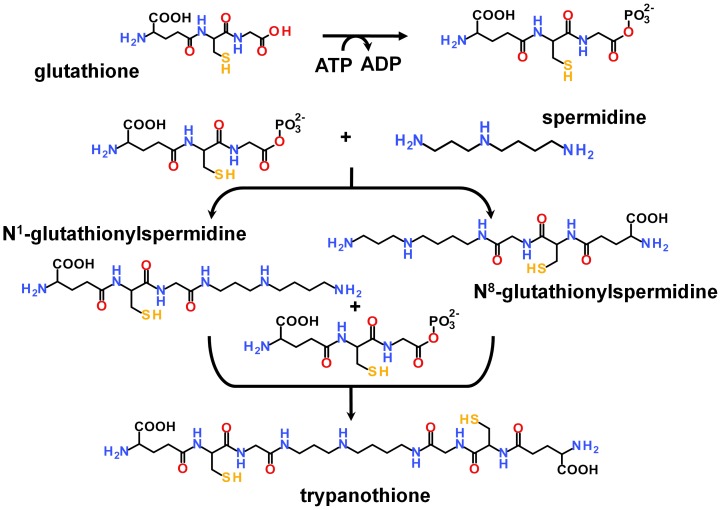
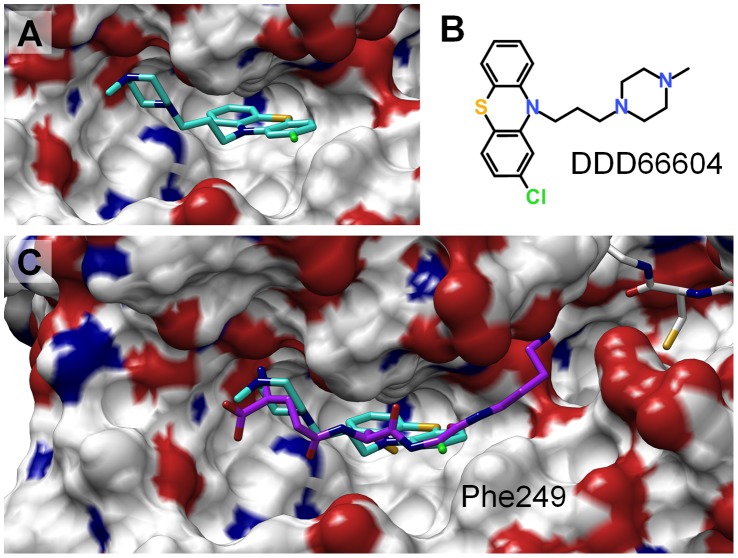
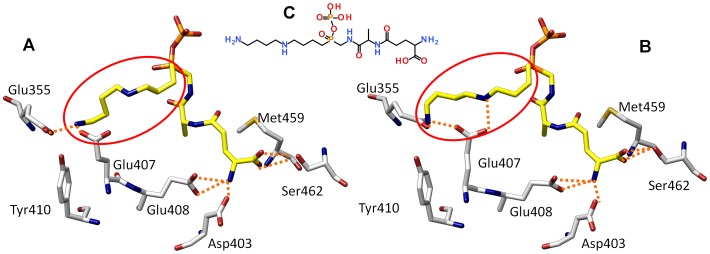
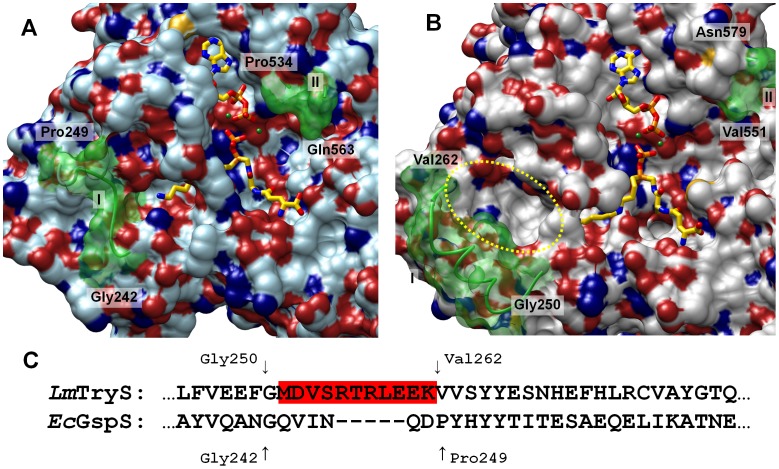
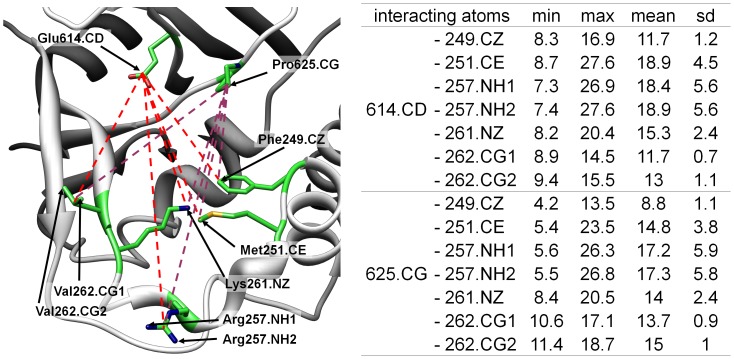
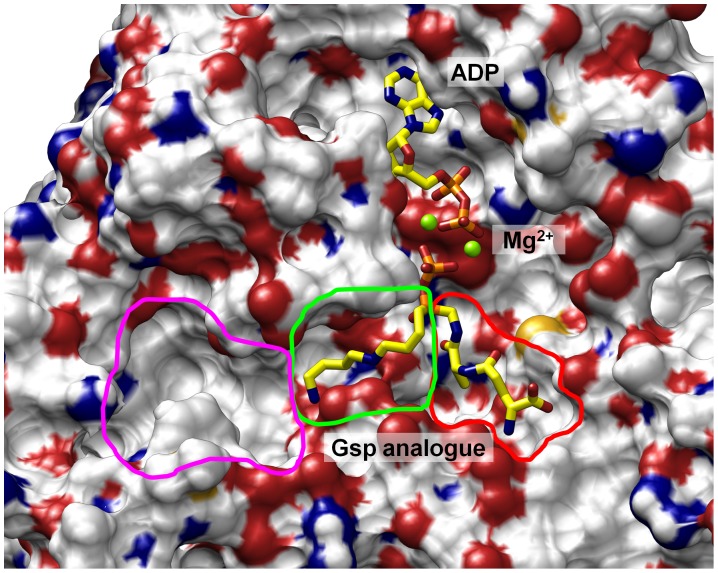
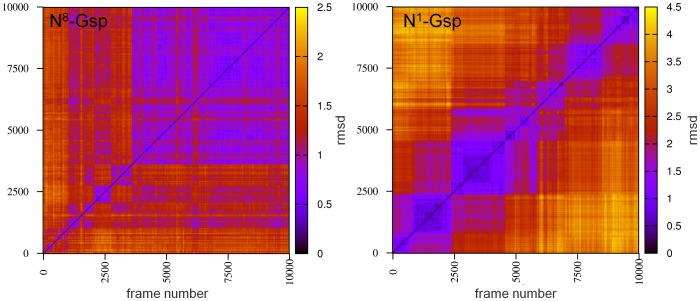
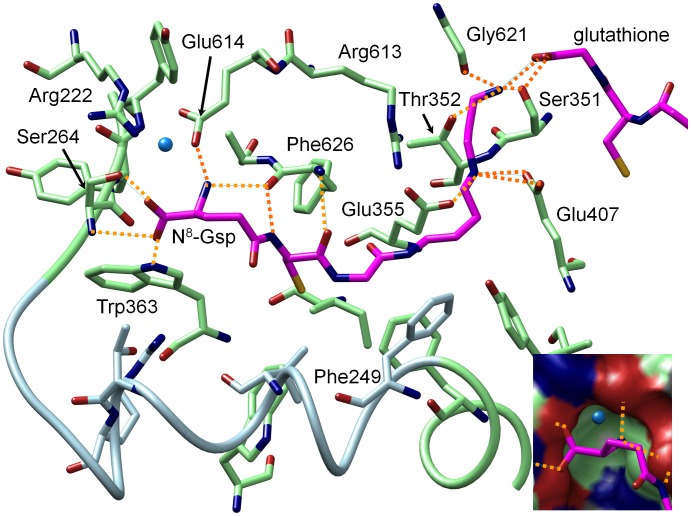
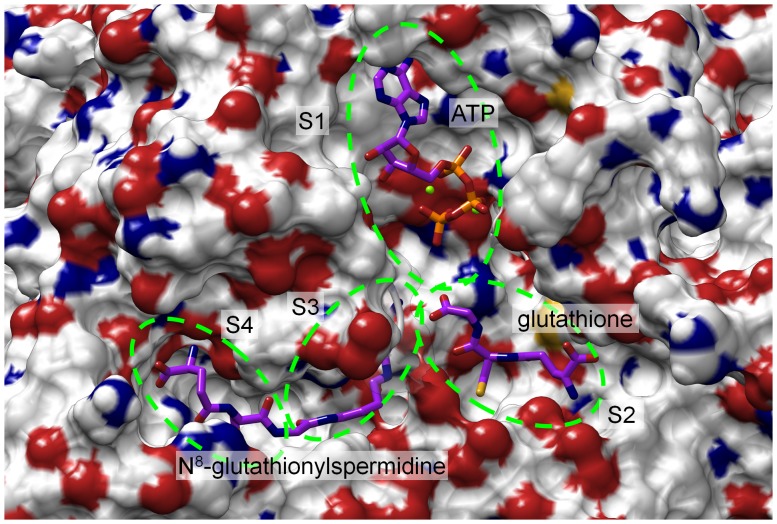
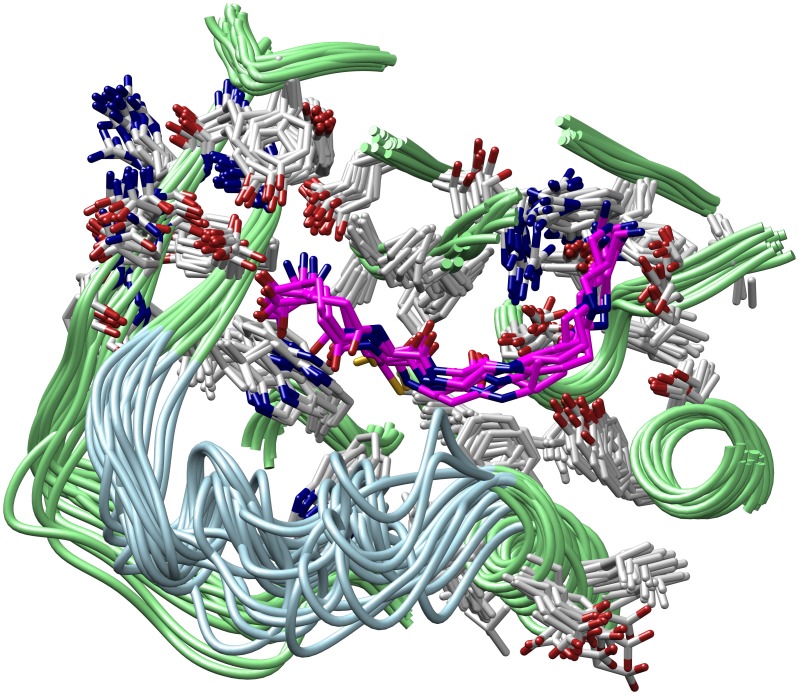
The trypanothione synthetase (TryS) catalyses the two-step biosynthesis of trypanothione from spermidine and glutathione and is an attractive new drug target for the development of trypanocidal and antileishmanial drugs, especially since the structural information of TryS from Leishmania major has become available. Unfortunately, the TryS structure was solved without any of the substrates and lacks loop regions that are mechanistically important. This contribution describes docking and molecular dynamics simulations that led to further insights into trypanothione biosynthesis and, in particular, explains the binding modes of substrates for the second catalytic step. The structural model essentially confirm previously proposed binding sites for glutathione, ATP and two Mg(2+) ions, which appear identical for both catalytic steps. The analysis of an unsolved loop region near the proposed spermidine binding site revealed a new pocket that was demonstrated to bind glutathionylspermidine in an inverted orientation. For the second step of trypanothione synthesis glutathionylspermidine is bound in a way that preferentially allows N(1)-glutathionylation of N(8)-glutathionylspermidine, classifying N(8)-glutathionylspermidine as the favoured substrate. By inhibitor docking, the binding site for N(8)-glutathionylspermidine was characterised as druggable.
硫脒基转移酶(TryS)催化从亚精胺和谷胱甘肽合成二硫键-亚精胺的两步反应,是开发杀锥虫和杀利什曼原虫药物的一个有吸引力的新药物靶点,特别是因为利什曼原虫的 TryS 结构信息已经可用。不幸的是,TryS 结构的解析没有任何底物,并且缺乏在机制上重要的环区。本研究通过对接和分子动力学模拟,进一步深入了解了二硫键-亚精胺的生物合成,特别是解释了第二个催化步骤中底物的结合模式。结构模型基本上证实了先前提出的结合谷胱甘肽、ATP 和两个 Mg(2+)离子的结合位点,这两个结合位点在两个催化步骤中是相同的。对靠近提出的亚精胺结合位点的未解决环区的分析揭示了一个新的口袋,该口袋被证明以倒置的方式结合谷胱氨酰基亚精胺。在二硫键-亚精胺合成的第二步中,谷氨酰基亚精胺的结合方式优先允许 N(1)-谷氨酰化 N(8)-谷氨酰基亚精胺,将 N(8)-谷氨酰基亚精胺归类为首选底物。通过抑制剂对接,表征了 N(8)-谷氨酰基亚精胺的结合位点具有成药性。