Department of Biomedical Engineering, Faculty of Life and Medical Sciences, Doshisha University, Kyotanabe, Japan.
PLoS One. 2013;8(2):e58000. doi: 10.1371/journal.pone.0058000. Epub 2013 Feb 25.
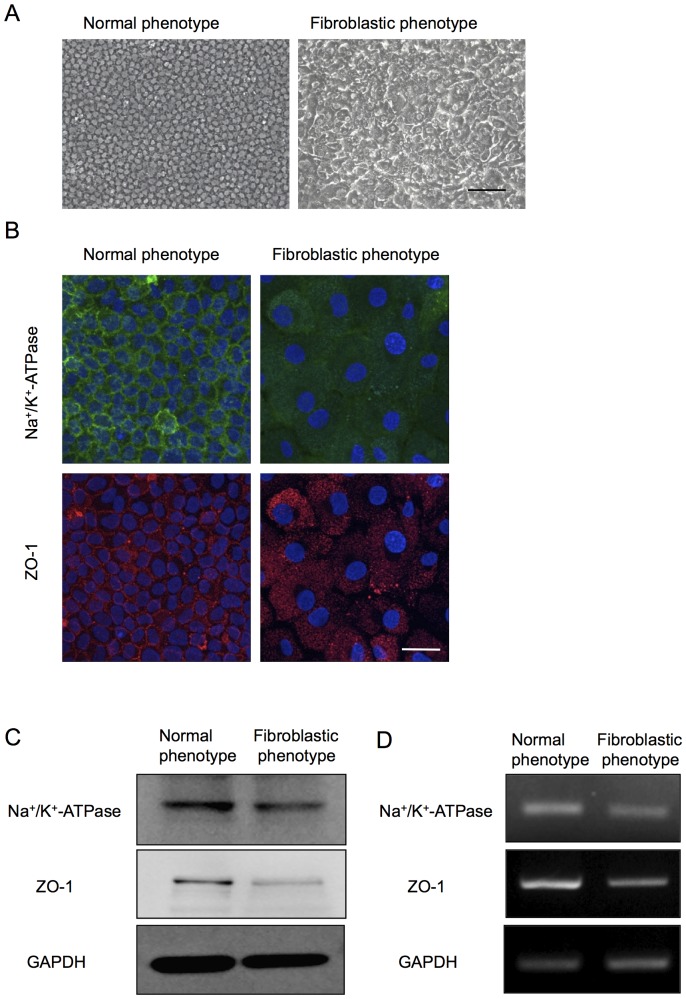
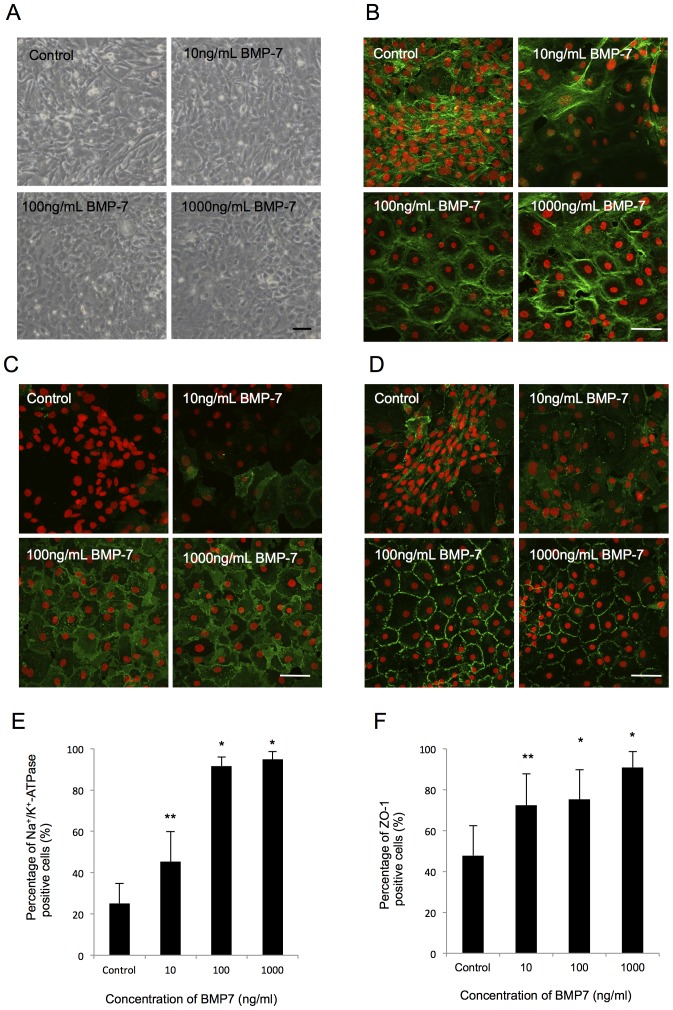
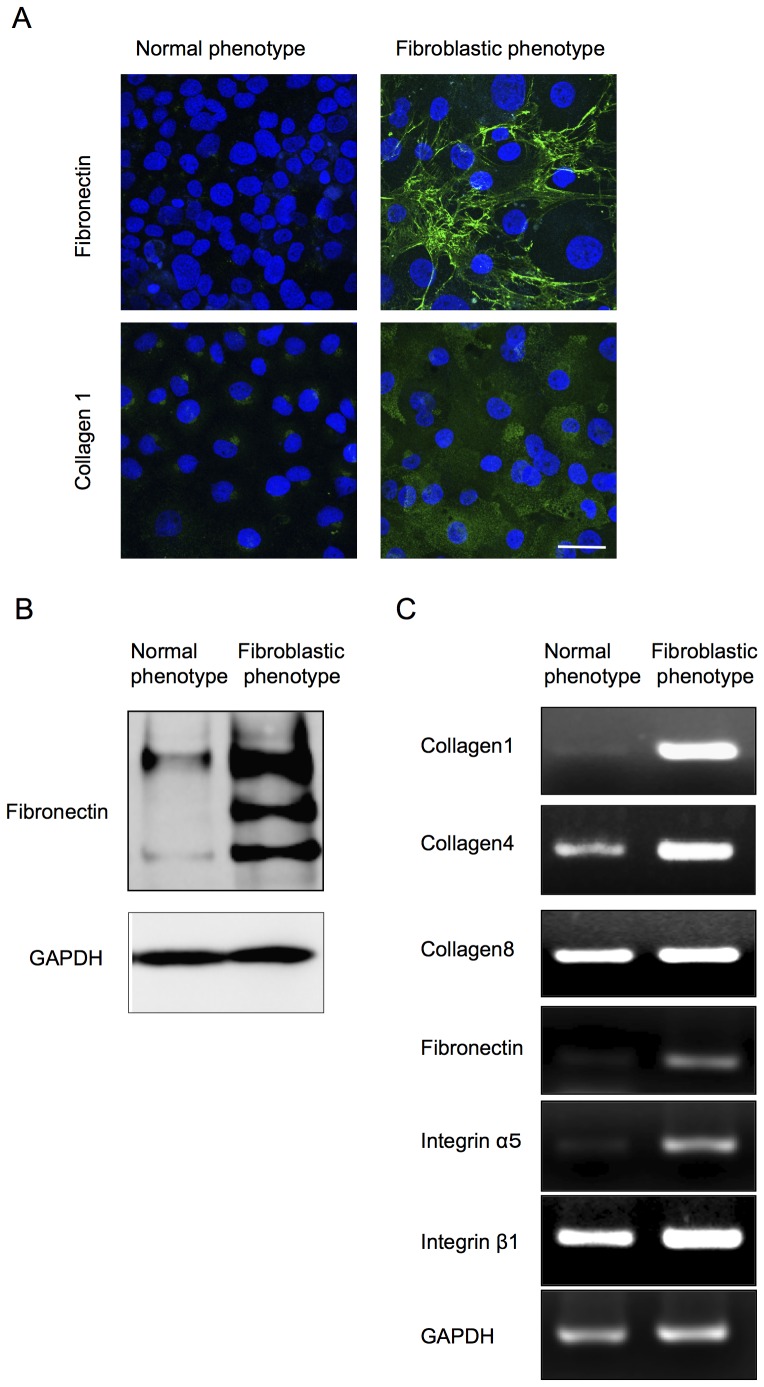
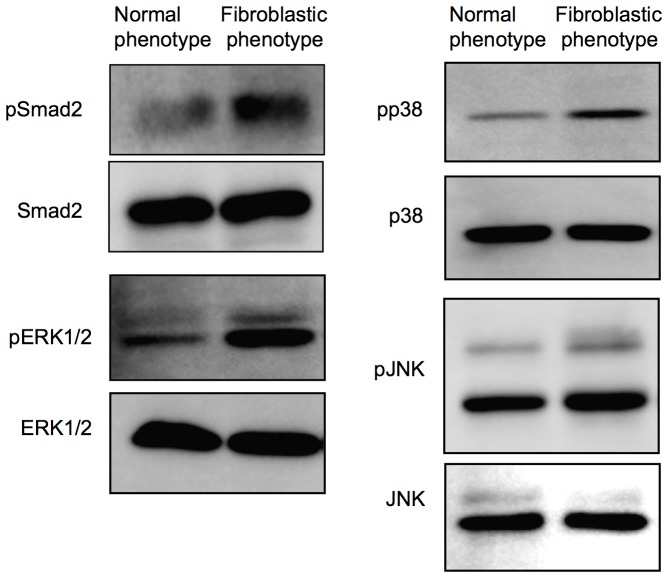
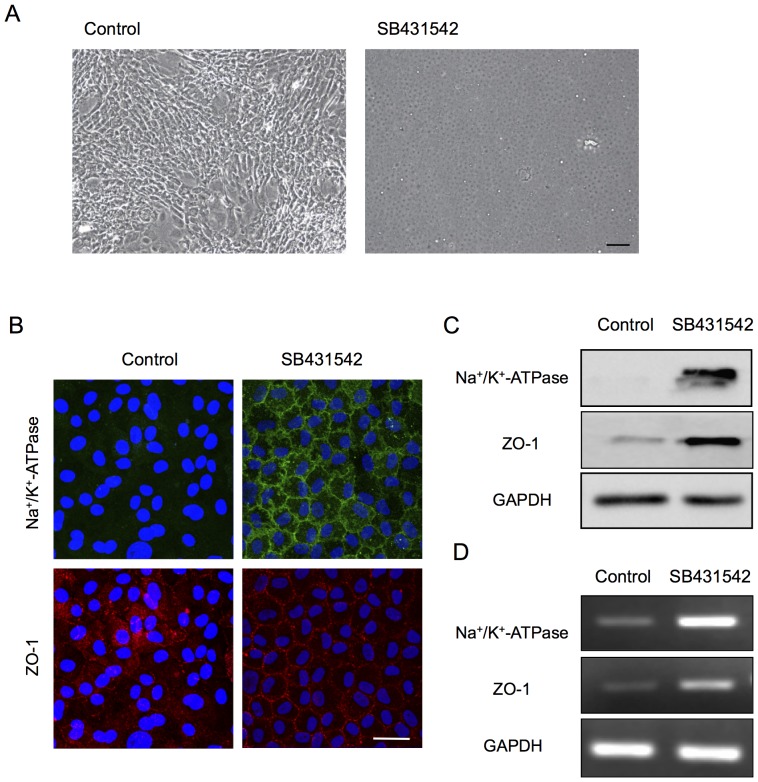
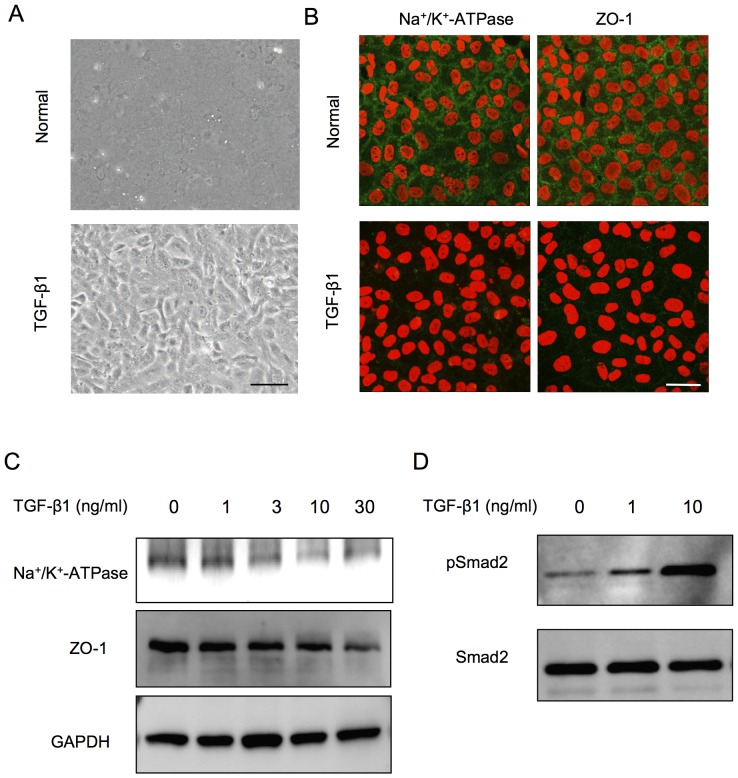
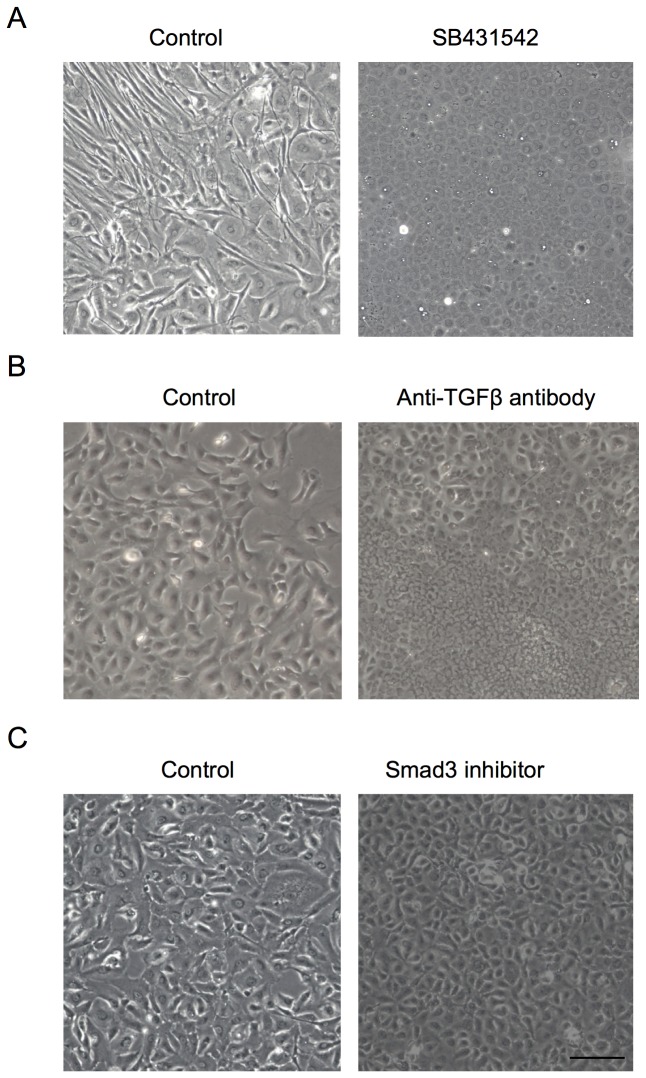
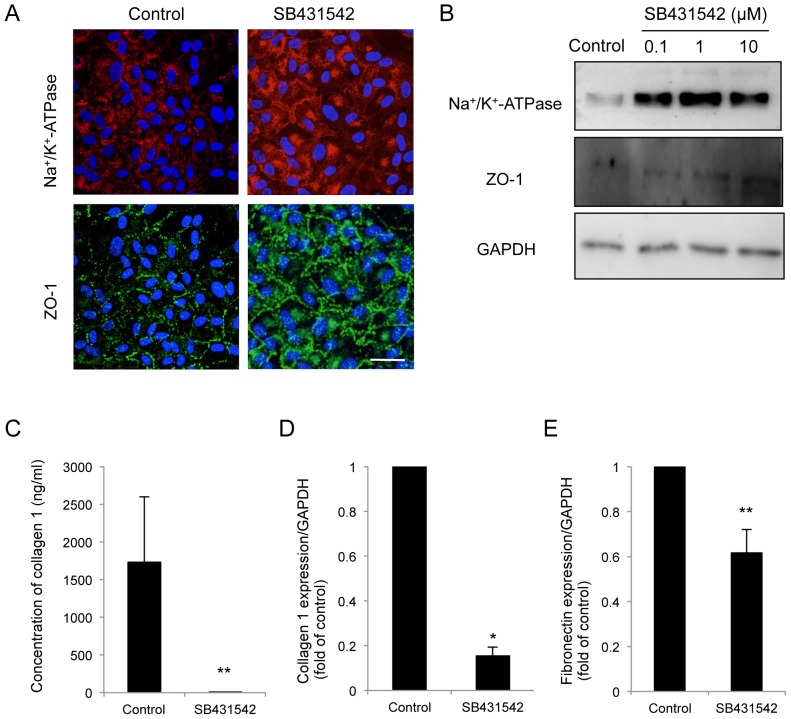
Corneal endothelial dysfunctions occurring in patients with Fuchs' endothelial corneal dystrophy, pseudoexfoliation syndrome, corneal endotheliitis, and surgically induced corneal endothelial damage cause blindness due to the loss of endothelial function that maintains corneal transparency. Transplantation of cultivated corneal endothelial cells (CECs) has been researched to repair endothelial dysfunction in animal models, though the in vitro expansion of human CECs (HCECs) is a pivotal practical issue. In this study we established an optimum condition for the cultivation of HCECs. When exposed to culture conditions, both primate and human CECs showed two distinct phenotypes: contact-inhibited polygonal monolayer and fibroblastic phenotypes. The use of SB431542, a selective inhibitor of the transforming growth factor-beta (TGF-β) receptor, counteracted the fibroblastic phenotypes to the normal contact-inhibited monolayer, and these polygonal cells maintained endothelial physiological functions. Expression of ZO-1 and Na(+)/K(+)-ATPase maintained their subcellular localization at the plasma membrane. Furthermore, expression of type I collagen and fibronectin was greatly reduced. This present study may prove to be the substantial protocol to provide the efficient in vitro expansion of HCECs with an inhibitor to the TGF-β receptor, and may ultimately provide clinicians with a new therapeutic modality in regenerative medicine for the treatment of corneal endothelial dysfunctions.
在患有 Fuchs 角膜内皮营养不良、假性剥脱综合征、角膜内皮炎和手术引起的角膜内皮损伤的患者中发生的角膜内皮功能障碍会导致失明,因为维持角膜透明性的内皮功能丧失。已经研究了培养角膜内皮细胞 (CEC) 的移植以修复动物模型中的内皮功能障碍,尽管体外扩增人 CEC (HCEC) 是一个关键的实际问题。在这项研究中,我们建立了培养 HCEC 的最佳条件。当暴露于培养条件下时,灵长类动物和人 CEC 都表现出两种截然不同的表型:接触抑制的多边形单层和纤维母细胞样表型。使用 SB431542,一种转化生长因子-β (TGF-β) 受体的选择性抑制剂,可对抗纤维母细胞样表型,使其恢复为正常的接触抑制单层,这些多边形细胞保持了内皮的生理功能。ZO-1 和 Na(+)/K(+)-ATPase 的表达保持其在质膜上的亚细胞定位。此外,I 型胶原和纤维连接蛋白的表达大大减少。本研究可能为提供有效的 TGF-β 受体抑制剂体外扩增 HCEC 提供实质性方案,并最终为临床医生提供一种治疗角膜内皮功能障碍的再生医学新的治疗方法。