School of Environmental and Life Sciences, University of Newcastle, Callaghan, New South Wales, Australia.
PLoS One. 2013;8(4):e60760. doi: 10.1371/journal.pone.0060760. Epub 2013 Apr 5.
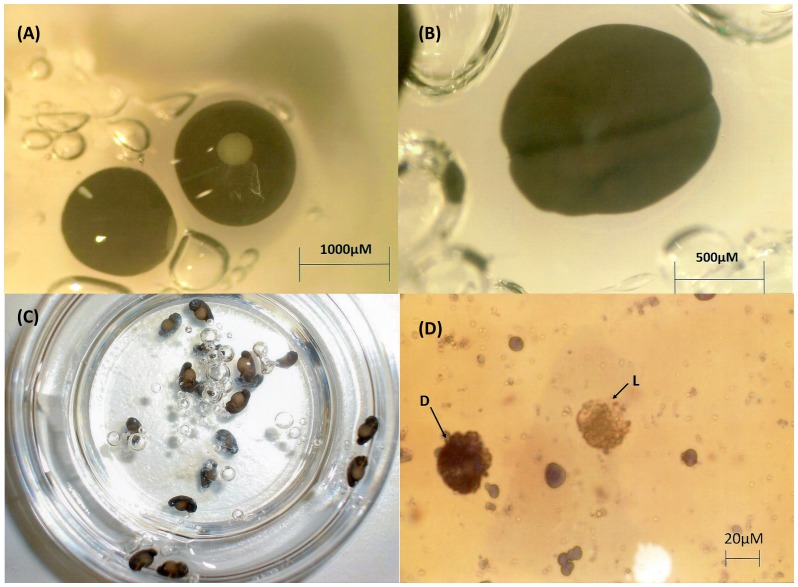
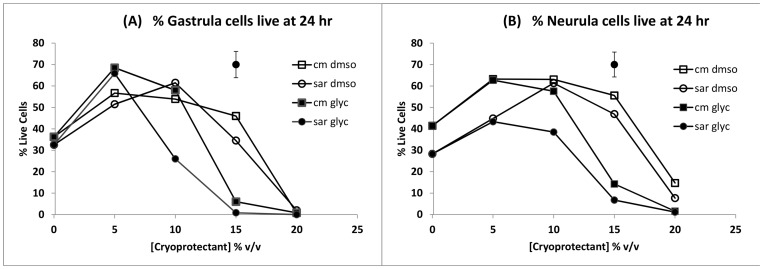
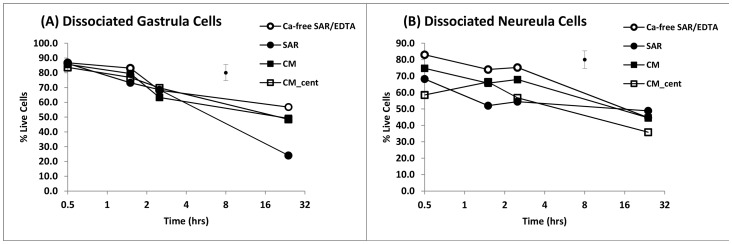
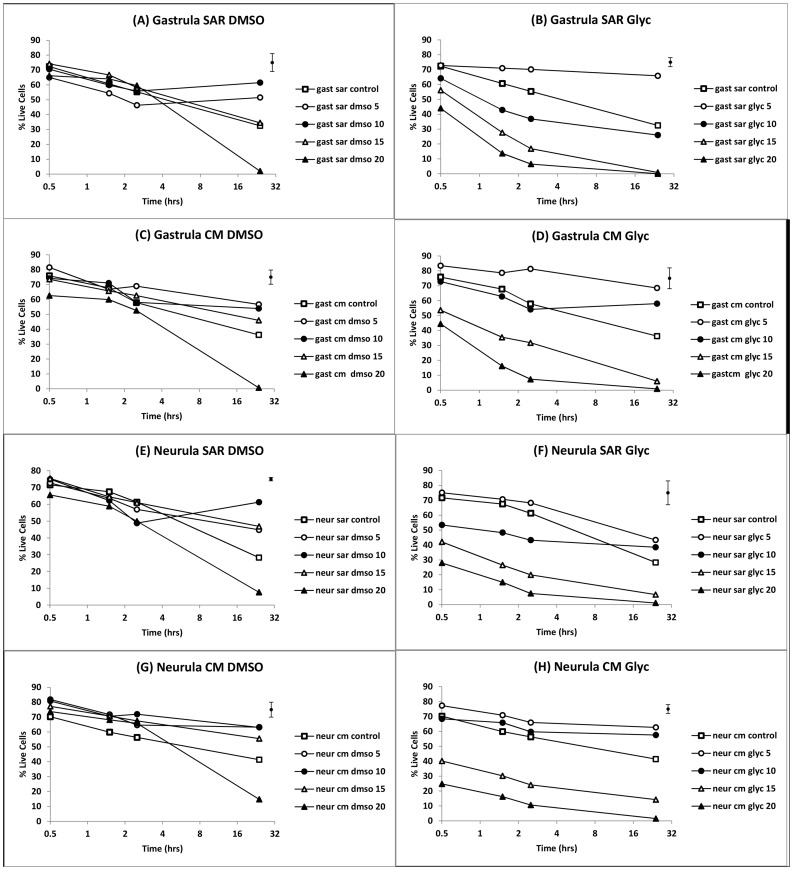
Gene banking is arguably the best method available to prevent the loss of genetic diversity caused by declines in wild populations, when the causes of decline cannot be halted or reversed. For one of the most impacted vertebrate groups, the amphibians, gene banking technologies have advanced considerably, and gametes from the male line can be banked successfully for many species. However, cryopreserving the female germ line remains challenging, with attempts at cryopreserving oocytes unsuccessful due to their large size and yolk content. One possible solution is to target cryopreservation of early embryos that contain the maternal germ line, but consist of smaller cells. Here, we investigate the short term incubation, cryoprotectant tolerance, and cryopreservation of dissociated early embryonic cells from gastrulae and neurulae of the Striped Marsh Frog, Limnodynastes peronii. Embryos were dissociated and cells were incubated for up to 24 hours in various media. Viability of both gastrula and neurula cells remained high (means up to 40-60%) over 24 hours of incubation in all media, although viability was maintained at a higher level in Ca(2+)-free Simplified Amphibian Ringer; low speed centrifugation did not reduce cell viability. Tolerance of dissociated embryonic cells was tested for two cryoprotectants, glycerol and dimethyl sulphoxide; dissociated cells of both gastrulae and neurulae were highly tolerant to both-indeed, cell viability over 24 hours was higher in media containing low-to-medium concentrations than in equivalent cryoprotectant-free media. Viability over 24 hours was lower in concentrations of cryoprotectant higher than 10%. Live cells were recovered following cryopreservation of both gastrula and neurula cells, but only at low rates. Optimal cryodiluents were identified for gastrula and neurula cells. This is the first report of a slow cooling protocol for cryopreservation of amphibian embryonic cells, and sets future research directions for cryopreserving amphibian maternal germ lines.
基因库可以说是防止由于野生种群减少而导致遗传多样性丧失的最佳方法,当减少的原因无法停止或逆转时。对于受影响最严重的脊椎动物群体之一——两栖动物,基因库技术已经有了很大的发展,雄性配子可以成功地为许多物种储存。然而,冷冻雌性生殖细胞仍然具有挑战性,由于卵母细胞体积大且卵黄含量高,冷冻保存卵母细胞的尝试都没有成功。一种可能的解决方案是针对含有母体生殖细胞但由较小细胞组成的早期胚胎进行冷冻保存。在这里,我们研究了从 Striped Marsh Frog,Limnodynastes peronii 的原肠胚和神经胚中分离出的早期胚胎细胞的短期孵育、冷冻保护剂耐受性和冷冻保存。胚胎被分离,细胞在各种培养基中孵育长达 24 小时。在所有培养基中,原肠胚和神经胚细胞的活力在 24 小时孵育期间保持较高(平均值高达 40-60%),尽管在无钙简化两栖类 Ringer 中保持更高水平;低速离心不会降低细胞活力。测试了两种冷冻保护剂甘油和二甲基亚砜对分离的胚胎细胞的耐受性;原肠胚和神经胚的分离细胞对两者均具有高度耐受性-实际上,在含有低至中等浓度的培养基中,细胞活力超过 24 小时高于等效的无冷冻保护剂培养基。在高于 10%的浓度下,细胞活力较低。在冷冻保存原肠胚和神经胚细胞后,回收了活细胞,但回收率较低。确定了适用于原肠胚和神经胚细胞的最佳冷冻稀释剂。这是首例报道缓慢冷却方案冷冻保存两栖动物胚胎细胞的报告,并为冷冻保存两栖动物母体生殖细胞设定了未来的研究方向。