Department of Neurology, Heinrich-Heine-University of Düsseldorf, Merowingerplatz 1a, Düsseldorf, Germany.
Cell Death Dis. 2013 Apr 25;4(4):e609. doi: 10.1038/cddis.2013.126.
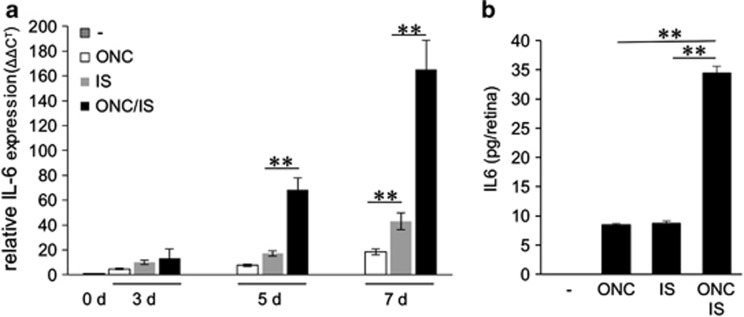
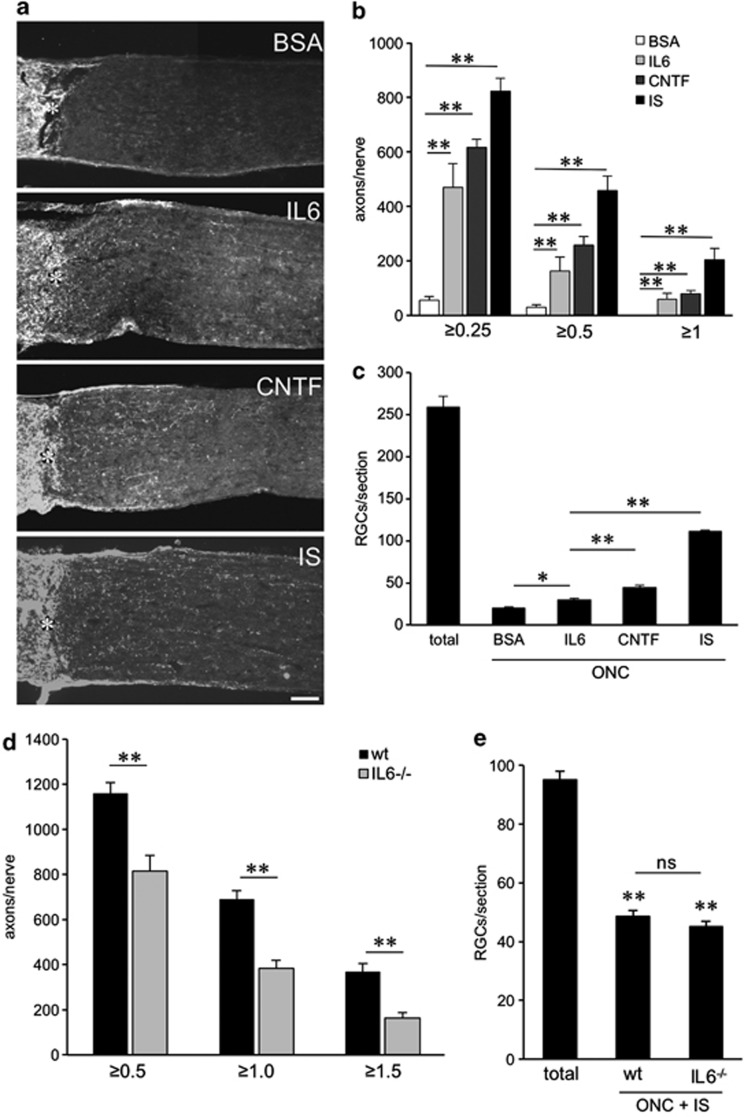
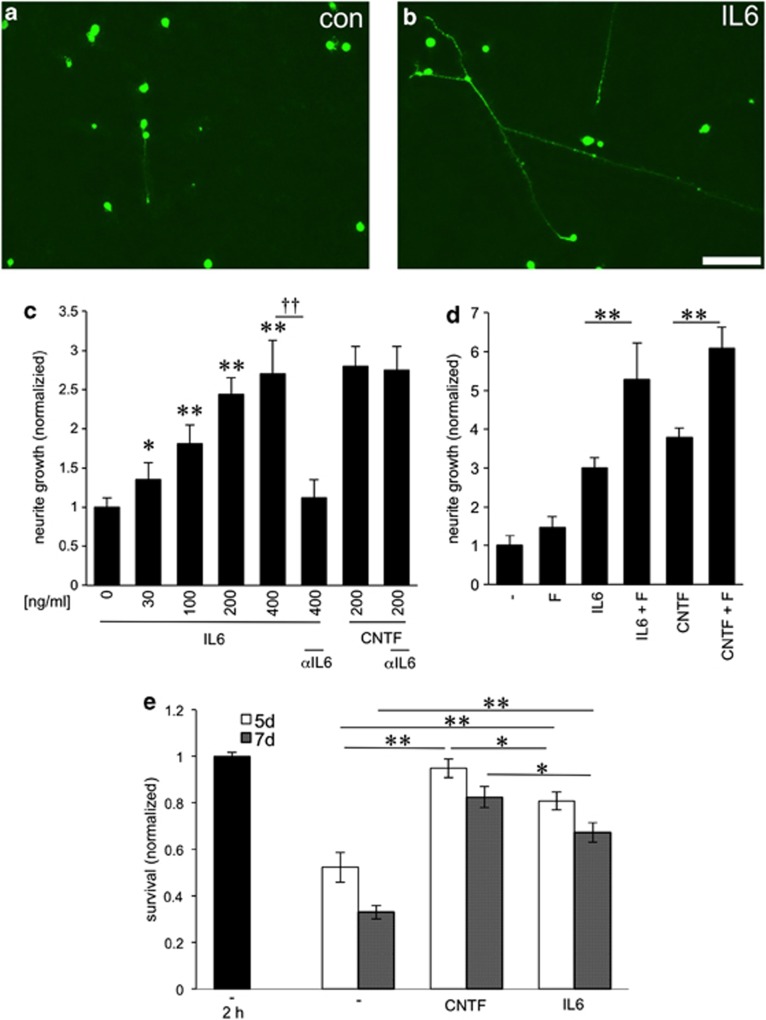
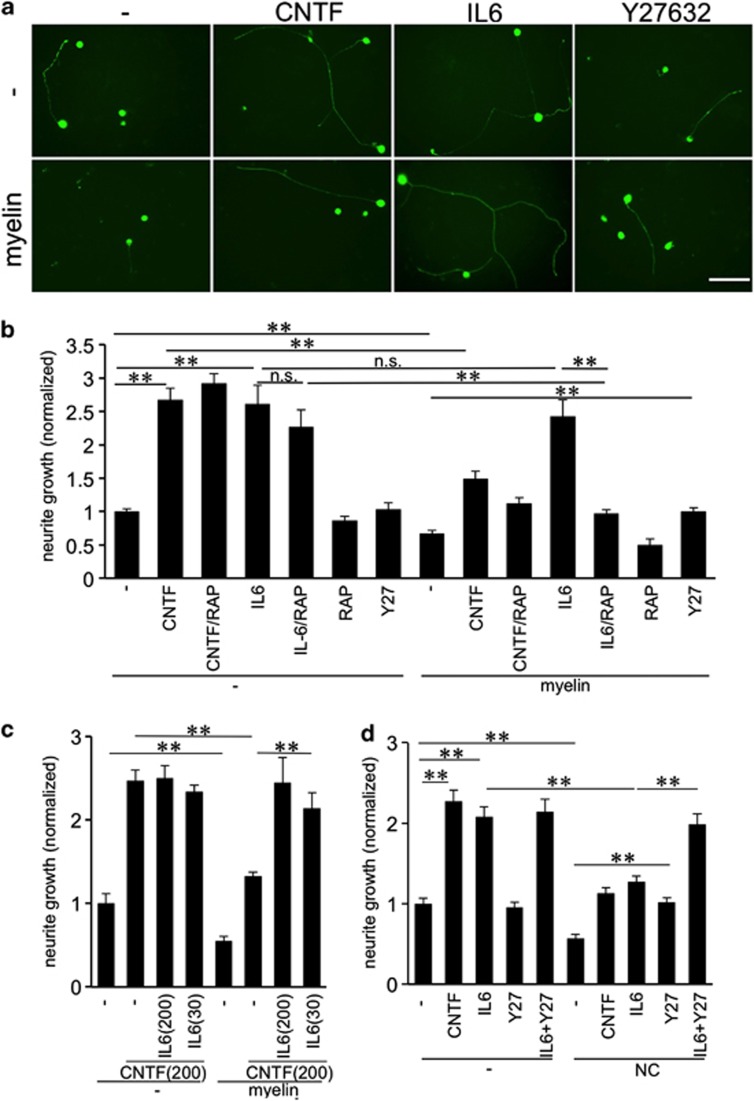
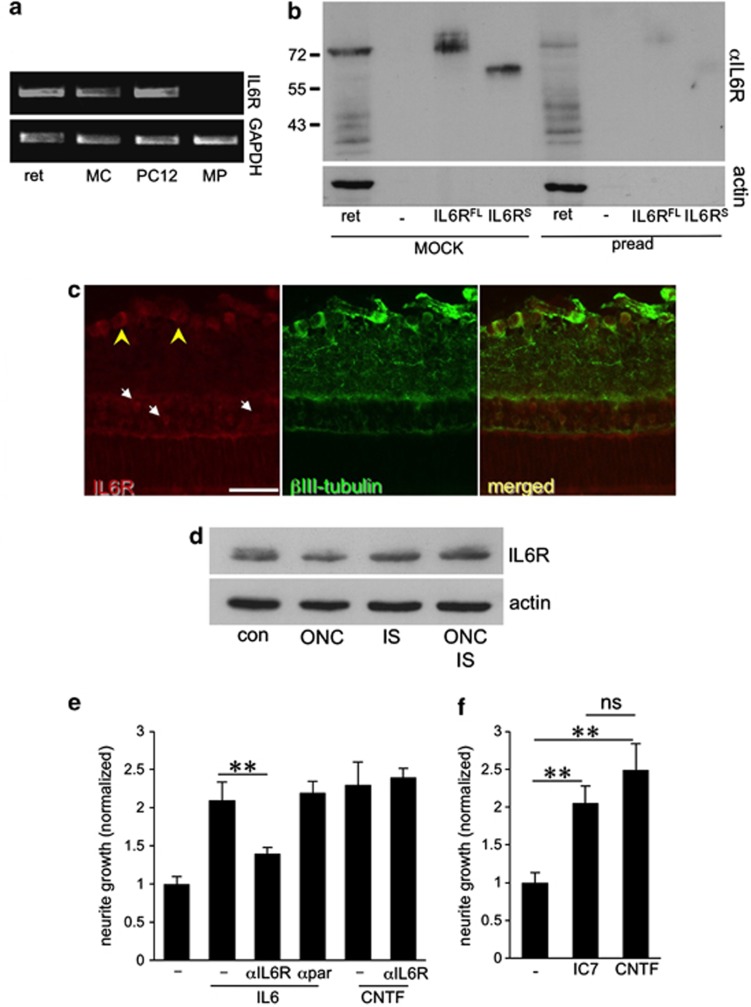
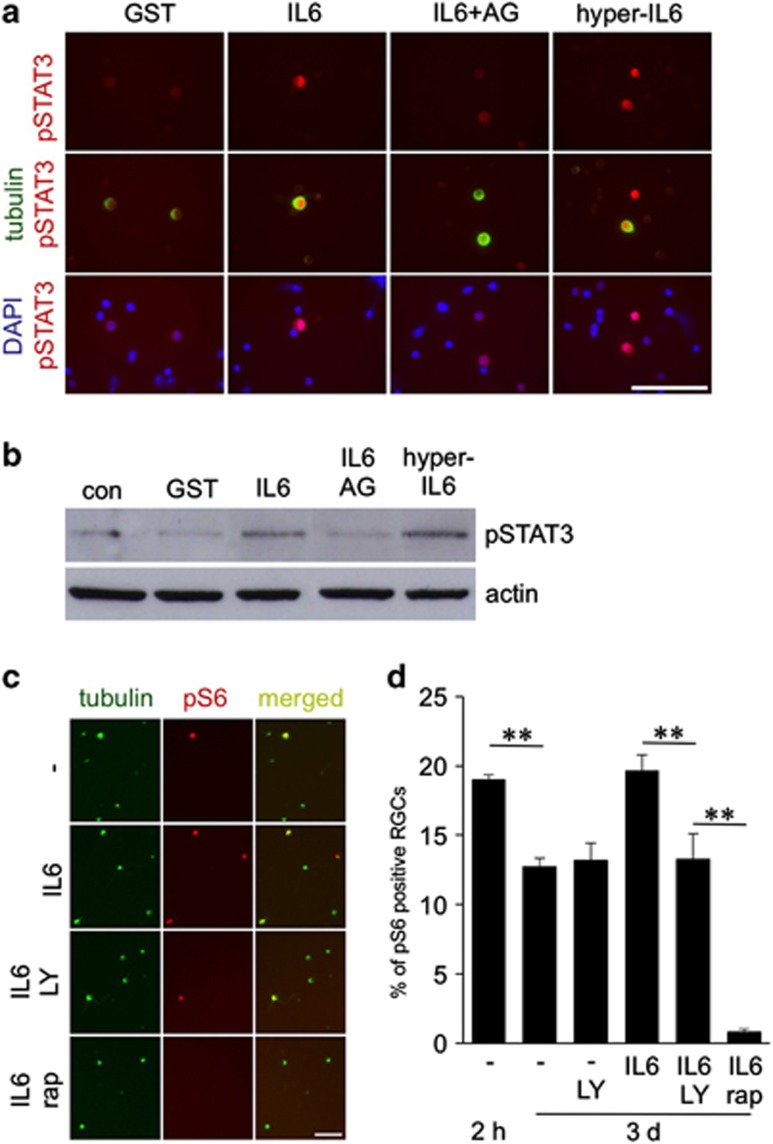
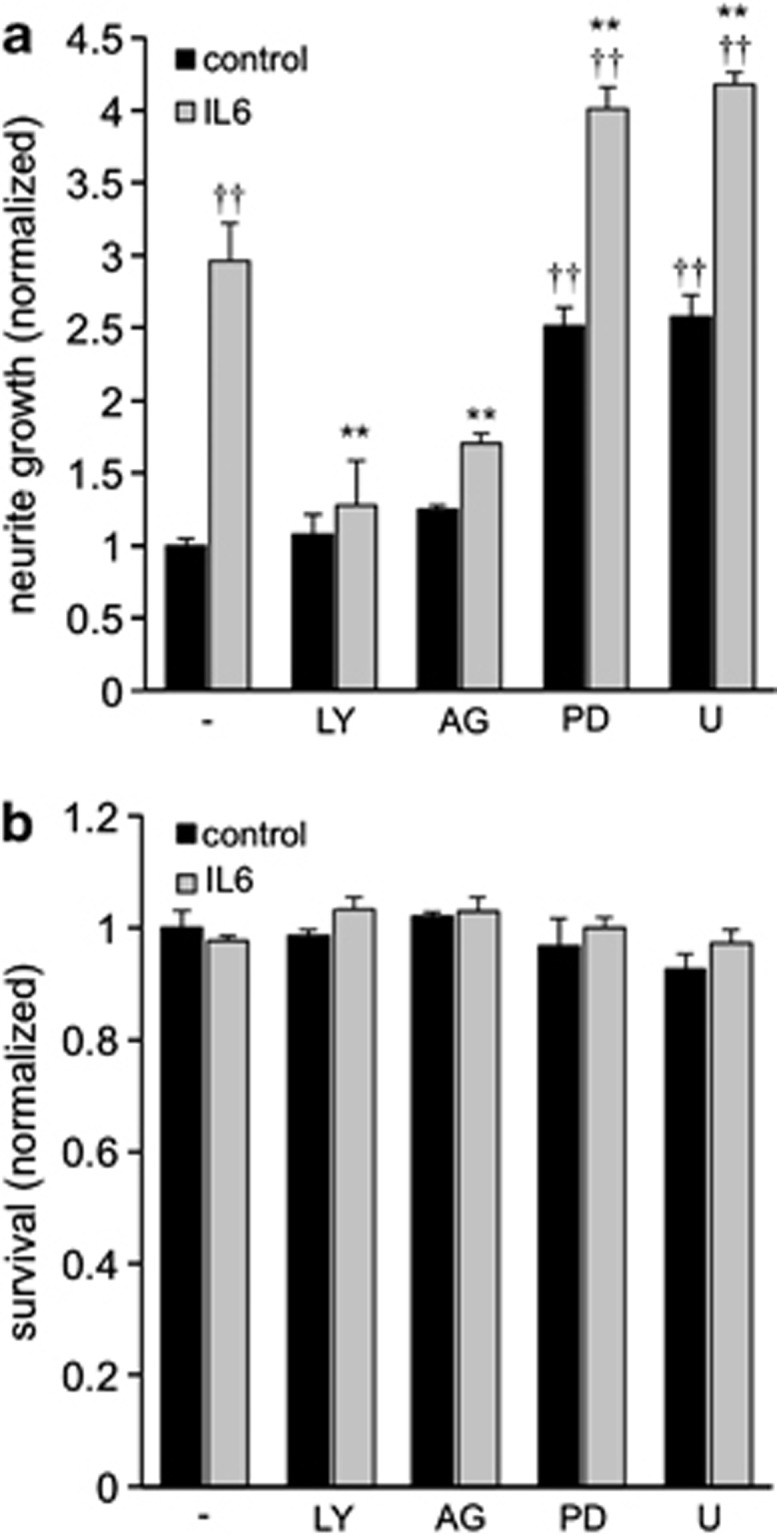
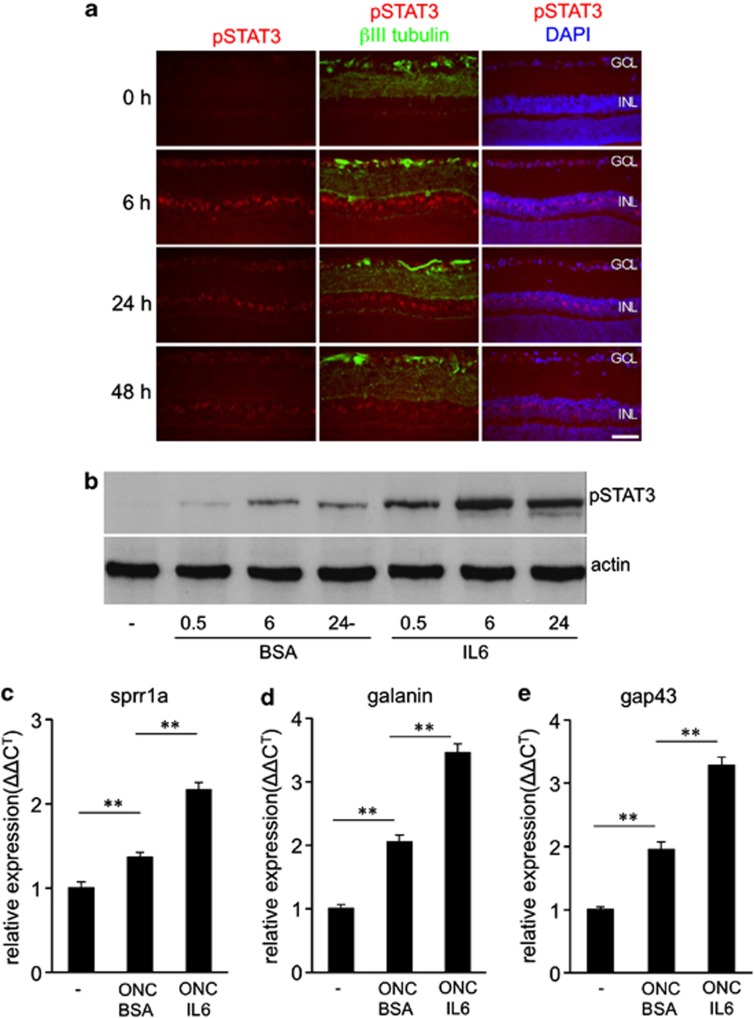
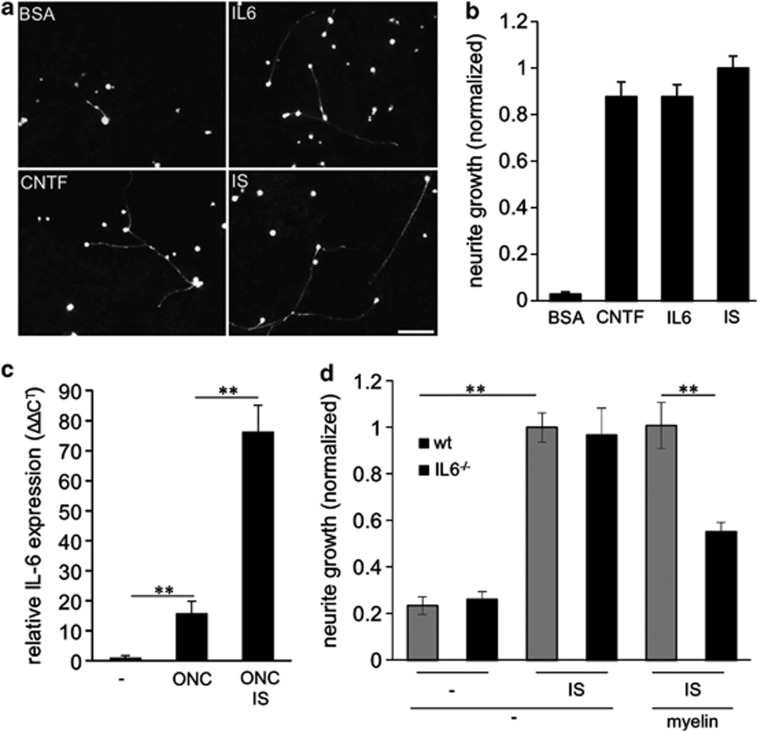
Mature retinal ganglion cells (RGCs) do not normally regenerate injured axons and undergo apoptosis after axotomy. Inflammatory stimulation (IS) in the eye mediates neuroprotection and induces axon regeneration into the injured optic nerve. Ciliary neurotrophic factor (CNTF) and leukemia inhibitory factor (LIF) have been identified as key mediators of these effects. Here, we investigated the role of interleukin-6 (IL-6), another member of the glycoprotein 130-activating cytokine family, as additional contributing factor. Expression of IL-6 was markedly induced in the retina upon optic nerve injury and IS, and mature RGCs expressed the IL-6 receptor. Treatment of cultured RGCs with IL-6 or specific IL-6 receptor agonist, significantly increased neurite outgrowth janus kinase/signal transducers and activators of transcription-3 (JAK/STAT3) and phosphatidylinositide 3-kinase/protein kinase B (PI3K/Akt) dependently. Moreover, IL-6 reduced myelin, but not neurocan-mediated growth inhibition mammalian target of rapamycin (mTOR) dependently in cultured RGCs. In vivo, intravitreal application of IL-6 transformed RGCs into a regenerative state, enabling axon regeneration beyond the lesion site of the optic nerve. On the other hand, genetic ablation of IL-6 in mice significantly reduced IS-mediated myelin disinhibition and axon regeneration in the optic nerve. Therefore, IL-6 contributes to the beneficial effects of IS and its disinhibitory effect adds an important feature to the effects of so far identified IS-mediating factors. Consequently, application of IL-6 or activation of its receptor might provide suitable strategies for enhancing optic nerve regeneration.
成熟的视网膜神经节细胞(RGC)通常不会再生受损的轴突,并且在轴突切断后会发生凋亡。眼部的炎症刺激(IS)介导神经保护,并诱导轴突再生到受损的视神经中。睫状神经营养因子(CNTF)和白血病抑制因子(LIF)已被确定为这些作用的关键介质。在这里,我们研究了白细胞介素 6(IL-6)作为另一个糖蛋白 130 激活细胞因子家族成员的作用,作为额外的贡献因素。在视神经损伤和 IS 时,视网膜中 IL-6 的表达明显上调,成熟的 RGC 表达 IL-6 受体。用 IL-6 或特异性 IL-6 受体激动剂处理培养的 RGC,可显著增加神经突生长 JAK/STAT3 和 PI3K/Akt 的依赖性。此外,IL-6 可减少髓磷脂,但不减少神经聚糖介导的哺乳动物雷帕霉素靶蛋白(mTOR)依赖性培养的 RGC 生长抑制。在体内,玻璃体内应用 IL-6 可将 RGC 转化为再生状态,使视神经损伤部位以外的轴突再生。另一方面,在小鼠中基因敲除 IL-6 可显著减少 IS 介导的髓磷脂去抑制和视神经中的轴突再生。因此,IL-6 有助于 IS 的有益作用,其去抑制作用为迄今为止确定的 IS 介导因子的作用增加了一个重要特征。因此,应用 IL-6 或激活其受体可能为增强视神经再生提供合适的策略。