Division of Experimental Hematology, Department of Hematology, St. Jude Children's Research Hospital, Memphis, Tennessee, United States of America.
PLoS One. 2013 Apr 23;8(4):e62333. doi: 10.1371/journal.pone.0062333. Print 2013.
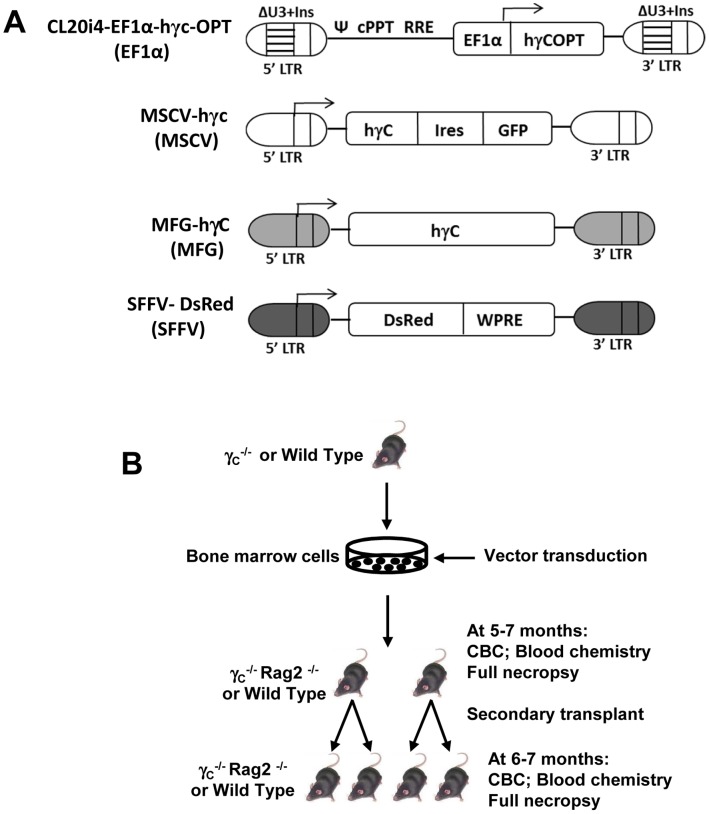
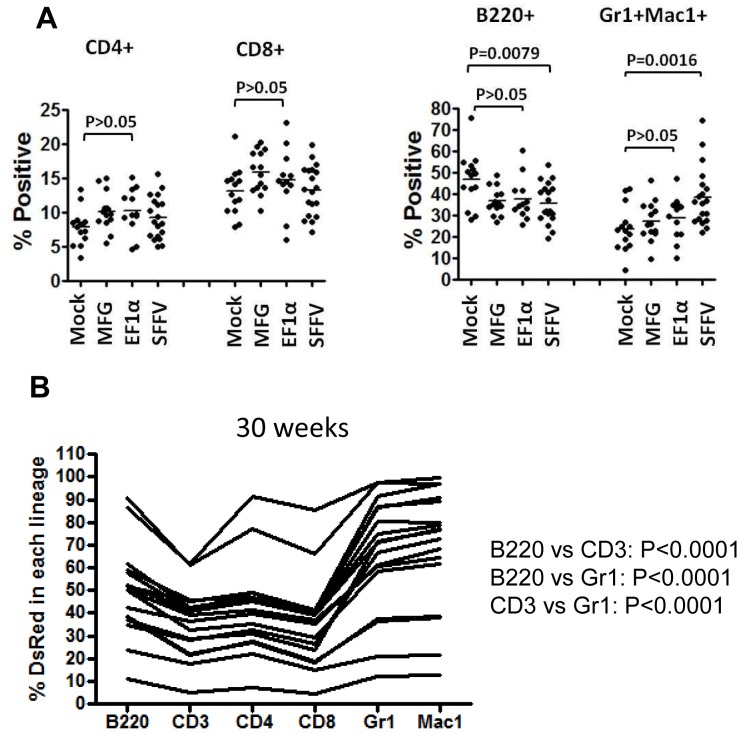
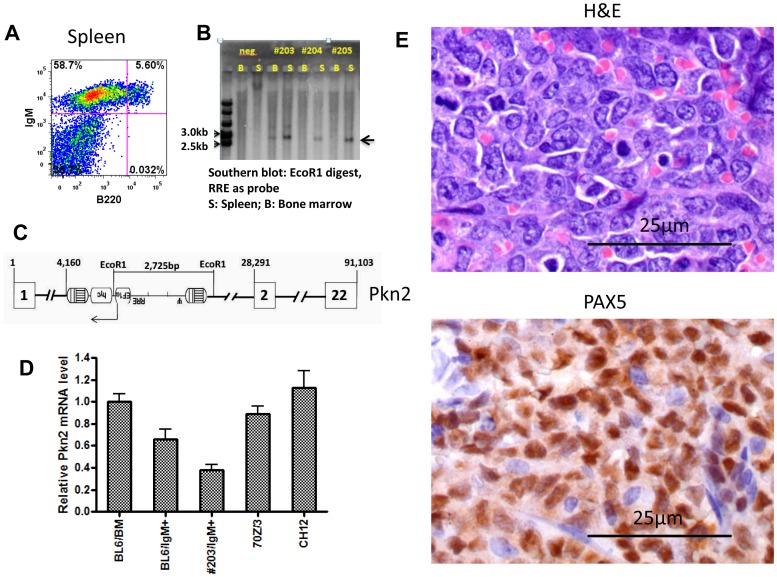
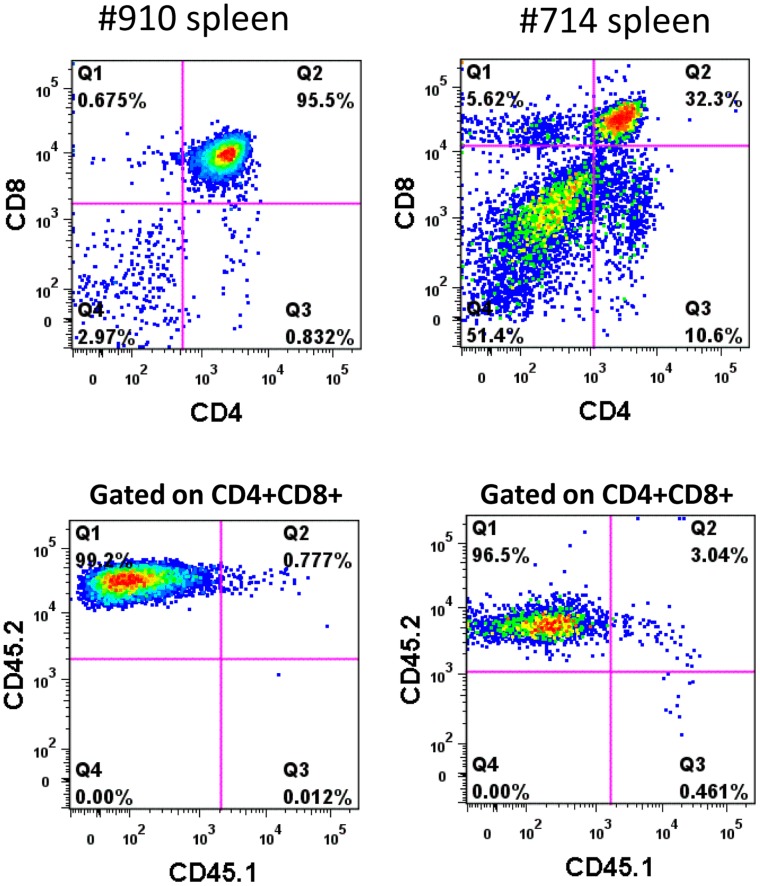
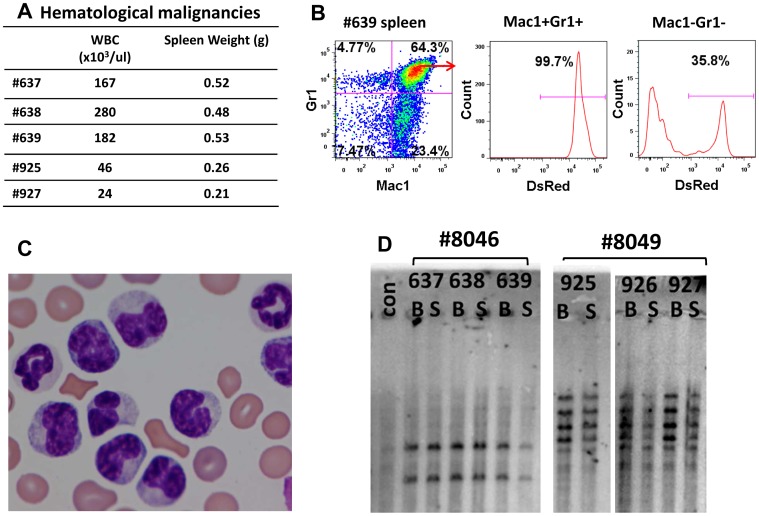
Hematopoietic stem cell gene therapy requires the use of integrating retroviral vectors in order to stably transmit a therapeutic gene to mature blood cells. Human clinical trials have shown that some vector integration events lead to disrupted regulation of proto-oncogenes resulting in disordered hematopoiesis including T-cell leukemia. Newer vectors have been designed to decrease the incidence of these adverse events but require appropriate pre-clinical assays to demonstrate safety. We have used two distinct mouse serial transplant assays to evaluate the safety of a self-inactivating lentiviral vector intended for use in X-linked severe combined immunodeficiency (XSCID) gene therapy trials. These experiments entailed 28 months of total follow-up and included 386 mice. There were no cases in which the XSCID lentiviral vector clearly caused hematopoietic malignancies, although a single case of B cell malignancy was observed that contained the lentiviral vector as a likely passenger event. In contrast, a SFFV-DsRed γ-retroviral vector resulted in clonal transformation events in multiple secondary recipients. Non-specific pathology not related to vector insertions was noted including T cell leukemias arising from irradiated recipient cells. Overall, this comprehensive study of mouse transplant safety assays demonstrate the relative safety of the XSCID lentiviral vector but also highlight the limitations of these assays.
造血干细胞基因治疗需要使用整合型逆转录病毒载体,以便将治疗基因稳定地传递给成熟的血细胞。人类临床试验表明,一些载体整合事件会导致原癌基因的调节紊乱,从而导致造血紊乱,包括 T 细胞白血病。新型载体的设计旨在降低这些不良事件的发生率,但需要适当的临床前检测来证明其安全性。我们使用了两种不同的小鼠连续移植检测方法来评估一种旨在用于 X 连锁严重联合免疫缺陷 (XSCID) 基因治疗试验的自失活慢病毒载体的安全性。这些实验总共进行了 28 个月的随访,包括 386 只小鼠。没有 XSCID 慢病毒载体明显导致造血系统恶性肿瘤的病例,尽管观察到一例 B 细胞恶性肿瘤,其中包含慢病毒载体,可能是乘客事件。相比之下,SFFV-DsRedγ逆转录病毒载体在多个二次受体中导致了克隆转化事件。还注意到与载体插入无关的非特异性病理学,包括来自辐照受体细胞的 T 细胞白血病。总的来说,这项对小鼠移植安全性检测的全面研究表明了 XSCID 慢病毒载体的相对安全性,但也突出了这些检测的局限性。