Key Laboratory of Cognition and Personality, Ministry of Education, School of Psychology, Southwest University, Chongqing, China.
PLoS One. 2013 Apr 30;8(4):e62979. doi: 10.1371/journal.pone.0062979. Print 2013.
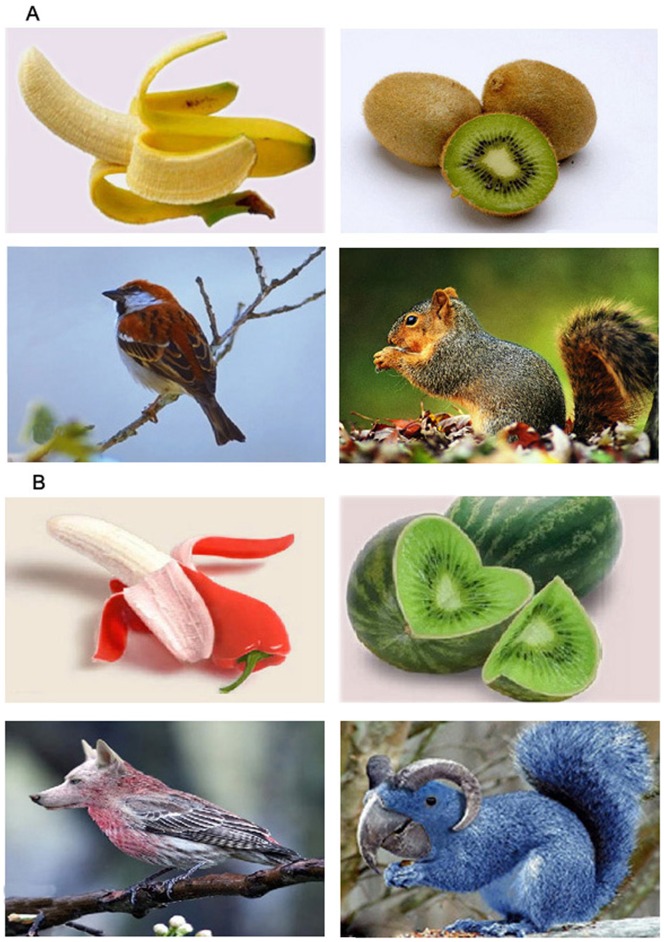
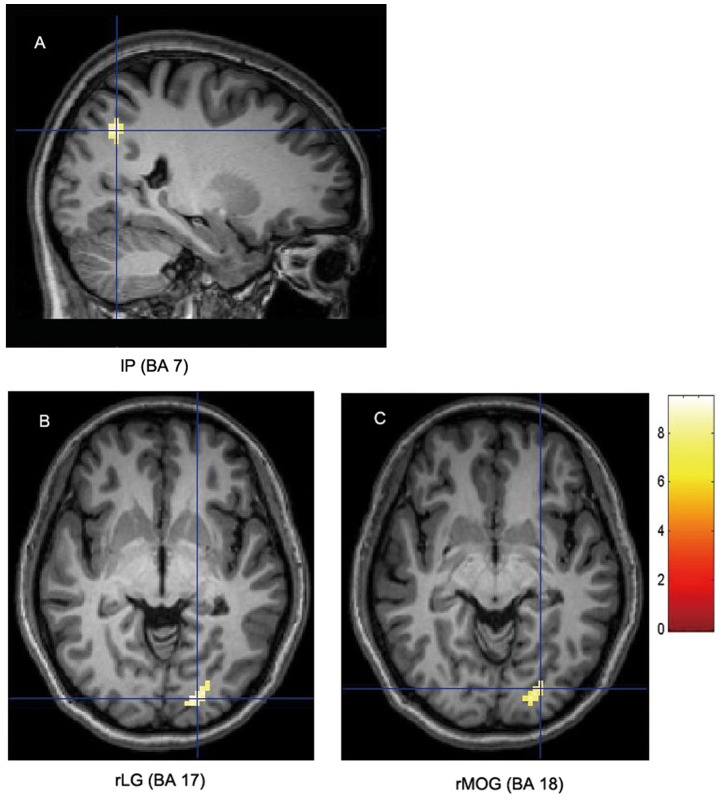
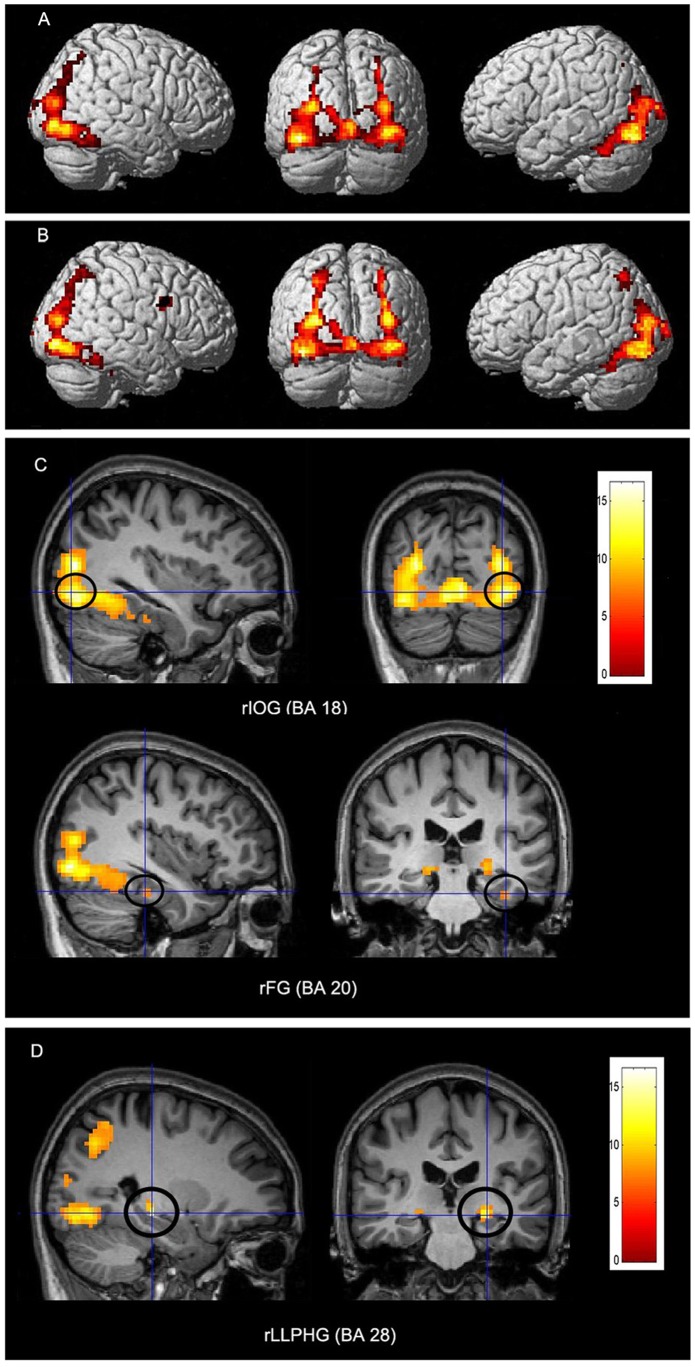
Perception of novel objects is of enormous importance in our lives. People have to perceive or understand novel objects when seeing an original painting, admiring an unconventional construction, and using an inventive device. However, very little is known about neural mechanisms underlying the perception for novel objects. Perception of novel objects relies on the integration of unusual features of novel objects in order to identify what such objects are. In the present study, functional Magnetic Resonance Imaging (MRI) was employed to investigate neural correlates of perception of novel objects. The neuroimaging data on participants engaged in novel object viewing versus ordinary object viewing revealed that perception of novel objects involves significant activation in the left precuneus (Brodmann area 7) and the right visual cortex. The results suggest that the left precuneus is associated with the integration of unusual features of novel objects, while the right visual cortex is sensitive to the detection of such features. Our findings highlight the left precuneus as a crucial component of the neural circuitry underlying perception of novel objects.
对新奇物体的感知在我们的生活中至关重要。当人们看到一幅原创画作、欣赏非传统建筑或使用创新设备时,他们必须感知或理解新奇物体。然而,人们对新奇物体感知的神经机制知之甚少。对新奇物体的感知依赖于新奇物体不寻常特征的整合,以便识别这些物体是什么。在本研究中,采用功能磁共振成像(fMRI)来研究新奇物体感知的神经关联。对参与新奇物体观察与普通物体观察的参与者的神经影像学数据显示,新奇物体的感知涉及左楔前叶(Brodmann 区域 7)和右视觉皮层的显著激活。结果表明,左楔前叶与新奇物体不寻常特征的整合有关,而右视觉皮层对这些特征的检测敏感。我们的发现强调了左楔前叶作为新奇物体感知神经回路的关键组成部分。