Department of Experimental Oncology, Fondazione IRCCS Istituto Nazionale Tumori, Via Amadeo 42, 20133, Milan, Italy.
DNA Repair (Amst). 2013 Aug;12(8):605-11. doi: 10.1016/j.dnarep.2013.04.013. Epub 2013 May 23.
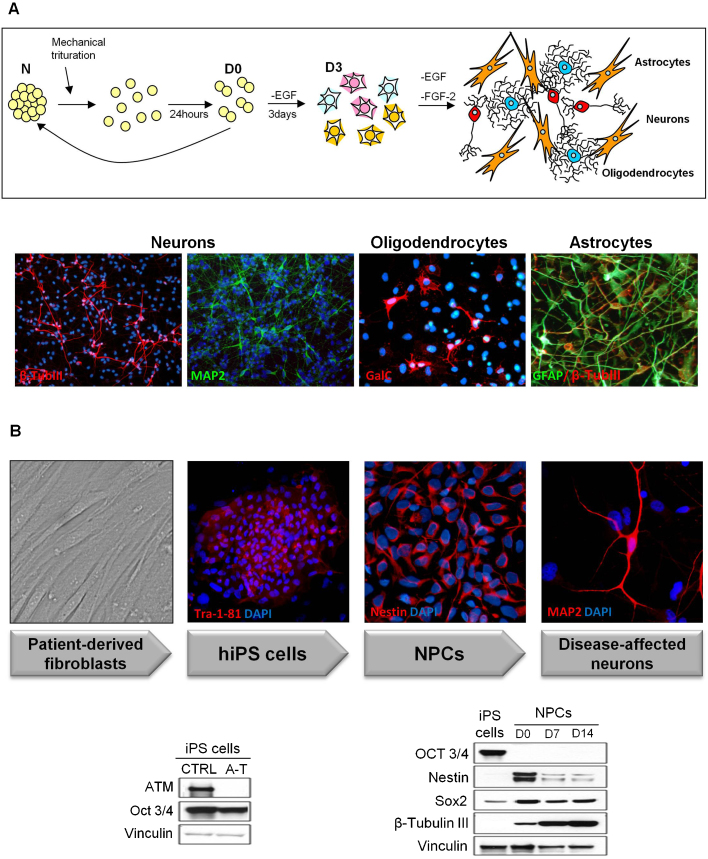
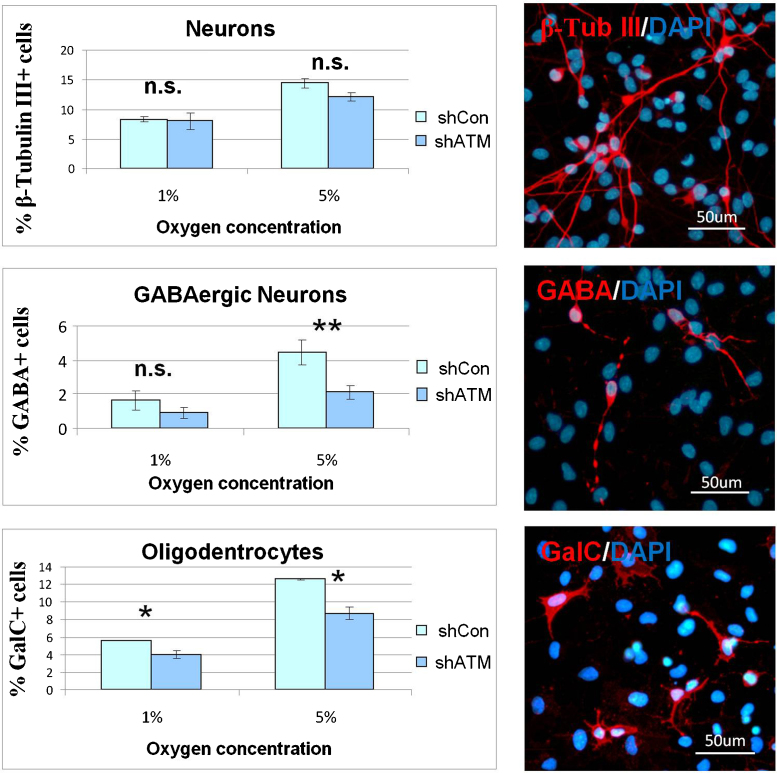
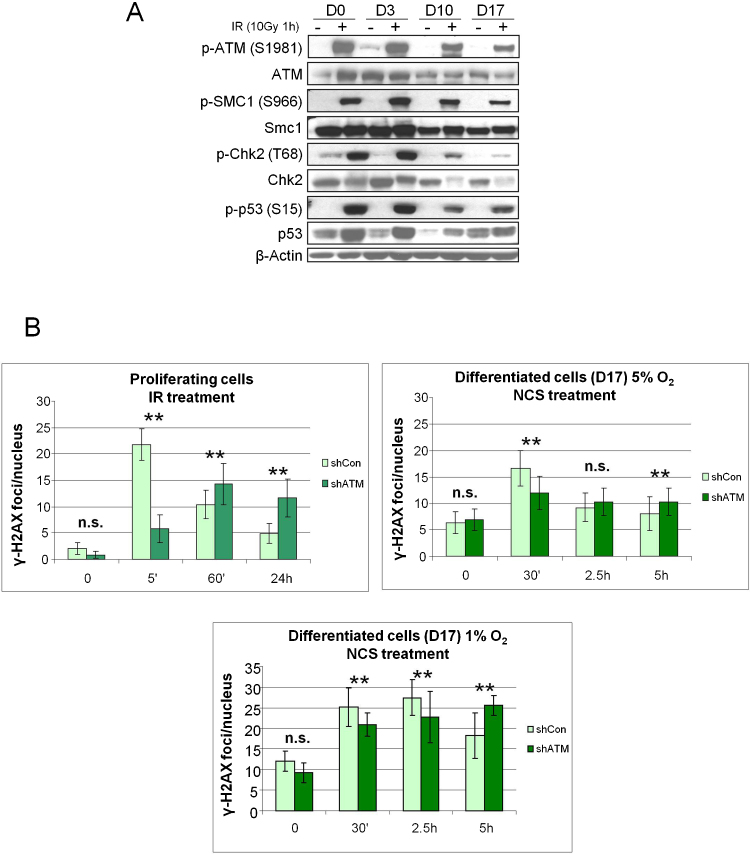
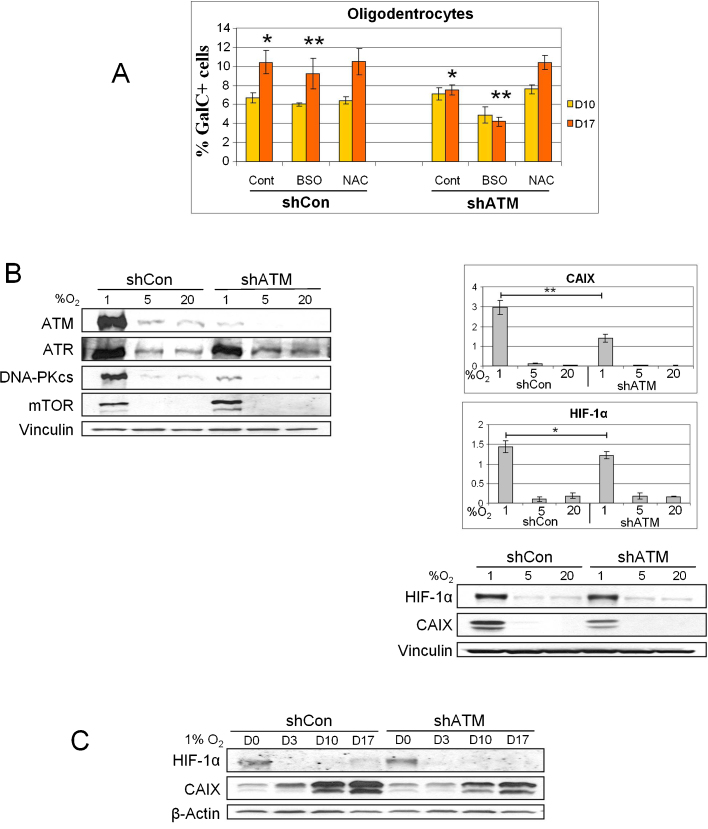
Loss of ATM kinase, a transducer of the DNA damage response and redox sensor, causes the neurodegenerative disorder ataxia-telangiectasia (A-T). While a great deal of progress has been made in elucidating the ATM-dependent DNA damage response (DDR) network, a key challenge remains in understanding the selective susceptibility of the nervous system to faulty DDR. Several factors appear implicated in the neurodegenerative phenotype in A-T, but which of them plays a crucial role remains unclear, especially since mouse models of A-T do not fully mirror the respective human syndrome. Therefore, a number of human neural stem cell (hNSC) systems have been developed to get an insight into the molecular mechanisms of neurodegeneration as consequence of ATM inactivation. Here we review the hNSC systems developed by us an others to model A-T.
ATM 激酶的缺失会导致神经退行性疾病共济失调毛细血管扩张症(A-T),该激酶是 DNA 损伤反应和氧化还原传感器的转导物。尽管在阐明 ATM 依赖性 DNA 损伤反应(DDR)网络方面已经取得了很大进展,但理解神经系统对错误的 DDR 具有选择性易感性仍然是一个关键挑战。有几个因素似乎与 A-T 的神经退行性表型有关,但其中哪些因素起着关键作用尚不清楚,特别是因为 A-T 的小鼠模型并不能完全反映出各自的人类综合征。因此,已经开发了许多人类神经干细胞(hNSC)系统来深入了解 ATM 失活导致的神经退行性变的分子机制。在这里,我们综述了我们和其他人开发的用于模拟 A-T 的 hNSC 系统。