Physiology, Biophysics and Neurosciences Department, Center for Research and Advanced Studies, National Polytechnic Institute, Avenida Instituto Politécnico Nacional 2508, Colonia San Pedro Zacatenco, 07360 Mexico, DF, Mexico.
Biomed Res Int. 2013;2013:730789. doi: 10.1155/2013/730789. Epub 2013 Apr 22.
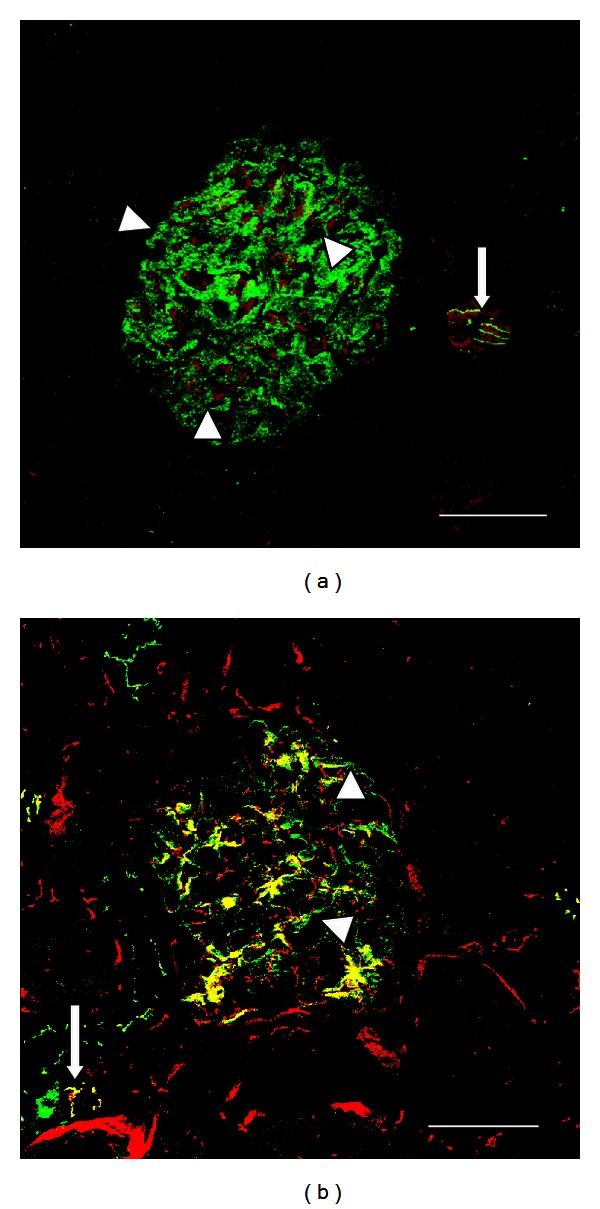
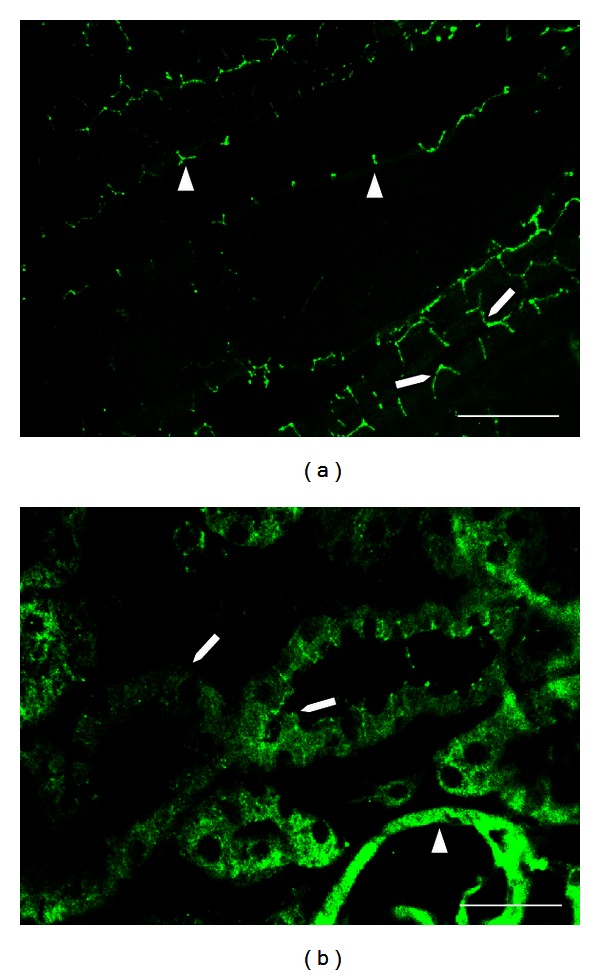
Kidney is a target organ for heavy metals. They accumulate in several segments of the nephron and cause profound alterations in morphology and function. Acute intoxication frequently causes acute renal failure. The effects of chronic exposure have not been fully disclosed. In recent years increasing awareness of the consequences of their presence in the kidney has evolved. In this review we focus on the alterations induced by heavy metals on the intercellular junctions of the kidney. We describe that in addition to the proximal tubule, which has been recognized as the main site of accumulation and injury, other segments of the nephron, such as glomeruli, vessels, and distal nephron, show also deleterious effects. We also emphasize the participation of oxidative stress as a relevant component of the renal damage induced by heavy metals and the beneficial effect that some antioxidant drugs, such as vitamin A (all-trans-retinoic acid) and vitamin E ( α -tocopherol), depict on the morphological and functional alterations induced by heavy metals.
肾脏是重金属的靶器官。它们在肾单位的几个部分积累,并导致形态和功能的深刻改变。急性中毒常导致急性肾衰竭。慢性暴露的影响尚未完全揭示。近年来,人们越来越意识到它们在肾脏中的存在所带来的后果。在这篇综述中,我们重点关注重金属对肾脏细胞间连接的诱导改变。我们描述了除了近端小管,它已被认为是主要的积累和损伤部位,肾单位的其他部分,如肾小球、血管和远端肾单位,也表现出有害的影响。我们还强调了氧化应激作为重金属诱导肾损伤的一个相关组成部分的作用,以及一些抗氧化药物,如维生素 A(全反式视黄酸)和维生素 E(α-生育酚),对重金属诱导的形态和功能改变的有益作用。