Department of Pharmacology and Toxicology, University of Alabama at Birmingham, Birmingham, AL, USA.
BMC Cancer. 2013 May 28;13:261. doi: 10.1186/1471-2407-13-261.
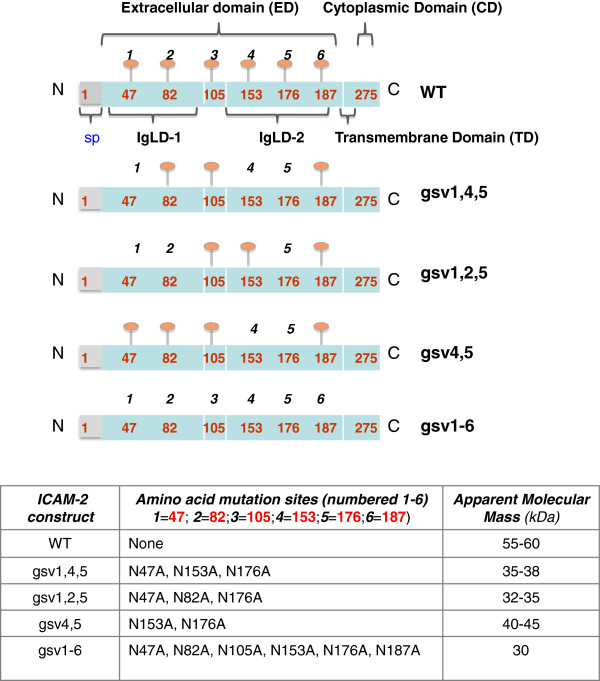
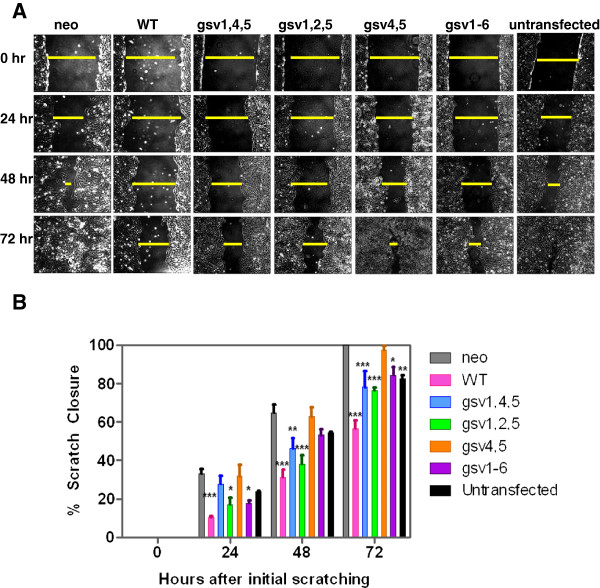
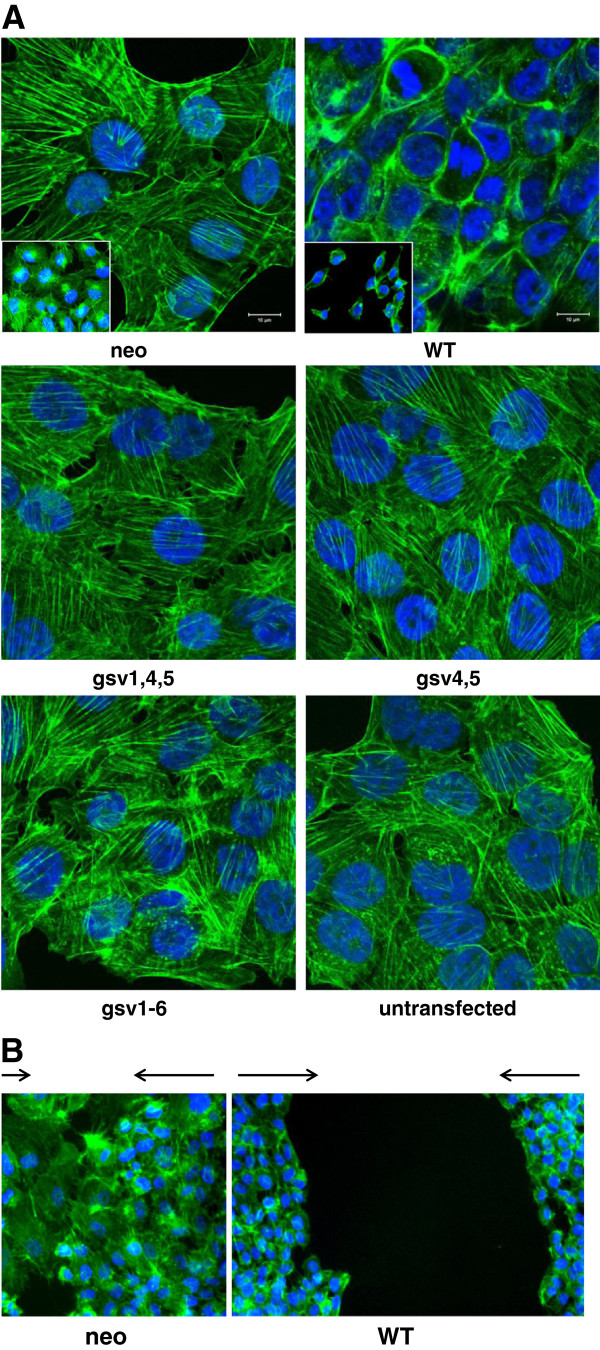
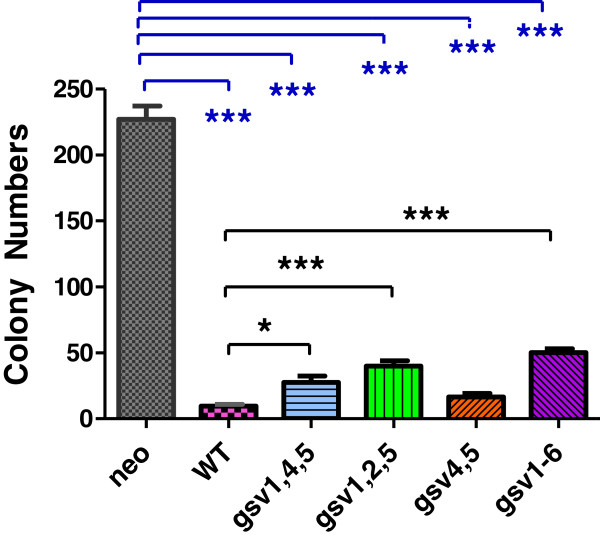
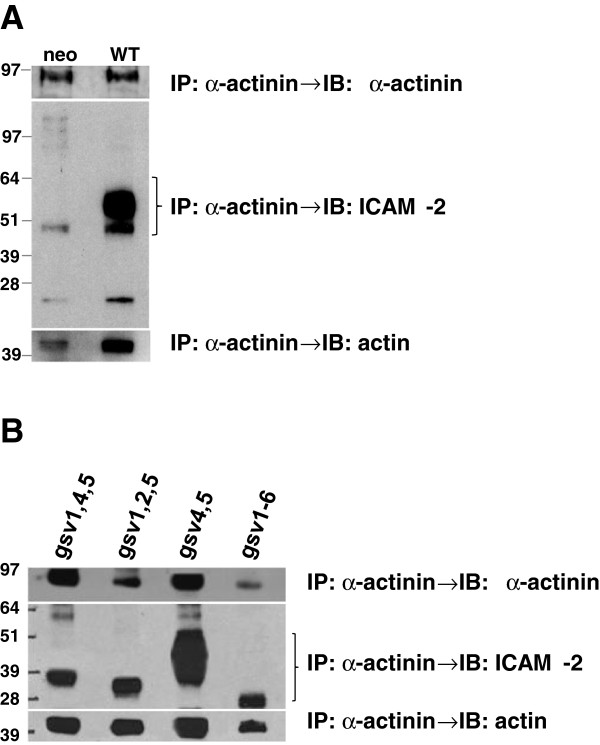
Cell adhesion molecules (CAMs) are expressed ubiquitously. Each of the four families of CAMs is comprised of glycosylated, membrane-bound proteins that participate in multiple cellular processes including cell-cell communication, cell motility, inside-out and outside-in signaling, tumorigenesis, angiogenesis and metastasis. Intercellular adhesion molecule-2 (ICAM-2), a member of the immunoglobulin superfamily of CAMs, has six N-linked glycosylation sites at amino acids (asparagines) 47, 82, 105, 153, 178 and 187. Recently, we demonstrated a previously unknown function for ICAM-2 in tumor cells. We showed that ICAM-2 suppressed neuroblastoma cell motility and growth in soft agar, and induced a juxtamembrane distribution of F-actin in vitro. We also showed that ICAM-2 completely suppressed development of disseminated tumors in vivo in a murine model of metastatic NB. These effects of ICAM-2 on NB cell phenotype in vitro and in vivo depended on the interaction of ICAM-2 with the cytoskeletal linker protein α-actinin. Interestingly, ICAM-2 did not suppress subcutaneous growth of tumors in mice, suggesting that ICAM-2 affects the metastatic but not the tumorigenic potential of NB cells. The goal of the study presented here was to determine if the glycosylation status of ICAM-2 influenced its function in neuroblastoma cells.
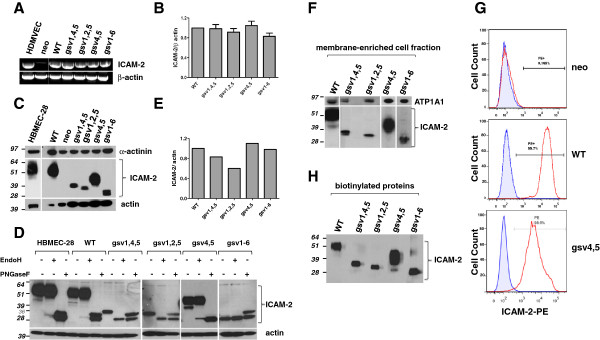
Because it is well documented that glycosylation facilitates essential steps in tumor progression and metastasis, we investigated whether the glycosylation status of ICAM-2 affected the phenotype of NB cells. We used site-directed mutagenesis to express hypo- or non-glycosylated variants of ICAM-2, by substituting alanine for asparagine at glycosylation sites, and compared the impact of each variant on NB cell motility, anchorage-independent growth, interaction with intracellular proteins, effect on F-actin distribution and metastatic potential in vivo.
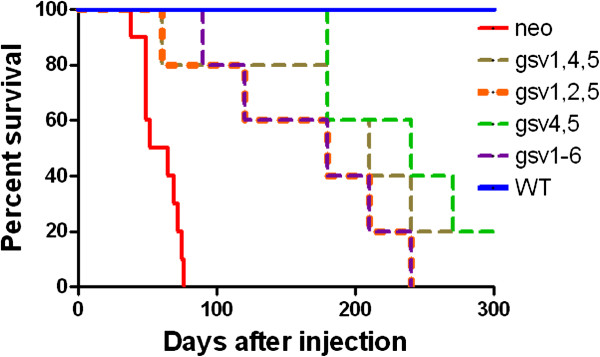
The in vitro and in vivo phenotypes of cells expressing glycosylation site variants differed from cells expressing fully-glycosylated ICAM-2 or no ICAM-2. Most striking was the finding that mice injected intravenously with NB cells expressing glycosylation site variants survived longer (P ≤ 0.002) than mice receiving SK-N-AS cells with undetectable ICAM-2. However, unlike fully-glycosylated ICAM-2, glycosylation site variants did not completely suppress disseminated tumor development.
Reduced glycosylation of ICAM-2 significantly attenuated, but did not abolish, its ability to suppress metastatic properties of NB cells.
细胞黏附分子(CAMs)广泛表达。CAMs 的四个家族中的每一个都由糖基化的膜结合蛋白组成,参与多种细胞过程,包括细胞间通讯、细胞迁移、内外信号转导、肿瘤发生、血管生成和转移。细胞间黏附分子-2(ICAM-2)是免疫球蛋白超家族 CAMs 的成员,在氨基酸(天冬酰胺)47、82、105、153、178 和 187 处有六个 N-连接糖基化位点。最近,我们证明了 ICAM-2 在肿瘤细胞中具有以前未知的功能。我们表明,ICAM-2 抑制神经母细胞瘤细胞在软琼脂中的迁移和生长,并在体外诱导 F-肌动蛋白的质膜分布。我们还表明,ICAM-2 完全抑制了体内转移性 NB 小鼠模型中播散性肿瘤的发展。ICAM-2 对 NB 细胞表型的这些体外和体内影响取决于 ICAM-2 与细胞骨架连接蛋白α-辅肌动蛋白的相互作用。有趣的是,ICAM-2 并没有抑制小鼠肿瘤的皮下生长,这表明 ICAM-2 影响神经母细胞瘤细胞的转移而不是肿瘤形成潜能。本研究的目的是确定 ICAM-2 的糖基化状态是否影响其在神经母细胞瘤细胞中的功能。
由于有充分的文献证明糖基化促进了肿瘤进展和转移的关键步骤,我们研究了 ICAM-2 的糖基化状态是否影响 NB 细胞的表型。我们使用定点突变来表达 ICAM-2 的低聚糖或非糖基化变体,通过将天冬酰胺突变为丙氨酸来取代糖基化位点,并比较每种变体对 NB 细胞迁移、锚定非依赖性生长、与细胞内蛋白相互作用、对 F-肌动蛋白分布的影响以及体内转移潜能的影响。
表达糖基化位点变体的细胞的体外和体内表型与表达完全糖基化的 ICAM-2 或无 ICAM-2 的细胞不同。最引人注目的发现是,静脉内注射表达糖基化位点变体的 NB 细胞的小鼠比接受 SK-N-AS 细胞的小鼠存活时间更长(P≤0.002),而 SK-N-AS 细胞检测不到 ICAM-2。然而,与完全糖基化的 ICAM-2 不同,糖基化位点变体并不能完全抑制播散性肿瘤的发展。
ICAM-2 的糖基化程度降低显著减弱,但没有完全消除其抑制 NB 细胞转移特性的能力。