Department of Biological and Environmental Science, University of Jyväskylä P.O. Box 35, FI-40014, Jyväskylä, Finland.
Ecol Evol. 2013 Jun;3(6):1507-17. doi: 10.1002/ece3.568. Epub 2013 Apr 17.
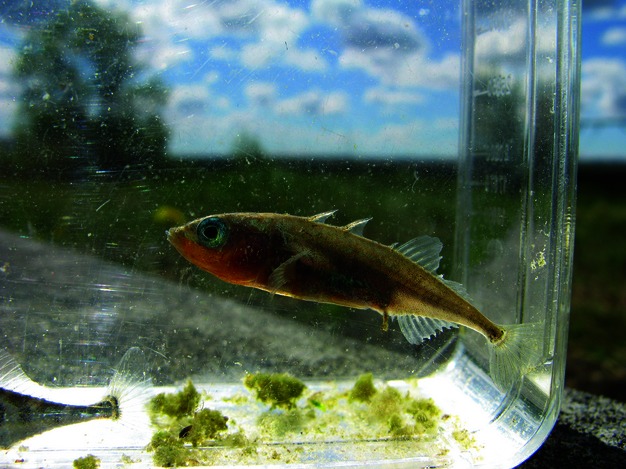
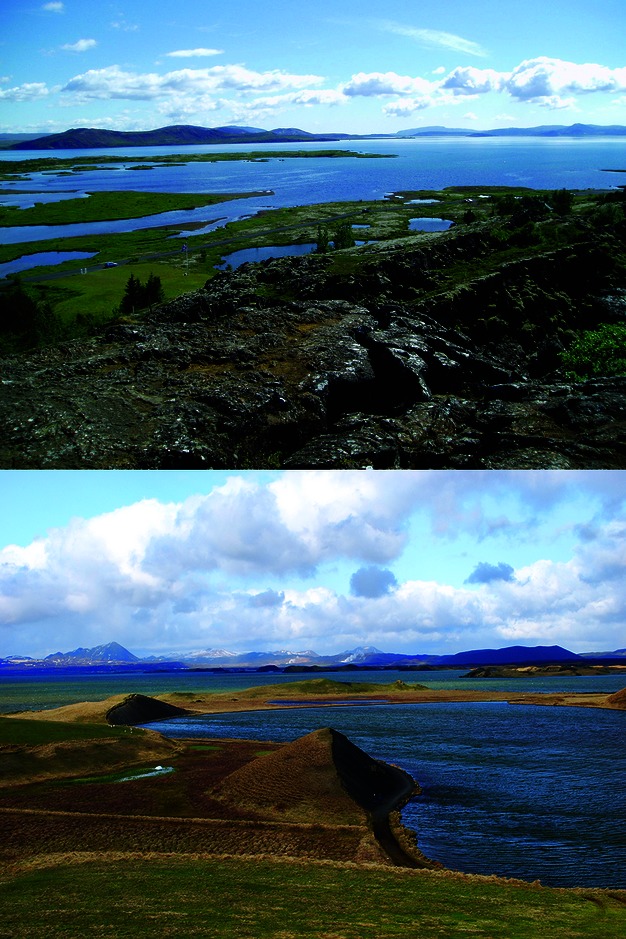
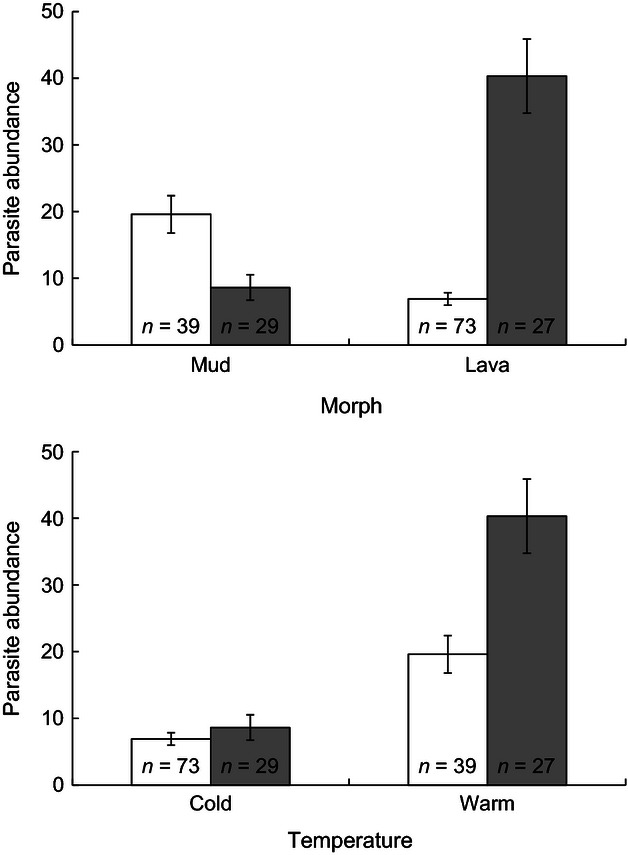
Parasite communities of fishes are known to respond directly to the abiotic environment of the host, for example, to water quality and water temperature. Biotic factors are also important as they affect the exposure profile through heterogeneities in parasite distribution in the environment. Parasites in a particular environment may pose a strong selection on fish. For example, ecological differences in selection by parasites have been hypothesized to facilitate evolutionary differentiation of freshwater fish morphs specializing on different food types. However, as parasites may also respond directly to abiotic environment the parasite risk does not depend only on biotic features of the host environment. It is possible that different morphs experience specific selection gradients by parasites but it is not clear how consistent the selection is when abiotic factors change. We examined parasite pressure in sympatric morphs of threespine stickleback (Gasterosteus aculeatus) across a temperature gradient in two large Icelandic lakes, Myvatn and Thingvallavatn. Habitat-specific temperature gradients in these lakes are opposite. Myvatn lava rock morph lives in a warm environment, while the mud morph lives in the cold. In Thingvallavatn, the lava rock morph lives in a cold environment and the mud morph in a warm habitat. We found more parasites in fish living in higher temperature in both lakes, independent of the fish morph, and this pattern was similar for the two dominating parasite taxa, trematodes and cestodes. However, at the same time, we also found higher parasite abundance in a third morph living in deep cold-water habitat in Thingvallavatn compared to the cold-water lava morph, indicating strong effect of habitat-specific biotic factors. Our results suggest complex interactions between water temperature and biotic factors in determining the parasite community structure, a pattern that may have implications for differentiation of stickleback morphs.
鱼类寄生虫群落已知会直接对宿主的非生物环境做出反应,例如对水质和水温。生物因素也很重要,因为它们通过寄生虫在环境中的分布异质性影响暴露情况。特定环境中的寄生虫可能对鱼类构成强烈选择。例如,寄生虫的生态差异选择被假设为促进专门以不同食物类型为食的淡水鱼类形态的进化分化。然而,由于寄生虫也可能直接对非生物环境做出反应,因此寄生虫风险不仅取决于宿主环境的生物特征。不同形态可能会受到寄生虫的特定选择梯度的影响,但当环境发生变化时,这种选择是否一致尚不清楚。我们在冰岛的两个大湖 Myvatn 和 Thingvallavatn 中,在温度梯度上检查了三刺鱼(Gasterosteus aculeatus)共生形态的寄生虫压力。这些湖中特定栖息地的温度梯度相反。Myvatn 的熔岩岩形态生活在温暖的环境中,而泥形态生活在寒冷的环境中。在 Thingvallavatn,熔岩岩形态生活在寒冷的环境中,泥形态生活在温暖的栖息地。我们发现,无论是哪种鱼类形态,在两个湖中生活在较高温度下的鱼类寄生虫更多,而这种模式对于两种主要寄生虫类群(吸虫和绦虫)是相似的。然而,与此同时,我们还发现生活在 Thingvallavatn 深冷水生境中的第三种形态的寄生虫丰度更高,与冷水熔岩形态相比,这表明特定栖息地的生物因素具有强烈的影响。我们的研究结果表明,在确定寄生虫群落结构方面,水温与生物因素之间存在复杂的相互作用,这种模式可能对棘鱼形态的分化产生影响。