Gumaste Suhas G, Pawlak Sara A, Dalrymple Damon M, Nider Charles J, Trombetta Louis D, Serajuddin Abu T M
Department of Pharmaceutical Sciences, College of Pharmacy and Health Sciences, St. John's University, 8000 Utopia Parkway, Queens, New York, 11439, USA.
Pharm Res. 2013 Jun 26;30(12):3170-85. doi: 10.1007/s11095-013-1114-4.
To compare six commonly available silicates for their suitability to develop tablets by adsorbing components of liquid lipid-based drug delivery systems.
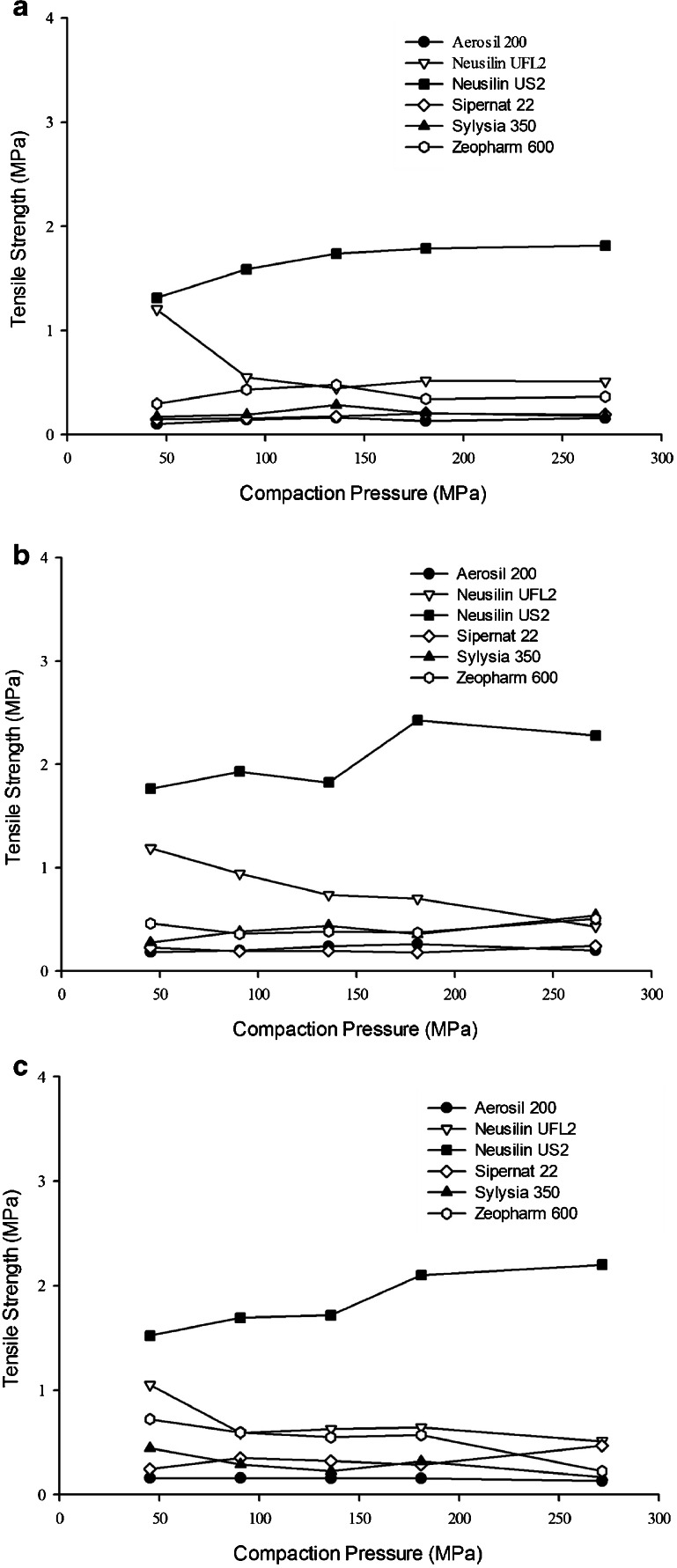
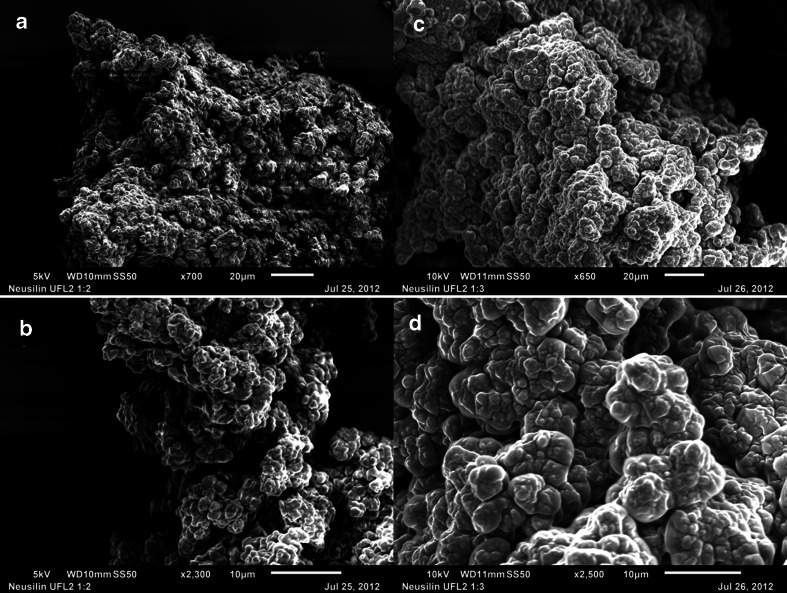
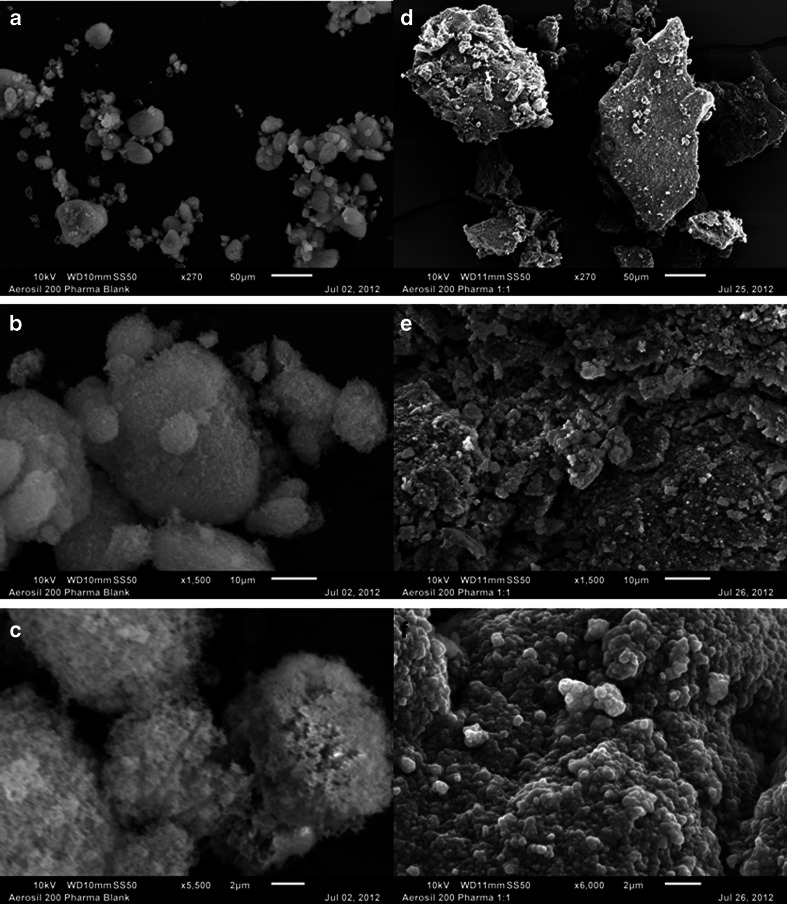
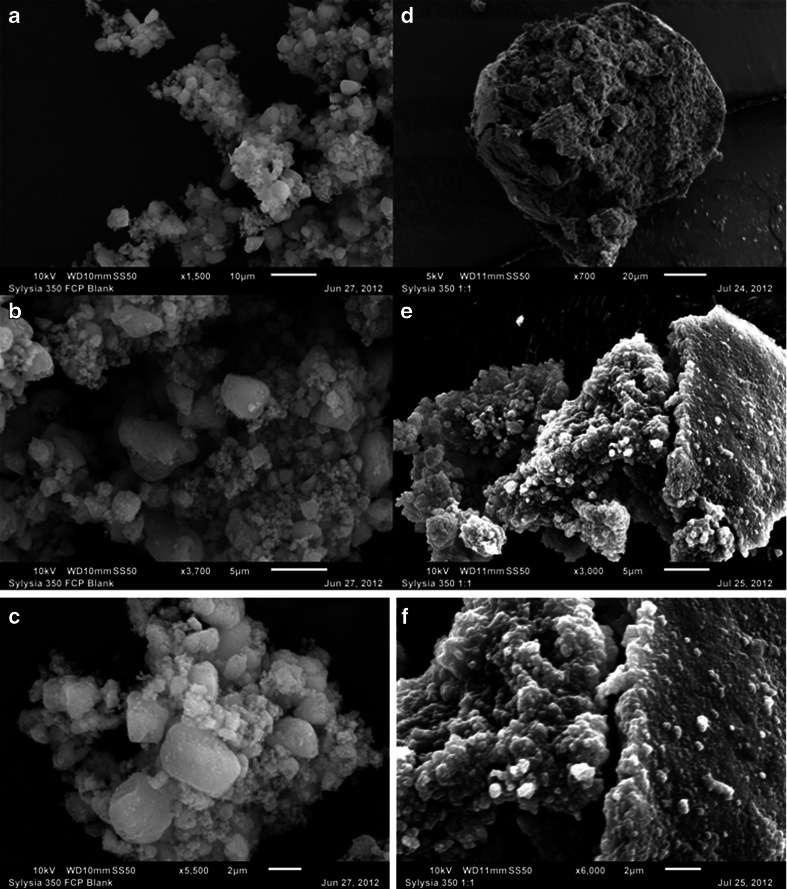
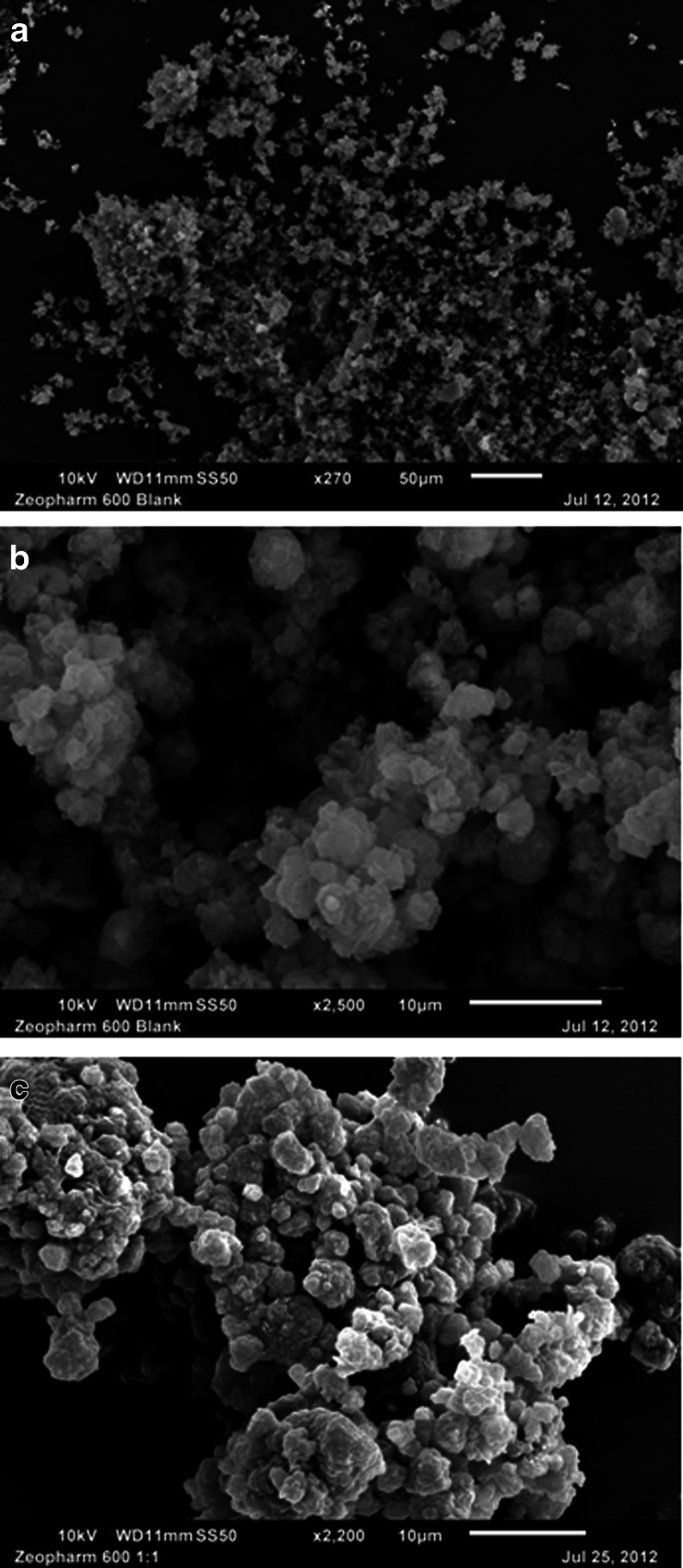
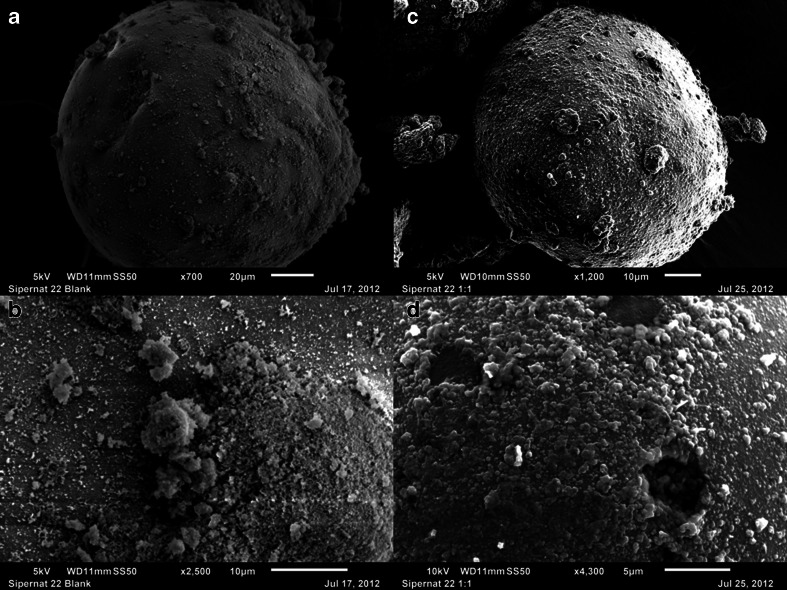
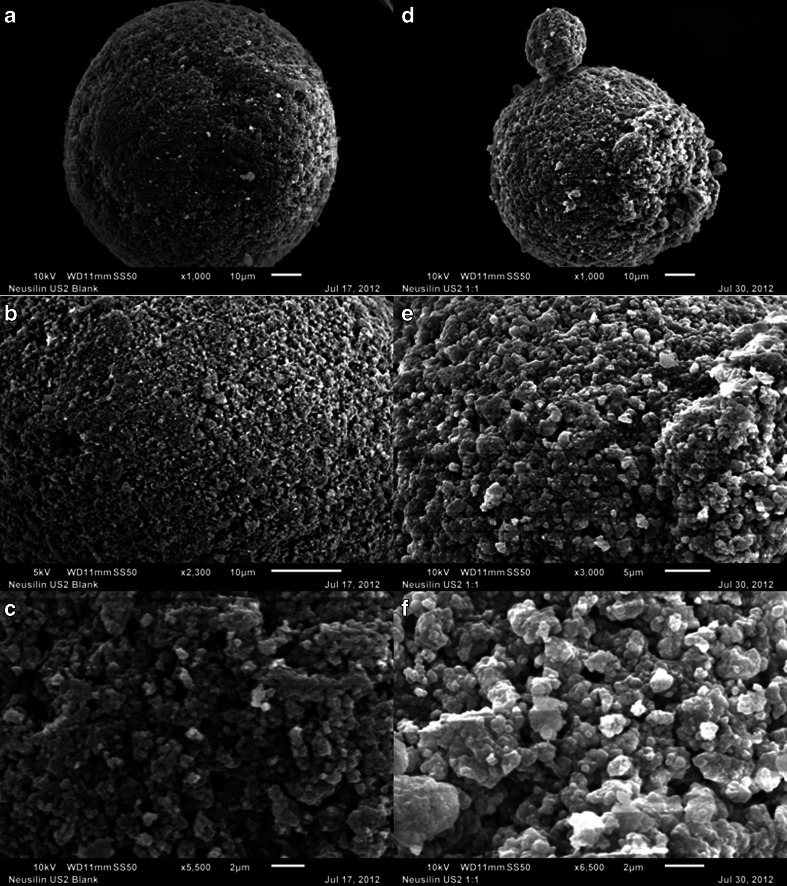
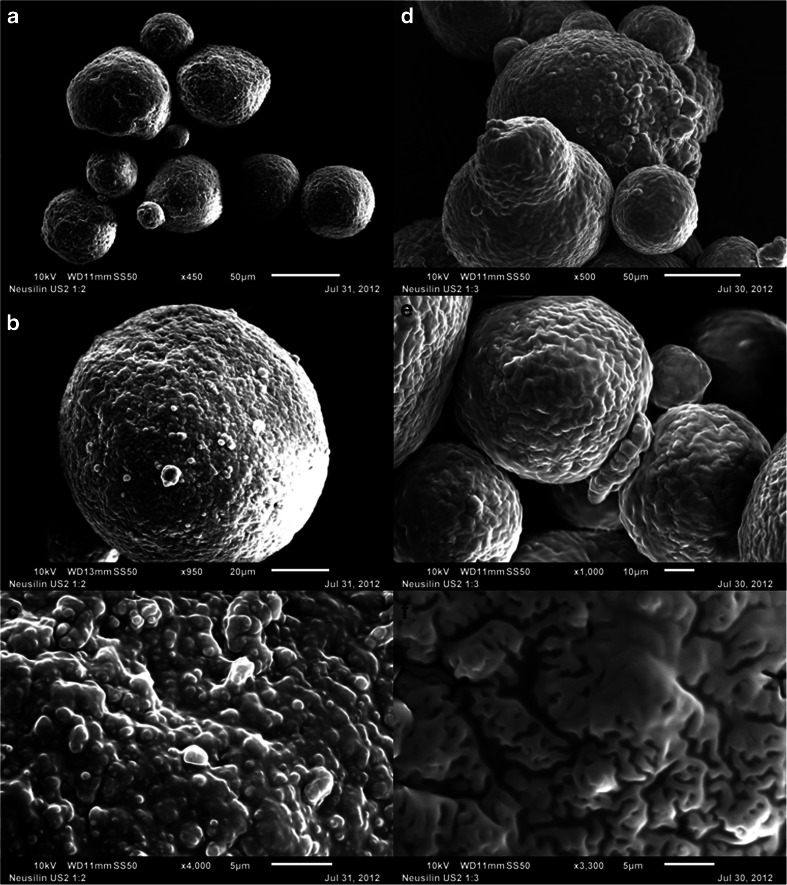
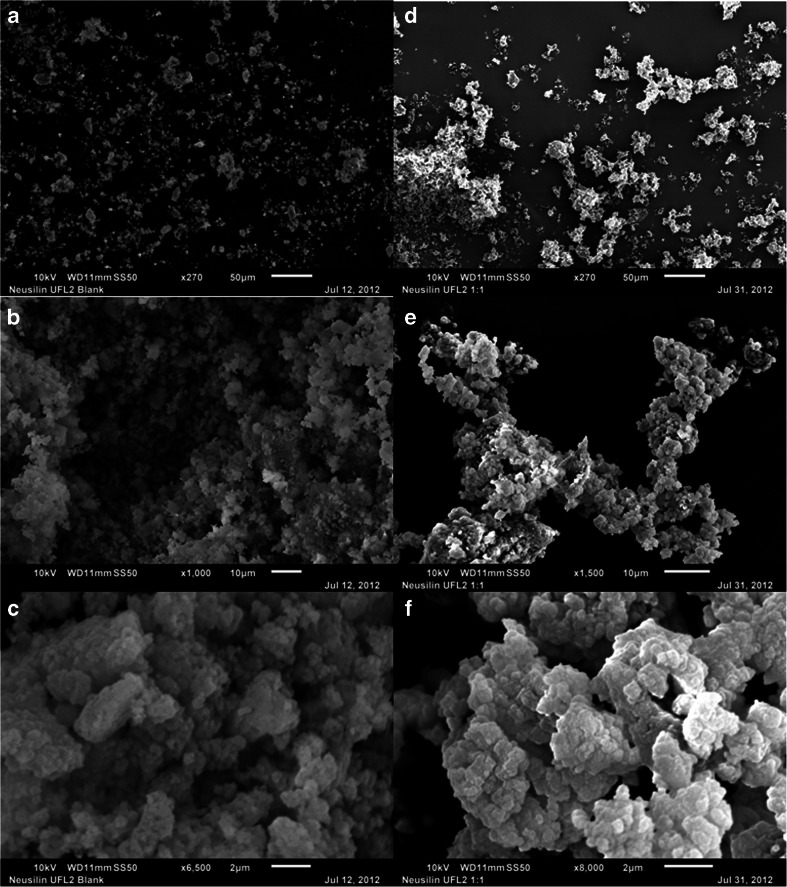
The tabletability of Aerosil® 200, Sipernat® 22, Sylysia® 350, Zeopharm® 600, Neusilin® US2 and Neusilin® UFL2 were studied by compressing each silicate into tablets in the presence of 20% microcrystalline cellulose and measuring the tensile strength of tablets produced. Three components of lipid based formulations, namely, Capmul® MCM EP (glycerol monocaprylocaprate), Captex® 355 EP/NF (caprylic/capric triglycerides) and Cremophor® EL (PEG-35 castor oil), were adsorbed individually onto the silicates at 1:1 w/w, and the mixtures were then compressed into tablets. The SEM photomicrographs of neat silicates and their 1:1 w/w mixtures (also 1:2 and 1:3 for Neusilin® US2 and Neusilin® UFL2) with one of the liquids (Cremophor® EL) were recorded.
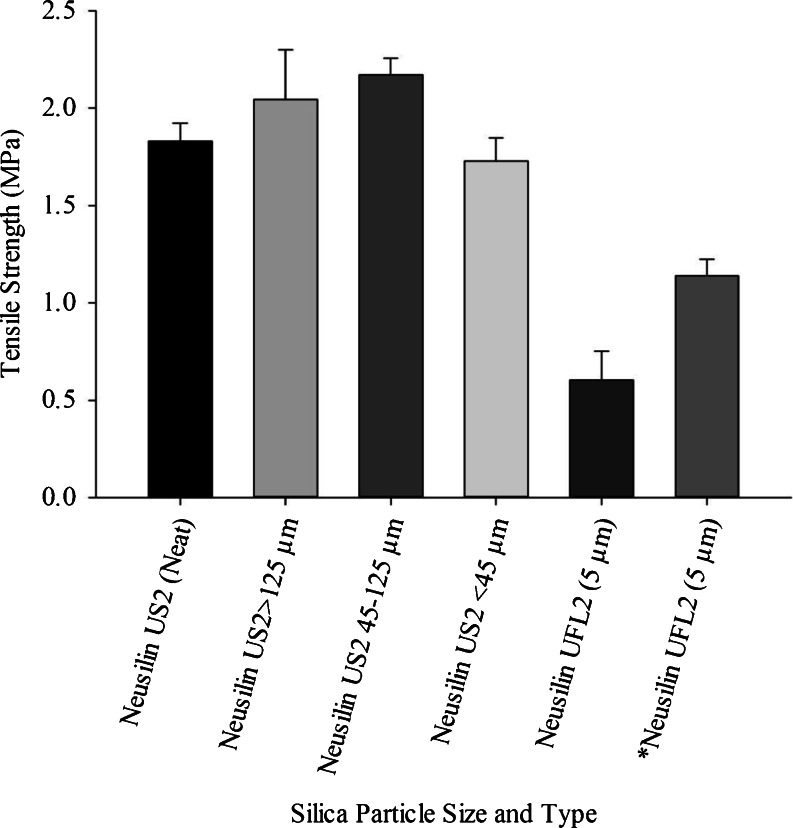
Neat Aerosil® 200, Sipernat® 22 and Sylysia® 350 were non-tabletable to the minimum acceptable tensile strength of 1 MPa, and they were also non-tabletable in presence of liquid. While Zeopharm® 600, Neusilin® US2 and Neusilin® UFL2 were tabletable without the addition of liquids, only Neusilin® US2 retained acceptable tabletability with 1:1 liquid. The SEM images of silicate-liquid mixtures indicated that, except for Neusilin® US2, much of the adsorbed liquid distributed primarily at the surface of particles rather than inside pores, which hindered their compaction into tablets.
Among the six silicates studied, Neusilin® US2 was the only silicate able to produce tablets with acceptable tensile strength in presence of a lipid component at 1:1 w/w ratio due to the fact that the liquid was mostly adsorbed into the pores of the silicate rather than at the surface.
比较六种常用的硅酸盐通过吸附基于脂质的液体药物递送系统的成分来制备片剂的适用性。
通过在20%微晶纤维素存在的情况下将每种硅酸盐压制成片剂,并测量所制片剂的抗张强度,研究了气相二氧化硅200、硅铝酸钠22、硅铝酸镁350、沸石600、纽西莱US2和纽西莱UFL2的可压性。将脂质基制剂的三种成分,即辛酸癸酸甘油酯、辛酸/癸酸甘油三酯和聚乙二醇蓖麻油,以1:1(重量/重量)的比例分别吸附到硅酸盐上,然后将混合物压制成片剂。记录了纯硅酸盐及其与一种液体(聚乙二醇蓖麻油)以1:1(重量/重量)混合(纽西莱US2和纽西莱UFL2也包括1:2和1:3)的扫描电子显微镜照片。
纯气相二氧化硅200、硅铝酸钠22和硅铝酸镁350无法压制出最低可接受抗张强度为1 MPa的片剂,并且在有液体存在时也无法压制。虽然沸石600、纽西莱US2和纽西莱UFL2在不添加液体的情况下可压制成片,但只有纽西莱US2在与1:1液体混合时仍保持可接受的可压性。硅酸盐 - 液体混合物的扫描电子显微镜图像表明,除了纽西莱US2外,大部分吸附的液体主要分布在颗粒表面而非孔内,这阻碍了它们压制成片。
在所研究的六种硅酸盐中,纽西莱US2是唯一一种在与脂质成分以1:1(重量/重量)比例存在时能够制备出具有可接受抗张强度片剂的硅酸盐,原因是液体大多吸附到硅酸盐的孔中而非表面。