Medical Oncology Department of Jinling Hospital, Medical school of Nanjing University, Nanjing, People's Republic of China.
PLoS One. 2013 Jun 14;8(6):e65757. doi: 10.1371/journal.pone.0065757. Print 2013.
Cytokine-induced killer cells (CIK cells) are a heterogeneous subset of ex-vivo expanded T lymphocytes which are characterized with a MHC-unrestricted tumor-killing activity and a mixed T-NK phenotype. Adoptive CIK cells transfer, one of the adoptive immunotherapy represents a promising nontoxic anticancer therapy. However, in clinical studies, the therapeutic activity of adoptive CIK cells transfer is not as efficient as anticipated. Possible explanations are that abnormal tumor vasculature and hypoxic tumor microenvironment could impede the infiltration and efficacy of lymphocytes. We hypothesized that antiangiogenesis therapy could improve the antitumor activity of CIK cells by normalizing tumor vasculature and modulating hypoxic tumor microenvironment.
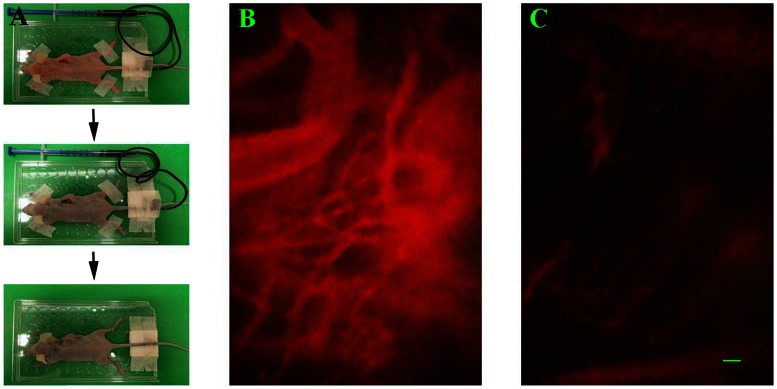
We combined recombinant human endostatin (rh-endostatin) and CIK cells in the treatment of lung carcinoma murine models. Intravital microscopy, dynamic contrast enhanced magnetic resonance imaging, immunohistochemistry, and flow cytometry were used to investigate the tumor vasculature and hypoxic microenvironment as well as the infiltration of immune cells.
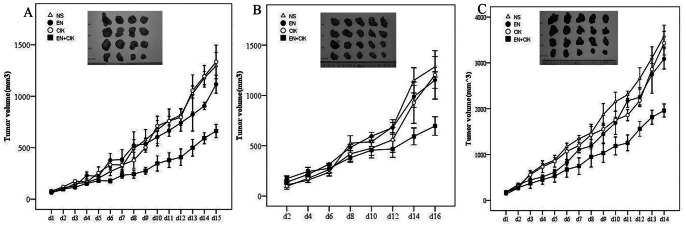
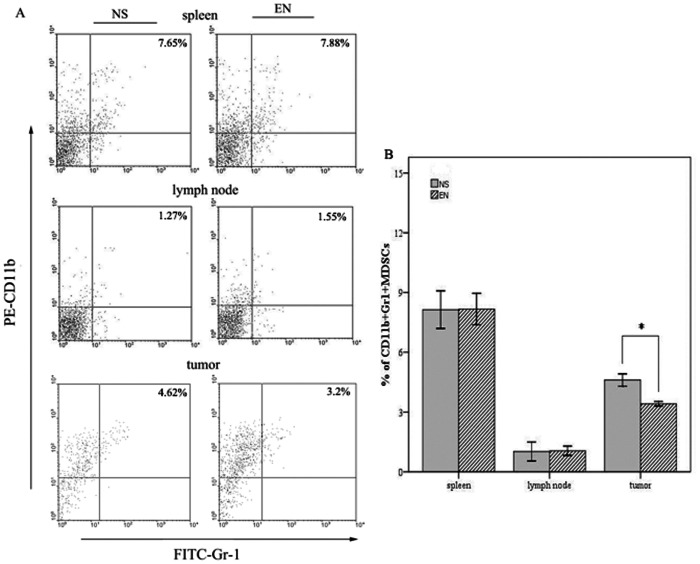
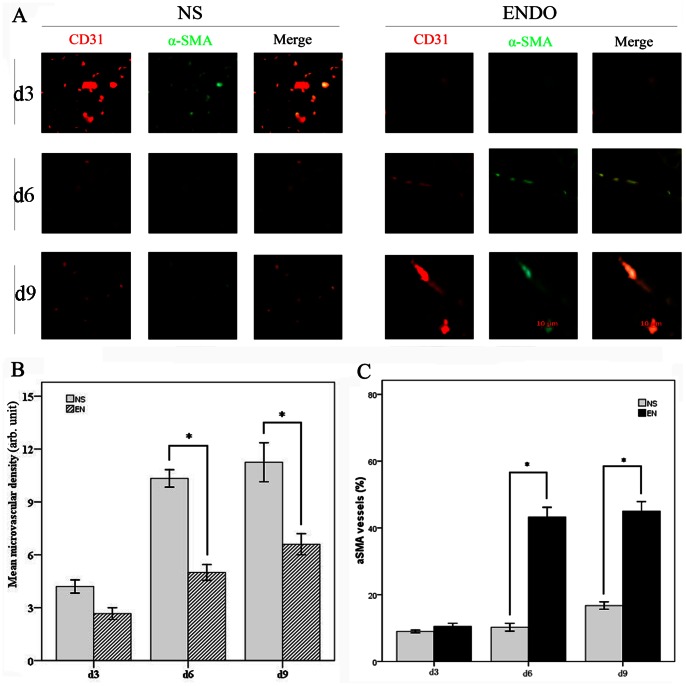
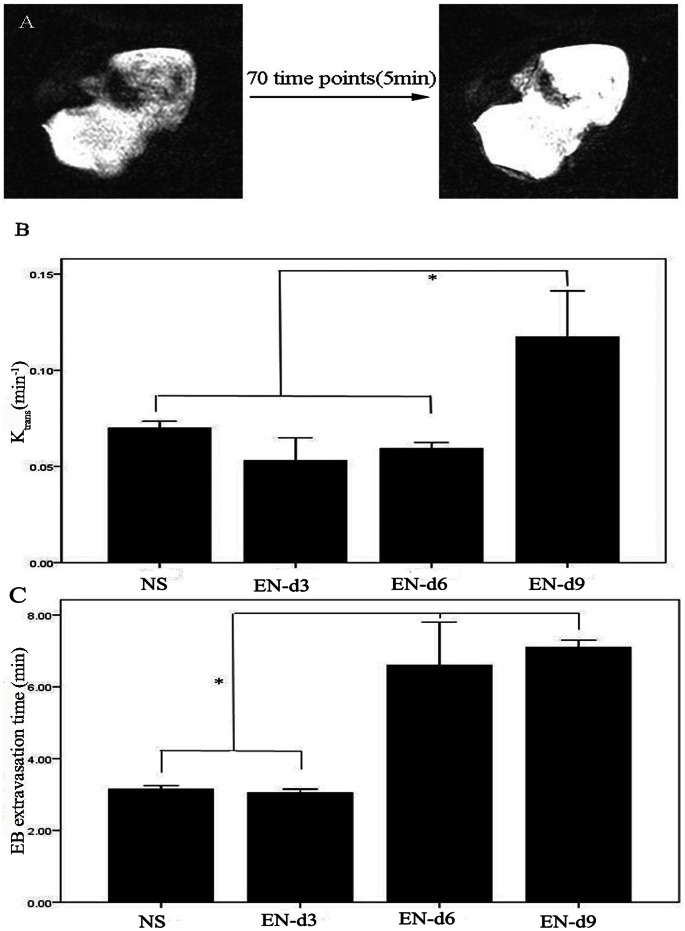
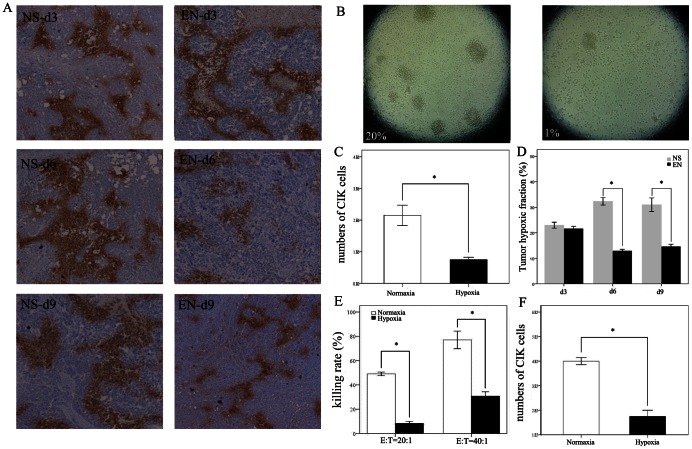
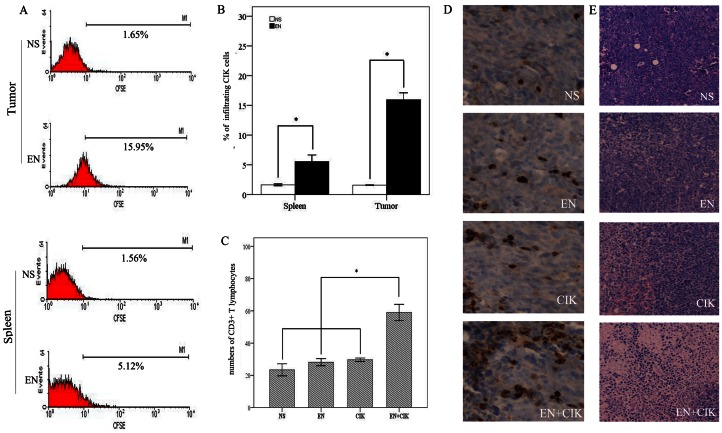
Our results indicated that rh-endostatin synergized with adoptive CIK cells transfer to inhibit the growth of lung carcinoma. We found that rh-endostatin normalized tumor vasculature and reduced hypoxic area in the tumor microenvironment. Hypoxia significantly inhibited the proliferation, cytotoxicity and migration of CIK cells in vitro and impeded the homing of CIK cells into tumor parenchyma ex vivo. Furthermore, we found that treatment with rh-endostatin significantly increased the homing of CIK cells and decreased the accumulation of suppressive immune cells in the tumor tissue. In addition, combination therapy produced higher level of tumor-infiltration lymphocytes compared with other treatments.
Our results demonstrate that rh-endostatin improves the therapeutic effect of adoptive CIK cells therapy against lung carcinomas and unmask the mechanisms of the synergistic antitumor efficacy, providing a new rationale for combining antiangiogenesis therapy with immunotherapy in the treatment of lung cancer.
细胞因子诱导的杀伤细胞(CIK 细胞)是一种异质性的体外扩增 T 淋巴细胞亚群,其特点是 MHC 非限制性肿瘤杀伤活性和混合的 T-NK 表型。过继性 CIK 细胞转移是过继免疫疗法的一种代表,是一种很有前途的非毒性抗癌疗法。然而,在临床研究中,过继性 CIK 细胞转移的治疗活性并不如预期的那样有效。可能的解释是异常的肿瘤血管和缺氧的肿瘤微环境可能会阻碍淋巴细胞的浸润和疗效。我们假设抗血管生成治疗可以通过使肿瘤血管正常化和调节缺氧的肿瘤微环境来提高 CIK 细胞的抗肿瘤活性。
我们将重组人内皮抑素(rh-endostatin)与 CIK 细胞联合应用于肺癌小鼠模型的治疗中。使用活体显微镜、动态对比增强磁共振成像、免疫组织化学和流式细胞术来研究肿瘤血管和缺氧微环境以及免疫细胞的浸润情况。
我们的结果表明,rh-endostatin 与过继性 CIK 细胞转移联合使用可抑制肺癌的生长。我们发现 rh-endostatin 使肿瘤血管正常化并减少了肿瘤微环境中的缺氧区域。缺氧显著抑制了 CIK 细胞在体外的增殖、细胞毒性和迁移,并阻碍了 CIK 细胞在肿瘤实质中的归巢。此外,我们发现 rh-endostatin 的治疗显著增加了 CIK 细胞的归巢,并减少了肿瘤组织中抑制性免疫细胞的积累。此外,与其他治疗方法相比,联合治疗产生了更高水平的肿瘤浸润淋巴细胞。
我们的结果表明,rh-endostatin 提高了过继性 CIK 细胞治疗肺癌的治疗效果,并揭示了协同抗肿瘤疗效的机制,为抗血管生成治疗与免疫治疗联合治疗肺癌提供了新的依据。