Instituto de Estudios de la Inmunidad Humoral (IDEHU), CONICET-UBA, Facultad de Farmacia y Bioquímica, Universidad de Buenos Aires, Buenos Aires, Argentina.
PLoS One. 2013 Jun 14;8(6):e66244. doi: 10.1371/journal.pone.0066244. Print 2013.
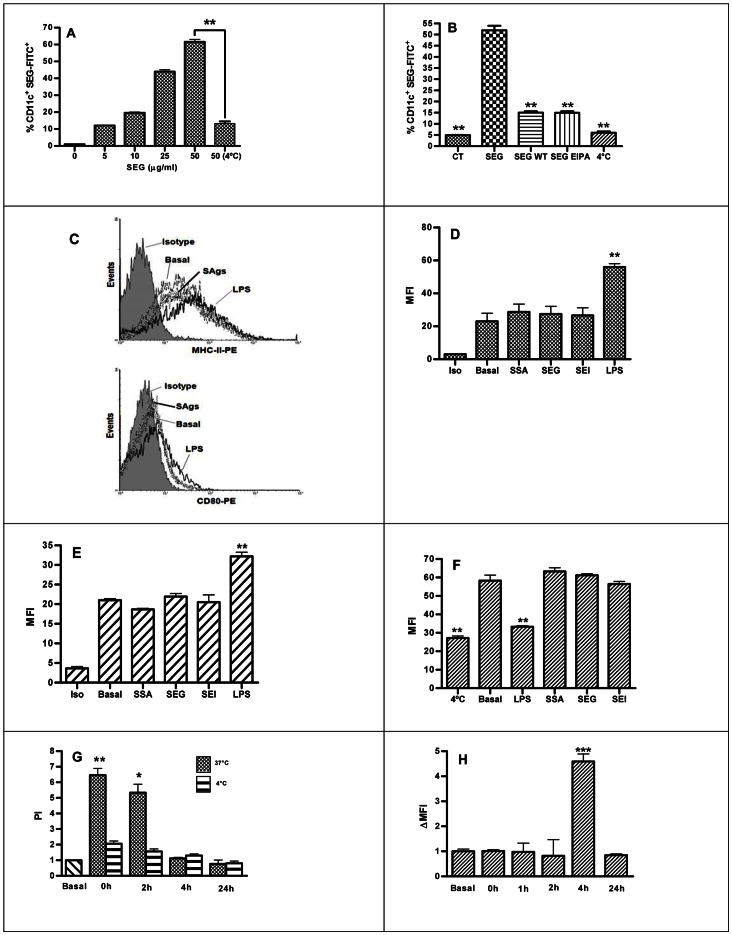
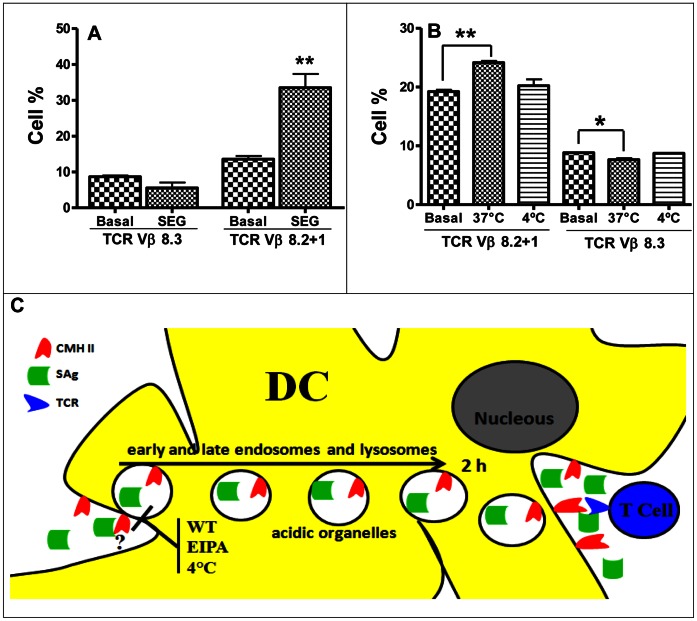
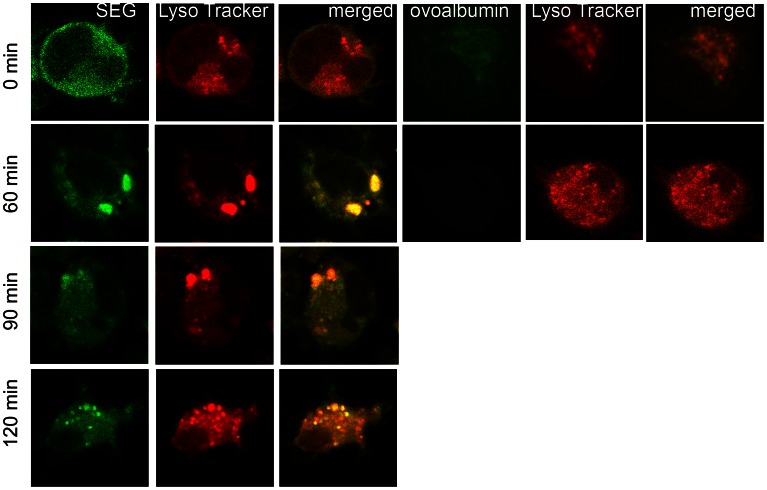
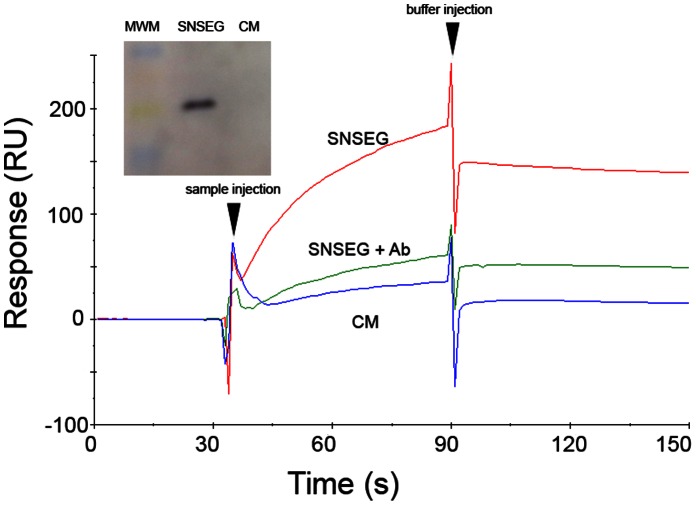
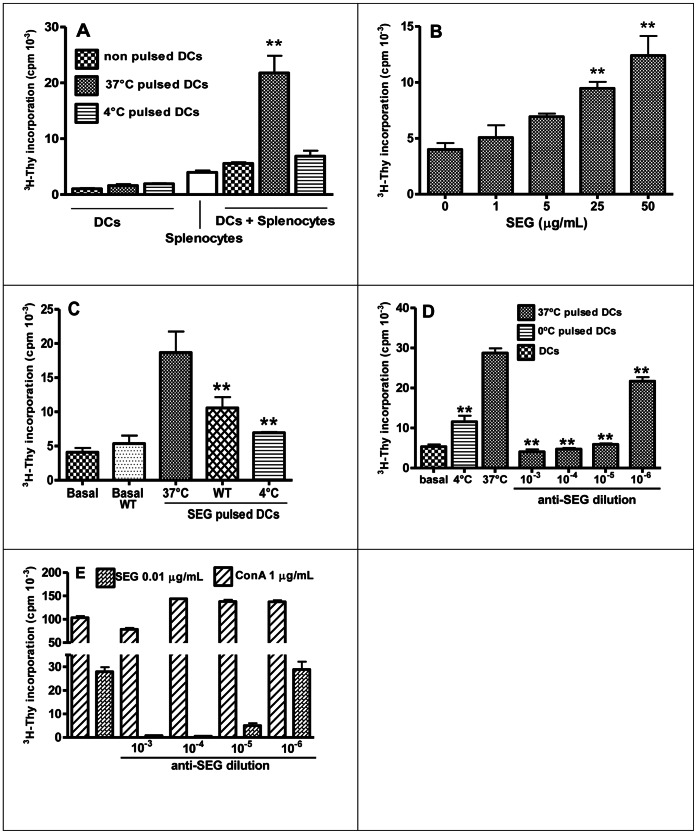
Bacterial superantigens (SAgs) are exotoxins produced mainly by Staphylococcus aureus and Streptococcus pyogenes that can cause toxic shock syndrome (TSS). According to current paradigm, SAgs interact directly and simultaneously with T cell receptor (TCR) on the T cell and MHC class II (MHC-II) on the antigen-presenting cell (APC), thereby circumventing intracellular processing to trigger T cell activation. Dendritic cells (DCs) are professional APCs that coat nearly all body surfaces and are the most probable candidate to interact with SAgs. We demonstrate that SAgs are taken up by mouse DCs without triggering DC maturation. SAgs were found in intracellular acidic compartment of DCs as biologically active molecules. Moreover, SAgs co-localized with EEA1, RAB-7 and LAMP-2, at different times, and were then recycled to the cell membrane. DCs loaded with SAgs are capable of triggering in vitro lymphocyte proliferation and, injected into mice, stimulate T cells bearing the proper TCR in draining lymph nodes. Transportation and trafficking of SAgs in DCs might increase the local concentration of these exotoxins where they will produce the highest effect by promoting their encounter with both MHC-II and TCR in lymph nodes, and may explain how just a few SAg molecules can induce the severe pathology associated with TSS.
细菌超抗原(SAgs)是主要由金黄色葡萄球菌和化脓性链球菌产生的外毒素,可引起中毒性休克综合征(TSS)。根据目前的模式,SAgs 直接且同时与 T 细胞受体(TCR)在 T 细胞和主要组织相容性复合体 II(MHC-II)在抗原呈递细胞(APC)上相互作用,从而绕过细胞内处理以触发 T 细胞激活。树突状细胞(DCs)是覆盖几乎所有身体表面的专业 APC,是与 SAg 相互作用的最有可能的候选者。我们证明 SAg 被小鼠 DCs 摄取而不会引发 DC 成熟。SAg 作为生物活性分子存在于 DCs 的细胞内酸性隔室中。此外,SAg 与 EEA1、RAB-7 和 LAMP-2 在不同时间共定位,并随后被回收至细胞膜。负载 SAg 的 DCs 能够触发体外淋巴细胞增殖,并且注入小鼠后,能够刺激引流淋巴结中具有适当 TCR 的 T 细胞。SAgs 在 DCs 中的运输和转运可能会增加这些外毒素的局部浓度,从而通过促进它们在淋巴结中与 MHC-II 和 TCR 的相遇来产生最高的效果,并可能解释为什么只有少数 SAg 分子就能诱导与 TSS 相关的严重病理。