Cervelli Manuela, Bellavia Gabriella, D'Amelio Marcello, Cavallucci Virve, Moreno Sandra, Berger Joachim, Nardacci Roberta, Marcoli Manuela, Maura Guido, Piacentini Mauro, Amendola Roberto, Cecconi Francesco, Mariottini Paolo
Dipartimento di Biologia, Università "Roma Tre," Rome, Italy.
PLoS One. 2013 Jun 19;8(6):e64810. doi: 10.1371/journal.pone.0064810. Print 2013.
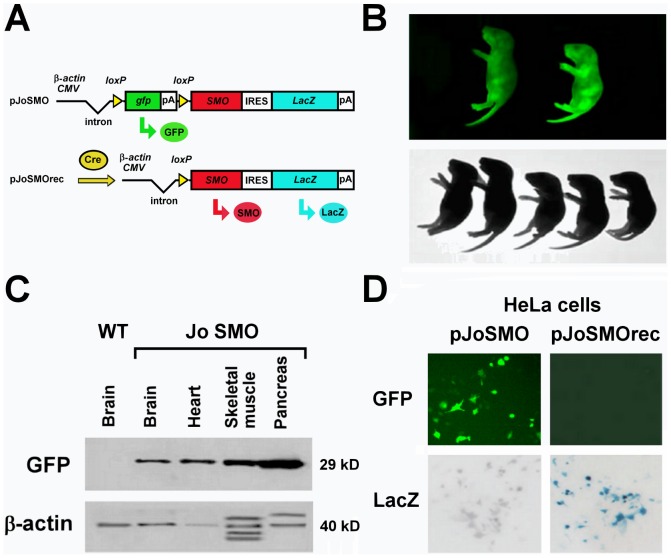
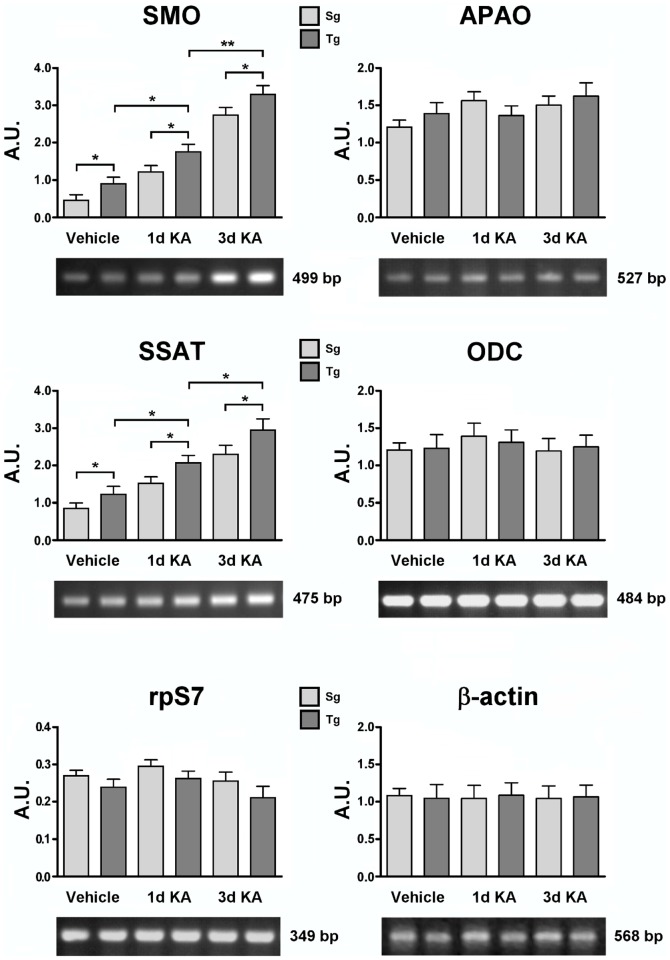
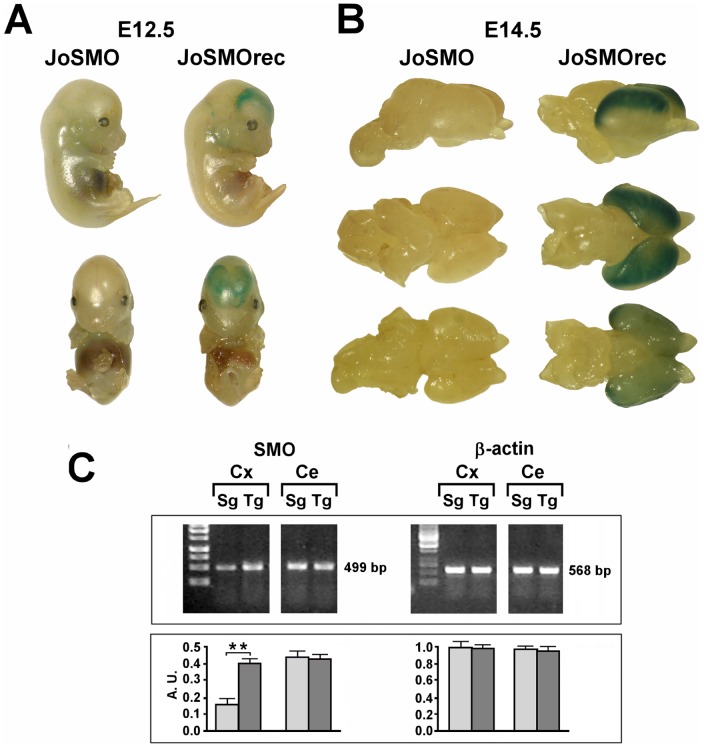
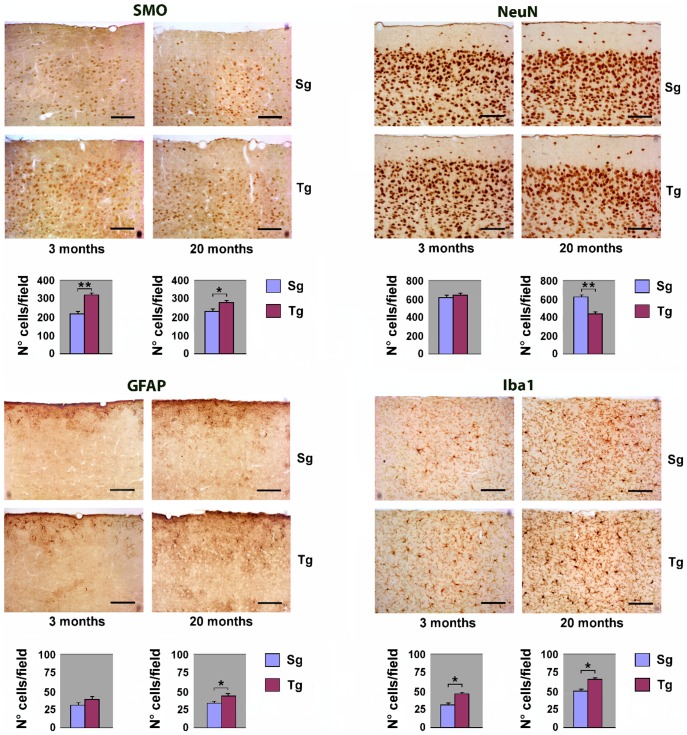
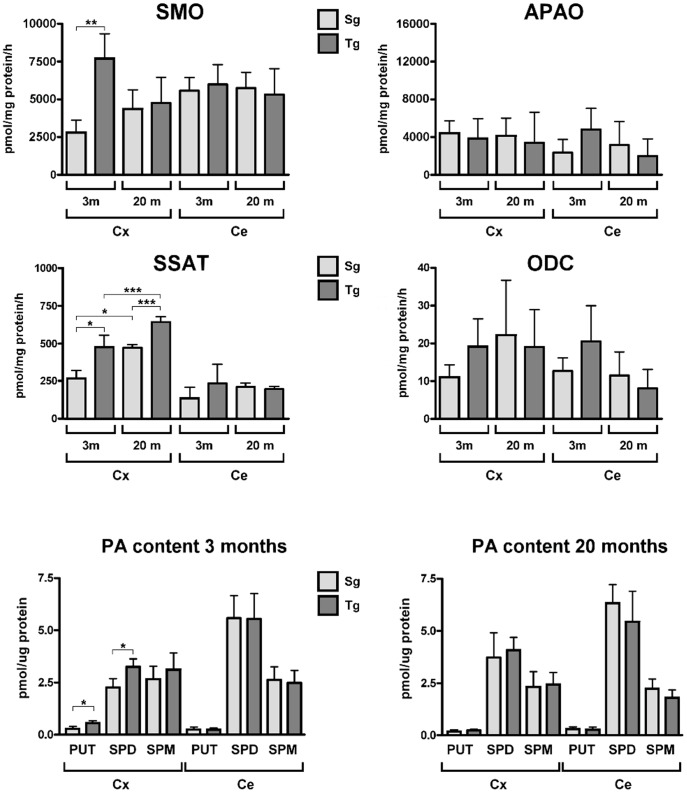
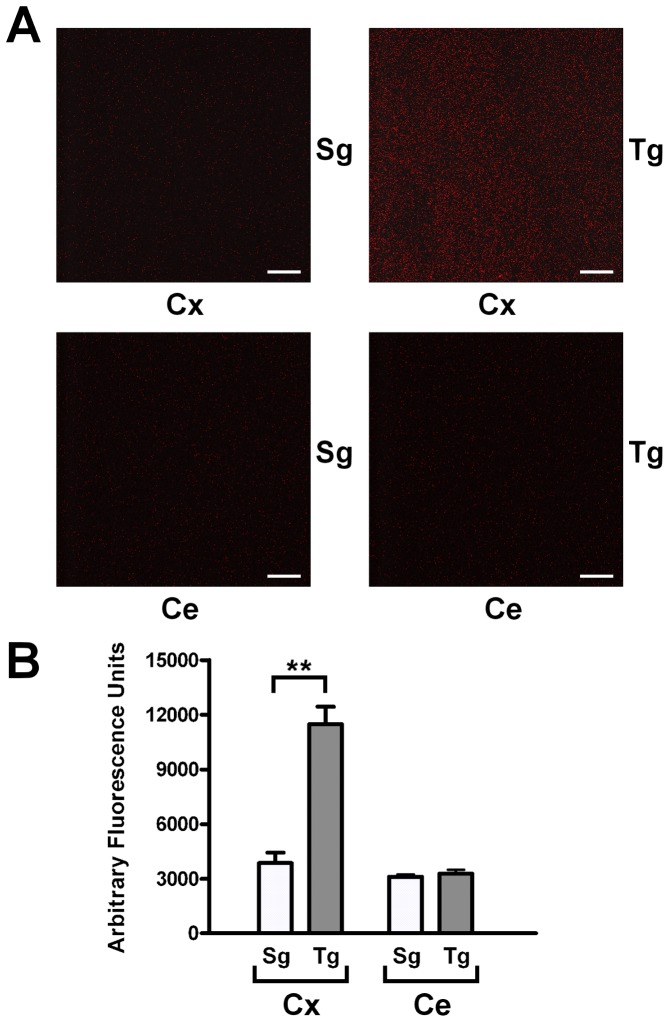
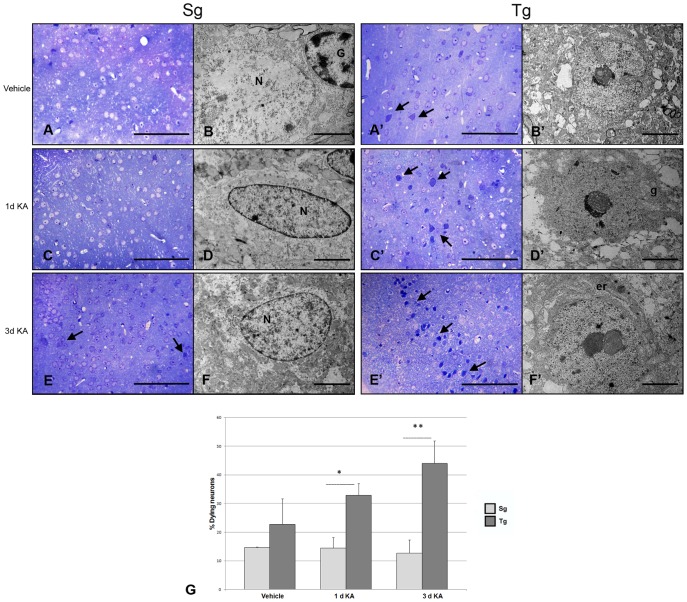
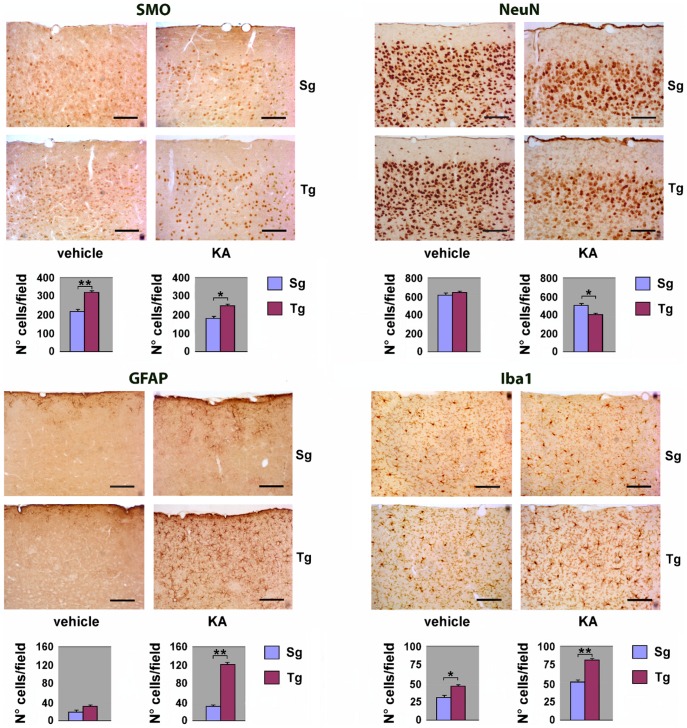
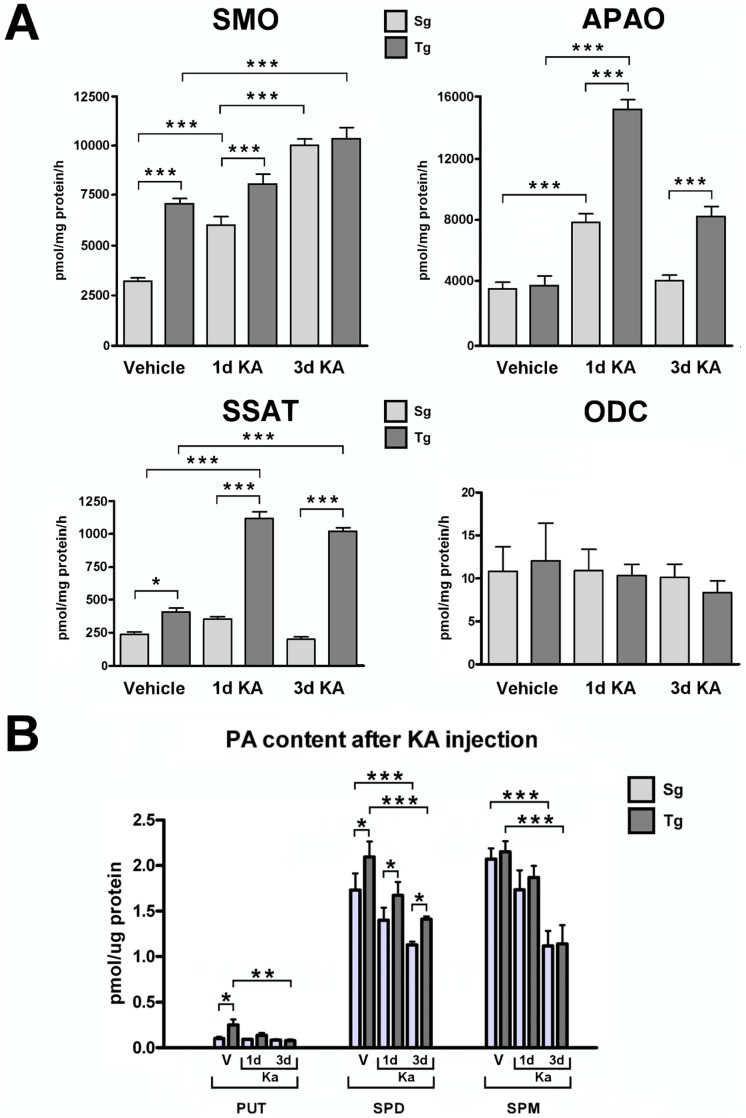
Spermine oxidase is a FAD-containing enzyme involved in polyamines catabolism, selectively oxidizing spermine to produce H2O2, spermidine, and 3-aminopropanal. Spermine oxidase is highly expressed in the mouse brain and plays a key role in regulating the levels of spermine, which is involved in protein synthesis, cell division and cell growth. Spermine is normally released by neurons at synaptic sites where it exerts a neuromodulatory function, by specifically interacting with different types of ion channels, and with ionotropic glutamate receptors. In order to get an insight into the neurobiological roles of spermine oxidase and spermine, we have deregulated spermine oxidase gene expression producing and characterizing the transgenic mouse model JoSMOrec, conditionally overexpressing the enzyme in the neocortex. We have investigated the effects of spermine oxidase overexpression in the mouse neocortex by transcript accumulation, immunohistochemical analysis, enzymatic assays and polyamine content in young and aged animals. Transgenic JoSMOrec mice showed in the neocortex a higher H2O2 production in respect to Wild-Type controls, indicating an increase of oxidative stress due to SMO overexpression. Moreover, the response of transgenic mice to excitotoxic brain injury, induced by kainic acid injection, was evaluated by analysing the behavioural phenotype, the immunodistribution of neural cell populations, and the ultrastructural features of neocortical neurons. Spermine oxidase overexpression and the consequently altered polyamine levels in the neocortex affects the cytoarchitecture in the adult and aging brain, as well as after neurotoxic insult. It resulted that the transgenic JoSMOrec mouse line is more sensitive to KA than Wild-Type mice, indicating an important role of spermine oxidase during excitotoxicity. These results provide novel evidences of the complex and critical functions carried out by spermine oxidase and spermine in the mammalian brain.
精胺氧化酶是一种含黄素腺嘌呤二核苷酸(FAD)的酶,参与多胺分解代谢,选择性地氧化精胺以产生过氧化氢、亚精胺和3-氨基丙醛。精胺氧化酶在小鼠脑中高度表达,在调节精胺水平方面起关键作用,精胺参与蛋白质合成、细胞分裂和细胞生长。精胺通常由神经元在突触部位释放,在那里它通过与不同类型的离子通道以及离子型谷氨酸受体特异性相互作用发挥神经调节功能。为了深入了解精胺氧化酶和精胺的神经生物学作用,我们通过产生并鉴定转基因小鼠模型JoSMOrec来解除精胺氧化酶基因表达的调控,该模型在新皮层中条件性过表达该酶。我们通过转录本积累、免疫组织化学分析、酶活性测定以及年轻和老年动物的多胺含量,研究了精胺氧化酶在小鼠新皮层中过表达的影响。与野生型对照相比,转基因JoSMOrec小鼠的新皮层中过氧化氢产生量更高,表明由于精胺氧化酶过表达导致氧化应激增加。此外,通过分析行为表型、神经细胞群体的免疫分布以及新皮层神经元的超微结构特征,评估了转基因小鼠对由注射海人酸诱导的兴奋性毒性脑损伤的反应。精胺氧化酶过表达以及新皮层中多胺水平的相应改变会影响成年和衰老大脑以及神经毒性损伤后的细胞结构。结果表明,转基因JoSMOrec小鼠品系比野生型小鼠对海人酸更敏感,表明精胺氧化酶在兴奋性毒性过程中起重要作用。这些结果为精胺氧化酶和精胺在哺乳动物脑中执行的复杂而关键的功能提供了新的证据。