School of Earth and Environmental Sciences, University of Adelaide, Adelaide, Australia.
PLoS One. 2013 Jul 5;8(7):e69361. doi: 10.1371/journal.pone.0069361. Print 2013.
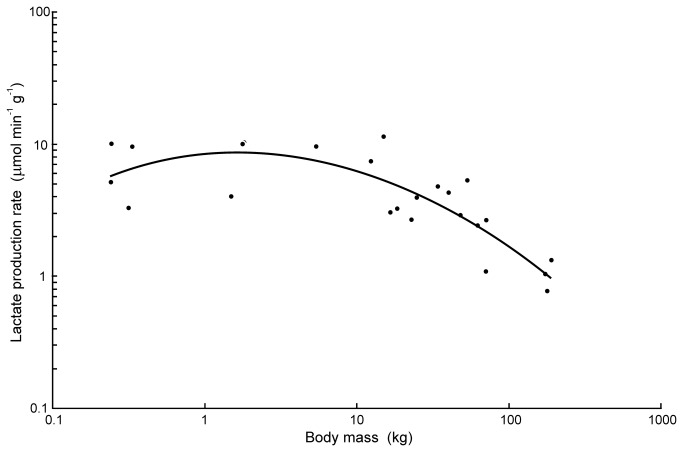
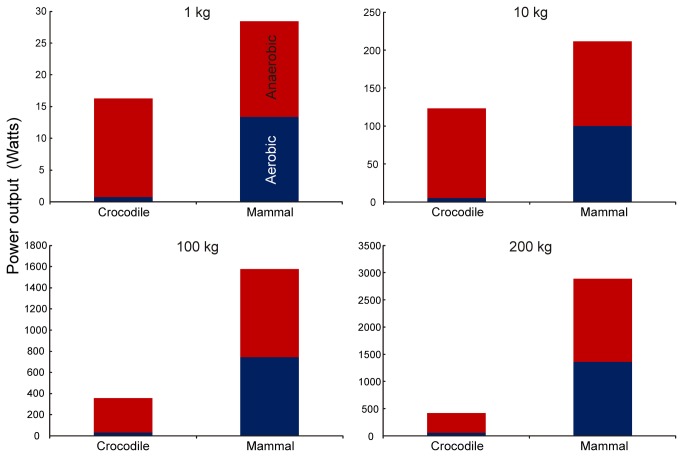
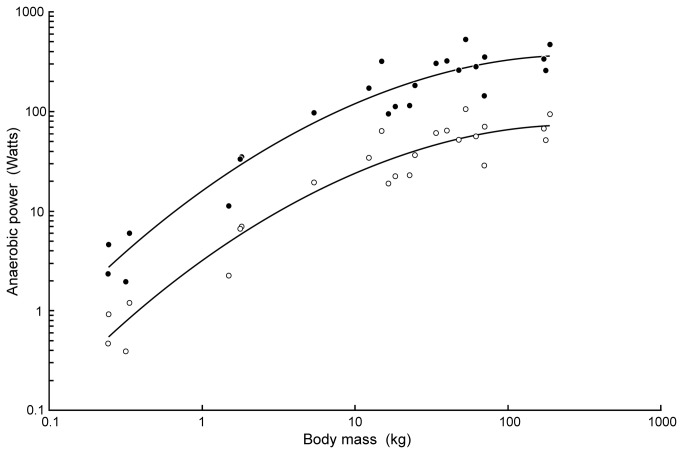
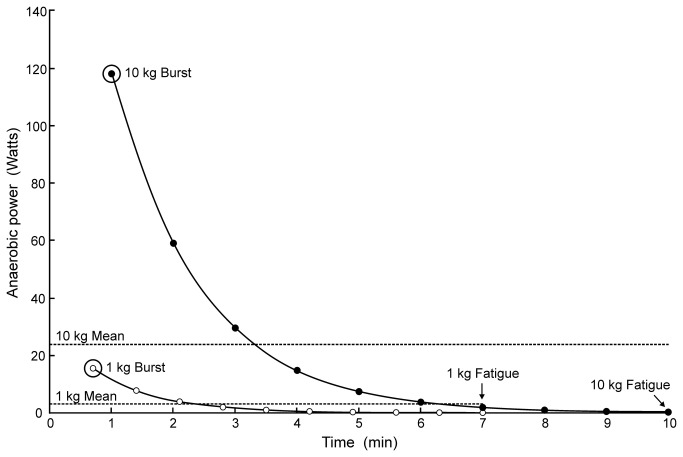
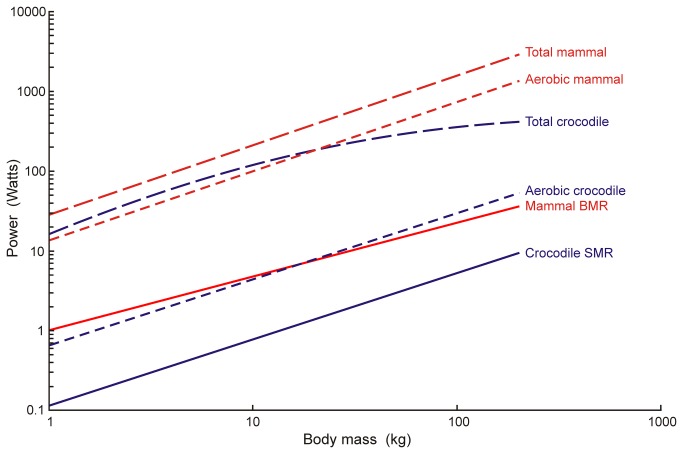
Inertial homeothermy, the maintenance of a relatively constant body temperature that occurs simply because of large size, is often applied to large dinosaurs. Moreover, biophysical modelling and actual measurements show that large crocodiles can behaviourally achieve body temperatures above 30°C. Therefore it is possible that some dinosaurs could achieve high and stable body temperatures without the high energy cost of typical endotherms. However it is not known whether an ectothermic dinosaur could produce the equivalent amount of muscular power as an endothermic one. To address this question, this study analyses maximal power output from measured aerobic and anaerobic metabolism in burst exercising estuarine crocodiles, Crocodylusporosus, weighing up to 200 kg. These results are compared with similar data from endothermic mammals. A 1 kg crocodile at 30°C produces about 16 watts from aerobic and anaerobic energy sources during the first 10% of exhaustive activity, which is 57% of that expected for a similarly sized mammal. A 200 kg crocodile produces about 400 watts, or only 14% of that for a mammal. Phosphocreatine is a minor energy source, used only in the first seconds of exercise and of similar concentrations in reptiles and mammals. Ectothermic crocodiles lack not only the absolute power for exercise, but also the endurance, that are evident in endothermic mammals. Despite the ability to achieve high and fairly constant body temperatures, therefore, large, ectothermic, crocodile-like dinosaurs would have been competitively inferior to endothermic, mammal-like dinosaurs with high aerobic power. Endothermy in dinosaurs is likely to explain their dominance over mammals in terrestrial ecosystems throughout the Mesozoic.
惯性恒温,即由于体型较大而导致的相对稳定的体温维持,通常适用于大型恐龙。此外,生物物理建模和实际测量表明,大型鳄鱼可以通过行为将体温升高到 30°C 以上。因此,一些恐龙可能能够达到较高且稳定的体温,而无需典型的恒温动物那样高的能量成本。然而,目前还不清楚变温恐龙是否能够产生与恒温恐龙相当的肌肉力量。为了解决这个问题,本研究分析了在最大摄氧量和最大无氧代谢条件下,体重达 200 公斤的河口鳄(Crocodylus porosus)在爆发性运动中的最大功率输出。这些结果与恒温哺乳动物的类似数据进行了比较。一只 30°C 的 1 公斤鳄鱼在 10%的剧烈运动中,通过有氧和无氧能量来源产生约 16 瓦的功率,这相当于同等大小哺乳动物的 57%。一只 200 公斤的鳄鱼产生约 400 瓦的功率,仅为哺乳动物的 14%。磷酸肌酸是一种次要的能量来源,仅在运动的最初几秒钟使用,在爬行动物和哺乳动物中的浓度相似。变温鳄鱼不仅缺乏运动所需的绝对力量,而且耐力也不如恒温哺乳动物。因此,尽管能够达到较高且相对稳定的体温,但大型、变温、类似鳄鱼的恐龙在与具有高有氧能力的恒温、类似哺乳动物的恐龙竞争时,将处于劣势。恐龙的恒温现象可能解释了它们在中生代陆地生态系统中对哺乳动物的统治地位。