Department of Pharmacology and Therapeutics, Roswell Park Cancer Institute, Buffalo, NY 14263, USA.
Department of Cancer Genetics, Roswell Park Cancer Institute, Buffalo, NY 14263, USA.
Oral Oncol. 2013 Sep;49(9):893-902. doi: 10.1016/j.oraloncology.2013.06.011. Epub 2013 Jul 23.
The need to improve chemotherapeutic efficacy against head and neck squamous cell carcinomas (HNSCC) is well recognized. In this study, we investigated the potential of targeting the established tumor vasculature in combination with chemotherapy in head and neck cancer.
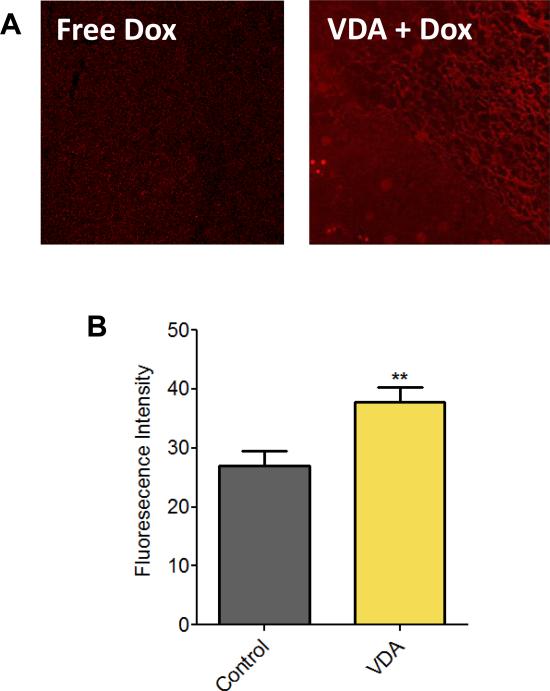
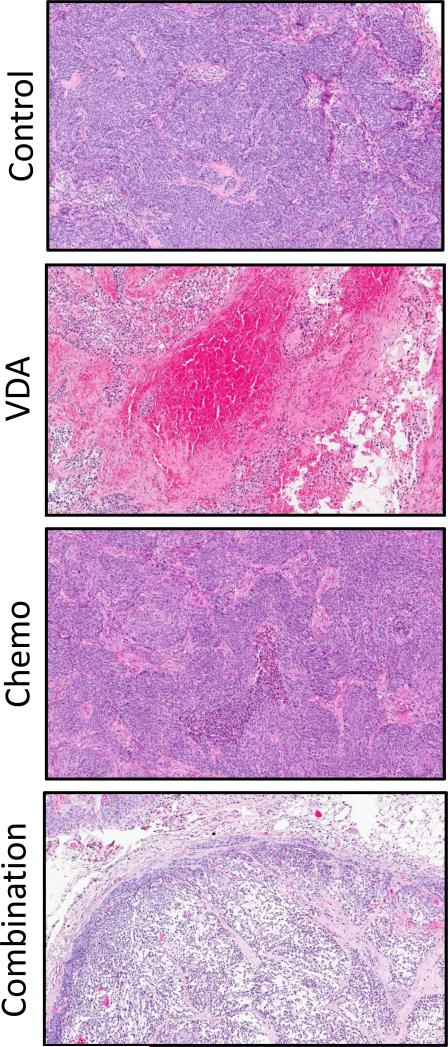
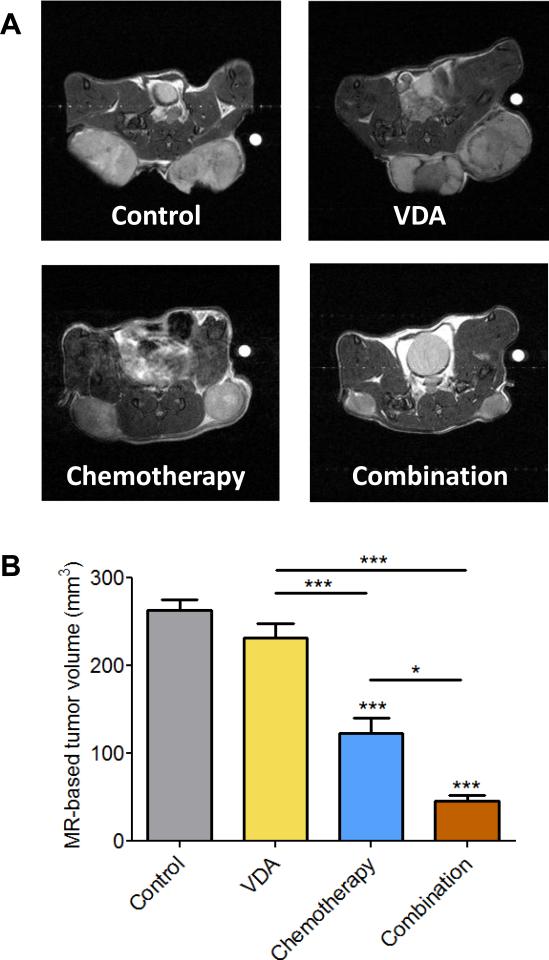
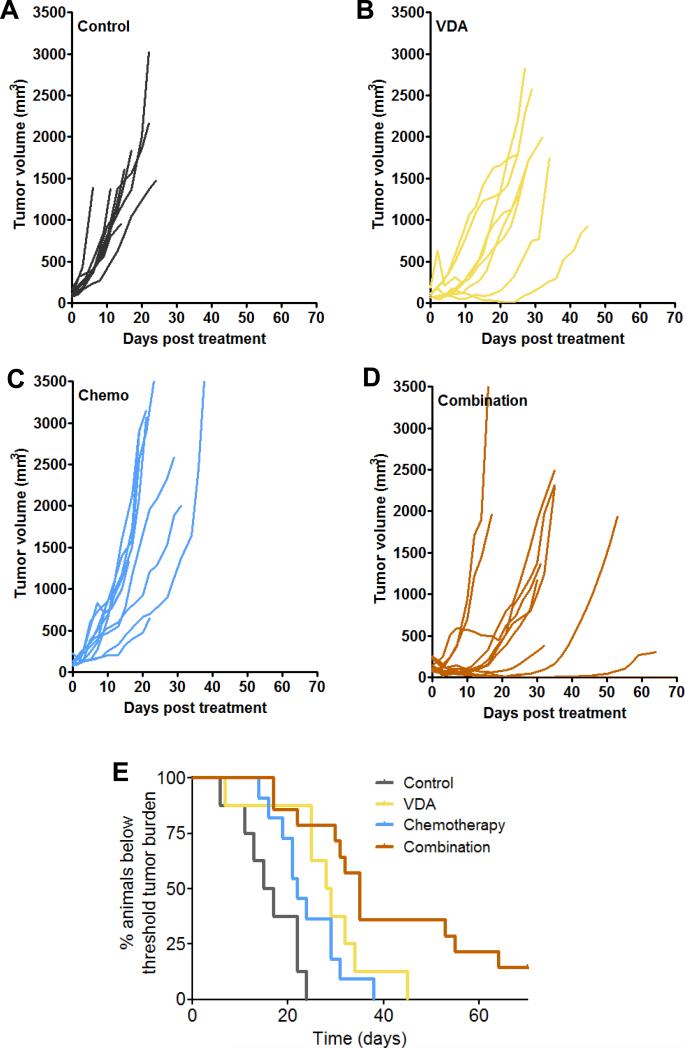
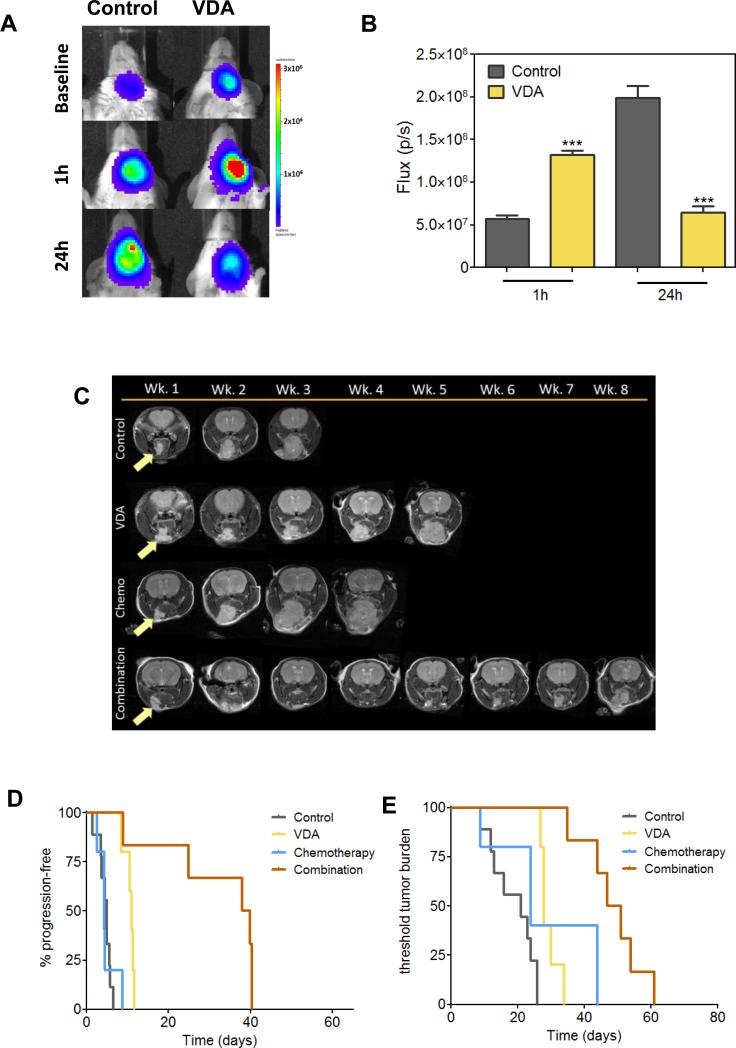
Experimental studies were carried out in multiple human HNSCC xenograft models to examine the activity of the vascular disrupting agent (VDA) 5,6-dimethylxanthenone-4-acetic acid (DMXAA) in combination with chemotherapy. Multimodality imaging (magnetic resonance imaging, bioluminescence) in conjunction with drug delivery assessment (fluorescence microscopy), histopathology and microarray analysis was performed to characterize tumor response to therapy. Long-term treatment outcome was assessed using clinically-relevant end points of efficacy.
Pretreatment of tumors with VDA prior to administration of chemotherapy increased intratumoral drug delivery and treatment efficacy. Enhancement of therapeutic efficacy was dependent on the dose and duration of VDA treatment but was independent of the chemotherapeutic agent evaluated. Combination treatment resulted in increased tumor cell kill and improvement in progression-free survival and overall survival in both ectopic and orthotopic HNSCC models.
Our results show that preconditioning of the tumor microenvironment with an antivascular agent primes the tumor vasculature and results in enhancement of chemotherapeutic delivery and efficacy in vivo. Further investigation into the activity of antivascular agents in combination with chemotherapy against HNSCC is warranted.
人们已经认识到,需要提高对头颈鳞状细胞癌(HNSCC)的化疗疗效。在这项研究中,我们研究了针对既定肿瘤血管系统联合化疗治疗头颈部癌症的潜力。
在多个人类 HNSCC 异种移植模型中进行了实验研究,以研究血管破坏剂(VDA)5,6-二甲基黄嘌呤-4-乙酸(DMXAA)联合化疗的活性。采用多模态成像(磁共振成像、生物发光)结合药物输送评估(荧光显微镜)、组织病理学和微阵列分析来描述肿瘤对治疗的反应。使用与临床相关的疗效终点评估长期治疗结果。
在化疗前用 VDA 预处理肿瘤可增加肿瘤内药物输送和治疗效果。治疗效果的增强取决于 VDA 治疗的剂量和持续时间,但与评估的化疗药物无关。联合治疗导致异位和原位 HNSCC 模型中的肿瘤细胞杀伤增加,无进展生存期和总生存期得到改善。
我们的结果表明,用抗血管生成剂预处理肿瘤微环境可启动肿瘤血管系统,并导致体内化疗药物输送和疗效的增强。进一步研究抗血管生成剂联合化疗治疗 HNSCC 的活性是有必要的。