Wrześniok D, Otręba M, Beberok A, Buszman E
Department of Pharmaceutical Chemistry, Faculty of Pharmacy, Medical University of Silesia, Jagiellońska 4, PL 41 200 Sosnowiec, Poland.
Indian J Pharm Sci. 2013 Jan;75(1):102-6. doi: 10.4103/0250-474X.113540.
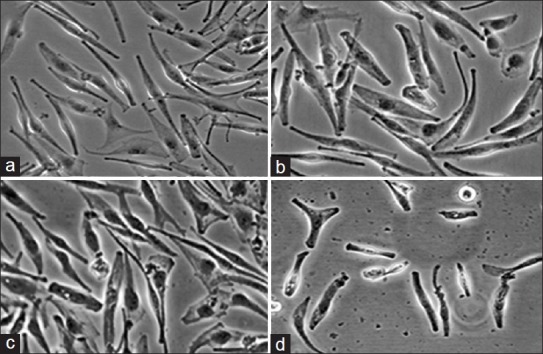
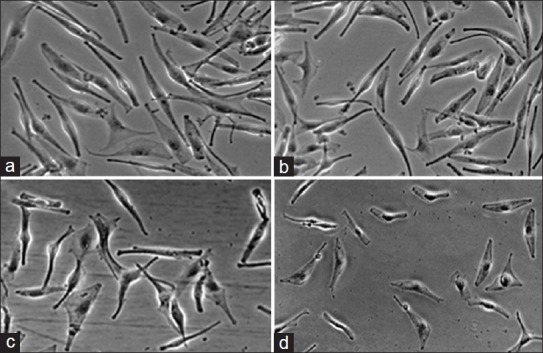
Aminoglycosides, such as amikacin and kanamycin, are powerful broad-spectrum antibiotics used for the treatment of many bacterial infections. The widely used aminoglycosides have the unfortunate side effects of targeting sensory hair cells of the inner ear, so that treatment often results in permanent hair cell loss. The aim of the study was to evaluate the influence of incubation time and drug concentration on viability of melanocytes cultured in the presence of amikacin or kanamycin. The normal human melanocytes HEMa-LP and the different concentrations of amikacin (0.075, 0.75 and 7.5 mmol/l) and kanamycin (0.06, 0.6 and 6.0 mmol/l), were used. The estimations were performed after 24, 48 and 72 h. The observed decrease in melanocytes viability may be an explanation for the mechanisms involved in aminoglycosides toxicity on pigmented tissues during high-dose and/or long-term therapy.
氨基糖苷类药物,如阿米卡星和卡那霉素,是用于治疗多种细菌感染的强效广谱抗生素。广泛使用的氨基糖苷类药物有一个不幸的副作用,即会靶向内耳的感觉毛细胞,因此治疗往往会导致永久性毛细胞损失。本研究的目的是评估孵育时间和药物浓度对在阿米卡星或卡那霉素存在下培养的黑素细胞活力的影响。使用了正常人黑素细胞HEMa-LP以及不同浓度的阿米卡星(0.075、0.75和7.5 mmol/l)和卡那霉素(0.06、0.6和6.0 mmol/l)。在24、48和72小时后进行评估。观察到的黑素细胞活力下降可能解释了高剂量和/或长期治疗期间氨基糖苷类药物对色素组织毒性的作用机制。