Department of Pharmaceutics, J.S.S. College of Pharmacy, Udhagamandalam, Tamilnadu 643001, India.
Braz J Infect Dis. 2013 Sep-Oct;17(5):579-91. doi: 10.1016/j.bjid.2013.03.004. Epub 2013 Jul 29.
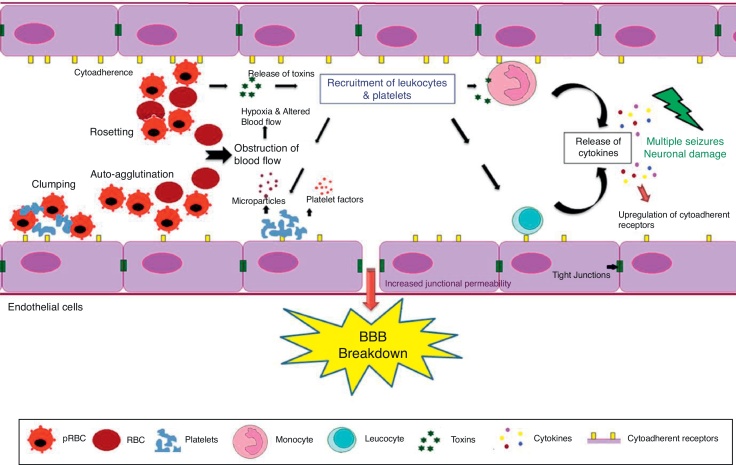
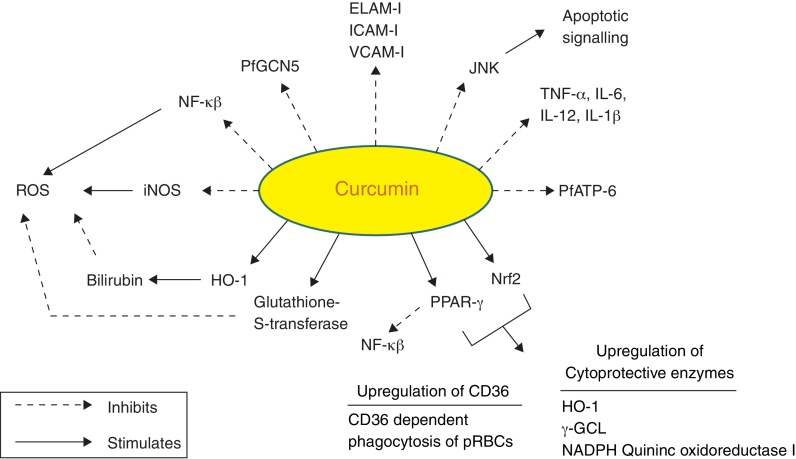
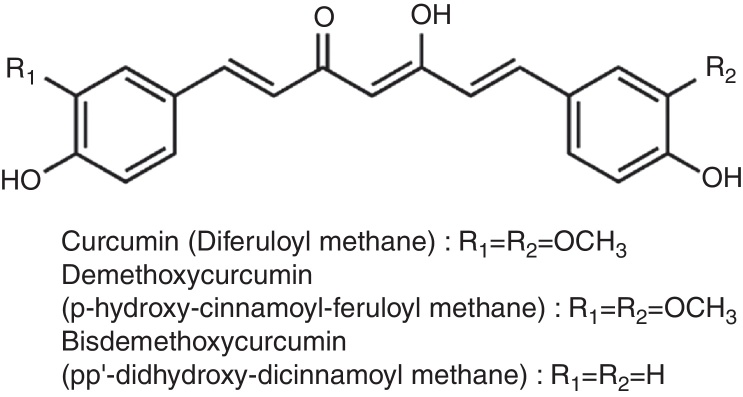
Cerebral malaria is the most severe and rapidly fatal neurological complication of Plasmodium falciparum infection and responsible for more than two million deaths annually. The current therapy is inadequate in terms of reducing mortality or post-treatment symptoms such as neurological and cognitive deficits. The pathophysiology of cerebral malaria is quite complex and offers a variety of targets which remain to be exploited for better therapeutic outcome. The present review discusses on the pathophysiology of cerebral malaria with particular emphasis on scope and promises of curcumin as an adjunctive therapy to improve survival and overcome neurological deficits.
脑型疟疾是恶性疟原虫感染最严重和迅速致命的神经并发症,每年导致超过 200 万人死亡。目前的治疗方法在降低死亡率或治疗后神经和认知功能缺陷等症状方面效果不足。脑型疟疾的病理生理学非常复杂,提供了多种有待开发的靶点,以获得更好的治疗效果。本综述讨论了脑型疟疾的病理生理学,特别强调了姜黄素作为辅助治疗的范围和前景,以提高生存率和克服神经功能缺陷。