Sai Yan, Chen Junfeng, Ye Feng, Zhao Yuanpeng, Zou Zhongmin, Cao Jia, Dong Zhaojun
Institute of Toxicology, Third Military Medical University, Chongqing 400038, China.
J Toxicol Pathol. 2013 Jun;26(2):149-57. doi: 10.1293/tox.26.149. Epub 2013 Jul 10.
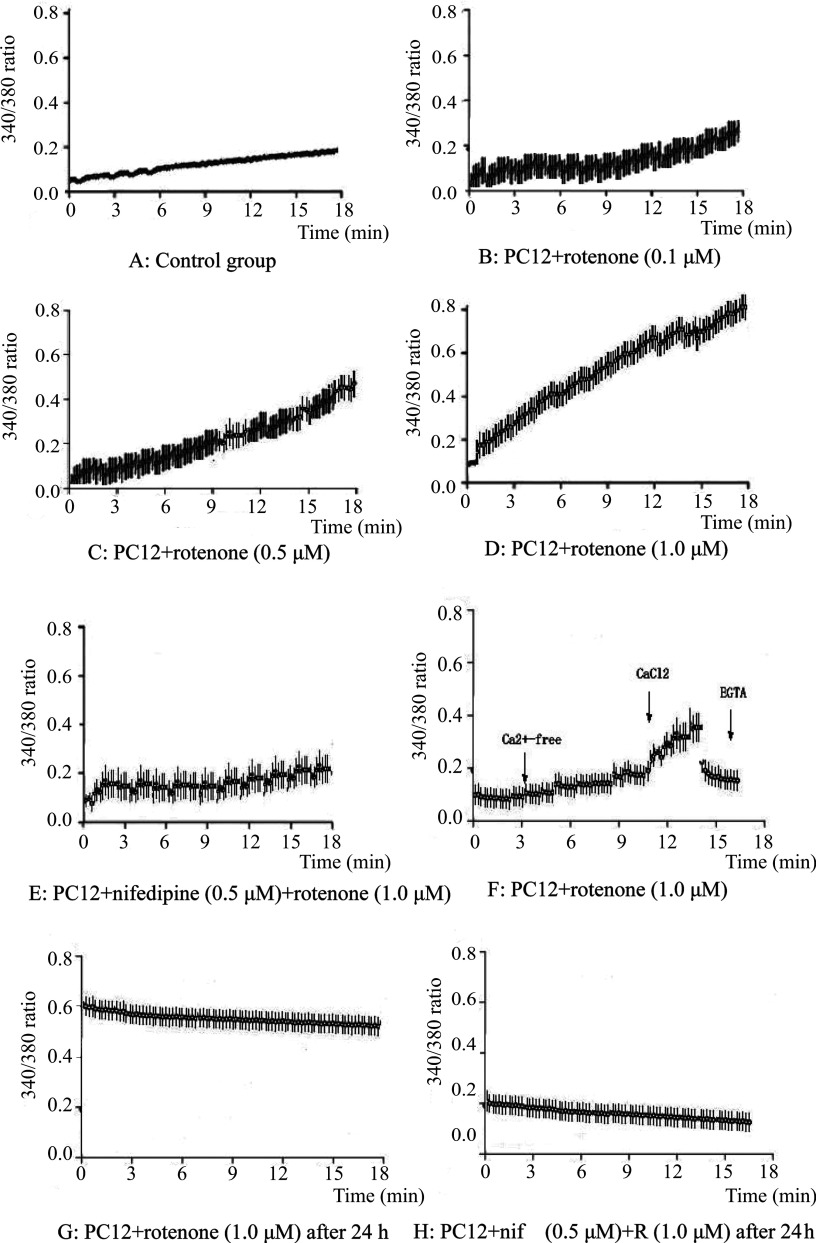
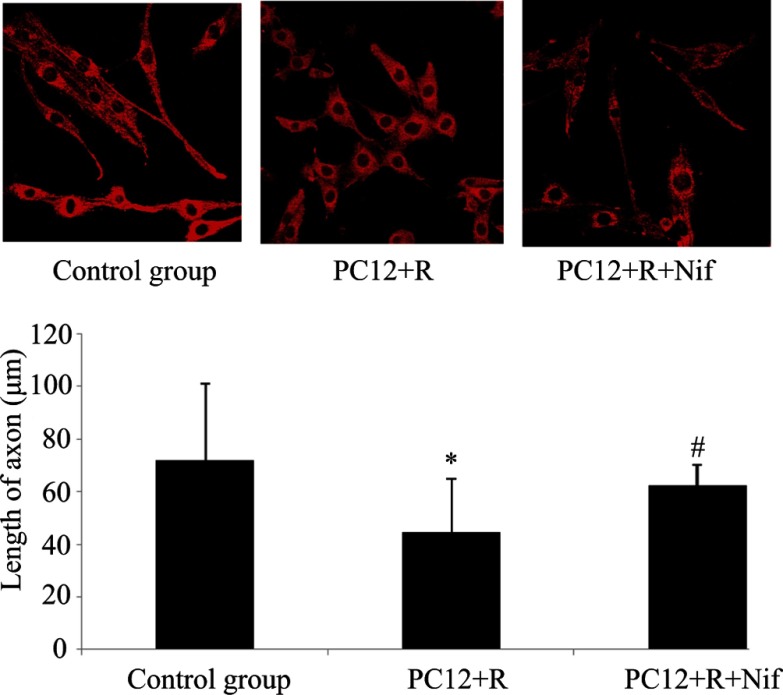
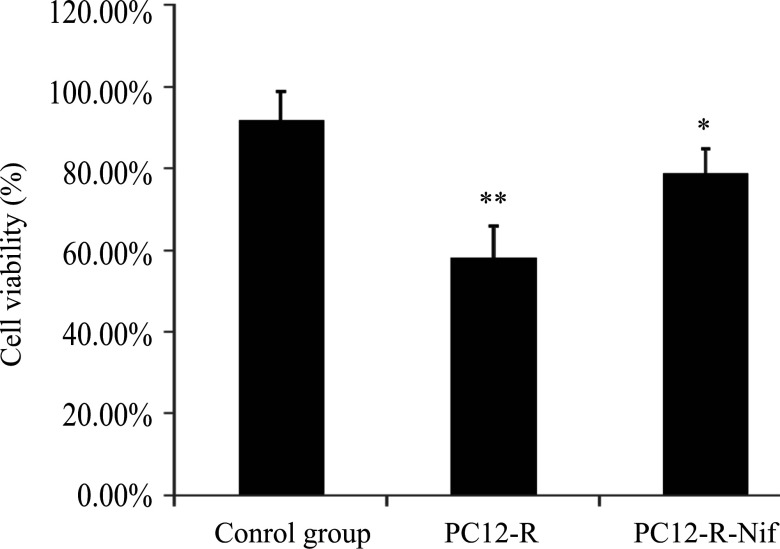
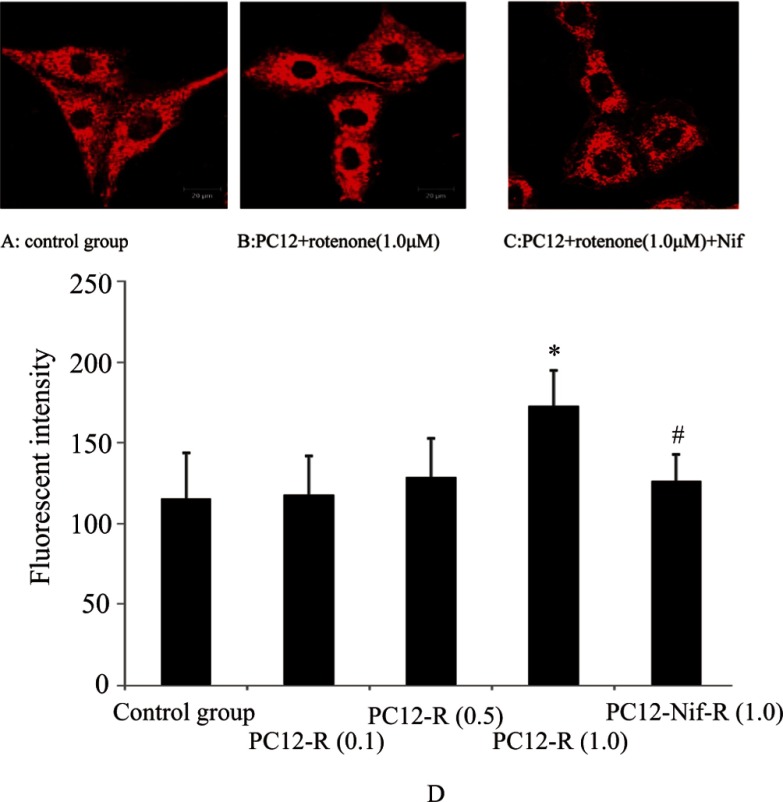
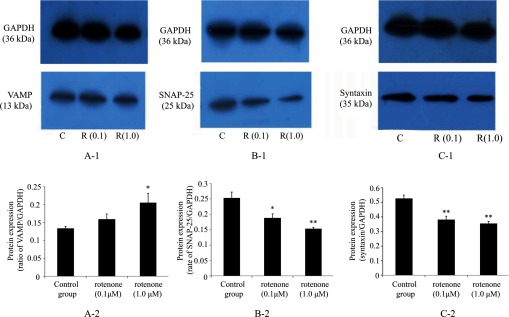
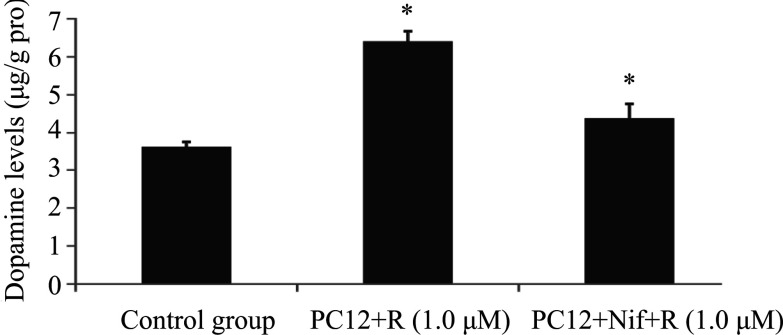
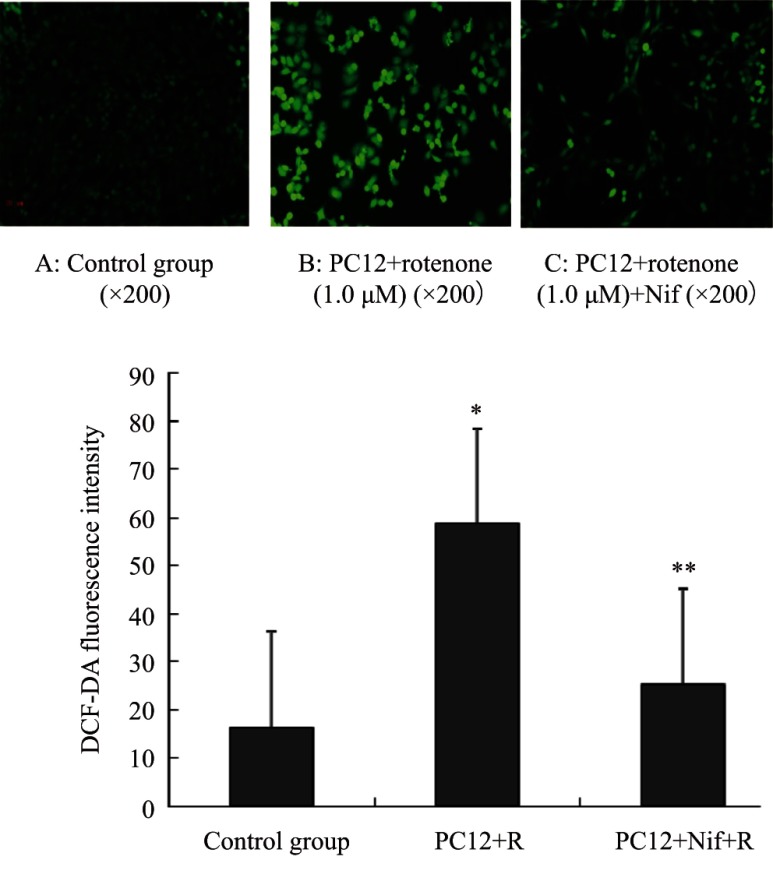
Rotenone is an inhibitor of mitochondrial complex I that produces a model of Parkinson's disease (PD), in which neurons undergo dopamine release dysfunction and other features. In neurons, exocytosis is one of the processes associated with dopamine release and is dependent on Ca(2+) dynamic changes of the cell. In the present study, we have investigated the exocytosis of dopamine and the involvement of Ca(2+) in dopamine release in PC12 cells administrated with rotenone. Results demonstrated that rotenone led to an elevation of intracellular Ca(2+) through Ca(2+) influx by opening of the voltage-gated Ca(2+) channel and influenced the soluble N-ethylmaleimide attachment protein receptor (SNARE) proteins expression (including syntaxin, vesicle-associated membrane protein 2 (VAMP2) and synaptosome-associated protein 25 (SNAP-25)); pretreatment with a blocker of L-type voltage-activated Ca(2+) channels (nifedipine) decreased the intracellular dopamine levels and ROS formation, increased the cell viability and enhanced the neurite outgrowth and exocytosis of synaptic vesicles. These results indicated that the involvement of intracellular Ca(2+) was one of the factors resulting in suppression of dopamine release suppression in PC12 cells intoxicated with rotenone, which was associated with the rotenone-induced dopamine neurotoxicity.
鱼藤酮是线粒体复合物I的抑制剂,可产生帕金森病(PD)模型,其中神经元会出现多巴胺释放功能障碍及其他特征。在神经元中,胞吐作用是与多巴胺释放相关的过程之一,且依赖于细胞的Ca(2+)动态变化。在本研究中,我们研究了鱼藤酮处理的PC12细胞中多巴胺的胞吐作用以及Ca(2+)在多巴胺释放中的作用。结果表明,鱼藤酮通过打开电压门控Ca(2+)通道使Ca(2+)内流,导致细胞内Ca(2+)升高,并影响可溶性N-乙基马来酰亚胺附着蛋白受体(SNARE)蛋白的表达(包括 syntaxin、囊泡相关膜蛋白2(VAMP2)和突触体相关蛋白25(SNAP-25));用L型电压激活Ca(2+)通道阻滞剂(硝苯地平)预处理可降低细胞内多巴胺水平和活性氧生成,提高细胞活力,增强神经突生长和突触小泡的胞吐作用。这些结果表明,细胞内Ca(2+)的参与是导致鱼藤酮中毒的PC12细胞中多巴胺释放受抑制的因素之一,这与鱼藤酮诱导的多巴胺神经毒性有关。