Department of Pathobiology, University of Illinois at Urbana-Champaign 2001, Lincoln Avenue, Urbana, IL, 61802, United States of America.
Respir Res. 2013 Aug 5;14(1):82. doi: 10.1186/1465-9921-14-82.
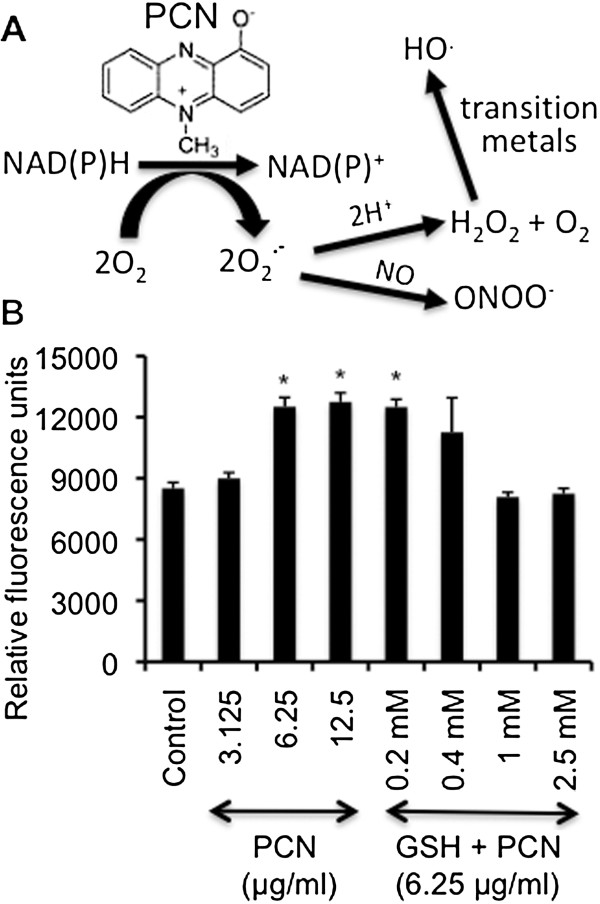
The redox-active pyocyanin (PCN) is a toxic, secondary metabolite secreted by the respiratory pathogen Pseudomonas aeruginosa (PA). Previously, we have shown that mouse lungs chronically exposed to PCN develop goblet cell hyperplasia and metaplasia (GCHM) and mucus hypersecretion, fibrosis and emphysema. These pathological features are commonly found in the airways of several chronic lung diseases, including cystic fibrosis (CF), as well as in mouse airways deficient in the forkhead box A2 (FOXA2), a transcriptional repressor of goblet GCHM and mucus biosynthesis. Furthermore, PCN inhibits FOXA2 by activating the pro-GCHM signaling pathways Stat6 and EGFR. However, it is not known whether PCN-generated reactive oxygen (ROS) and nitrogen (RNS) species posttranslationally modify and inactivate FOXA2.
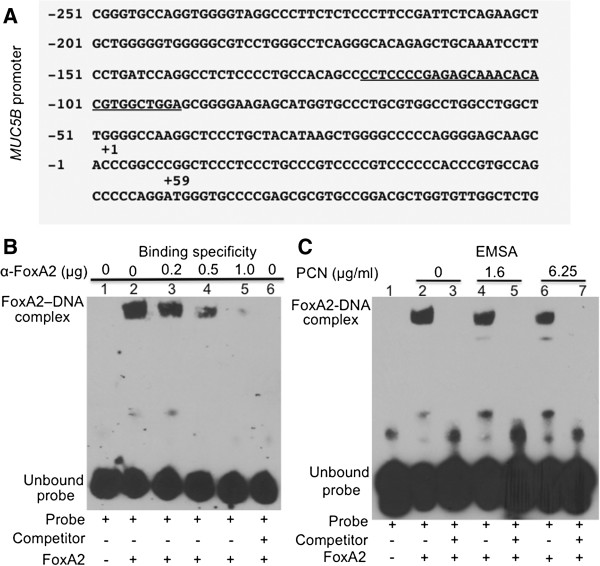
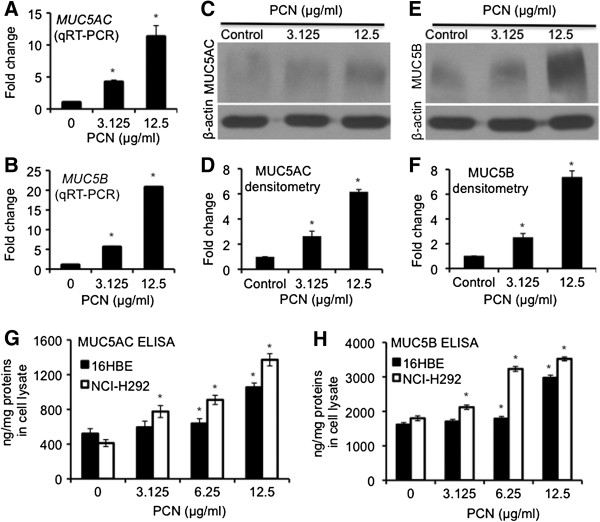
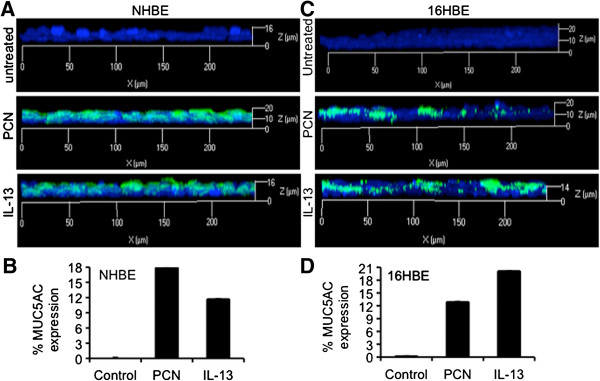
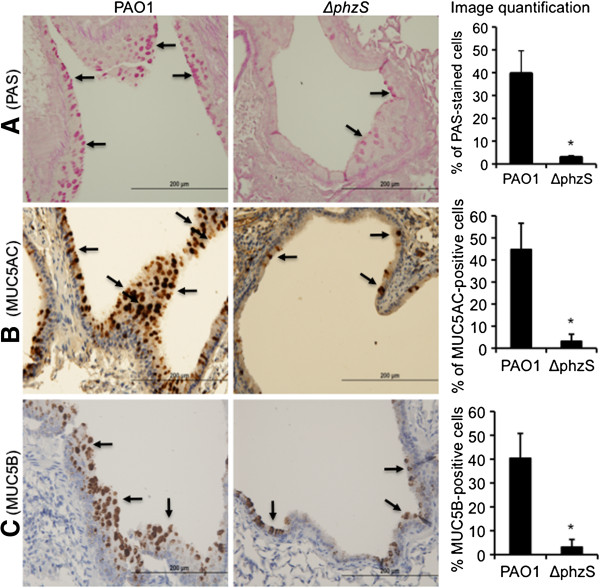
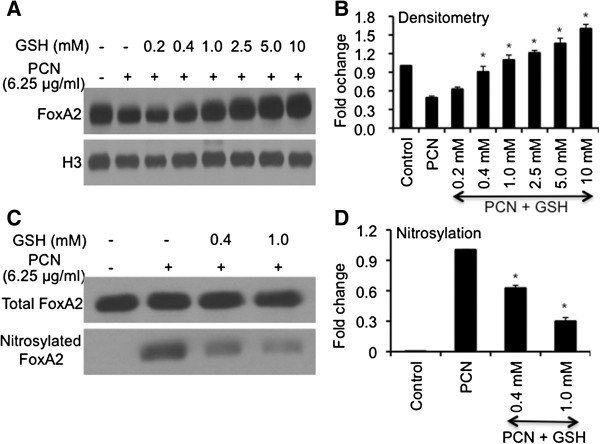
We examined the posttranslational modifications of FOXA2 by PCN using specific antibodies against oxidation, nitrosylation, acetylation and ubiquitination. Electrophoretic mobility shift assay (EMSA) was used to examine the ability of modified FOXA2 to bind the promoter of MUC5B mucin gene. In addition, we used quantitative real time PCR, ELISA, immunofluorescence and mouse lung infection to assess whether the loss of FOXA2 function caused GCHM and mucin overexpression. Finally, we examined the restoration of FOXA2 function by the antioxidant glutathione (GSH).
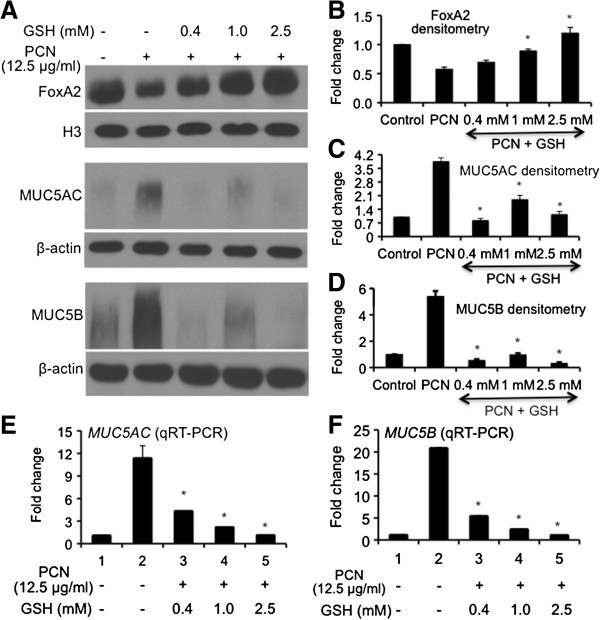
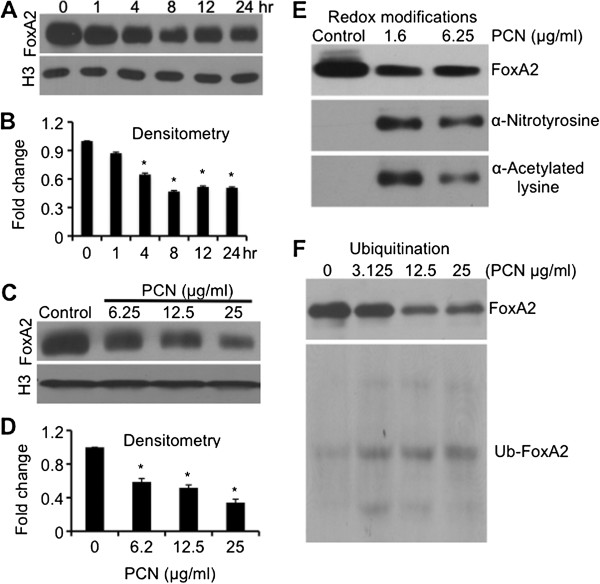
We found that PCN-generated ROS/RNS caused nitrosylation, acetylation, ubiquitination and degradation of FOXA2. Modified FOXA2 had reduced ability to bind the promoter of the MUC5B gene. The antioxidant GSH alleviated the modification of FOXA2 by PCN, and inhibited the overexpression of MUC5AC and MUC5B mucins.
These results suggest that PCN-mediated posttranslational modifications of FOXA2 are positively correlated with GCHM and overexpression of airway mucins. Furthermore, antioxidant treatment restores the function of FOXA2 to attenuate GCHM and mucus hypersecretion.
呼吸病原体铜绿假单胞菌(PA)分泌的氧化还原活性吡咯菌素(PCN)是一种有毒的次级代谢物。先前,我们已经表明,长期暴露于 PCN 的小鼠肺部会发生杯状细胞增生和化生(GCHM)以及粘液分泌过多、纤维化和肺气肿。这些病理特征常见于几种慢性肺部疾病的气道中,包括囊性纤维化(CF),以及叉头框 A2(FOXA2)缺失的小鼠气道中,FOXA2 是杯状细胞 GCHM 和粘液生物合成的转录抑制剂。此外,PCN 通过激活前 GCHM 信号通路 Stat6 和 EGFR 来抑制 FOXA2。然而,目前尚不清楚 PCN 产生的活性氧(ROS)和活性氮(RNS)是否会对 FOXA2 进行翻译后修饰并使其失活。
我们使用针对氧化、硝化、乙酰化和泛素化的特异性抗体来检查 PCN 对 FOXA2 的翻译后修饰。电泳迁移率变动分析(EMSA)用于检查修饰后的 FOXA2 结合 MUC5B 粘蛋白基因启动子的能力。此外,我们使用定量实时 PCR、ELISA、免疫荧光和小鼠肺感染来评估 FOXA2 功能丧失是否导致 GCHM 和粘蛋白过度表达。最后,我们检查了抗氧化剂谷胱甘肽(GSH)对 FOXA2 功能的恢复作用。
我们发现,PCN 产生的 ROS/RNS 导致 FOXA2 的硝化、乙酰化、泛素化和降解。修饰后的 FOXA2 结合 MUC5B 基因启动子的能力降低。抗氧化剂 GSH 减轻了 PCN 对 FOXA2 的修饰,并抑制了 MUC5AC 和 MUC5B 粘蛋白的过度表达。
这些结果表明,PCN 介导的 FOXA2 翻译后修饰与 GCHM 和气道粘蛋白过度表达呈正相关。此外,抗氧化剂治疗恢复了 FOXA2 的功能,从而减轻 GCHM 和粘液分泌过多。