Centre of Biotechnologies, Antonio Cardarelli Hospital, Naples, Italy.
PLoS One. 2013 Jul 29;8(7):e69972. doi: 10.1371/journal.pone.0069972. Print 2013.
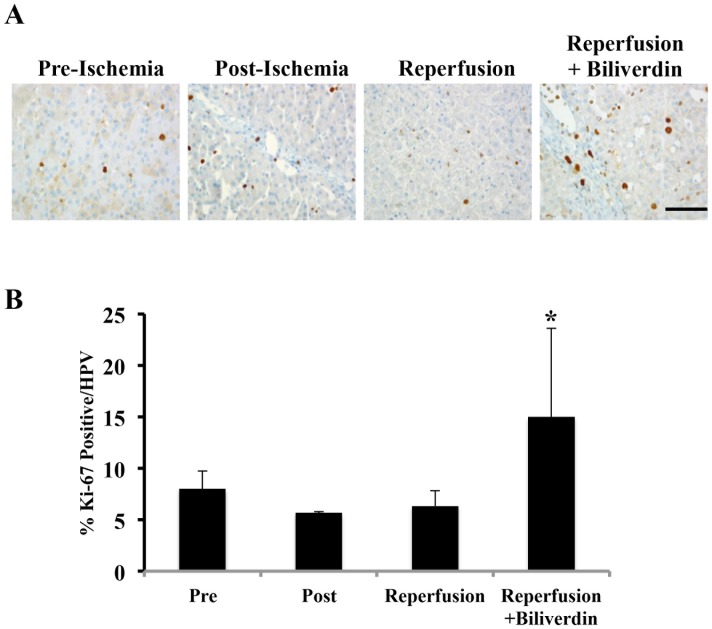
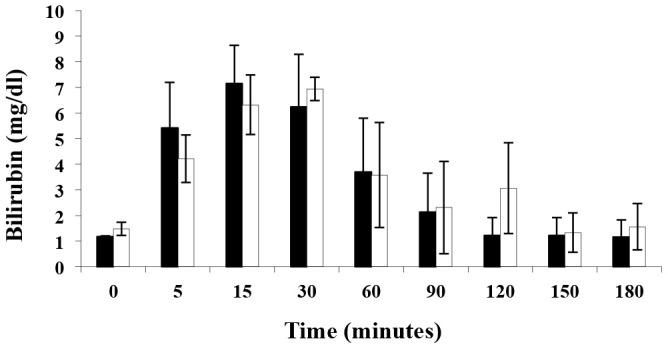
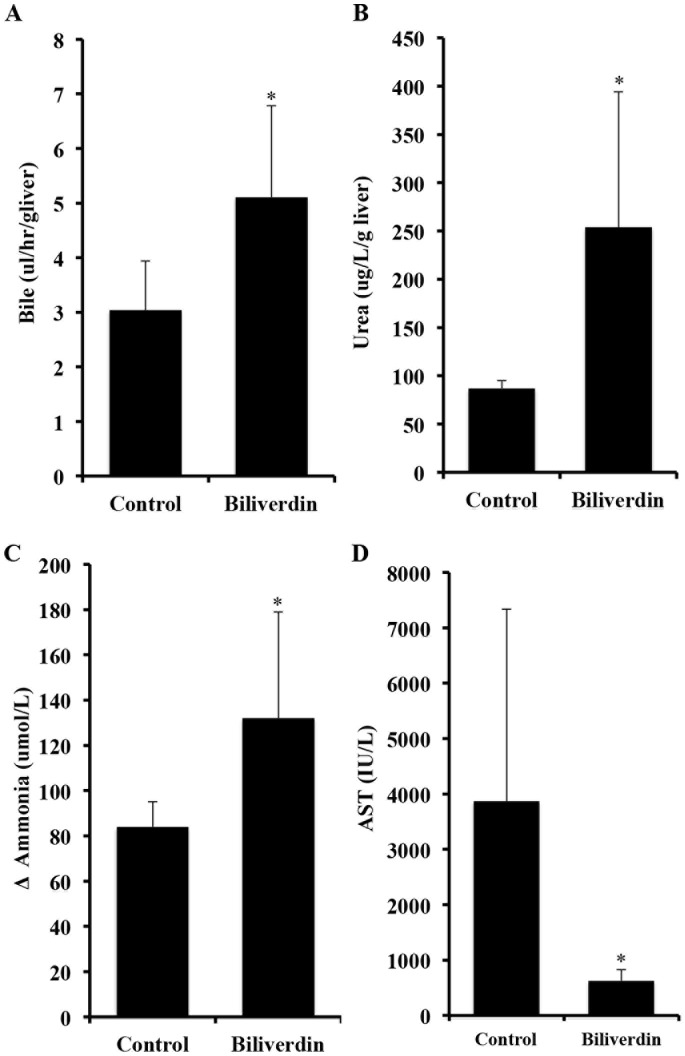
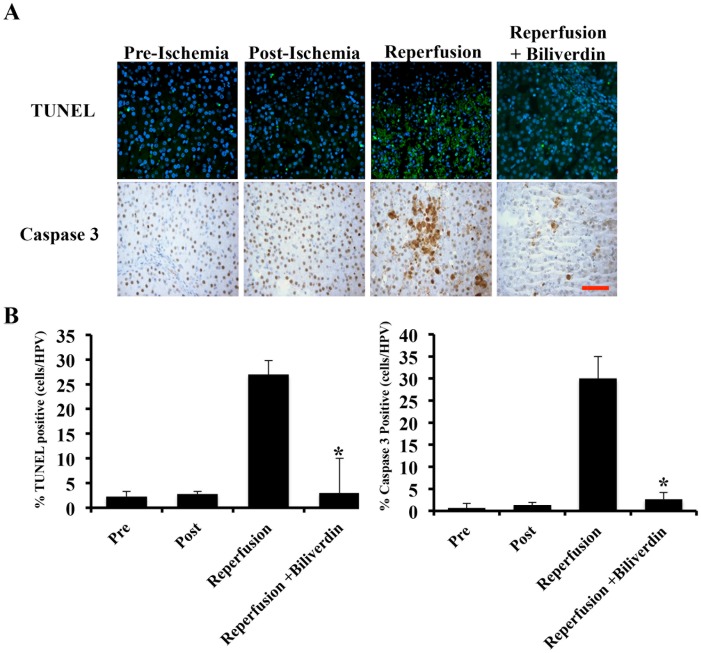
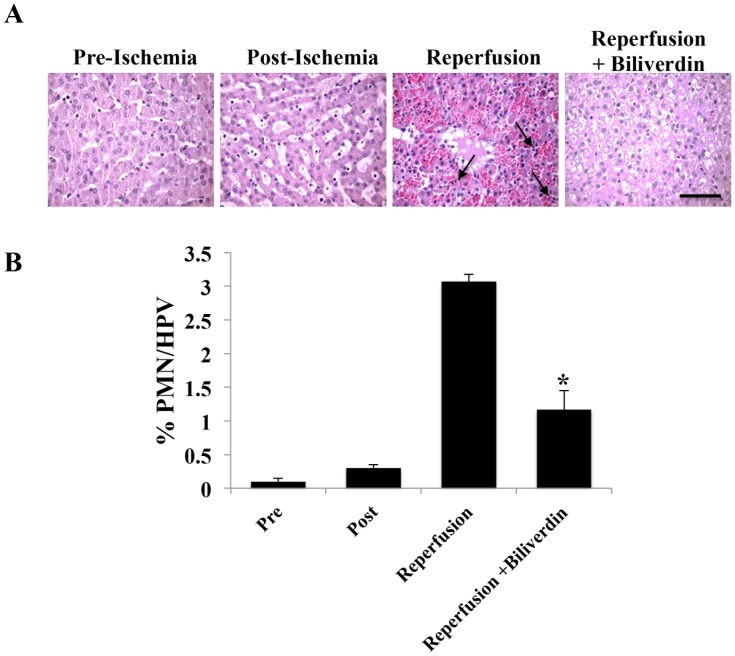
Ischemia reperfusion injury (IRI) in organ transplantation remains a serious and unsolved problem. Organs that undergo significant damage during IRI, function less well immediately after reperfusion and tend to have more problems at later times when rejection can occur. Biliverdin has emerged as an agent that potently suppress IRI in rodent models. Since the use of biliverdin is being developed as a potential therapeutic modality for humans, we tested the efficacy for its effects on IRI of the liver in swine, an accepted and relevant pre-clinical animal model. Administration of biliverdin resulted in rapid appearance of bilirubin in the serum and significantly suppressed IRI-induced liver dysfunction as measured by multiple parameters including urea and ammonia clearance, neutrophil infiltration and tissue histopathology including hepatocyte cell death. Taken together, our findings, in a large animal model, provide strong support for the continued evaluation of biliverdin as a potential therapeutic in the clinical setting of transplantation of the liver and perhaps other organs.
器官移植中的缺血再灌注损伤(IRI)仍然是一个严重且未解决的问题。在 IRI 过程中遭受重大损伤的器官,在再灌注后立即功能不佳,并且在以后可能发生排斥反应时更容易出现问题。胆红素已成为一种在啮齿动物模型中有效抑制 IRI 的药物。由于胆红素的使用正在被开发为人类的一种潜在治疗方式,我们测试了其对猪肝脏 IRI 的疗效,猪是一种被认可的相关临床前动物模型。胆红素的给药导致血清中胆红素的快速出现,并通过包括尿素和氨清除率、中性粒细胞浸润和组织组织病理学(包括肝细胞死亡)在内的多个参数显著抑制 IRI 诱导的肝功能障碍。总之,我们在大型动物模型中的发现为进一步评估胆红素作为移植肝脏和其他器官的临床治疗的潜在治疗方法提供了有力支持。