Department of Mechanical and Industrial Engineering, Ryerson University, 350 Victoria Street, Toronto, ON M5B 2K3, Canada.
Nanoscale Res Lett. 2013 Aug 8;8(1):348. doi: 10.1186/1556-276X-8-348.
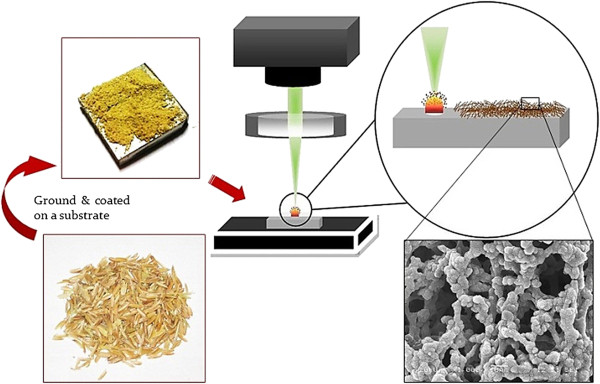
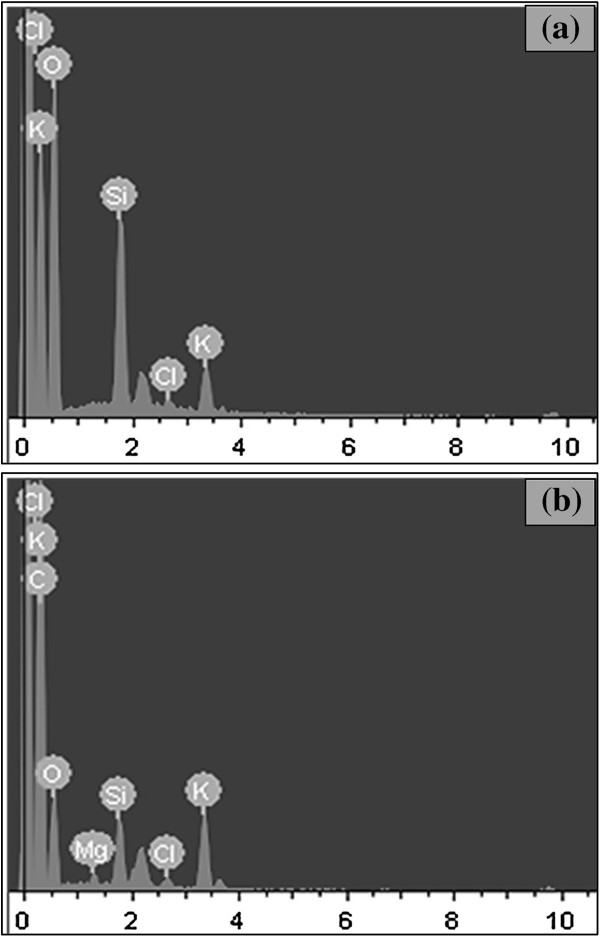
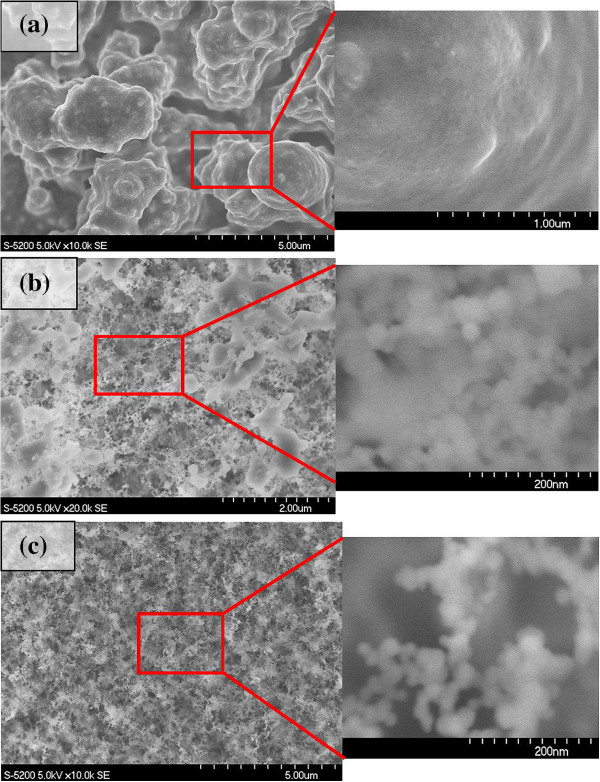
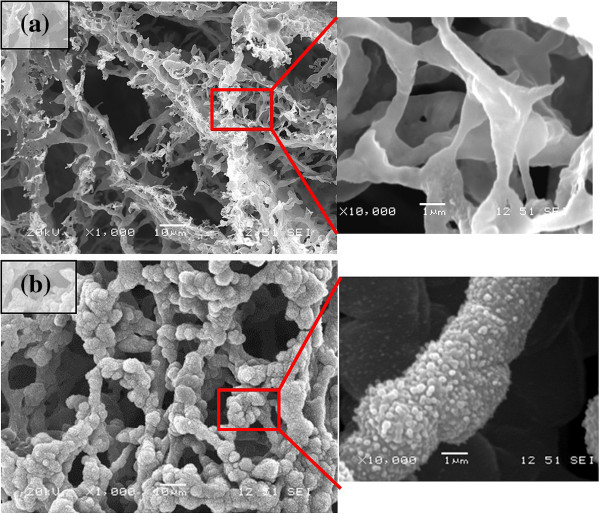
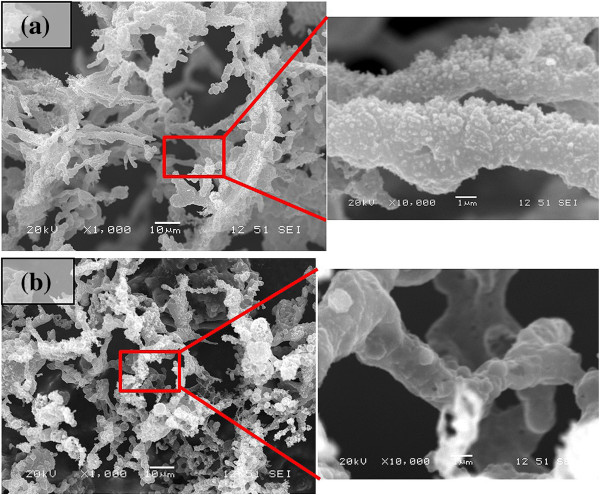
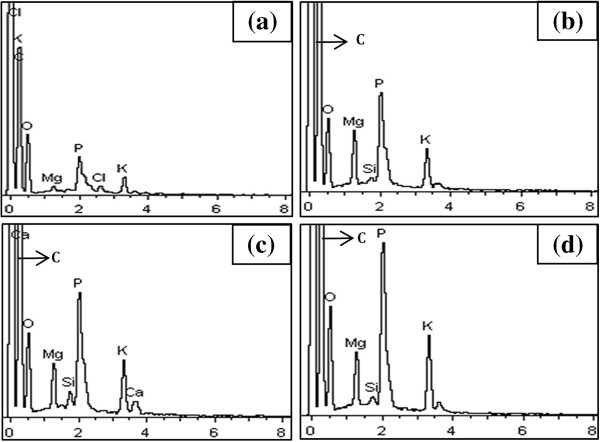
This study proposes a novel technique to synthesize functional carbonaceous three-dimensional (3-D) micro/nanocompounds from agricultural by-products using femtosecond laser irradiation. Biowastes of rice husk and wheat straw are value-engineered to carbonaceous structures in a single-step process under ambient conditions. Our results demonstrate that by controlling the laser fluence, structures with a variety of different morphologies from nanostructures to microstructures can be achieved. Also, the results indicate that altering the laser processing parameters influences the chemical composition of the synthesized structures. This sustainable approach presents an important step towards synthesizing 3-D micro/nanofibrous compounds from biowaste materials. These structures, as-synthesized or as nanocomposite fillers, can have practical uses in electronic, sensing, biological, and environmental applications.
本研究提出了一种利用飞秒激光辐照从农业副产品中合成功能性碳质三维(3-D)微/纳复合物的新方法。使用飞秒激光辐照,稻壳和麦秆等生物废料在环境条件下一步即可转化为碳质结构。我们的结果表明,通过控制激光能量密度,可以实现从纳米结构到微结构等多种不同形态的结构。此外,研究结果表明,改变激光加工参数会影响所合成结构的化学成分。这种可持续的方法为从生物废料中合成 3-D 微/纳米纤维状复合物迈出了重要一步。这些结构无论是作为合成物还是纳米复合材料的填充物,都可以在电子、传感、生物和环境应用中得到实际应用。