Olumide Stephen Akinsomisoye, Raji Yinusa
Department of Physiological Sciences, College of Health Sciences, Obafemi Awolowo University, Ile - Ife, Osun State, Nigeria.
J Reprod Infertil. 2011 Oct;12(4):249-60.
Artesunate is commonly used in malaria therapy. Many antimalarial drugs have been associated with male reproductive dysfunction. The effect of artesunate on male reproductive activities was studied using in-vivo and in-vitro experimental models.
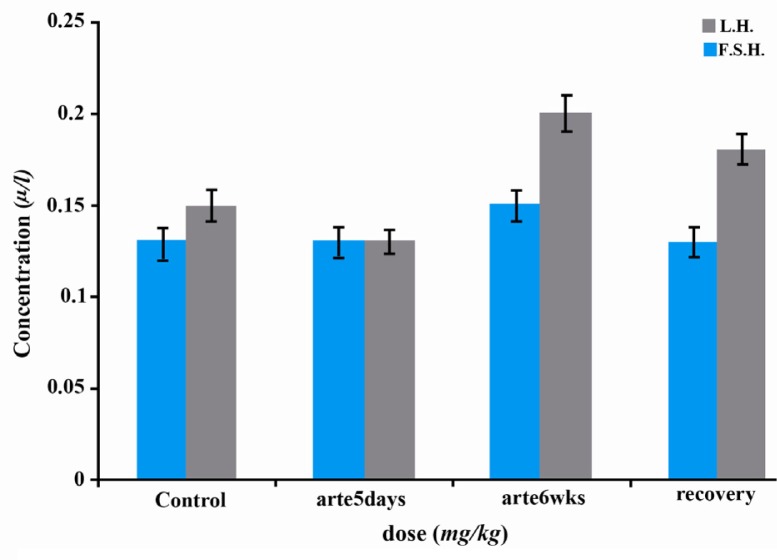
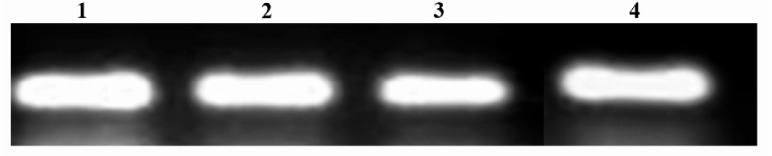
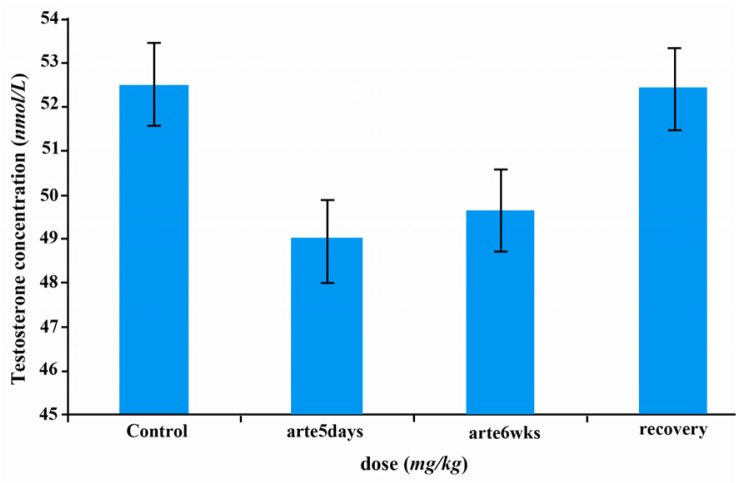
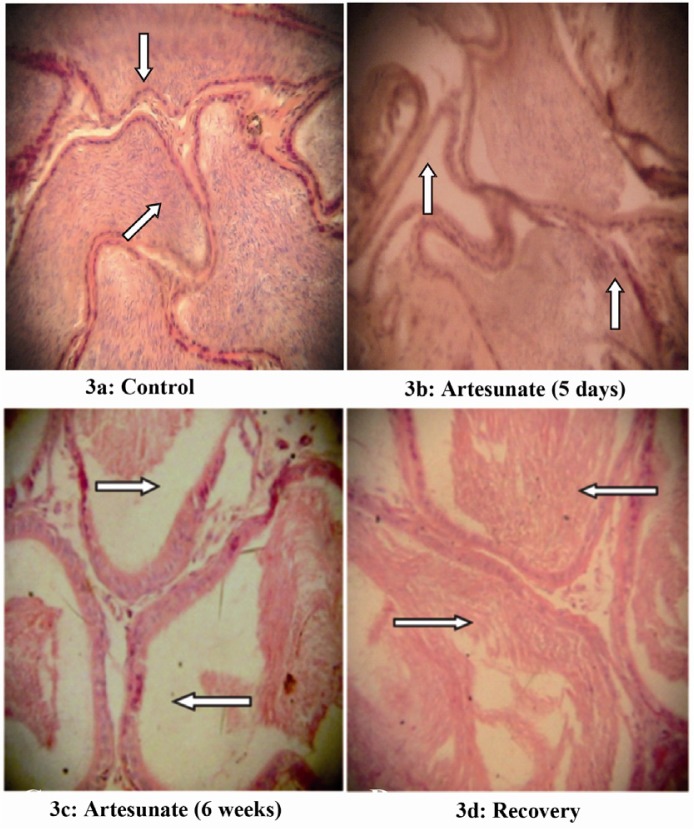
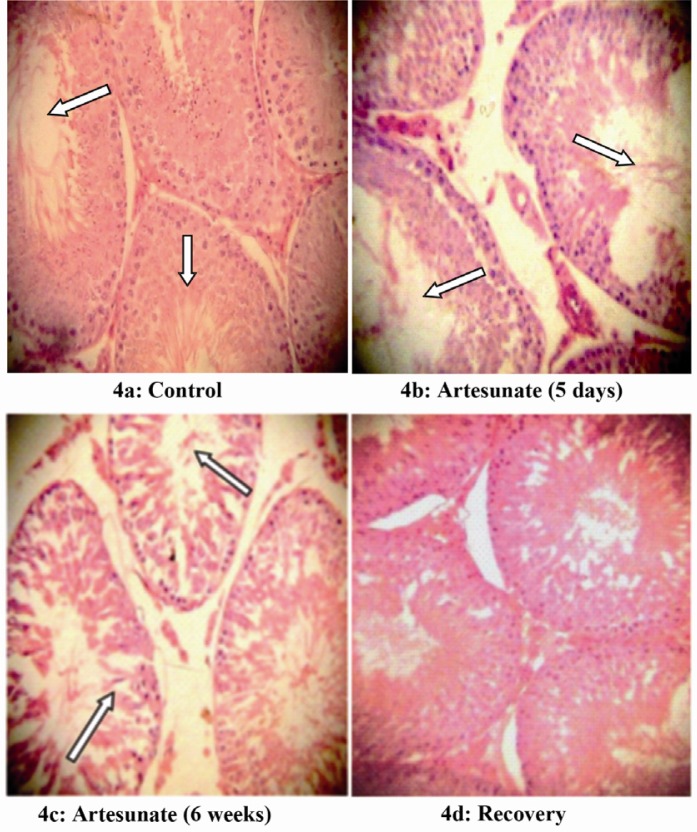
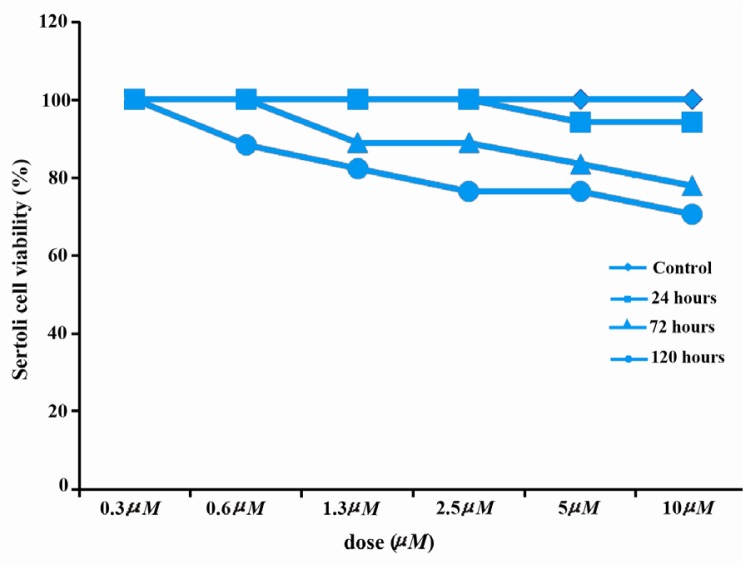
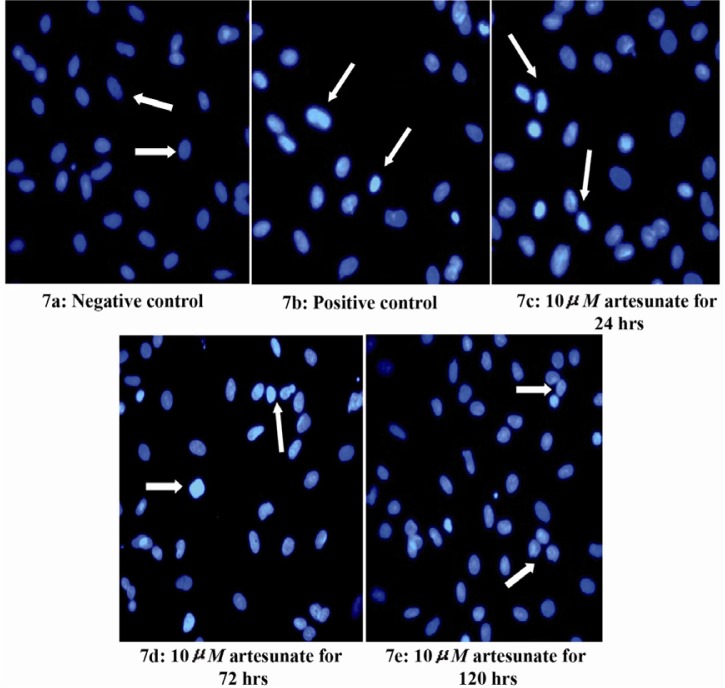
Adult male rats (n=6) were orally given artesunate (2.9 mg/kg body weight) on daily basis for five days. Artesunate (2.9 mg/kg body weight) was administered to another group of rats daily for six weeks, while there was a recovery group of rats too. The control animals received the vehicle only. At the end of the treatment, sperm characteristics, serum follicle stimulating hormone, luteinizing hormone and testosterone levels, testicular and epididymal histology and fertility were assessed. Cultured Sertoli cells were treated with 0.3 µM to 10 µM artesunate for five days after which Sertoli cell viability, double-stranded deoxyribonucleic acid (ds-DNA) integrity and genetic expression of Glial cell line-derived neurotrophic factor (GDNF) and transferrin were assessed. The data were analyzed using Graphpad Instat Statistical software. A probability value of p <0.05 was considered significant.
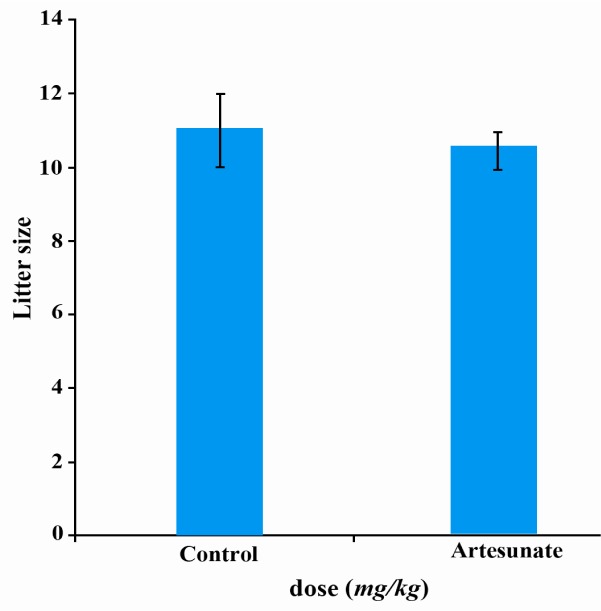
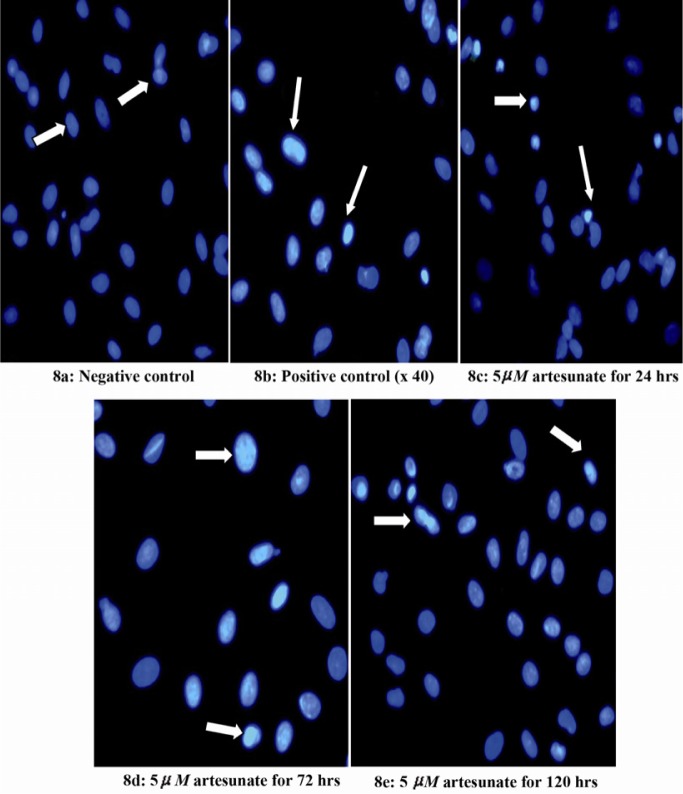
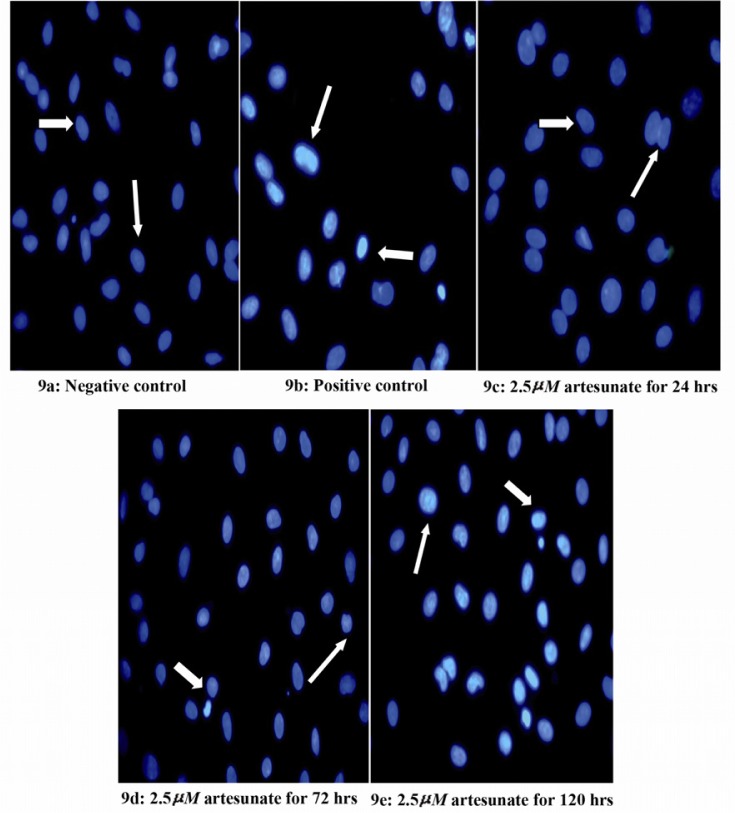
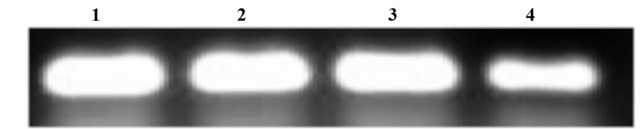
Artesunate did not cause any significant effects in short-term administration but significantly reduced the aforesaid parameters in long-term administration. There were visible lesions in the testicular and epididymal histological studies, although fertility was not significantly reduced. These changes were restored in the recovery experiment. In-vitro studies showed dose and duration dependent changes in Sertoli cell viability and ds-DNA integrity. However, transferrin and GDNF gene expressions were normal.
The results suggest that long-term administration of artesunate could induce reversible infertility in rats which may act via distortion of blood-testis barrier formed by Sertoli cells.
青蒿琥酯常用于疟疾治疗。许多抗疟药物都与男性生殖功能障碍有关。本研究采用体内和体外实验模型,探讨青蒿琥酯对雄性生殖活动的影响。
成年雄性大鼠(n = 6)连续5天每天口服青蒿琥酯(2.9毫克/千克体重)。另一组大鼠每天给予青蒿琥酯(2.9毫克/千克体重),持续6周,同时设有恢复组。对照动物仅接受赋形剂。治疗结束时,评估精子特征、血清卵泡刺激素、黄体生成素和睾酮水平、睾丸和附睾组织学以及生育能力。培养的支持细胞用0.3 μM至10 μM青蒿琥酯处理5天,之后评估支持细胞活力、双链脱氧核糖核酸(ds-DNA)完整性以及胶质细胞源性神经营养因子(GDNF)和转铁蛋白的基因表达。使用Graphpad Instat统计软件分析数据。p <0.05的概率值被认为具有统计学意义。
短期给药时,青蒿琥酯未产生任何显著影响,但长期给药时显著降低了上述参数。睾丸和附睾组织学研究中可见病变,尽管生育能力未显著降低。这些变化在恢复实验中得以恢复。体外研究显示,支持细胞活力和ds-DNA完整性存在剂量和时间依赖性变化。然而,转铁蛋白和GDNF基因表达正常。
结果表明,长期给予青蒿琥酯可诱导大鼠可逆性不育,可能是通过破坏支持细胞形成的血睾屏障起作用。