Department of Medicine, Northwestern University, Chicago, Illinois, USA.
PLoS One. 2013 Aug 1;8(8):e70176. doi: 10.1371/journal.pone.0070176. Print 2013.
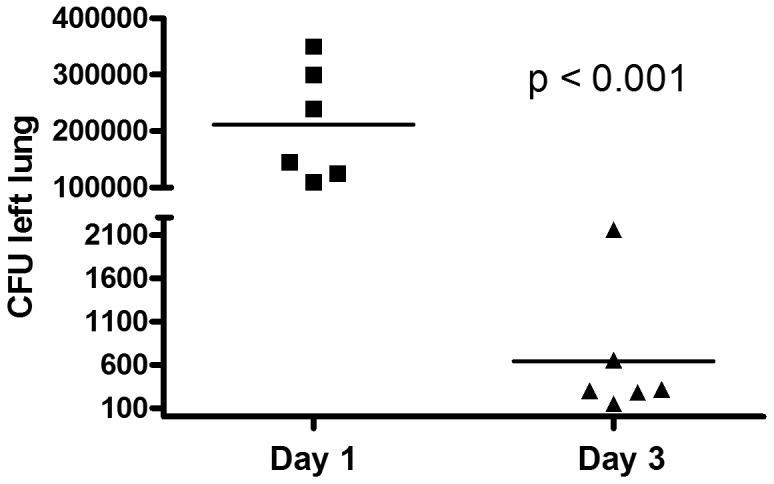
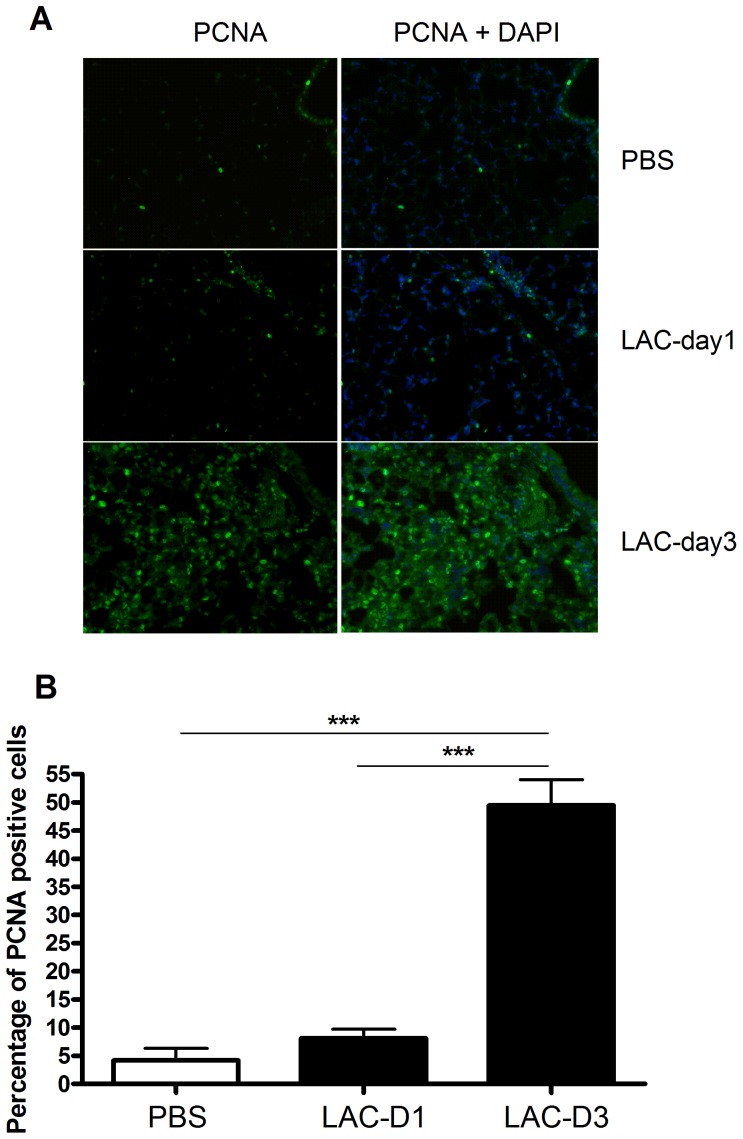
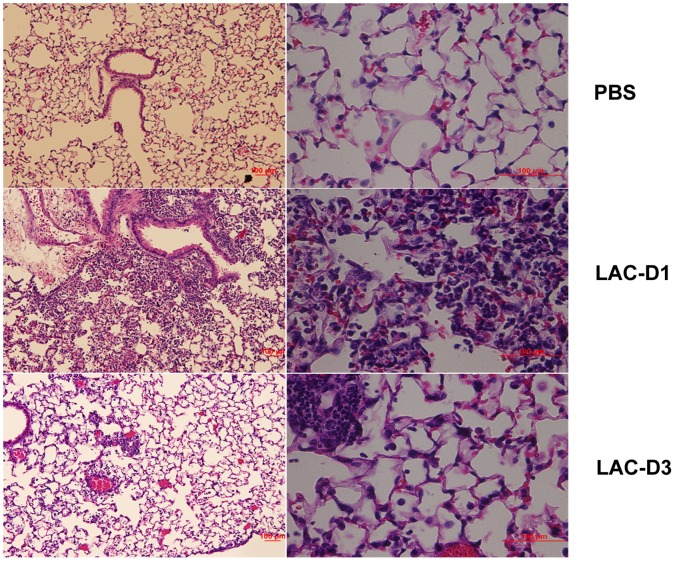
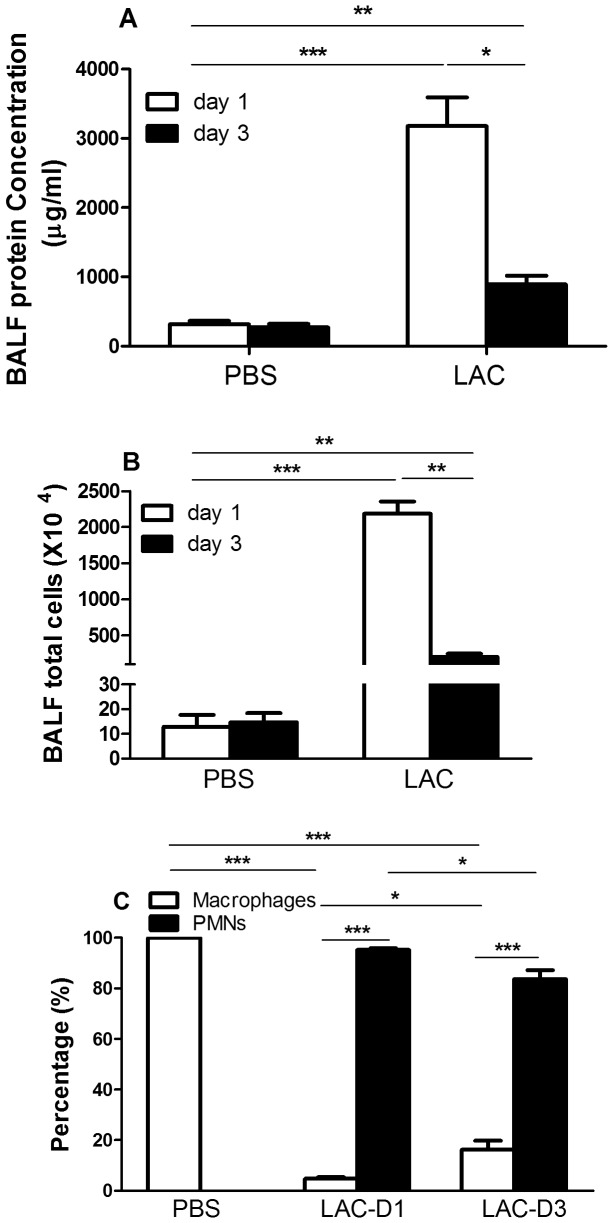
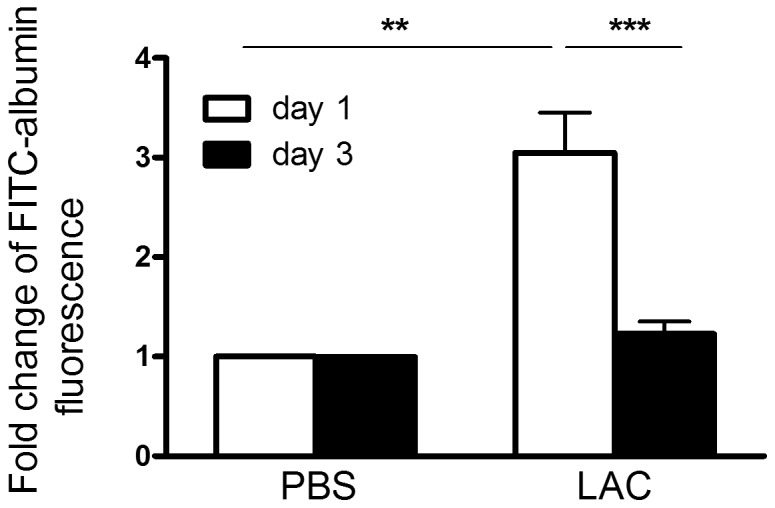
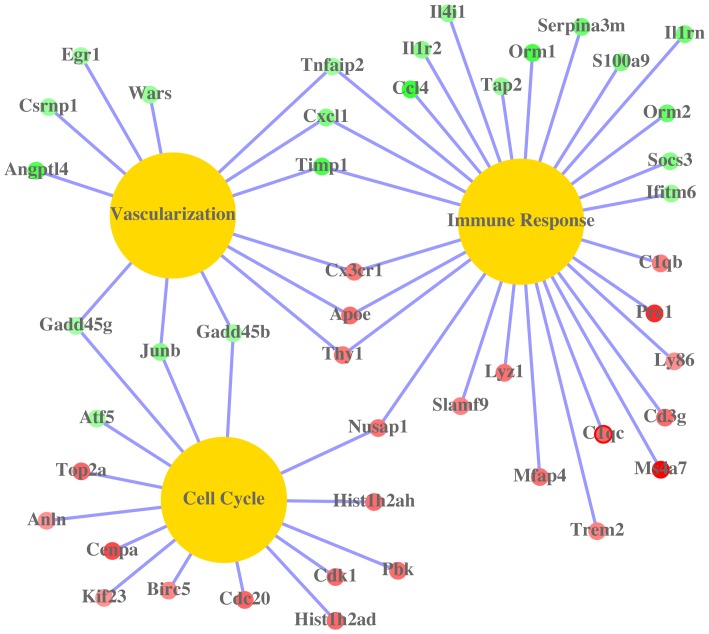
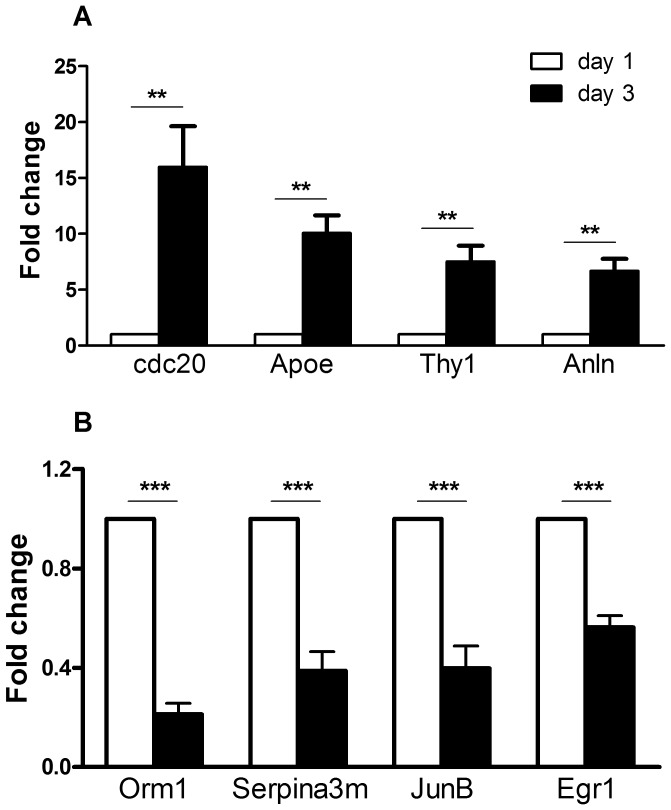
Community associated methicillin-resistant Staphylococcus aureus (CA-MRSA) is an emerging threat to human health throughout the world. Rodent MRSA pneumonia models mainly focus on the early innate immune responses to MRSA lung infection. However, the molecular pattern and mechanisms of recovery from MRSA lung infection are largely unknown. In this study, a sublethal mouse MRSA pneumonia model was employed to investigate late events during the recovery from MRSA lung infection. We compared lung bacterial clearance, bronchoalveolar lavage fluid (BALF) characterization, lung histology, lung cell proliferation, lung vascular permeability and lung gene expression profiling between days 1 and 3 post MRSA lung infection. Compared to day 1 post infection, bacterial colony counts, BALF total cell number and BALF protein concentration significantly decreased at day 3 post infection. Lung cDNA microarray analysis identified 47 significantly up-regulated and 35 down-regulated genes (p<0.01, 1.5 fold change [up and down]). The pattern of gene expression suggests that lung recovery is characterized by enhanced cell division, vascularization, wound healing and adjustment of host adaptive immune responses. Proliferation assay by PCNA staining further confirmed that at day 3 lungs have significantly higher cell proliferation than at day 1. Furthermore, at day 3 lungs displayed significantly lower levels of vascular permeability to albumin, compared to day 1. Collectively, this data helps us elucidate the molecular mechanisms of the recovery after MRSA lung infection.
社区获得性耐甲氧西林金黄色葡萄球菌(CA-MRSA)是全世界范围内人类健康的新兴威胁。啮齿动物耐甲氧西林金黄色葡萄球菌性肺炎模型主要集中在对耐甲氧西林金黄色葡萄球菌肺部感染的早期固有免疫反应上。然而,从耐甲氧西林金黄色葡萄球菌肺部感染中恢复的分子模式和机制在很大程度上尚未可知。在本研究中,采用亚致死性小鼠耐甲氧西林金黄色葡萄球菌性肺炎模型来研究耐甲氧西林金黄色葡萄球菌肺部感染恢复过程中的晚期事件。我们比较了耐甲氧西林金黄色葡萄球菌肺部感染后第 1 天和第 3 天肺部细菌清除率、支气管肺泡灌洗液(BALF)特征、肺组织学、肺细胞增殖、肺血管通透性和肺基因表达谱。与感染后第 1 天相比,感染后第 3 天肺部细菌菌落计数、BALF 总细胞数和 BALF 蛋白浓度显著降低。肺 cDNA 微阵列分析鉴定出 47 个显著上调和 35 个下调基因(p<0.01,1.5 倍变化[上调和下调])。基因表达模式表明,肺恢复的特征是增强细胞分裂、血管生成、伤口愈合和宿主适应性免疫反应的调整。PCNA 染色增殖试验进一步证实,与第 1 天相比,第 3 天的肺部细胞增殖明显更高。此外,与第 1 天相比,第 3 天的肺部对白蛋白的血管通透性显著降低。总之,这些数据有助于阐明耐甲氧西林金黄色葡萄球菌肺部感染后恢复的分子机制。