Patel Jay, Whiting Jeffrey, Jones Daniel
Orthopaedic Department, Saint Louis University, 3635 Vista Boulevard, St. Louis, MO 63104, USA.
Case Rep Orthop. 2013;2013:782106. doi: 10.1155/2013/782106. Epub 2013 Jul 7.
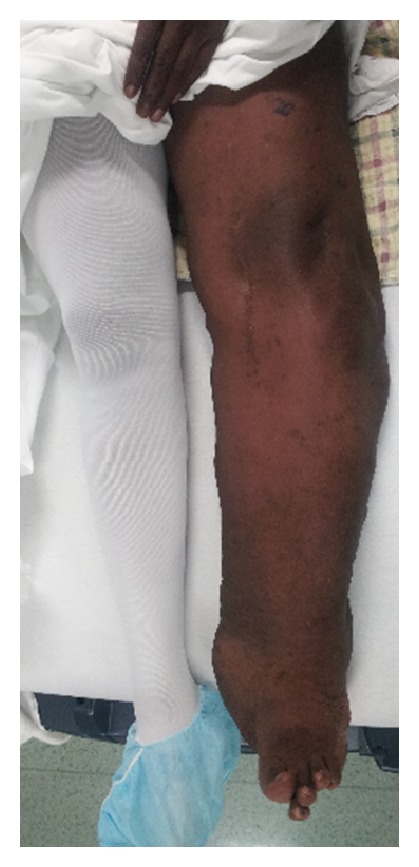
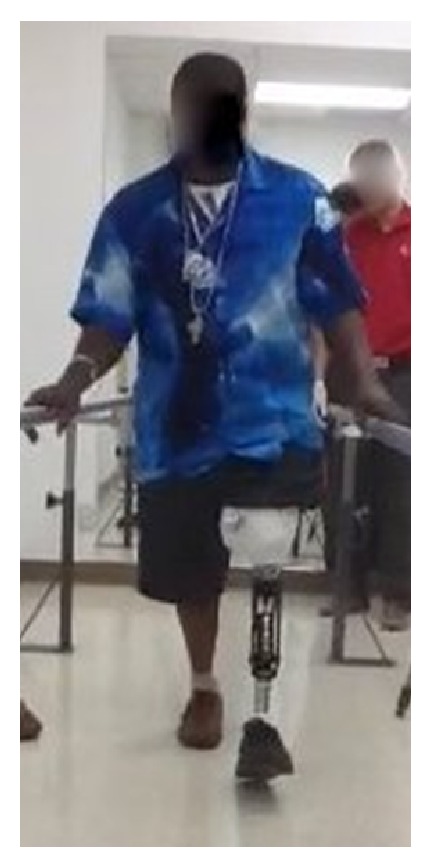
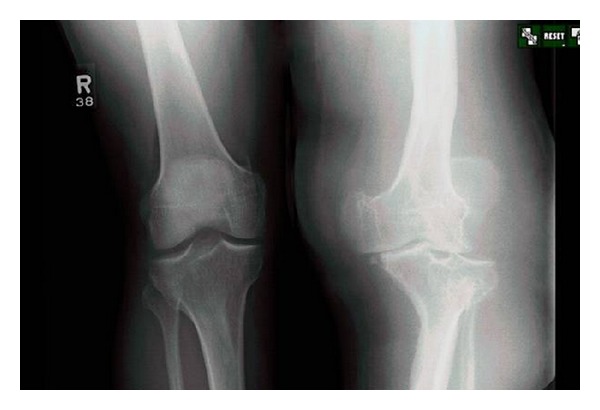
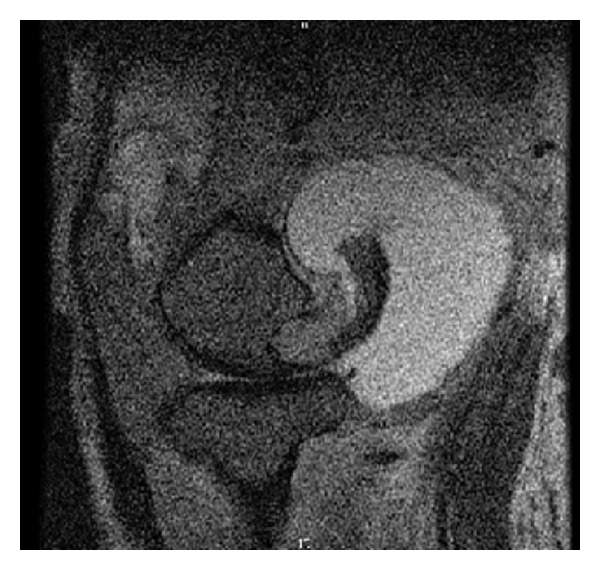
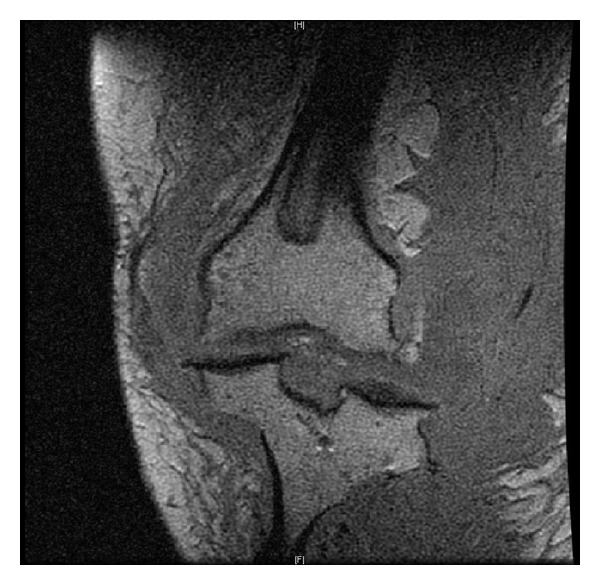
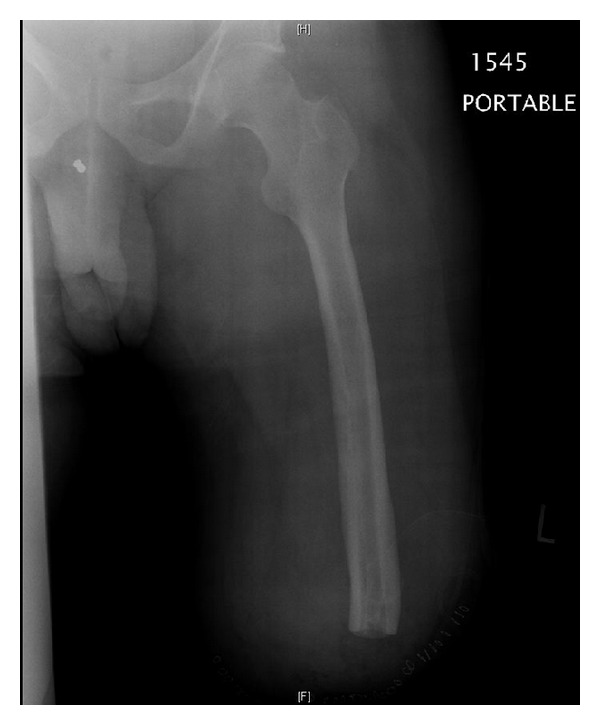
Background. Neurofibromatosis Type 1 (NF-1) has a variety of associated orthopaedic manifestations that have been previously reported. We report a case of severe, grade 4 knee osteoarthritis (OA) with recurrent subluxation and joint laxity due to multiple extra-articular neurofibromas ultimately treated with Above the Knee Amputation (AKA). Case Description. A 39-year-old man presented with multiple neurofibromas and lymphedema leading to degenerative changes of the knee. Conservative treatment failed due to the severity of the knee degeneration and patient discomfort. Likewise, arthroplasty was not possible due to poor bone quality and joint instability. Therefore, AKA was selected to relieve symptoms and provide functional improvement. six months after the procedure the patient has increased functional capacity for ambulation and activities of daily living, as well as significant decrease in pain and discomfort. Clinical Relevance. Extra-articular neurofibromas causing severe secondary OA in relatively young patients can be functionally improved with AKA and prosthetic device use.
背景。1型神经纤维瘤病(NF-1)有多种先前已报道的相关骨科表现。我们报告一例因多发性关节外神经纤维瘤导致严重的4级膝关节骨关节炎(OA),伴有反复半脱位和关节松弛,最终接受了膝上截肢(AKA)治疗的病例。病例描述。一名39岁男性,患有多发性神经纤维瘤和淋巴水肿,导致膝关节发生退行性改变。由于膝关节退变严重和患者不适,保守治疗失败。同样,由于骨质不佳和关节不稳定,无法进行关节置换术。因此,选择AKA来缓解症状并改善功能。术后六个月,患者的行走和日常生活活动功能能力增强,疼痛和不适也显著减轻。临床意义。在相对年轻的患者中,关节外神经纤维瘤导致严重的继发性OA,通过AKA和使用假体装置可在功能上得到改善。