Department of Obstetrics and Gynecology, Takatsuki Red Cross Hospital, Takatsuki-city, Osaka 569-1096, Japan.
World J Surg Oncol. 2013 Aug 12;11(1):184. doi: 10.1186/1477-7819-11-184.
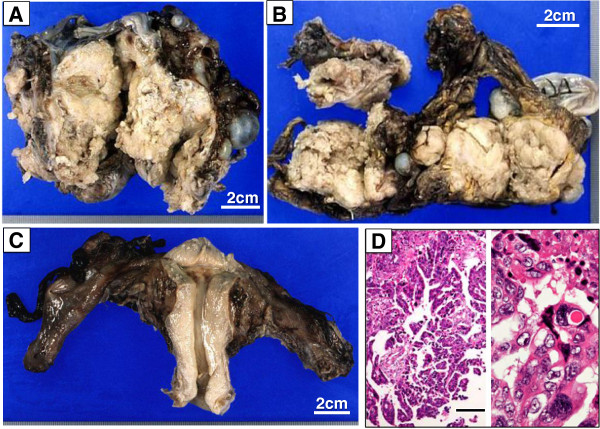
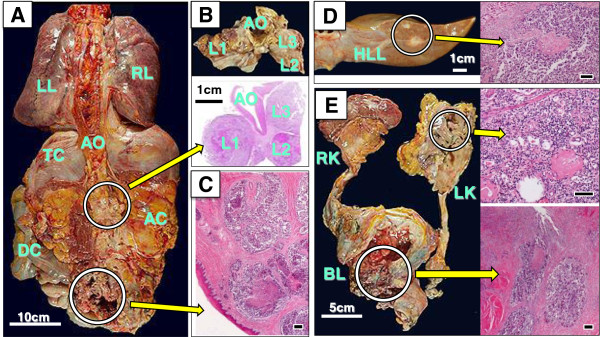
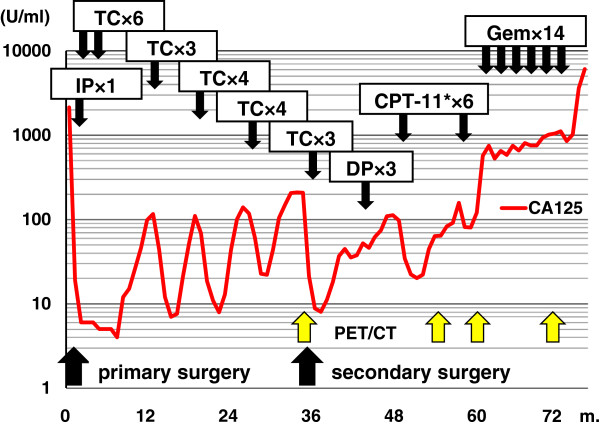
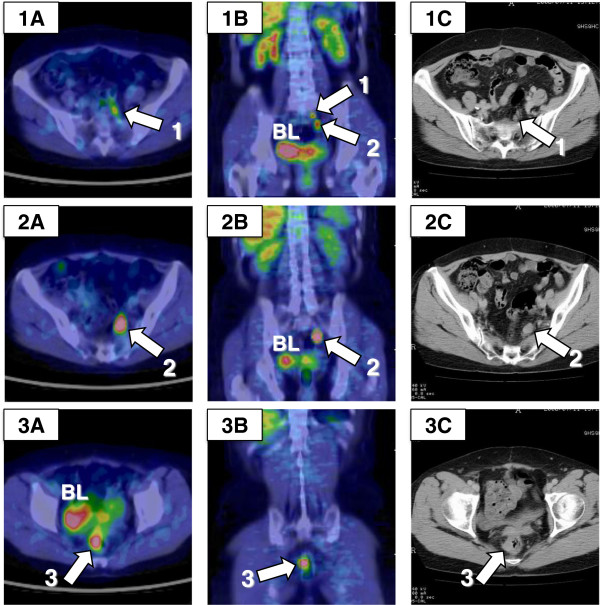
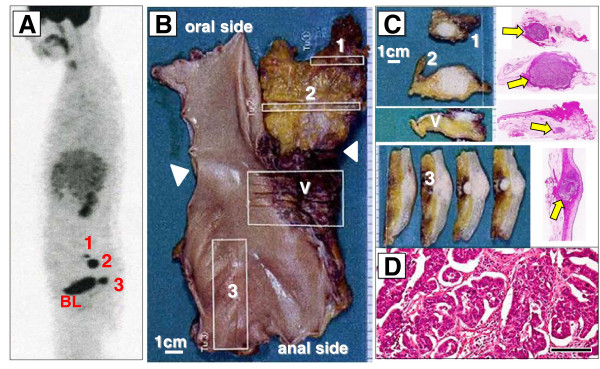
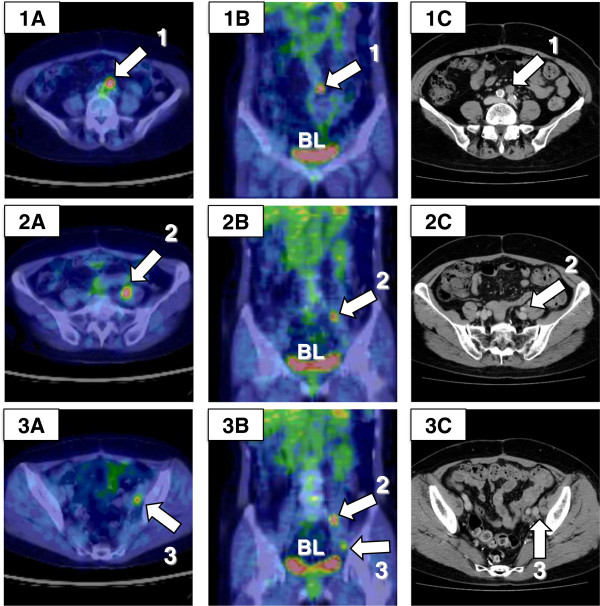
Although uncommon, ovarian cancer cells may spread to the rectal lymph nodes. However, few reports have described how to detect and treat such metastases. We report a case of a 59-year-old woman with mesorectal and pararectal lymph node metastases in recurrent ovarian carcinoma, detected conclusively using 18F-fluorodeoxyglucose (18F-FDG) positron emission tomography/computed tomography (PET/CT), and treated by low anterior resection with total mesorectal excision aiming for macroscopic complete resection. The treatment goals for the patient were gradually changed from curative to palliative chemotherapy; she survived for 45 months without rectal obstruction after secondary debulking surgery, and was followed up until autopsy. Thus, 18F-FDG PET/CT may be valuable for detecting rectal lymph node metastasis and can play an essential role in planning treatment for recurrent ovarian carcinoma.
虽然并不常见,但卵巢癌细胞可能会扩散到直肠淋巴结。然而,很少有报道描述如何检测和治疗这种转移。我们报告了一例 59 岁女性复发性卵巢癌患者存在中直肠和旁直肠淋巴结转移的病例,该患者通过 18F-氟脱氧葡萄糖(18F-FDG)正电子发射断层扫描/计算机断层扫描(PET/CT)得到明确诊断,并通过低位前切除术联合全直肠系膜切除术进行治疗,以实现肉眼完全切除。该患者的治疗目标逐渐从治愈性化疗变为姑息性化疗;她在二次减瘤手术后 45 个月没有出现直肠梗阻,并接受了随访,直至尸检。因此,18F-FDG PET/CT 可能有助于检测直肠淋巴结转移,并在复发性卵巢癌的治疗计划中发挥重要作用。