Robert Koch Institute, Berlin, Germany.
PLoS One. 2013 Aug 7;8(8):e70399. doi: 10.1371/journal.pone.0070399. eCollection 2013.
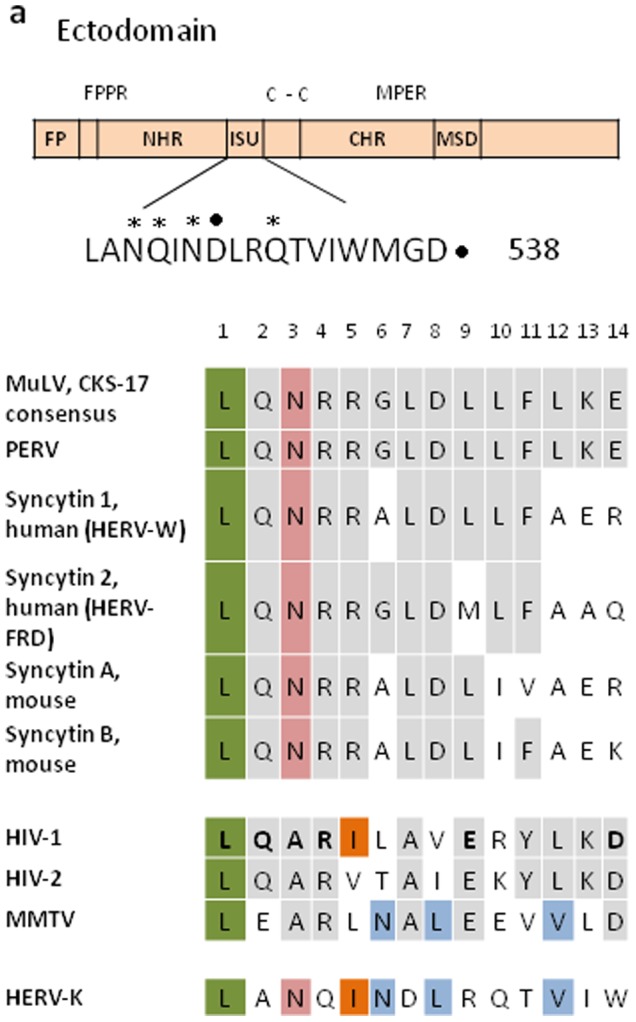
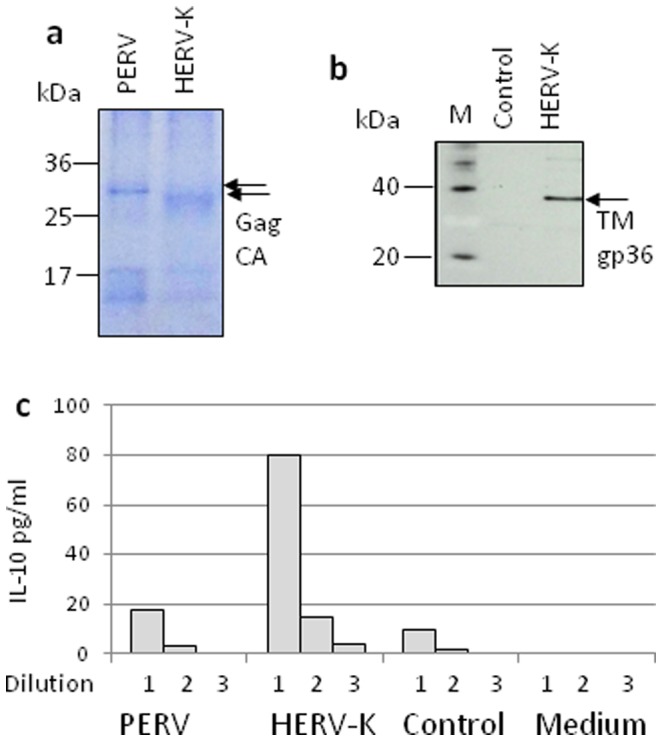
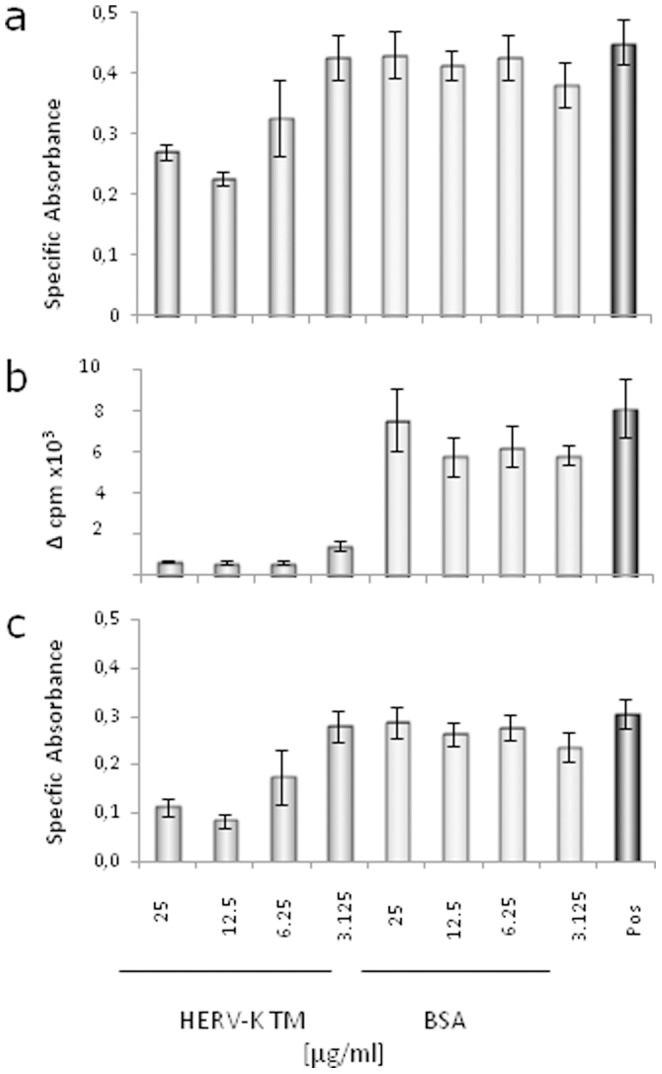
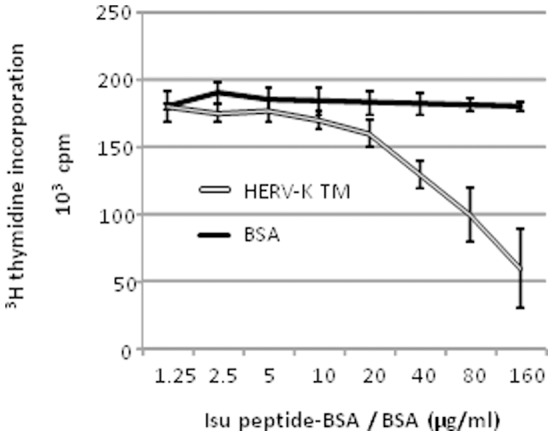
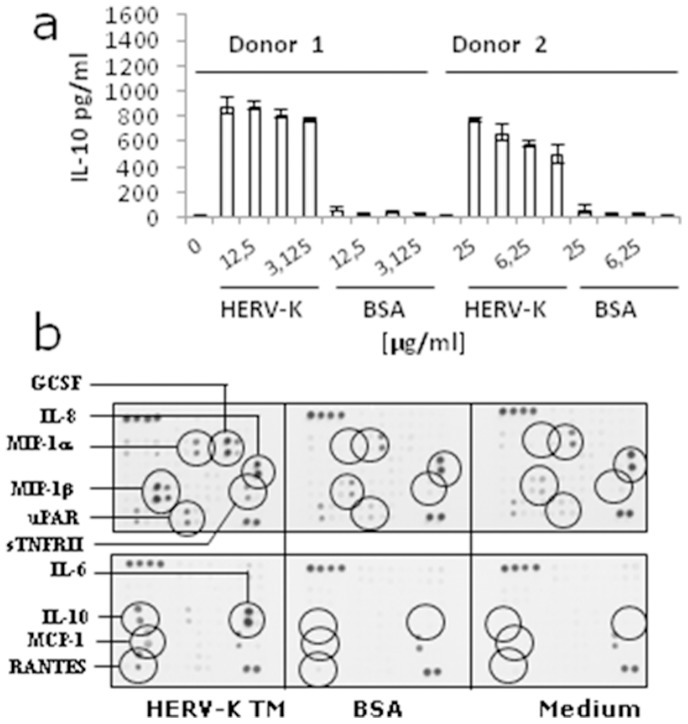
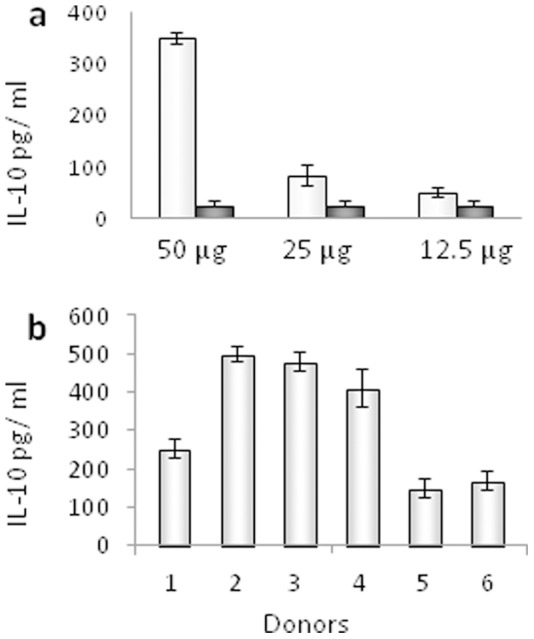
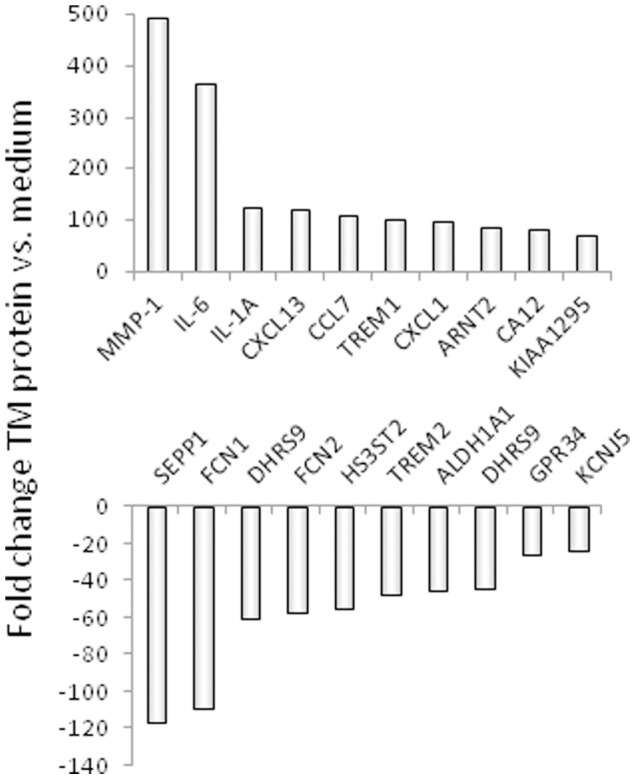
Numerous copies of endogenous retroviruses are present in the genome of mammals including man. Although most of them are defective, some, e.g., the human endogenous retroviruses HERV-K, were found to be expressed under certain physiological conditions. For instance, HERV-K is expressed in germ cell tumours and melanomas as well as in the placenta. Most exogenous retroviruses including the human immunodeficiency virus HIV-1 induce severe immunodeficiencies and there is increasing evidence that the transmembrane envelope (TM) proteins of these retroviruses may be involved. We show here that HERV-K particles released from a human teratocarcinoma cell line, a recombinant TM protein and a peptide corresponding to a highly conserved so-called immunosuppressive domain in the TM protein of HERV-K inhibit the proliferation of human immune cells, induce modulation of the expression of numerous cytokines, and modulate the expression of cellular genes as detected by a microarray analysis. The changes in cytokine release and gene expression induced by the TM protein of HERV-K are similar to those found previously induced by the TM protein of HIV-1. These data suggest that the mechanism of immunosuppression may be similar for different retroviruses and that the expression of the TM protein in tumours and in the placenta may suppress immune responses and thus prevent rejection of the tumour and the embryo.
哺乳动物(包括人类)的基因组中存在大量内源性逆转录病毒的副本。虽然它们大多数都有缺陷,但有些,例如人类内源性逆转录病毒 HERV-K,在某些生理条件下被发现表达。例如,HERV-K 在生殖细胞瘤和黑色素瘤以及胎盘组织中表达。大多数外源性逆转录病毒,包括人类免疫缺陷病毒 HIV-1,会引起严重的免疫缺陷,越来越多的证据表明,这些逆转录病毒的跨膜包膜(TM)蛋白可能参与其中。我们在这里展示了从人类畸胎瘤细胞系释放的 HERV-K 颗粒、一种重组 TM 蛋白和对应于 HERV-K TM 蛋白中高度保守的所谓免疫抑制结构域的肽抑制人类免疫细胞的增殖,诱导众多细胞因子表达的调节,以及通过微阵列分析调节细胞基因的表达。由 HERV-K 的 TM 蛋白诱导的细胞因子释放和基因表达的变化与先前由 HIV-1 的 TM 蛋白诱导的变化相似。这些数据表明,不同逆转录病毒的免疫抑制机制可能相似,肿瘤和胎盘组织中 TM 蛋白的表达可能会抑制免疫反应,从而防止肿瘤和胚胎被排斥。