Morshed Syed A, Ma Risheng, Latif Rauf, Davies Terry F
Thyroid Research Unit, Icahn School of Medicine at Mount Sinai, and James J. Peters VA Medical Center, New York, NY, USA.
J Autoimmun. 2013 Dec;47:17-24. doi: 10.1016/j.jaut.2013.07.009. Epub 2013 Aug 17.
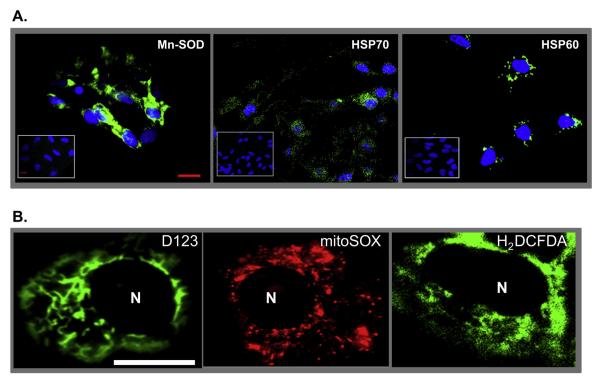
Thyroid stimulating hormone (TSH) activates two major G-protein arms, Gsα and Gq leading to initiation of down-stream signaling cascades for survival, proliferation and production of thyroid hormones. Antibodies to the TSH receptor (TSHR-Abs), found in patients with Graves' disease, may have stimulating, blocking, or neutral actions on the thyroid cell. We have shown previously that such TSHR-Abs are distinct signaling imprints after binding to the TSHR and that such events can have variable functional consequences for the cell. In particular, there is a great contrast between stimulating (S) TSHR-Abs, which induce thyroid hormone synthesis and secretion as well as thyroid cell proliferation, compared to so called "neutral" (N) TSHR-Abs which may induce thyroid cell apoptosis via reactive oxygen species (ROS) generation. In the present study, using a rat thyrocyte (FRTL-5) ex vivo model system, our hypothesis was that while N-TSHR-Abs can induce apoptosis via activation of mitochondrial ROS (mROS), the S-TSHR-Abs are able to stimulate cell survival and avoid apoptosis by actively suppressing mROS. Using fluorescent microscopy, fluorometry, live cell imaging, immunohistochemistry and immunoblot assays, we have observed that S-TSHR-Abs do indeed suppress mROS and cellular stress and this suppression is exerted via activation of the PKA/CREB and AKT/mTOR/S6K signaling cascades. Activation of these signaling cascades, with the suppression of mROS, initiated cell proliferation. In sharp contrast, a failure to activate these signaling cascades with increased activation of mROS induced by N-TSHR-Abs resulted in thyroid cell apoptosis. Our current findings indicated that signaling diversity induced by different TSHR-Abs regulated thyroid cell fate. While S-TSHR-Abs may rescue cells from apoptosis and induce thyrocyte proliferation, N-TSHR-Abs aggravate the local inflammatory infiltrate within the thyroid gland, or in the retro-orbit, by inducing cellular apoptosis; a phenomenon known to activate innate and by-stander immune-reactivity via DNA release from the apoptotic cells.
促甲状腺激素(TSH)激活两个主要的G蛋白臂,即Gsα和Gq,从而启动下游信号级联反应,以实现甲状腺细胞的存活、增殖以及甲状腺激素的产生。在格雷夫斯病患者体内发现的促甲状腺激素受体抗体(TSHR-Abs),可能对甲状腺细胞具有刺激、阻断或中性作用。我们之前已经表明,此类TSHR-Abs在与TSHR结合后会产生不同的信号印记,并且这些事件可能对细胞产生不同的功能影响。特别是,与所谓的“中性”(N)TSHR-Abs相比,刺激性(S)TSHR-Abs会诱导甲状腺激素合成、分泌以及甲状腺细胞增殖,而N-TSHR-Abs可能通过产生活性氧(ROS)诱导甲状腺细胞凋亡,二者形成了鲜明对比。在本研究中,我们使用大鼠甲状腺细胞(FRTL-5)离体模型系统,提出的假设是,虽然N-TSHR-Abs可通过激活线粒体ROS(mROS)诱导细胞凋亡,但S-TSHR-Abs能够通过积极抑制mROS来刺激细胞存活并避免细胞凋亡。通过荧光显微镜、荧光测定法、活细胞成像、免疫组织化学和免疫印迹分析,我们观察到S-TSHR-Abs确实能抑制mROS和细胞应激,并且这种抑制作用是通过激活PKA/CREB和AKT/mTOR/S6K信号级联反应来实现的。这些信号级联反应的激活以及mROS的抑制引发了细胞增殖。与之形成鲜明对比的是,N-TSHR-Abs诱导的mROS激活增加,导致这些信号级联反应无法激活,从而导致甲状腺细胞凋亡。我们目前的研究结果表明,不同TSHR-Abs诱导的信号多样性调节了甲状腺细胞的命运。S-TSHR-Abs可能使细胞免于凋亡并诱导甲状腺细胞增殖,而N-TSHR-Abs则通过诱导细胞凋亡加剧甲状腺内或眼眶后的局部炎症浸润;这一现象已知会通过凋亡细胞释放DNA激活先天性和旁观者免疫反应。