Park Min Jung, Lim Joon Seok
Department of Radiology, Yonsei University Health System, Yonsei University College of Medicine, Seoul, Korea.
Clin Endosc. 2013 Jul;46(4):327-66. doi: 10.5946/ce.2013.46.4.327. Epub 2013 Jul 31.
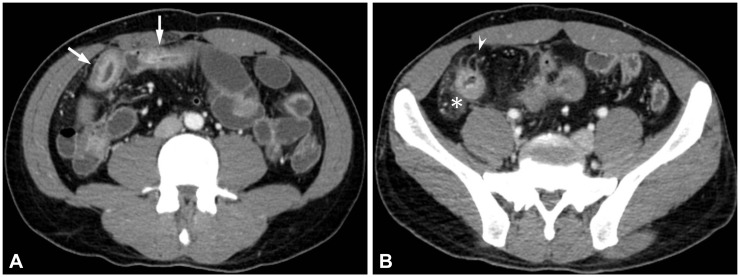
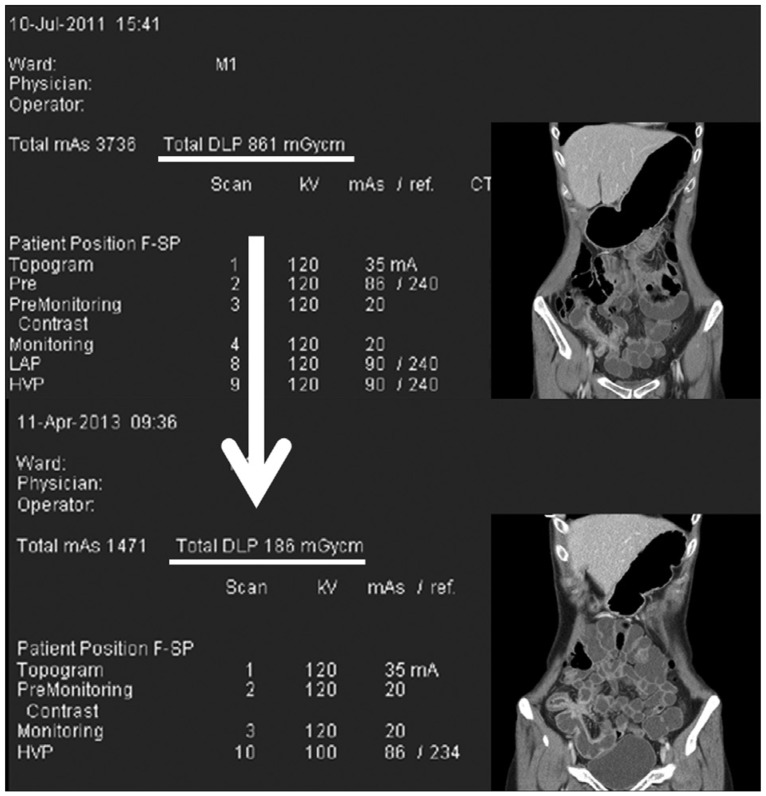
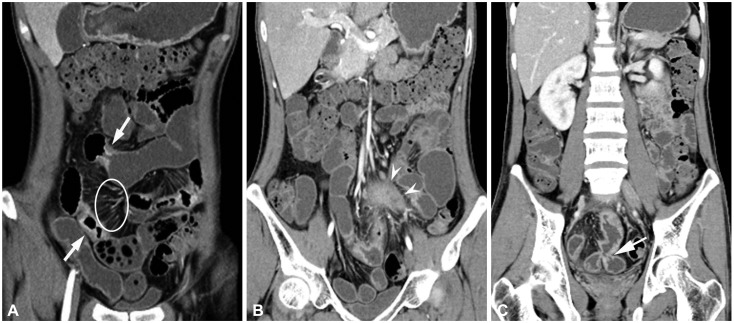
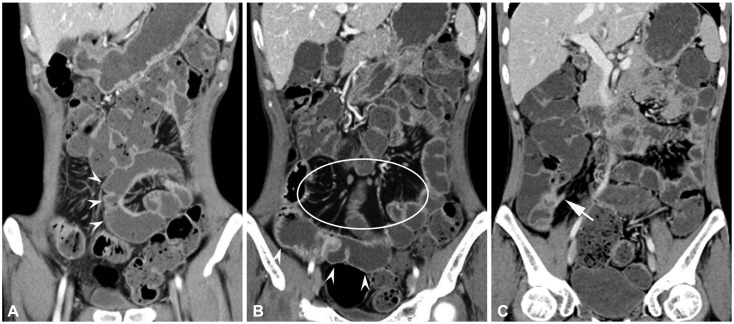
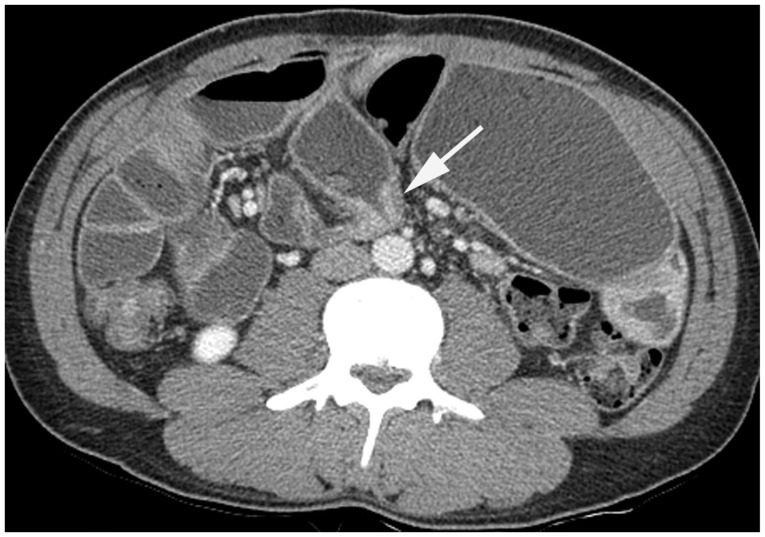
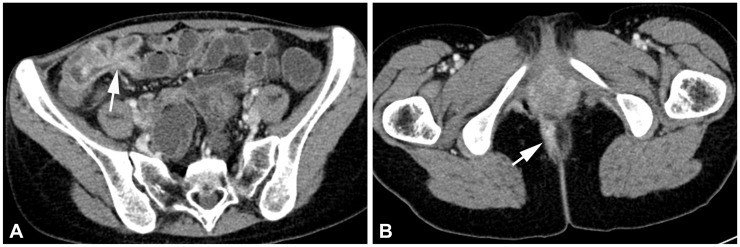
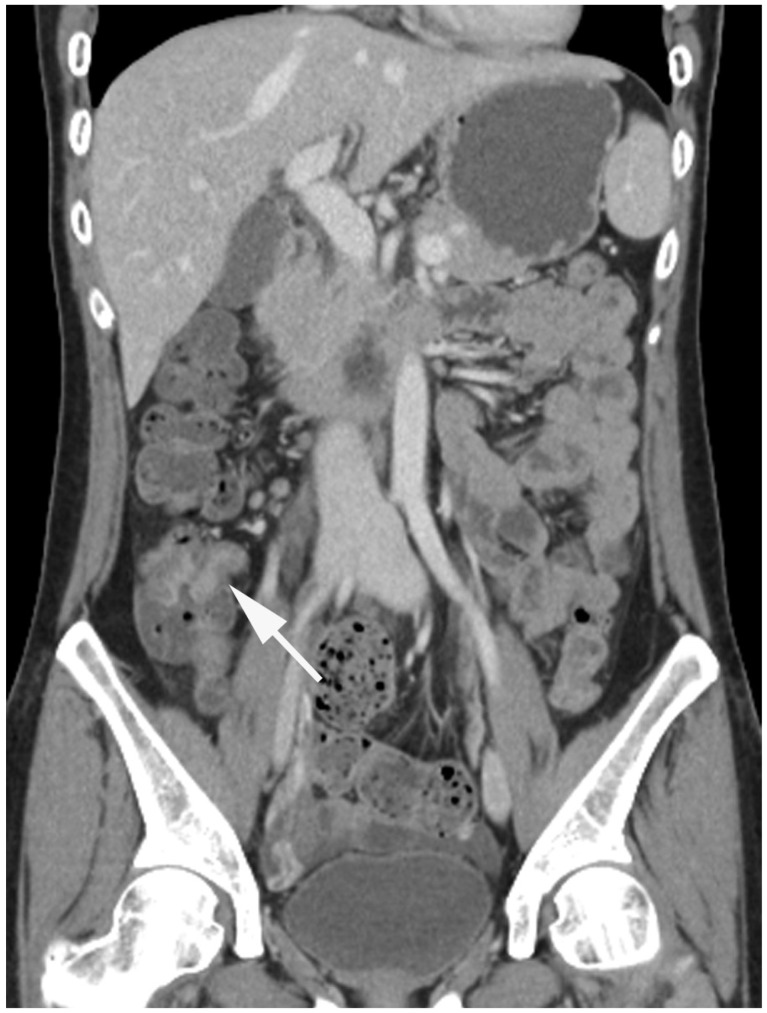
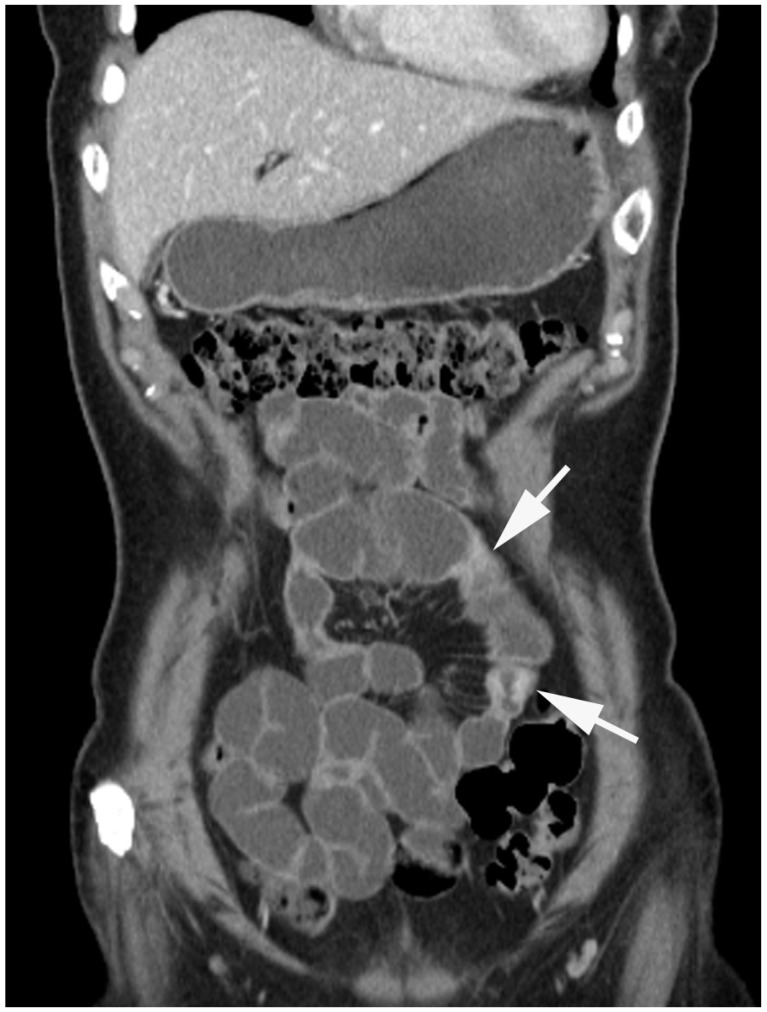
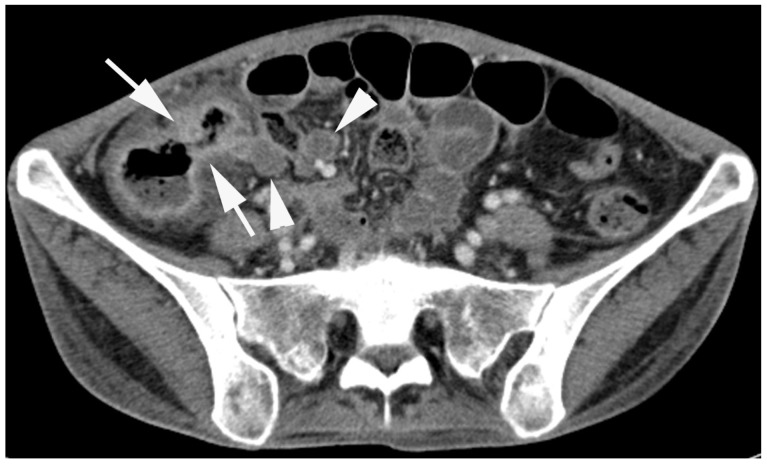
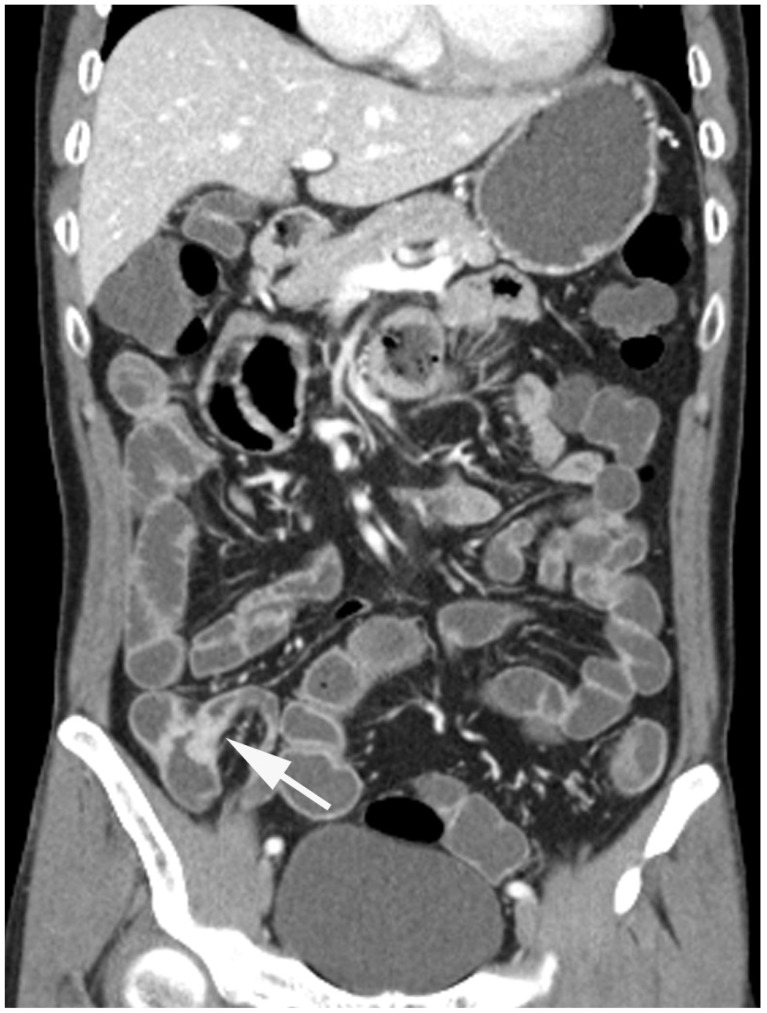
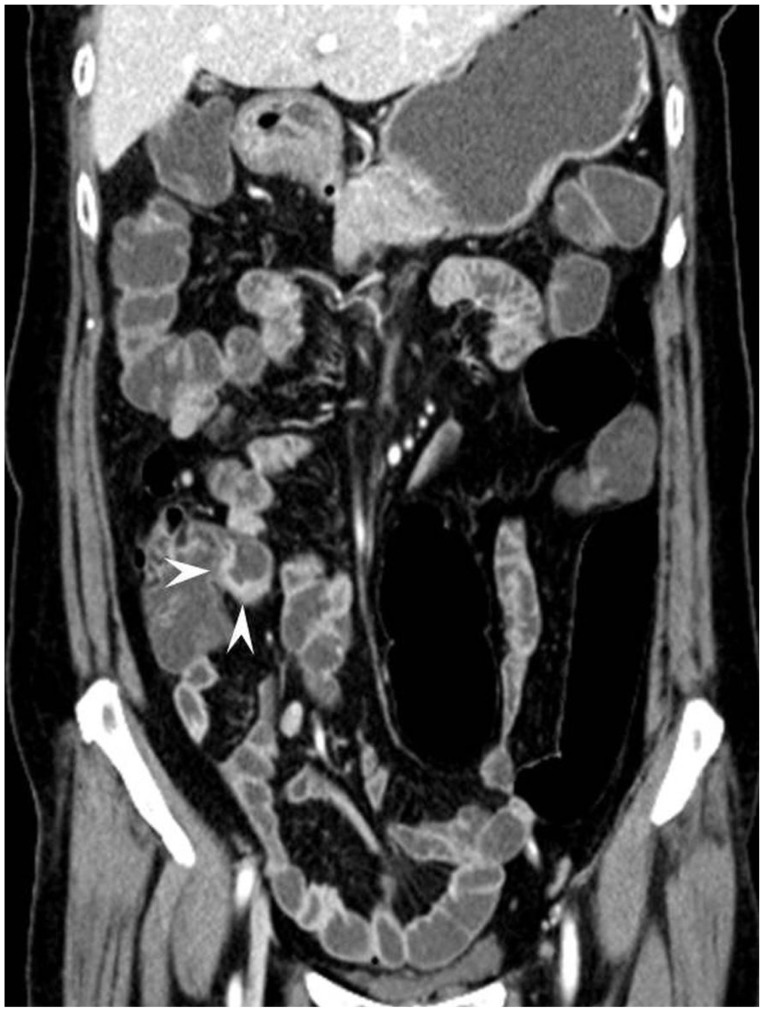
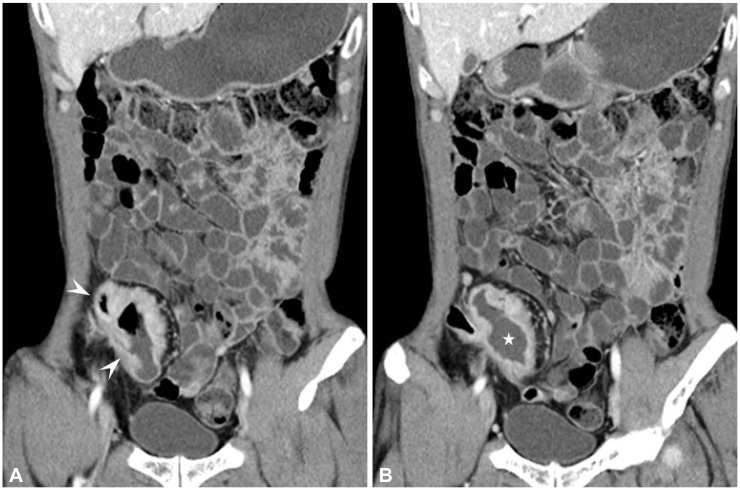
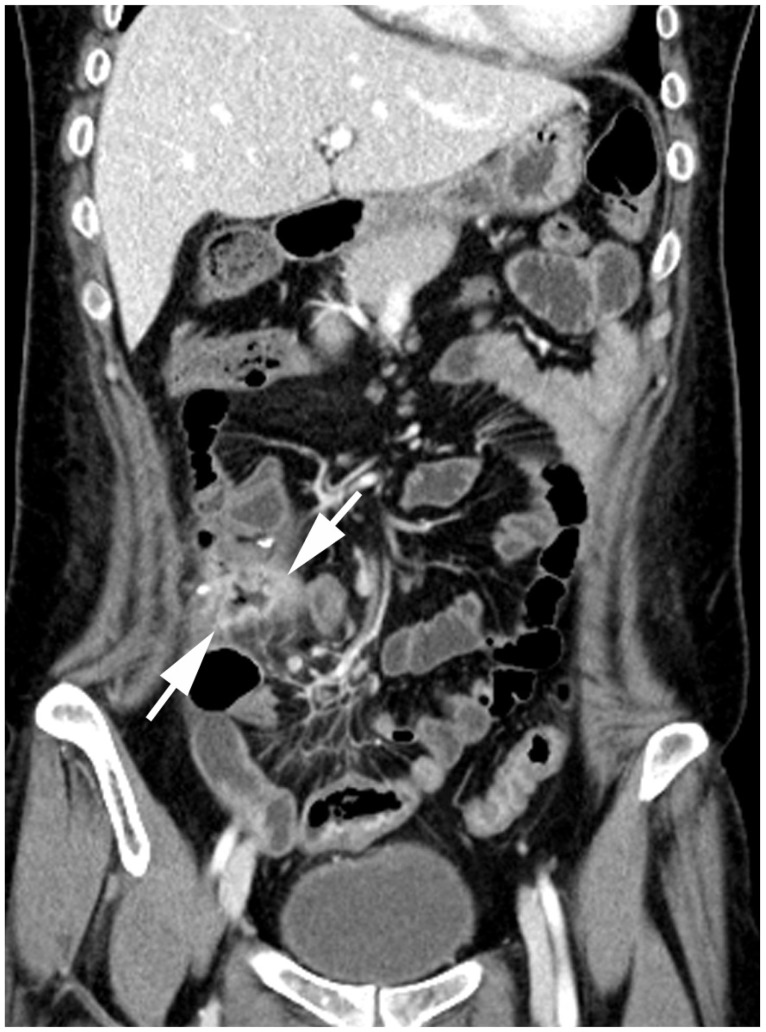
Computed tomography enterography (CTE) has become a main modality for the evaluation of inflammatory bowel disease (IBD). It simultaneously offers visualization of the small bowel and extraintestinal status, which is helpful for diagnosing IBD. Crohn disease has long segmental enhancing wall thickening related with the eccentric longitudinal distribution. In addition, mural stratification, fibrofatty proliferation, positive comb sign by increased mesenteric vascularity and internal/perianal fistula are characteristics of Crohn disease and can be identified on CTE. Short segmental inflammatory wall thickening and the central low attenuated lymph nodes are favorable CT finding of intestinal tuberculosis. A geographic, relatively large, and deep penetrating ulcer with bowel wall thickening and mural hyperenhancement in ileocecal area are characteristics of intestinal Behcet disease. Each of CTE findings for the IBDs is helpful for differential diagnosis. The main disadvantage of this technique is the requisite radiation exposure of patients, particularly in young patients. However, recent development of advanced CT techniques is promising for radiation dose reduction without compromising diagnostic image quality.
计算机断层扫描小肠造影(CTE)已成为评估炎症性肠病(IBD)的主要方式。它能同时显示小肠及肠外情况,有助于IBD的诊断。克罗恩病表现为长节段强化的肠壁增厚,呈偏心纵向分布。此外,肠壁分层、纤维脂肪增生、肠系膜血管增多所致的阳性梳征以及肠内/肛周瘘是克罗恩病的特征,可在CTE上识别。短节段炎症性肠壁增厚及中央低密度的淋巴结是肠结核的有利CT表现。回盲部出现地图样、相对较大且深的穿透性溃疡,伴有肠壁增厚和壁层强化是肠白塞病的特征。CTE对IBD的各项表现均有助于鉴别诊断。该技术的主要缺点是患者需要接受辐射,尤其是年轻患者。然而,先进CT技术的最新发展有望在不影响诊断图像质量的情况下降低辐射剂量。