• 文献检索
  • 文档翻译
  • 深度研究
  • 学术资讯
  • Suppr Zotero 插件Zotero 插件
  • 邀请有礼
  • 套餐&价格
  • 历史记录
应用&插件
Suppr Zotero 插件Zotero 插件浏览器插件Mac 客户端Windows 客户端微信小程序
定价
高级版会员购买积分包购买API积分包
服务
文献检索文档翻译深度研究API 文档MCP 服务
关于我们
关于 Suppr公司介绍联系我们用户协议隐私条款
关注我们

Suppr 超能文献

核心技术专利:CN118964589B侵权必究
粤ICP备2023148730 号-1Suppr @ 2026

文献检索

告别复杂PubMed语法,用中文像聊天一样搜索,搜遍4000万医学文献。AI智能推荐,让科研检索更轻松。

立即免费搜索

文件翻译

保留排版,准确专业,支持PDF/Word/PPT等文件格式,支持 12+语言互译。

免费翻译文档

深度研究

AI帮你快速写综述,25分钟生成高质量综述,智能提取关键信息,辅助科研写作。

立即免费体验

中东鼻型开放式一期鼻整形术中的三平面解剖

Triple plane dissection in open primary rhinoplasty in middle eastern noses.

作者信息

Elshahat Ahmed

机构信息

Plastic Surgery Department, Faculty of Medicine, Ain Shams University; and Eldemerdash Hospital, Cairo, Egypt.

出版信息

Eplasty. 2013 Aug 5;13:e40. eCollection 2013.

PMID:23967367
原文链接:https://pmc.ncbi.nlm.nih.gov/articles/PMC3736683/
Abstract

OBJECTIVE

Rhinoplasty started as a closed technique and then the open technique gained popularity. Open technique gave surgeons the opportunity to visualize and manipulate the cartilaginous skeleton at the tip of the nose precisely. The dissection planes in open rhinoplasty technique may be subcutaneous, submuscular (under the superficial musculoaponeurotic system), or subpericondrial subperiosteal. Each plane has advantages and disadvantages. The aim of this study was to combine planes to get the maximal benefit of each plane.

METHOD

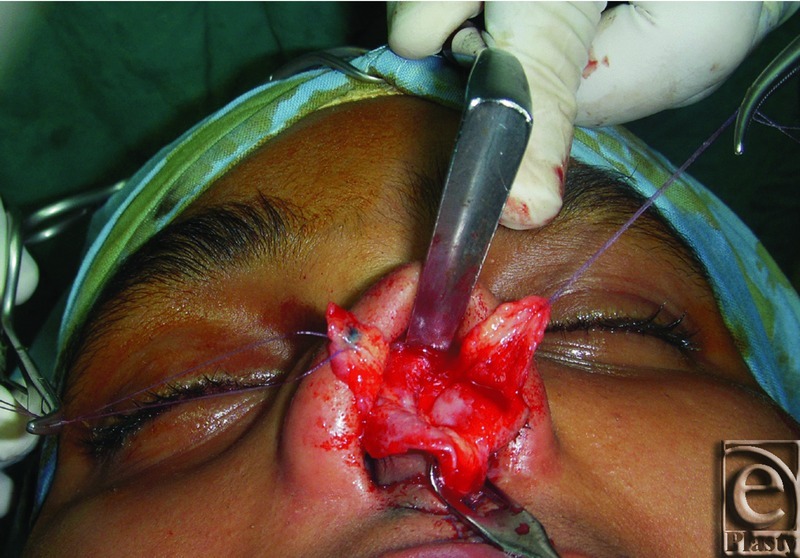
The study was performed on 38 Middle Eastern patients, among whom 23 were females and 15 were males. All patients presented for primary rhinoplasty. They were divided into 5 groups on the basis of their skin thickness. Dissection started subcutaneous at the area of the lower lateral cartilages and then shifted subsuperficial musculoaponeurotic system over the upper lateral cartilages and ended subperiosteal over the bony skeleton.

RESULTS

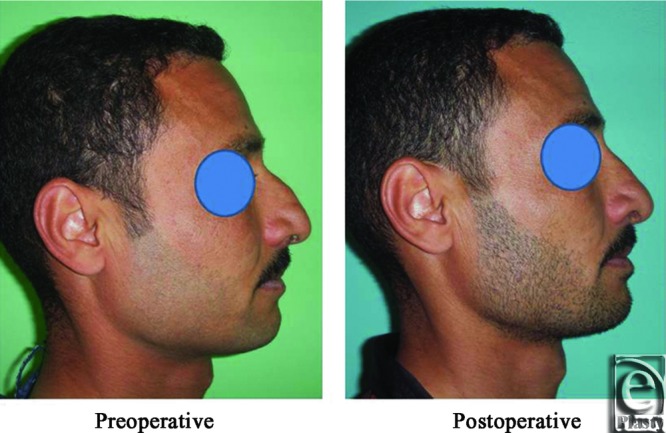
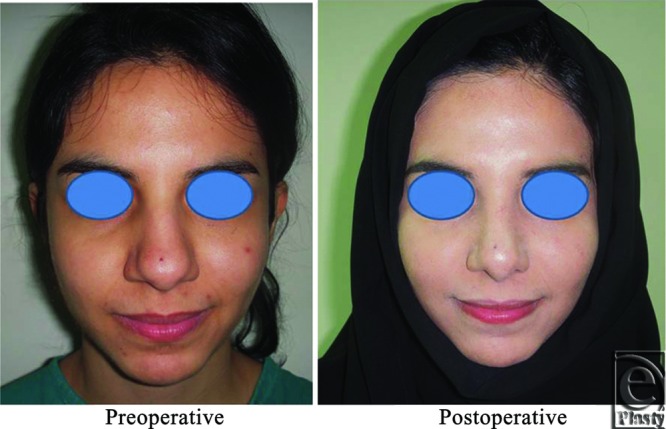
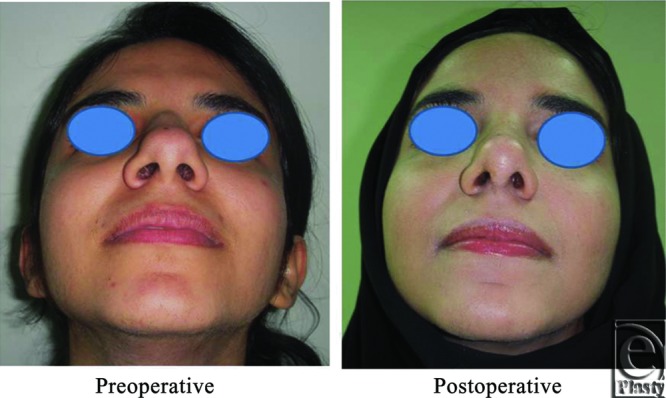
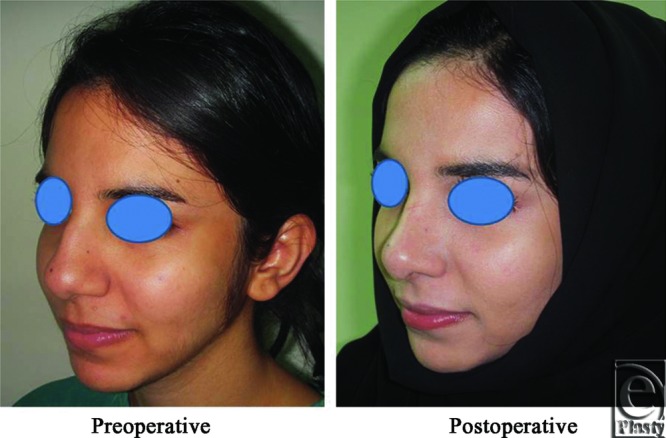
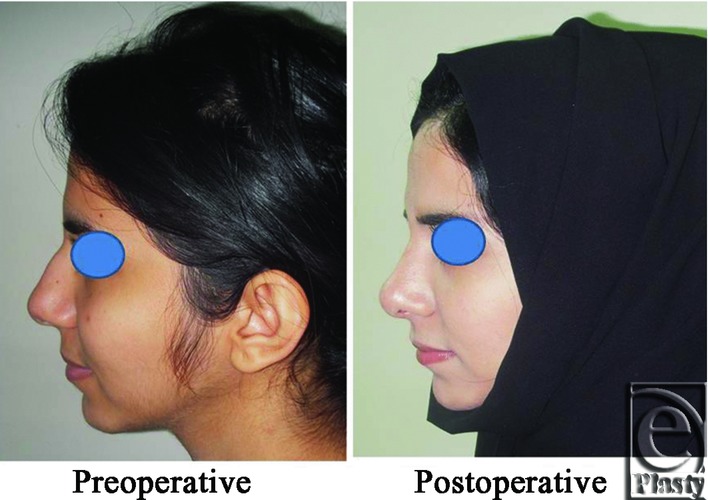
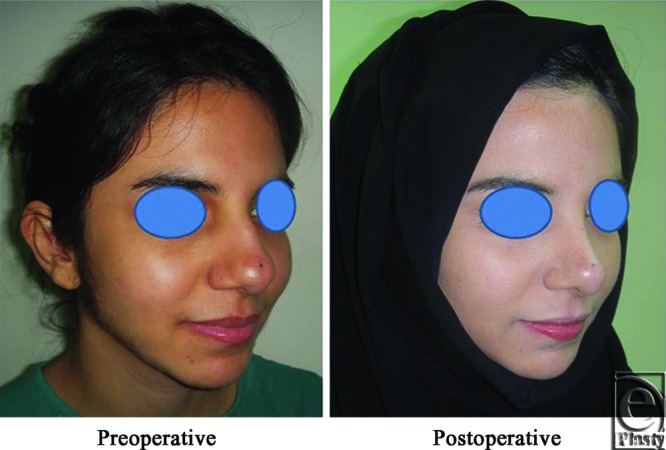
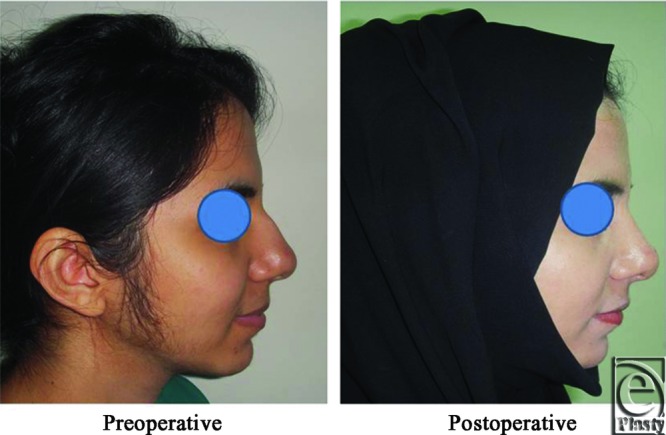
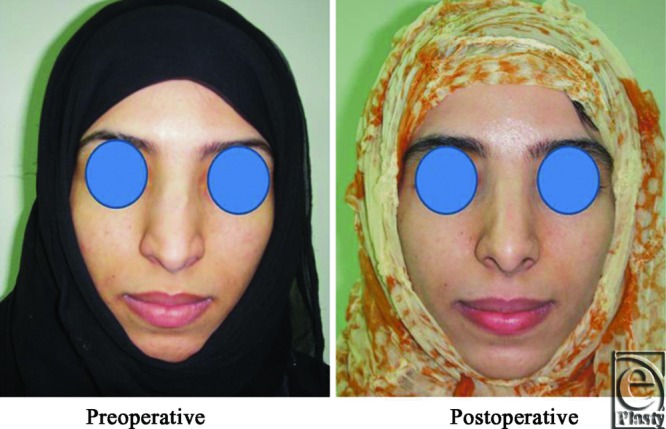
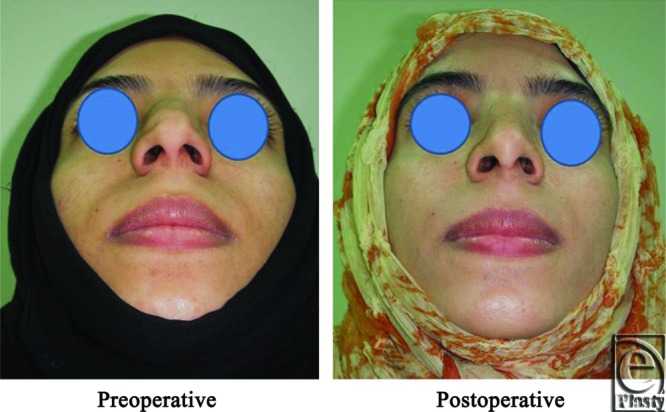
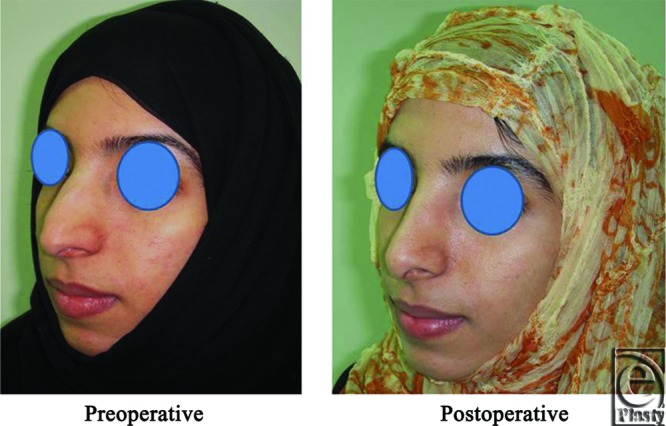
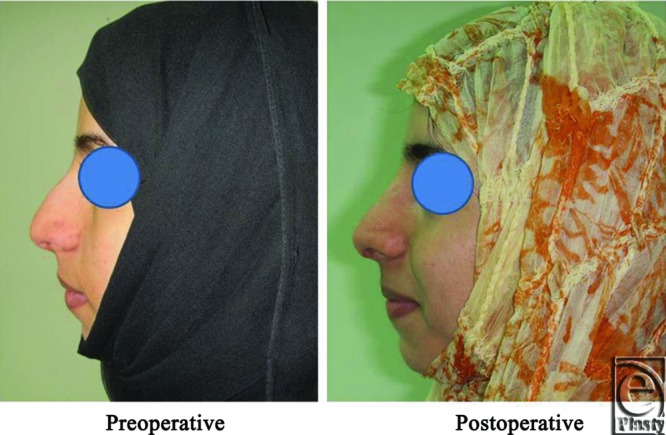
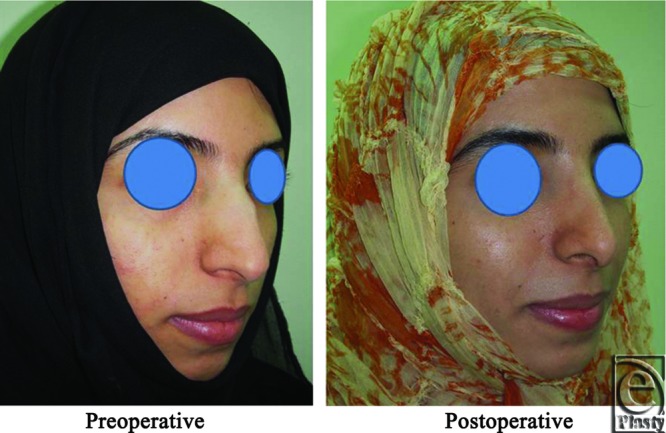
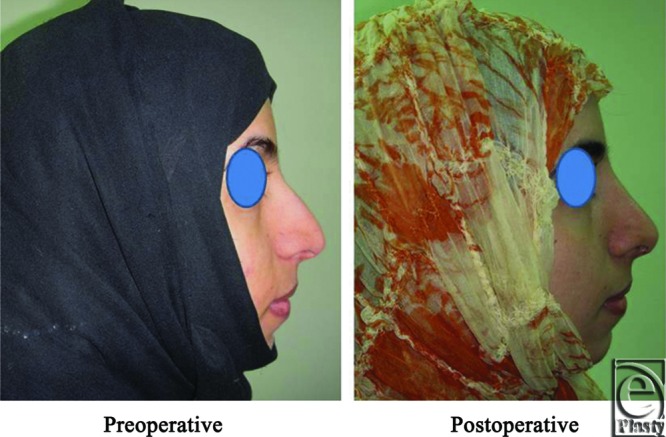
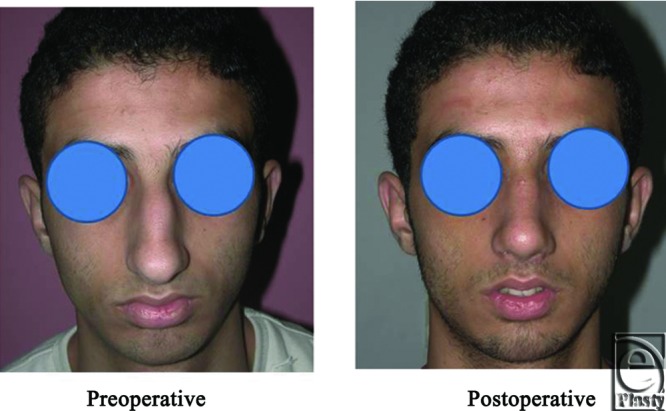
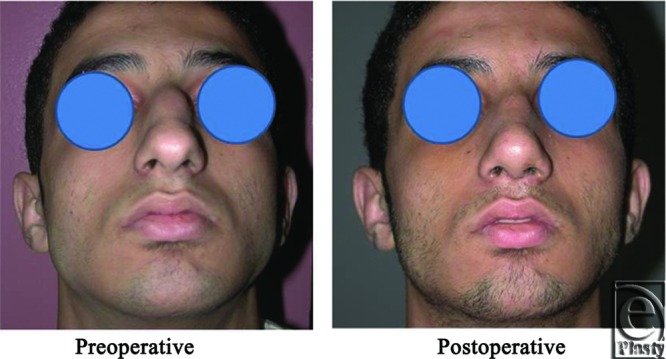
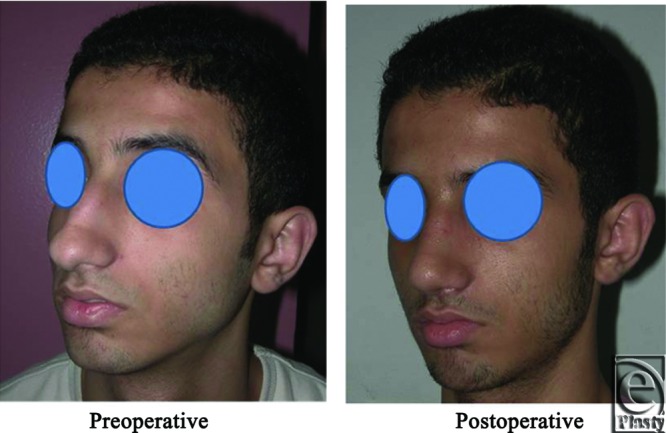
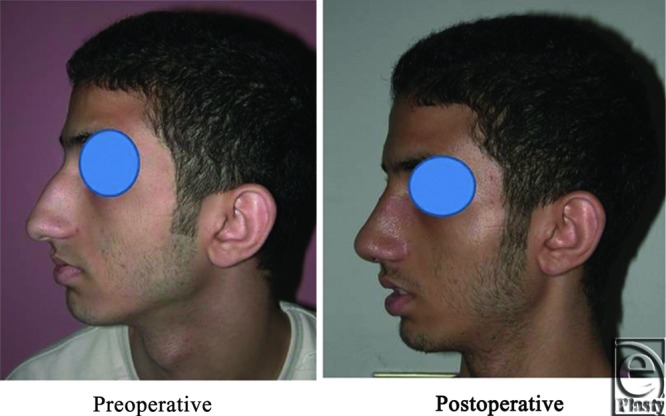
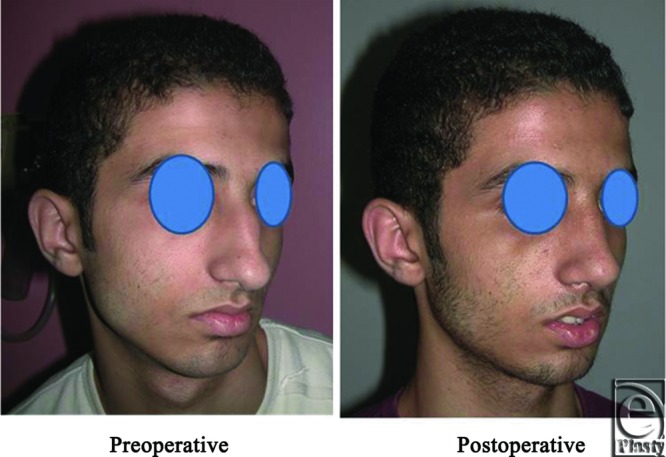
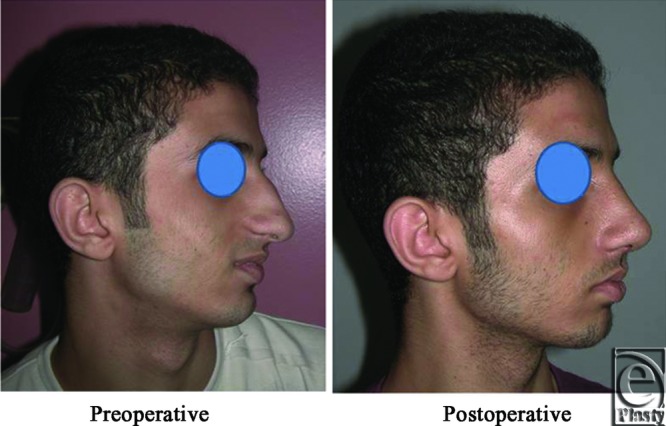
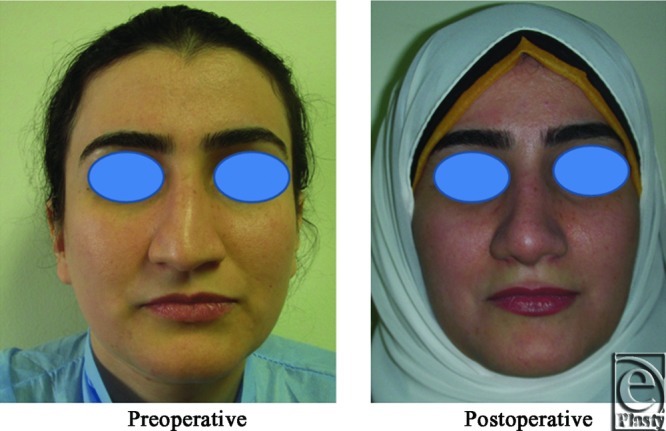
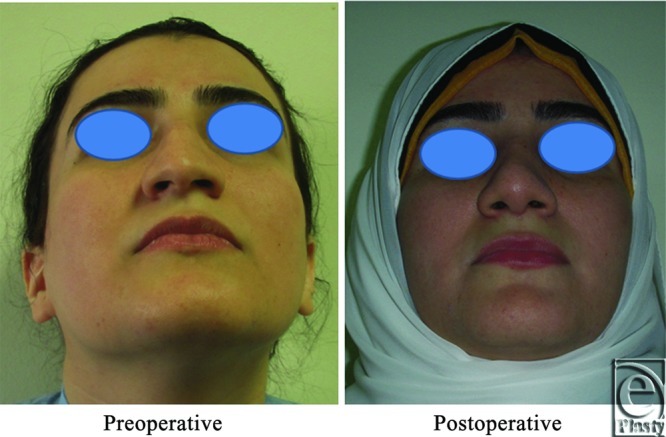
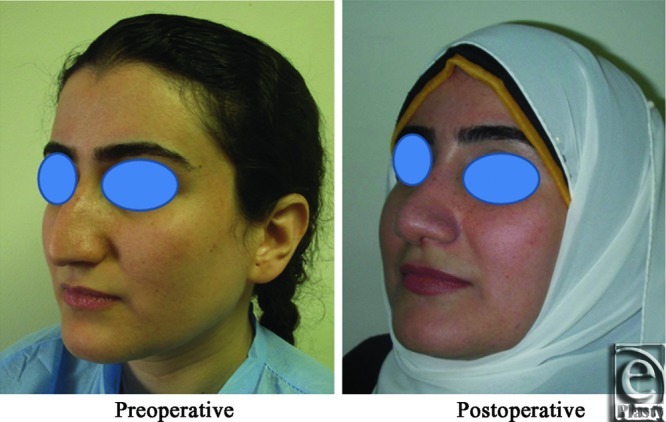
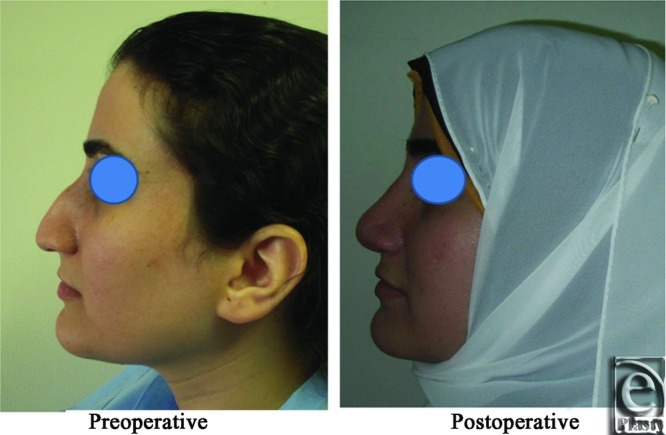
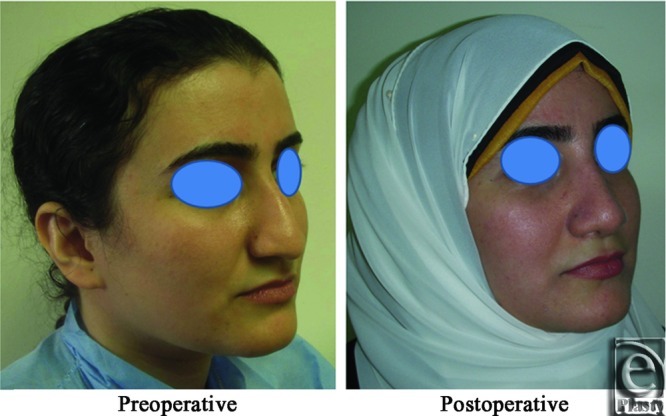
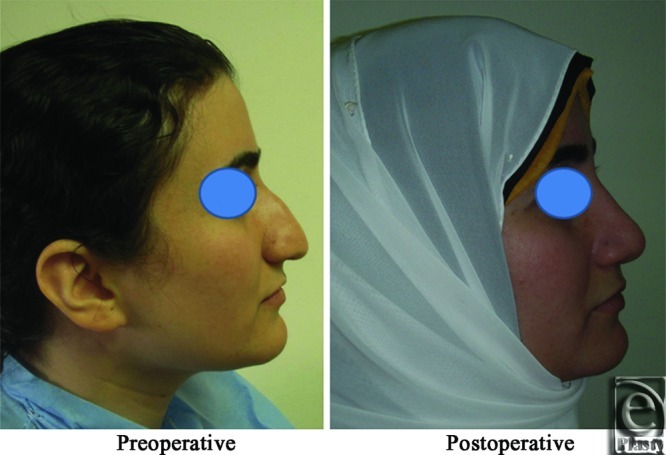
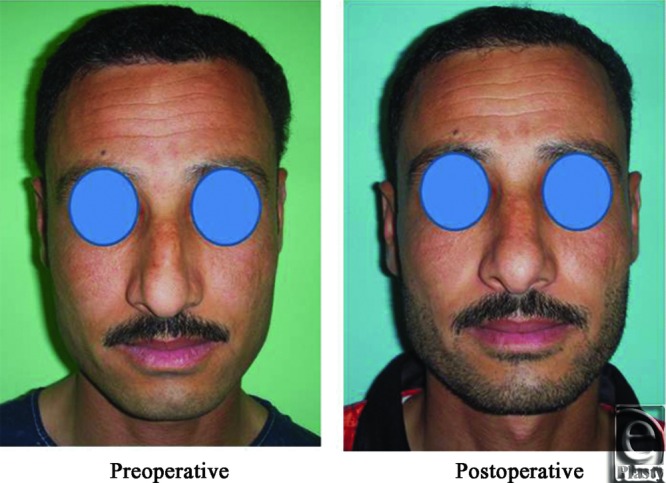
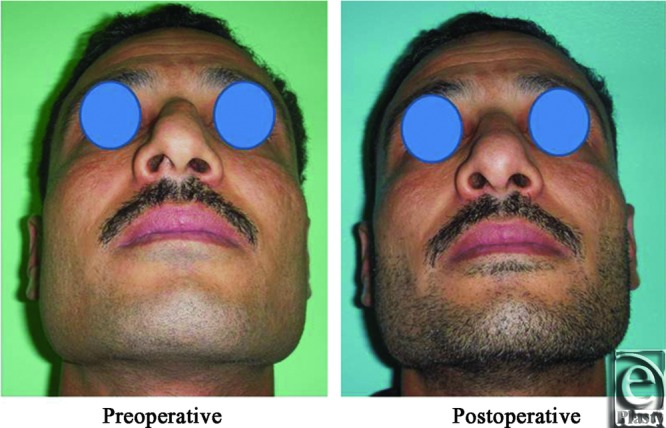
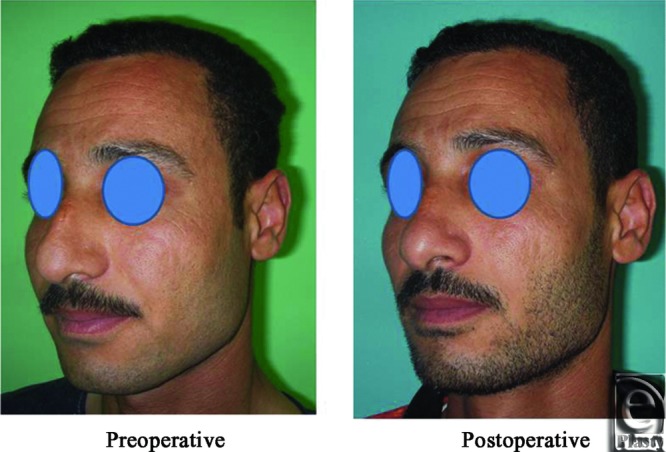
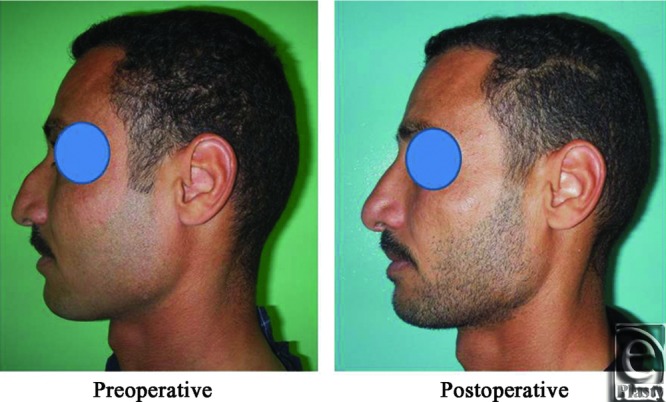
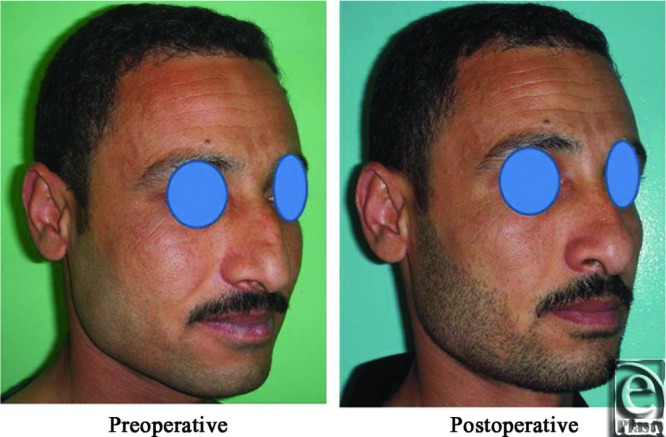
This triple plane of dissection gave acceptable results without any complication. Subcutaneous dissection allowed thinning of the thick sebaceous skin at the tip and alar region, subsuperficial musculoaponeurotic system dissection allowed direct exposure of the upper lateral cartilage without thinning skin at an area where it is thin, and subperiosteal dissection helped masking any bony irregularities resulted from osteotomies.

CONCLUSION

The triple plane dissection in open primary rhinoplasty in Middle Eastern patients maximized the advantages of each plane and minimized the disadvantages and resulted in safe cosmetic results.

摘要

目的

隆鼻手术最初是一种闭合技术,随后开放技术开始流行。开放技术使外科医生有机会精确地可视化和操作鼻尖的软骨支架。开放隆鼻技术中的解剖层面可以是皮下、肌下(在表浅肌肉腱膜系统之下)或软骨膜下骨膜下。每个层面都有优缺点。本研究的目的是将各层面结合起来,以获得每个层面的最大益处。

方法

该研究对38名中东患者进行,其中女性23名,男性15名。所有患者均接受初次隆鼻手术。根据皮肤厚度将他们分为5组。解剖从下外侧软骨区域的皮下开始,然后在上外侧软骨上方转移至表浅肌肉腱膜系统下,最后在骨支架上方止于骨膜下。

结果

这种三重解剖层面产生了可接受的结果,且无任何并发症。皮下解剖可使鼻尖和鼻翼区域的厚皮脂性皮肤变薄,表浅肌肉腱膜系统下解剖可直接暴露上外侧软骨,而不会使该区域薄皮肤变薄,骨膜下解剖有助于掩盖截骨术导致的任何骨质不规则。

结论

中东患者开放初次隆鼻手术中的三重层面解剖最大化了每个层面的优点,最小化了缺点,并产生了安全的美容效果。
https://cdn.ncbi.nlm.nih.gov/pmc/blobs/e8b0/3736683/1436e3c58178/eplasty13e40_fig31.jpg
https://cdn.ncbi.nlm.nih.gov/pmc/blobs/e8b0/3736683/5ebfa3646205/eplasty13e40_fig1.jpg
https://cdn.ncbi.nlm.nih.gov/pmc/blobs/e8b0/3736683/43d43f1204dd/eplasty13e40_fig2.jpg
https://cdn.ncbi.nlm.nih.gov/pmc/blobs/e8b0/3736683/158991acf217/eplasty13e40_fig3.jpg
https://cdn.ncbi.nlm.nih.gov/pmc/blobs/e8b0/3736683/c16921c1ea63/eplasty13e40_fig4.jpg
https://cdn.ncbi.nlm.nih.gov/pmc/blobs/e8b0/3736683/b121ece9ce8f/eplasty13e40_fig5.jpg
https://cdn.ncbi.nlm.nih.gov/pmc/blobs/e8b0/3736683/60fbed6ab69f/eplasty13e40_fig6.jpg
https://cdn.ncbi.nlm.nih.gov/pmc/blobs/e8b0/3736683/60f457160678/eplasty13e40_fig7.jpg
https://cdn.ncbi.nlm.nih.gov/pmc/blobs/e8b0/3736683/ca316044a5b7/eplasty13e40_fig8.jpg
https://cdn.ncbi.nlm.nih.gov/pmc/blobs/e8b0/3736683/dac6914b1378/eplasty13e40_fig9.jpg
https://cdn.ncbi.nlm.nih.gov/pmc/blobs/e8b0/3736683/3ecb38ab64d6/eplasty13e40_fig10.jpg
https://cdn.ncbi.nlm.nih.gov/pmc/blobs/e8b0/3736683/3e5323841e2f/eplasty13e40_fig11.jpg
https://cdn.ncbi.nlm.nih.gov/pmc/blobs/e8b0/3736683/ee87e48b7278/eplasty13e40_fig12.jpg
https://cdn.ncbi.nlm.nih.gov/pmc/blobs/e8b0/3736683/f2c6e0e7ccf6/eplasty13e40_fig13.jpg
https://cdn.ncbi.nlm.nih.gov/pmc/blobs/e8b0/3736683/8c6da45ccfe7/eplasty13e40_fig14.jpg
https://cdn.ncbi.nlm.nih.gov/pmc/blobs/e8b0/3736683/a0f4e7843c23/eplasty13e40_fig15.jpg
https://cdn.ncbi.nlm.nih.gov/pmc/blobs/e8b0/3736683/b622a829cbde/eplasty13e40_fig16.jpg
https://cdn.ncbi.nlm.nih.gov/pmc/blobs/e8b0/3736683/e5f41c3725ef/eplasty13e40_fig17.jpg
https://cdn.ncbi.nlm.nih.gov/pmc/blobs/e8b0/3736683/ff2aaaa9ddb7/eplasty13e40_fig18.jpg
https://cdn.ncbi.nlm.nih.gov/pmc/blobs/e8b0/3736683/256ee4e7b0fc/eplasty13e40_fig19.jpg
https://cdn.ncbi.nlm.nih.gov/pmc/blobs/e8b0/3736683/c9cbcc6bd39e/eplasty13e40_fig20.jpg
https://cdn.ncbi.nlm.nih.gov/pmc/blobs/e8b0/3736683/937bee07f19c/eplasty13e40_fig21.jpg
https://cdn.ncbi.nlm.nih.gov/pmc/blobs/e8b0/3736683/1190c4e0ffe3/eplasty13e40_fig22.jpg
https://cdn.ncbi.nlm.nih.gov/pmc/blobs/e8b0/3736683/73003cf64062/eplasty13e40_fig23.jpg
https://cdn.ncbi.nlm.nih.gov/pmc/blobs/e8b0/3736683/9fb96bcf3389/eplasty13e40_fig24.jpg
https://cdn.ncbi.nlm.nih.gov/pmc/blobs/e8b0/3736683/c92a68b76979/eplasty13e40_fig25.jpg
https://cdn.ncbi.nlm.nih.gov/pmc/blobs/e8b0/3736683/cb1f5cb644e0/eplasty13e40_fig26.jpg
https://cdn.ncbi.nlm.nih.gov/pmc/blobs/e8b0/3736683/60e67c1788dd/eplasty13e40_fig27.jpg
https://cdn.ncbi.nlm.nih.gov/pmc/blobs/e8b0/3736683/fa6fc92cd58b/eplasty13e40_fig28.jpg
https://cdn.ncbi.nlm.nih.gov/pmc/blobs/e8b0/3736683/d2a02a79c2e5/eplasty13e40_fig29.jpg
https://cdn.ncbi.nlm.nih.gov/pmc/blobs/e8b0/3736683/6a4c4c8be654/eplasty13e40_fig30.jpg
https://cdn.ncbi.nlm.nih.gov/pmc/blobs/e8b0/3736683/1436e3c58178/eplasty13e40_fig31.jpg
https://cdn.ncbi.nlm.nih.gov/pmc/blobs/e8b0/3736683/5ebfa3646205/eplasty13e40_fig1.jpg
https://cdn.ncbi.nlm.nih.gov/pmc/blobs/e8b0/3736683/43d43f1204dd/eplasty13e40_fig2.jpg
https://cdn.ncbi.nlm.nih.gov/pmc/blobs/e8b0/3736683/158991acf217/eplasty13e40_fig3.jpg
https://cdn.ncbi.nlm.nih.gov/pmc/blobs/e8b0/3736683/c16921c1ea63/eplasty13e40_fig4.jpg
https://cdn.ncbi.nlm.nih.gov/pmc/blobs/e8b0/3736683/b121ece9ce8f/eplasty13e40_fig5.jpg
https://cdn.ncbi.nlm.nih.gov/pmc/blobs/e8b0/3736683/60fbed6ab69f/eplasty13e40_fig6.jpg
https://cdn.ncbi.nlm.nih.gov/pmc/blobs/e8b0/3736683/60f457160678/eplasty13e40_fig7.jpg
https://cdn.ncbi.nlm.nih.gov/pmc/blobs/e8b0/3736683/ca316044a5b7/eplasty13e40_fig8.jpg
https://cdn.ncbi.nlm.nih.gov/pmc/blobs/e8b0/3736683/dac6914b1378/eplasty13e40_fig9.jpg
https://cdn.ncbi.nlm.nih.gov/pmc/blobs/e8b0/3736683/3ecb38ab64d6/eplasty13e40_fig10.jpg
https://cdn.ncbi.nlm.nih.gov/pmc/blobs/e8b0/3736683/3e5323841e2f/eplasty13e40_fig11.jpg
https://cdn.ncbi.nlm.nih.gov/pmc/blobs/e8b0/3736683/ee87e48b7278/eplasty13e40_fig12.jpg
https://cdn.ncbi.nlm.nih.gov/pmc/blobs/e8b0/3736683/f2c6e0e7ccf6/eplasty13e40_fig13.jpg
https://cdn.ncbi.nlm.nih.gov/pmc/blobs/e8b0/3736683/8c6da45ccfe7/eplasty13e40_fig14.jpg
https://cdn.ncbi.nlm.nih.gov/pmc/blobs/e8b0/3736683/a0f4e7843c23/eplasty13e40_fig15.jpg
https://cdn.ncbi.nlm.nih.gov/pmc/blobs/e8b0/3736683/b622a829cbde/eplasty13e40_fig16.jpg
https://cdn.ncbi.nlm.nih.gov/pmc/blobs/e8b0/3736683/e5f41c3725ef/eplasty13e40_fig17.jpg
https://cdn.ncbi.nlm.nih.gov/pmc/blobs/e8b0/3736683/ff2aaaa9ddb7/eplasty13e40_fig18.jpg
https://cdn.ncbi.nlm.nih.gov/pmc/blobs/e8b0/3736683/256ee4e7b0fc/eplasty13e40_fig19.jpg
https://cdn.ncbi.nlm.nih.gov/pmc/blobs/e8b0/3736683/c9cbcc6bd39e/eplasty13e40_fig20.jpg
https://cdn.ncbi.nlm.nih.gov/pmc/blobs/e8b0/3736683/937bee07f19c/eplasty13e40_fig21.jpg
https://cdn.ncbi.nlm.nih.gov/pmc/blobs/e8b0/3736683/1190c4e0ffe3/eplasty13e40_fig22.jpg
https://cdn.ncbi.nlm.nih.gov/pmc/blobs/e8b0/3736683/73003cf64062/eplasty13e40_fig23.jpg
https://cdn.ncbi.nlm.nih.gov/pmc/blobs/e8b0/3736683/9fb96bcf3389/eplasty13e40_fig24.jpg
https://cdn.ncbi.nlm.nih.gov/pmc/blobs/e8b0/3736683/c92a68b76979/eplasty13e40_fig25.jpg
https://cdn.ncbi.nlm.nih.gov/pmc/blobs/e8b0/3736683/cb1f5cb644e0/eplasty13e40_fig26.jpg
https://cdn.ncbi.nlm.nih.gov/pmc/blobs/e8b0/3736683/60e67c1788dd/eplasty13e40_fig27.jpg
https://cdn.ncbi.nlm.nih.gov/pmc/blobs/e8b0/3736683/fa6fc92cd58b/eplasty13e40_fig28.jpg
https://cdn.ncbi.nlm.nih.gov/pmc/blobs/e8b0/3736683/d2a02a79c2e5/eplasty13e40_fig29.jpg
https://cdn.ncbi.nlm.nih.gov/pmc/blobs/e8b0/3736683/6a4c4c8be654/eplasty13e40_fig30.jpg
https://cdn.ncbi.nlm.nih.gov/pmc/blobs/e8b0/3736683/1436e3c58178/eplasty13e40_fig31.jpg

相似文献

1
Triple plane dissection in open primary rhinoplasty in middle eastern noses.中东鼻型开放式一期鼻整形术中的三平面解剖
Eplasty. 2013 Aug 5;13:e40. eCollection 2013.
2
Vascular anatomy of the nose and the external rhinoplasty approach.鼻子的血管解剖结构与鼻外整形手术入路
Arch Otolaryngol Head Neck Surg. 1996 Jan;122(1):24-34. doi: 10.1001/archotol.1996.01890130020003.
3
Versatility of three-dimensional total alar cartilage dissection in aesthetic rhinoplasty.三维全鼻翼软骨解剖在鼻整形美容中的多功能性
J Craniofac Surg. 2010 Nov;21(6):1922-5. doi: 10.1097/SCS.0b013e3181f4ed97.
4
How to perform subperichondrial and subperiosteal rhinoplasty.如何进行软骨膜下和骨膜下隆鼻术。
Eur Ann Otorhinolaryngol Head Neck Dis. 2019 Sep;136(4):325-329. doi: 10.1016/j.anorl.2019.04.004. Epub 2019 Apr 10.
5
Anatomic reconstruction of the nasal tip cartilages in secondary and reconstructive rhinoplasty.二次鼻整形及修复性鼻整形中鼻尖软骨的解剖重建
Plast Reconstr Surg. 1999 Dec;104(7):2187-98; discussion 2199-2201. doi: 10.1097/00006534-199912000-00037.
6
Anatomy of the external nasal nerve.鼻外神经的解剖结构。
Plast Reconstr Surg. 2004 Oct;114(5):1055-9. doi: 10.1097/01.prs.0000135335.60575.d9.
7
The Effect of Rhinoplasty Dissection Planes (Sub-SMAS, Subperichondrial, and Subperiosteal) on the Viability of Diced Cartilage Grafts in a Rabbit Model.隆鼻术解剖平面(SMAS 下、软骨膜下和骨膜下)对兔模型中软骨粒移植成活率的影响。
Aesthet Surg J. 2023 Aug 17;43(9):964-971. doi: 10.1093/asj/sjad154.
8
Rhinoplasty for Middle Eastern noses.中东鼻型隆鼻术
Plast Reconstr Surg. 2009 Apr;123(4):1343-1354. doi: 10.1097/PRS.0b013e31817741b4.
9
Rhinoplasty Dissection Planes (Subcutaneous, Sub-SMAS, Supra-perichondral, and Sub-perichondral) and Soft Tissues Management.隆鼻术解剖平面(皮下、皮下 SMAS、骨膜上和骨膜下)和软组织处理。
Facial Plast Surg. 2021 Feb;37(1):2-11. doi: 10.1055/s-0041-1723825. Epub 2021 Feb 25.
10
Simultaneous open rhinoplasty and alar base excision for secondary cases.二期病例同期行开放式鼻整形术和鼻翼基底切除术。
Aesthetic Plast Surg. 2005 May-Jun;29(3):151-5. doi: 10.1007/s00266-005-0009-0.

引用本文的文献

1
Nasal Tip Depressor Manipulation through Upper Buccal Sulcus Approach in Selected Open Primary Rhinoplasties.在部分开放式初次鼻整形术中经上颌颊沟入路进行鼻尖下压操作
Plast Reconstr Surg Glob Open. 2022 Aug 19;10(8):e4481. doi: 10.1097/GOX.0000000000004481. eCollection 2022 Aug.
2
Middle Eastern Rhinoplasty: Update.中东鼻整形术:最新进展
Plast Reconstr Surg Glob Open. 2018 Dec 18;6(12):e1984. doi: 10.1097/GOX.0000000000001984. eCollection 2018 Dec.

本文引用的文献

1
A complete subperichondrial dissection technique for rhinoplasty with management of the nasal ligaments.一种完整的鼻整形术软骨下分离技术,包括对鼻侧韧带的处理。
Aesthet Surg J. 2012 Jul;32(5):564-74. doi: 10.1177/1090820X12445471.
2
Middle Eastern rhinoplasty in the United States: Part I. Primary rhinoplasty.美国中东鼻整形术:第一部分。原发性鼻整形术。
Plast Reconstr Surg. 2009 Nov;124(5):1630-1639. doi: 10.1097/PRS.0b013e3181babc95.
3
Soft tissue functional anatomy of the nose.鼻子的软组织功能解剖学。
Aesthet Surg J. 2006 Nov-Dec;26(6):733-5. doi: 10.1016/j.asj.2006.10.004.
4
Guided bone regeneration at the donor site of iliac bone grafts for future use as autogenous grafts.在髂骨移植供区进行引导骨再生,以便未来用作自体移植。
Plast Reconstr Surg. 2005 Sep 15;116(4):1068-75; discussion 1076. doi: 10.1097/01.prs.0000178783.44190.ec.
5
The "levator septi nasi muscle" and its clinical significance.
Plast Reconstr Surg. 2002 Apr 15;109(5):1707-12; discussion 1713. doi: 10.1097/00006534-200204150-00037.