Tsukamoto Ann, Uchida Nobuko, Capela Alexandra, Gorba Thorsten, Huhn Stephen
Stem Cell Res Ther. 2013 Aug 29;4(4):102. doi: 10.1186/scrt313.
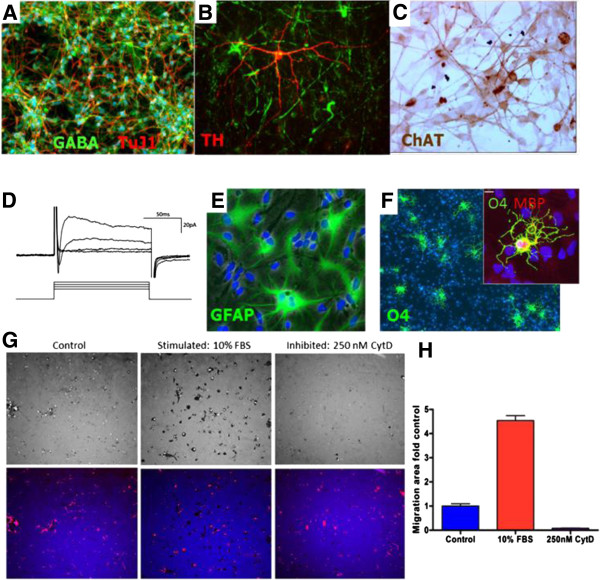
Human neural stem cell transplants have potential as therapeutic candidates to treat a vast number of disorders of the central nervous system (CNS). StemCells, Inc. has purified human neural stem cells and developed culture conditions for expansion and banking that preserve their unique biological properties. The biological activity of these human central nervous system stem cells (HuCNS-SC®) has been analyzed extensively in vitro and in vivo. When formulated for transplantation, the expanded and cryopreserved banked cells maintain their stem cell phenotype, self-renew and generate mature oligodendrocytes, neurons and astrocytes, cells normally found in the CNS. In this overview, the rationale and supporting data for pursuing neuroprotective strategies and clinical translation in the three components of the CNS (brain, spinal cord and eye) are described. A phase I trial for a rare myelin disorder and phase I/II trial for spinal cord injury are providing intriguing data relevant to the biological properties of neural stem cells, and the early clinical outcomes compel further development.
人类神经干细胞移植作为治疗大量中枢神经系统(CNS)疾病的候选疗法具有潜力。StemCells公司已纯化出人类神经干细胞,并开发了用于扩增和储存的培养条件,以保留其独特的生物学特性。这些人类中枢神经系统干细胞(HuCNS-SC®)的生物活性已在体外和体内进行了广泛分析。当制备用于移植时,扩增并冷冻保存的储存细胞保持其干细胞表型,自我更新并生成成熟的少突胶质细胞、神经元和星形胶质细胞,这些细胞通常存在于中枢神经系统中。在本综述中,描述了在中枢神经系统的三个组成部分(脑、脊髓和眼睛)中推行神经保护策略和临床转化的基本原理及支持数据。一项针对罕见髓鞘疾病的I期试验和一项针对脊髓损伤的I/II期试验正在提供与神经干细胞生物学特性相关的有趣数据,早期临床结果促使进一步开展研究。