Mechanisms of Transcription Laboratory, Clare Hall Laboratories, Cancer Research UK London Research Institute, South Mimms EN6 3LD, UK.
Molecular Biology Programme, Memorial Sloan-Kettering Cancer Center, York Avenue 1275, New York, NY 10021, USA.
Cell. 2013 Aug 29;154(5):983-995. doi: 10.1016/j.cell.2013.07.028.
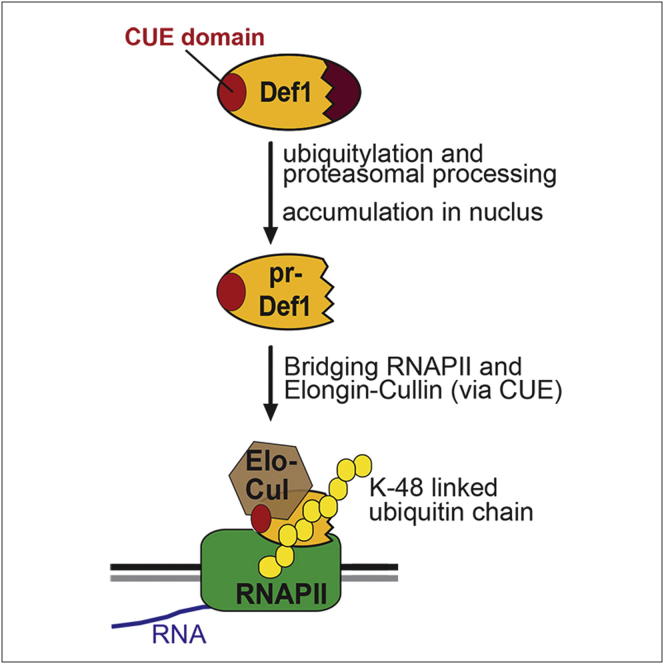
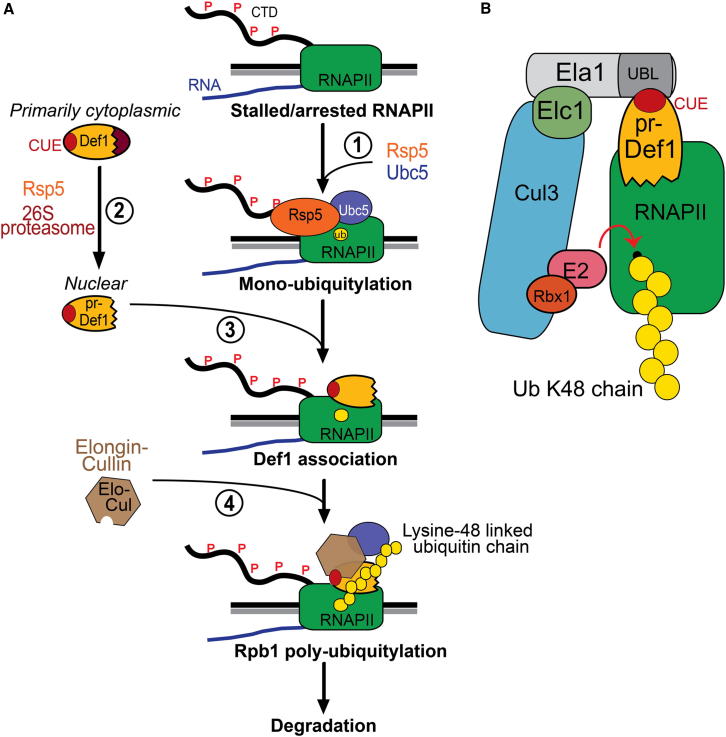
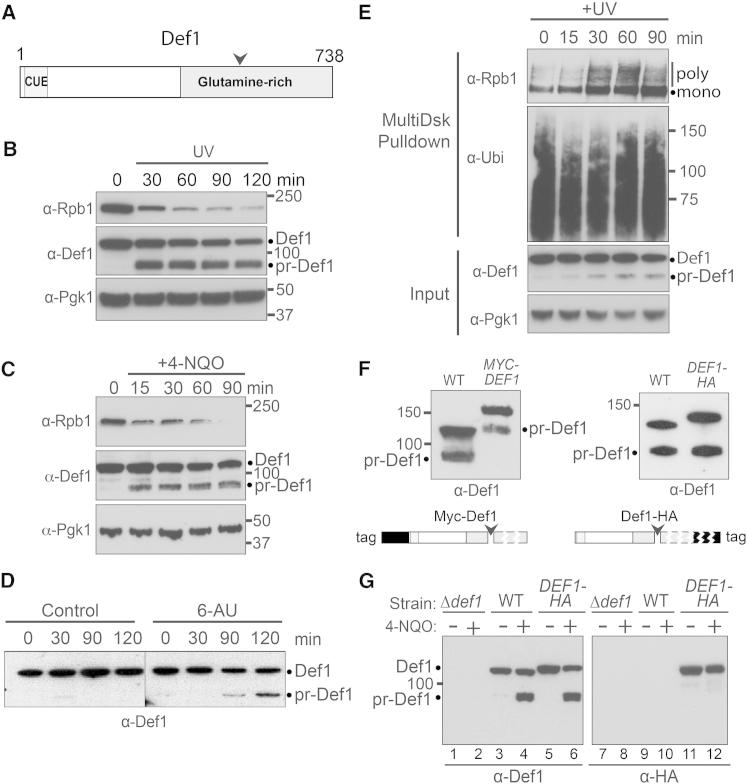
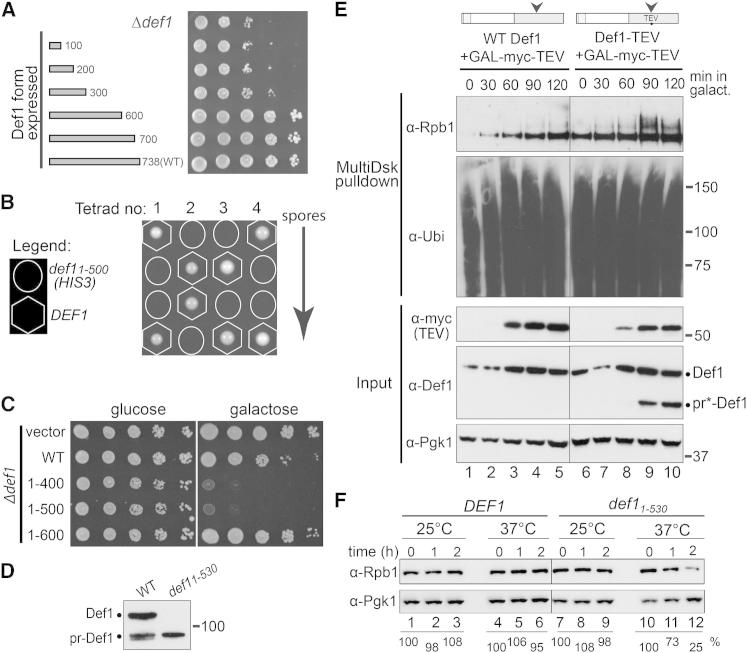
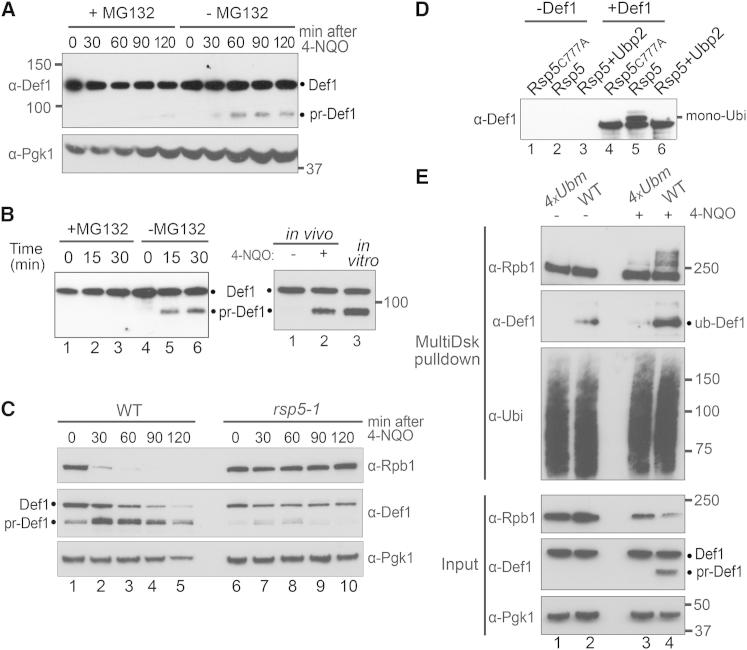
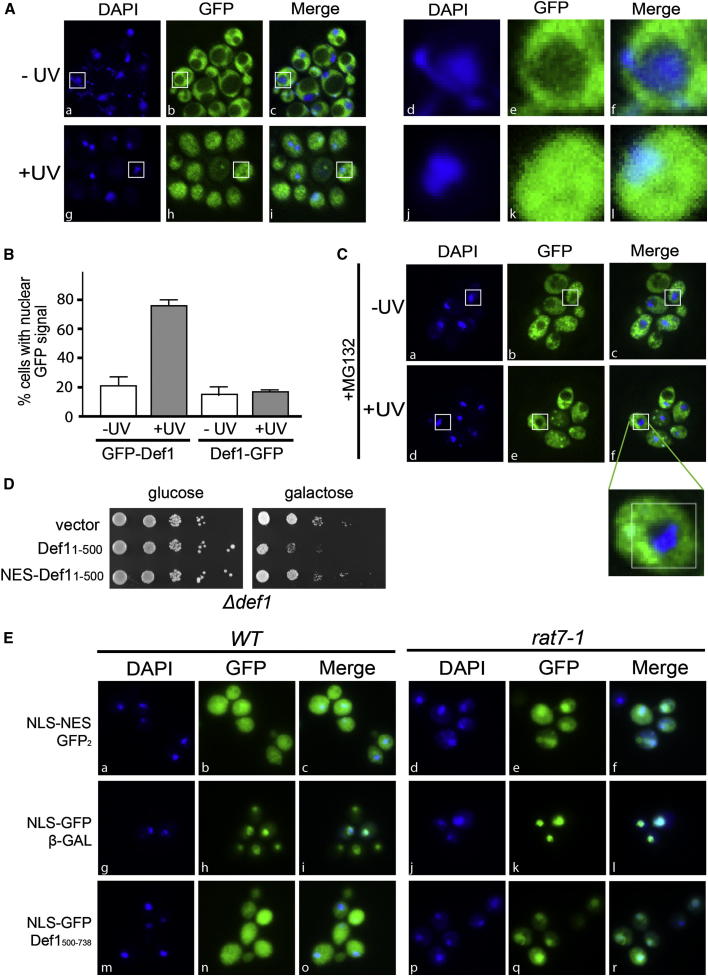
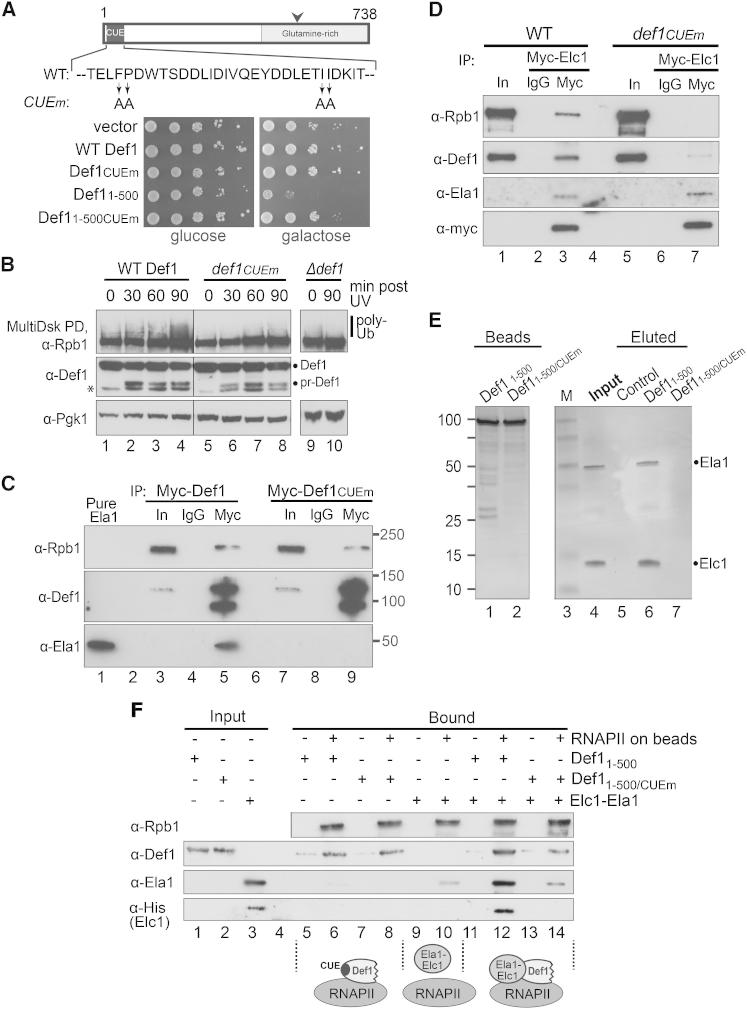
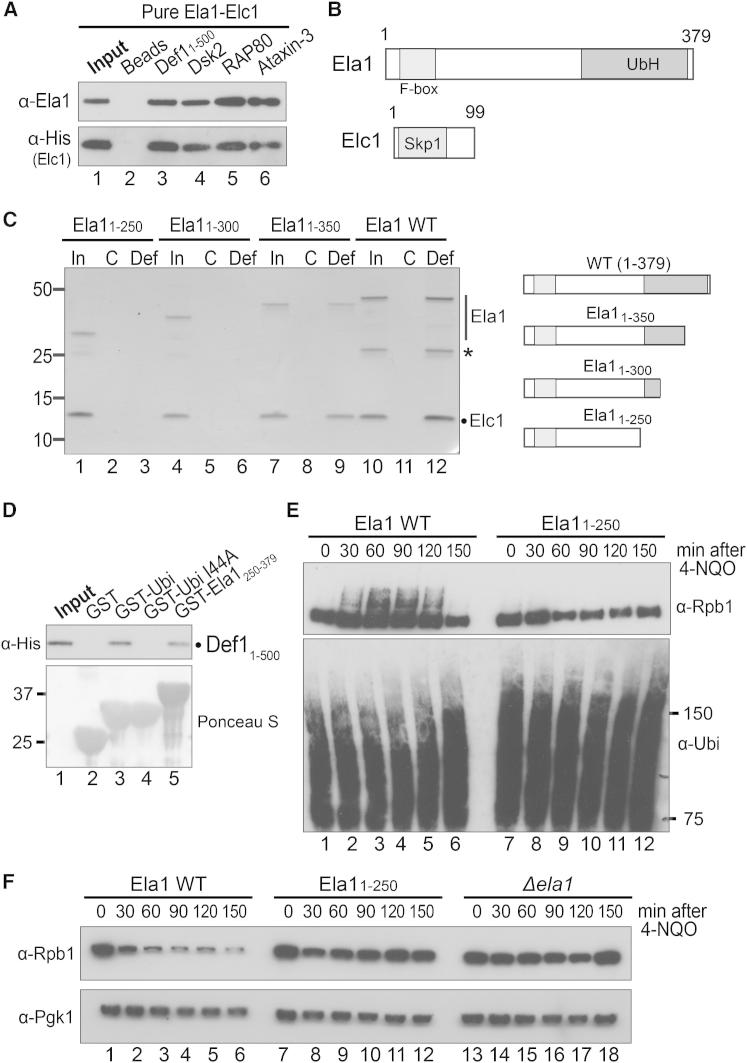
DNA damage triggers polyubiquitylation and degradation of the largest subunit of RNA polymerase II (RNAPII), a "mechanism of last resort" employed during transcription stress. In yeast, this process is dependent on Def1 through a previously unresolved mechanism. Here, we report that Def1 becomes activated through ubiquitylation- and proteasome-dependent processing. Def1 processing results in the removal of a domain promoting cytoplasmic localization, resulting in nuclear accumulation of the clipped protein. Nuclear Def1 then binds RNAPII, utilizing a ubiquitin-binding domain to recruit the Elongin-Cullin E3 ligase complex via a ubiquitin-homology domain in the Ela1 protein. This facilitates polyubiquitylation of Rpb1, triggering its proteasome-mediated degradation. Together, these results outline the multistep mechanism of Rpb1 polyubiquitylation triggered by transcription stress and uncover the key role played by Def1 as a facilitator of Elongin-Cullin ubiquitin ligase function.
DNA 损伤会引发 RNA 聚合酶 II(RNAPII)大亚基的多泛素化和降解,这是转录应激过程中采用的“最后的手段”机制。在酵母中,该过程依赖于以前未解决机制的 Def1。在这里,我们报告说,Def1 通过泛素化和蛋白酶体依赖性加工而被激活。Def1 的加工导致促进细胞质定位的结构域被去除,从而导致被截断的蛋白质在核内积累。核内的 Def1 然后与 RNAPII 结合,利用泛素结合结构域通过 Ela1 蛋白中的泛素同源结构域招募 Elongin-Cullin E3 连接酶复合物。这促进了 Rpb1 的多泛素化,触发其蛋白酶体介导的降解。总之,这些结果概述了由转录应激引发的 Rpb1 多泛素化的多步机制,并揭示了 Def1 作为 Elongin-Cullin 泛素连接酶功能促进因子的关键作用。