Department of Cancer Biology, Lerner Research Institute, Cleveland Clinic, Cleveland, OH 44195, USA; Department of Solid Tumor Oncology, Taussig Cancer Institute, Cleveland Clinic, Cleveland, OH 44195, USA; Glickman Urological and Kidney Institute, Cleveland Clinic, Cleveland, OH 44195, USA; Division of Hematology/Oncology, Department of Internal Medicine and Simmons Cancer Center, UT Southwestern Medical Center, Dallas, TX 75390, USA.
Division of Hematology/Oncology, Department of Internal Medicine and Simmons Cancer Center, UT Southwestern Medical Center, Dallas, TX 75390, USA.
Cell. 2013 Aug 29;154(5):1074-1084. doi: 10.1016/j.cell.2013.07.029.
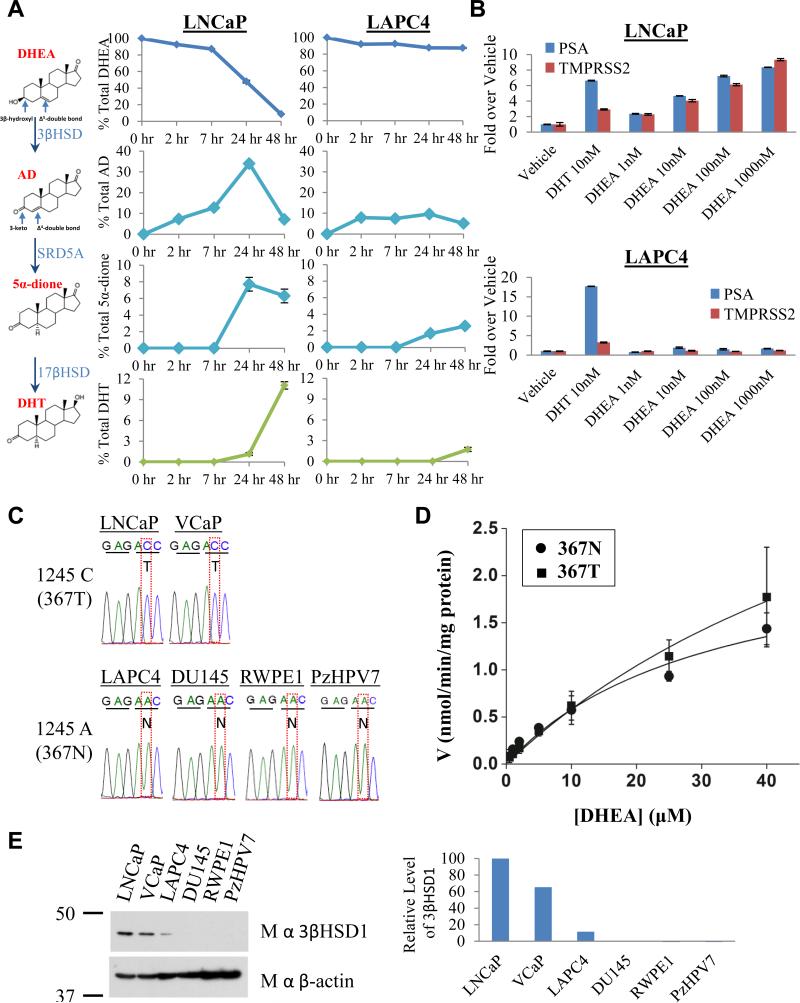
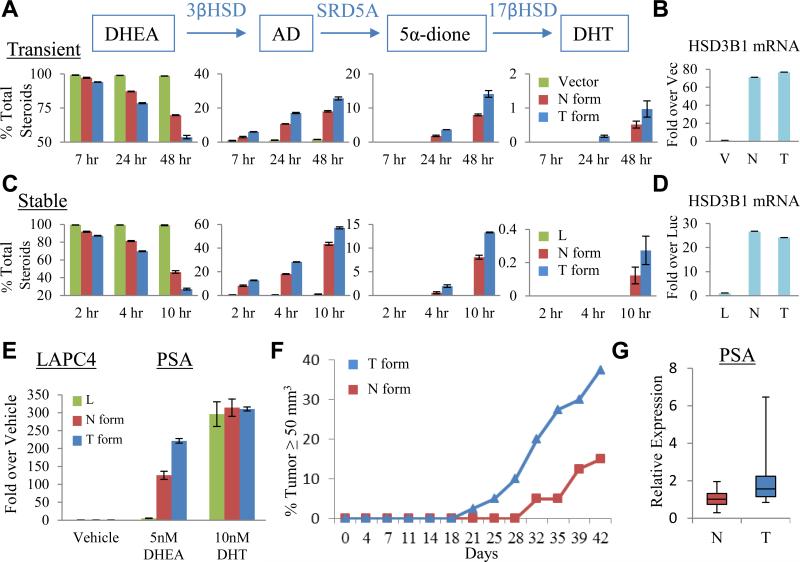
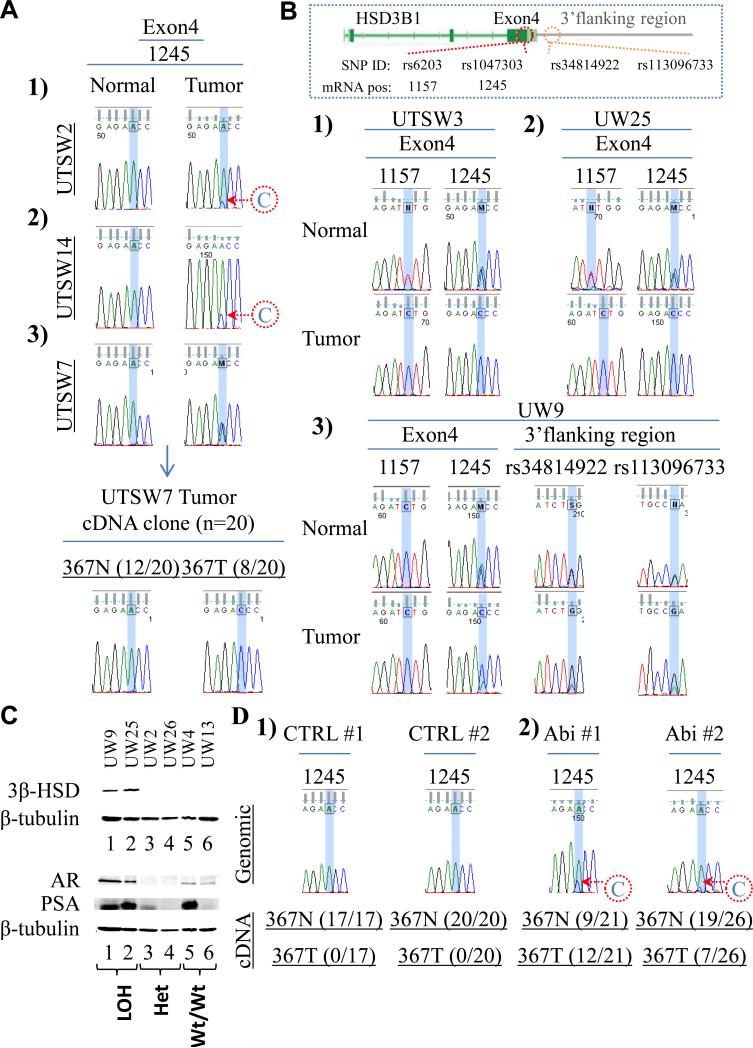
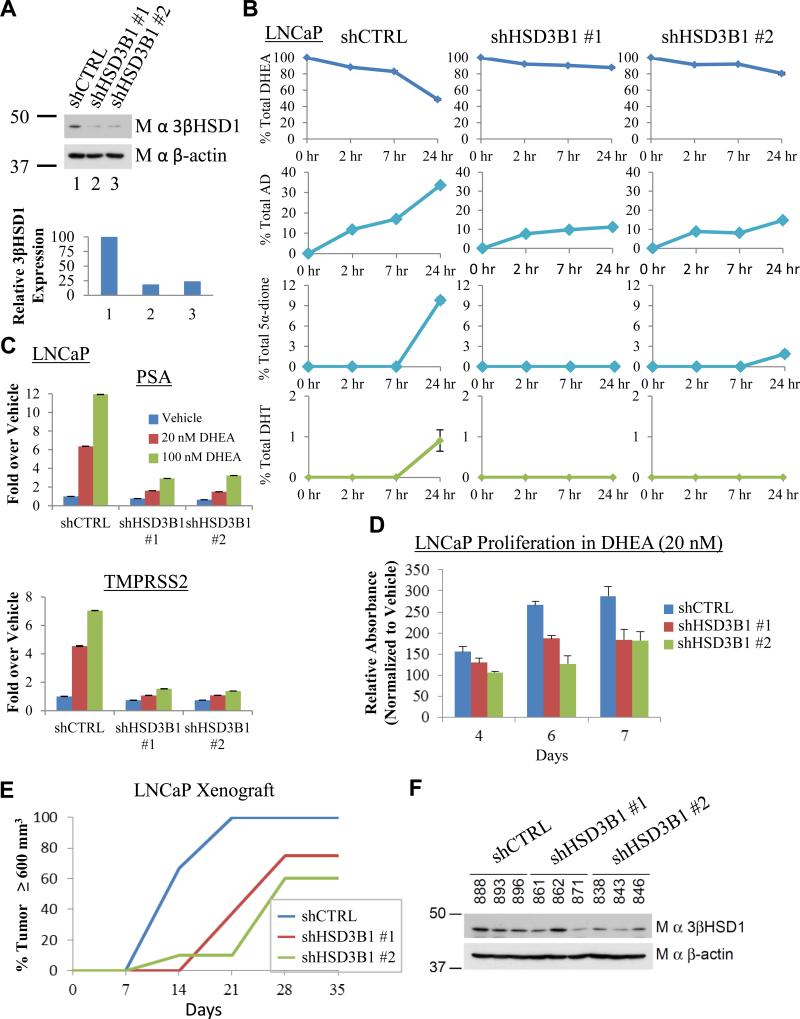
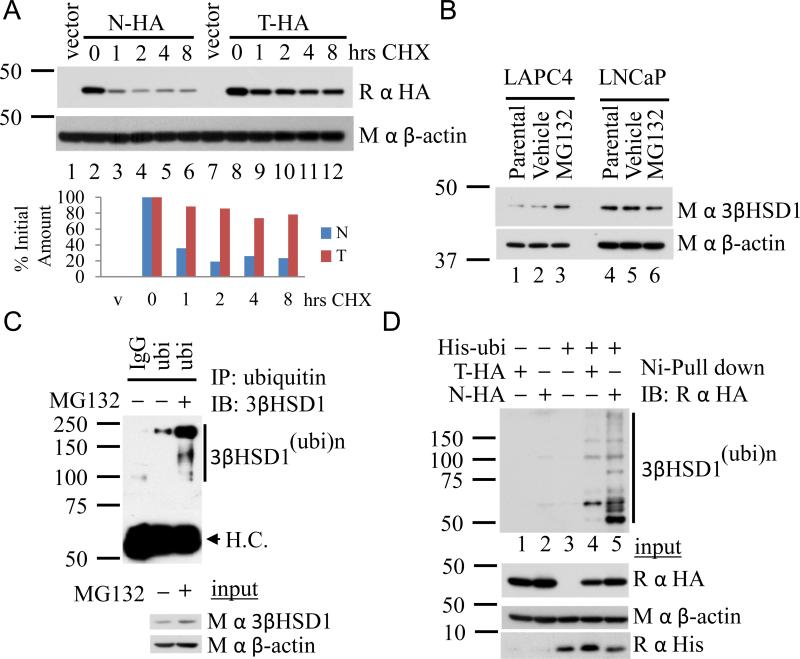
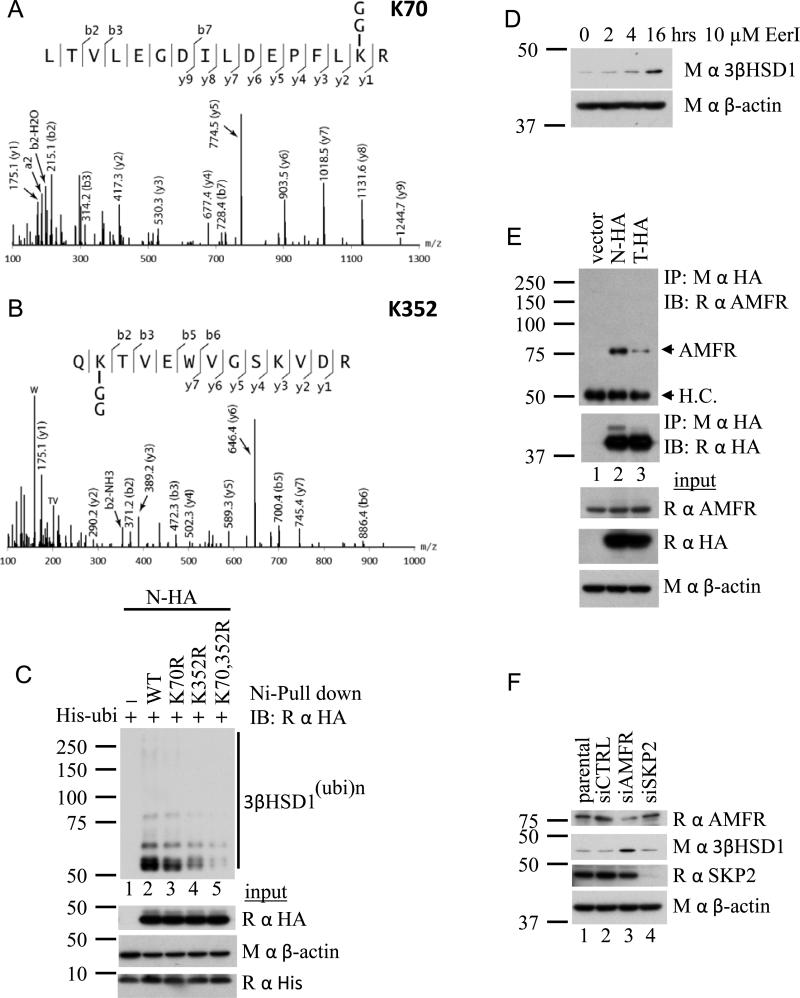
Growth of prostate cancer cells is dependent upon androgen stimulation of the androgen receptor (AR). Dihydrotestosterone (DHT), the most potent androgen, is usually synthesized in the prostate from testosterone secreted by the testis. Following chemical or surgical castration, prostate cancers usually shrink owing to testosterone deprivation. However, tumors often recur, forming castration-resistant prostate cancer (CRPC). Here, we show that CRPC sometimes expresses a gain-of-stability mutation that leads to a gain-of-function in 3β-hydroxysteroid dehydrogenase type 1 (3βHSD1), which catalyzes the initial rate-limiting step in conversion of the adrenal-derived steroid dehydroepiandrosterone to DHT. The mutation (N367T) does not affect catalytic function, but it renders the enzyme resistant to ubiquitination and degradation, leading to profound accumulation. Whereas dehydroepiandrosterone conversion to DHT is usually very limited, expression of 367T accelerates this conversion and provides the DHT necessary to activate the AR. We suggest that 3βHSD1 is a valid target for the treatment of CRPC.
前列腺癌细胞的生长依赖于雄激素对雄激素受体(AR)的刺激。二氢睾酮(DHT)是最有效的雄激素,通常在前列腺中由睾丸分泌的睾酮合成。化学或手术去势后,由于睾酮缺乏,前列腺癌通常会缩小。然而,肿瘤经常复发,形成去势抵抗性前列腺癌(CRPC)。在这里,我们表明 CRPC 有时会表达一种稳定性获得突变,导致 3β-羟类固醇脱氢酶 1 型(3βHSD1)的功能获得,该酶催化肾上腺源性甾体脱氢表雄酮转化为 DHT 的初始限速步骤。该突变(N367T)不影响催化功能,但使酶抵抗泛素化和降解,导致大量积累。虽然脱氢表雄酮转化为 DHT 通常非常有限,但 367T 的表达加速了这种转化,并提供了激活 AR 所需的 DHT。我们认为 3βHSD1 是治疗 CRPC 的有效靶点。