Department of Biology, University of Oklahoma , Norman, OK , USA.
PeerJ. 2013 Aug 27;1:e140. doi: 10.7717/peerj.140. eCollection 2013.
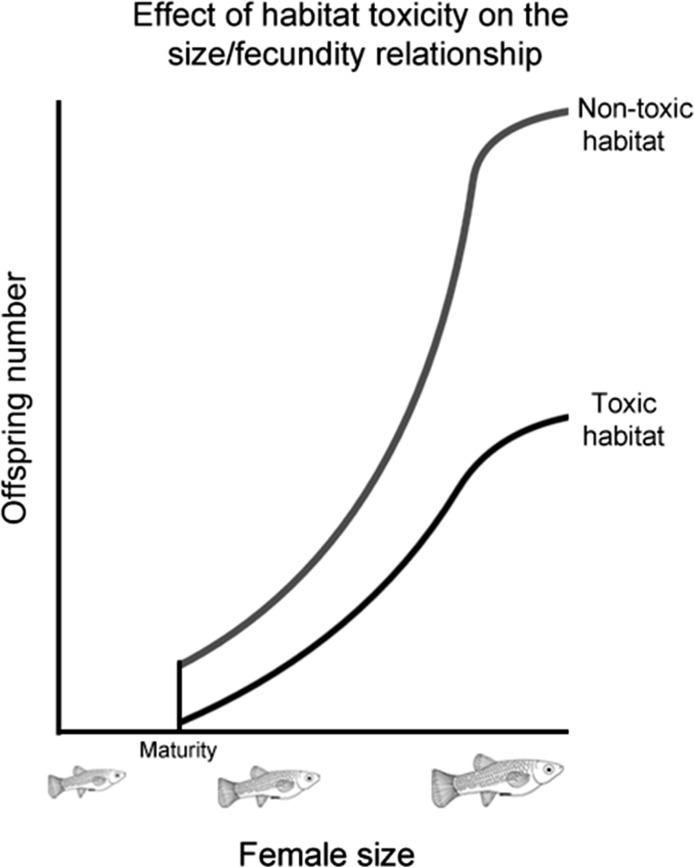
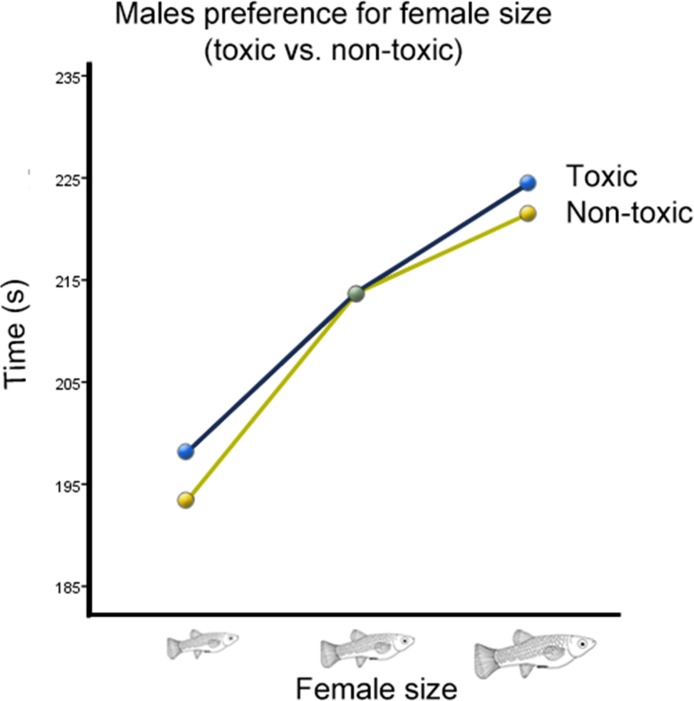
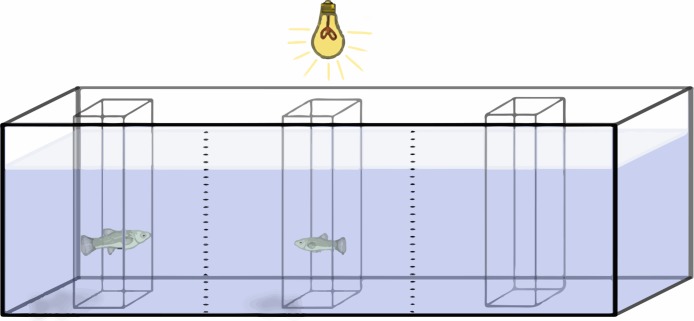
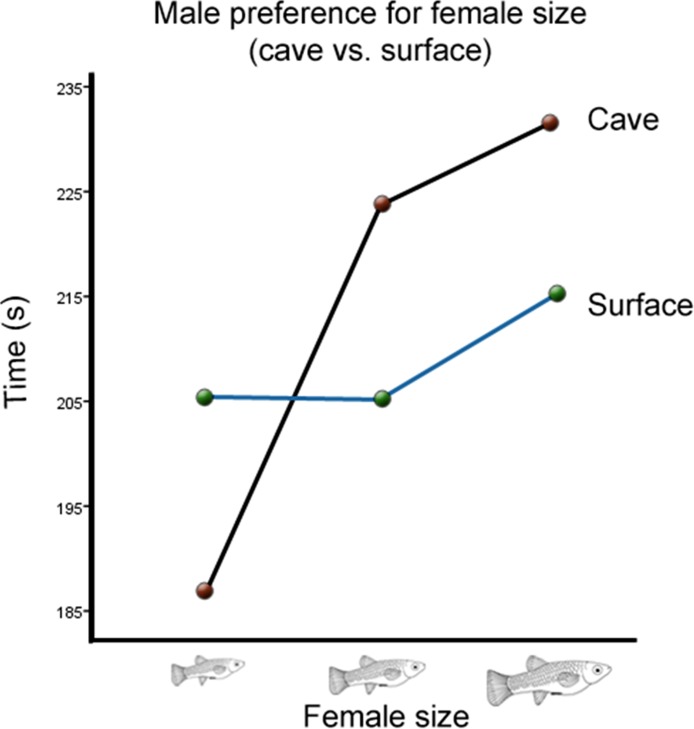
While female mate preference is very well studied, male preference has only recently begun to receive significant attention. Its existence is found in numerous taxa, but empirical research has mostly been limited to a descriptive level and does not fully address the factors influencing its evolution. We attempted to address this issue using preference functions by comparing the strength of male preference for females of different sizes in nine populations of four poeciliid species. Due to environmental constraints (water toxicity and surface versus cave habitat), females from these populations vary in the degree to which their size is correlated to their fecundity. Hence, they vary in how their size signals their quality as mates. Since female size is strongly correlated with fecundity in this subfamily, males were sequentially presented with conspecific females of three different size categories and the strength of their preference for each was measured. Males preferred larger females in all populations, as predicted. However, the degree to which males preferred each size category, as measured by association time, was not correlated with its fecundity. In addition, cave males discriminated against smaller females more than surface males. Assuming that male preference is correlated with female fitness, these results suggest that factors other than fecundity have a strong influence on female fitness in these species.
虽然对雌性配偶偏好的研究已经非常深入,但雄性偏好直到最近才开始受到广泛关注。这种偏好存在于许多分类群中,但实证研究大多局限于描述性水平,并未充分探讨影响其进化的因素。我们试图使用偏好函数来解决这个问题,比较了在四个脂鲤科物种的九个种群中,雄性对不同体型雌性的偏好强度。由于环境限制(水毒性和水面栖息地与洞穴栖息地),这些种群的雌性在体型与繁殖力的相关性上存在差异。因此,它们在体型作为配偶质量信号的程度上存在差异。由于在这个亚科中,雌性体型与繁殖力高度相关,因此雄性会依次面对三个不同体型类别的同种雌性,并测量它们对每个雌性的偏好强度。正如预测的那样,所有种群中的雄性都更喜欢体型较大的雌性。然而,雄性对每个体型类别的偏好程度(通过关联时间来衡量)与它们的繁殖力无关。此外,洞穴中的雄性比水面上的雄性更歧视体型较小的雌性。假设雄性偏好与雌性适合度相关,那么这些结果表明,在这些物种中,除了繁殖力之外,还有其他因素对雌性适合度有强烈影响。