Department of Chemistry and Biochemistry, University of California, San Diego, La Jolla, California, United States of America ; Department of Molecular Biology and The Skaggs Institute for Chemical Biology, The Scripps Research Institute, La Jolla, California, United States of America.
PLoS Biol. 2013 Sep;11(9):e1001647. doi: 10.1371/journal.pbio.1001647. Epub 2013 Sep 3.
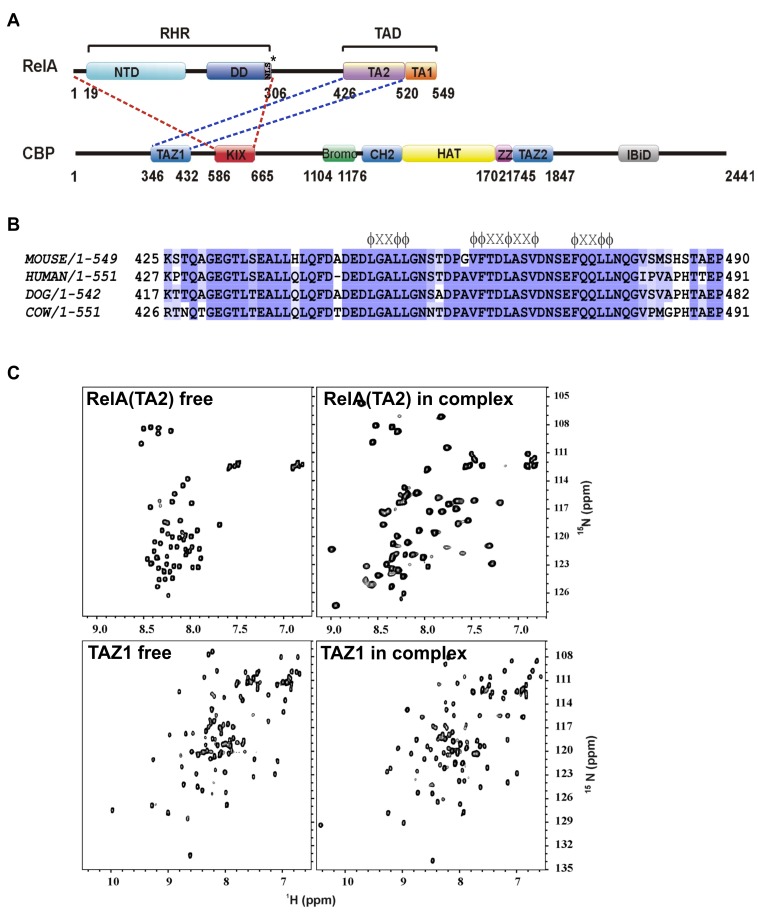
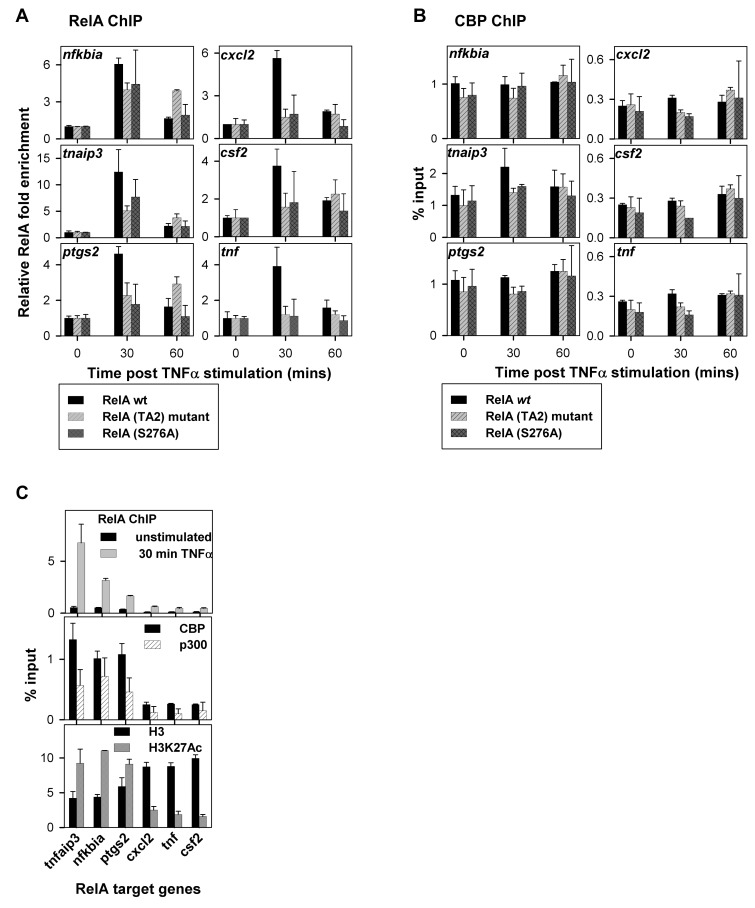
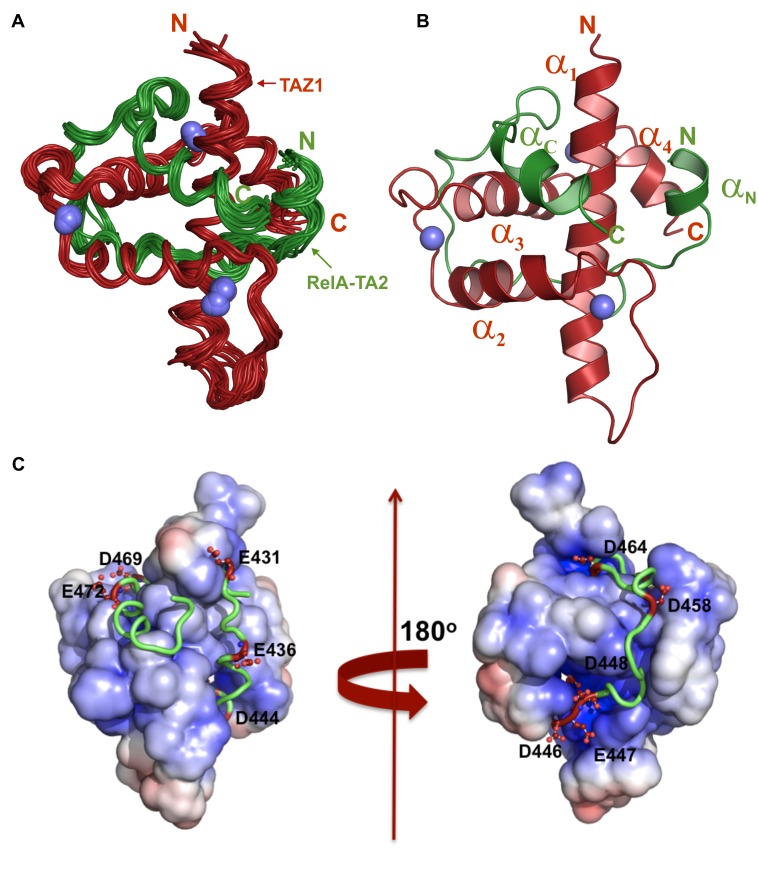
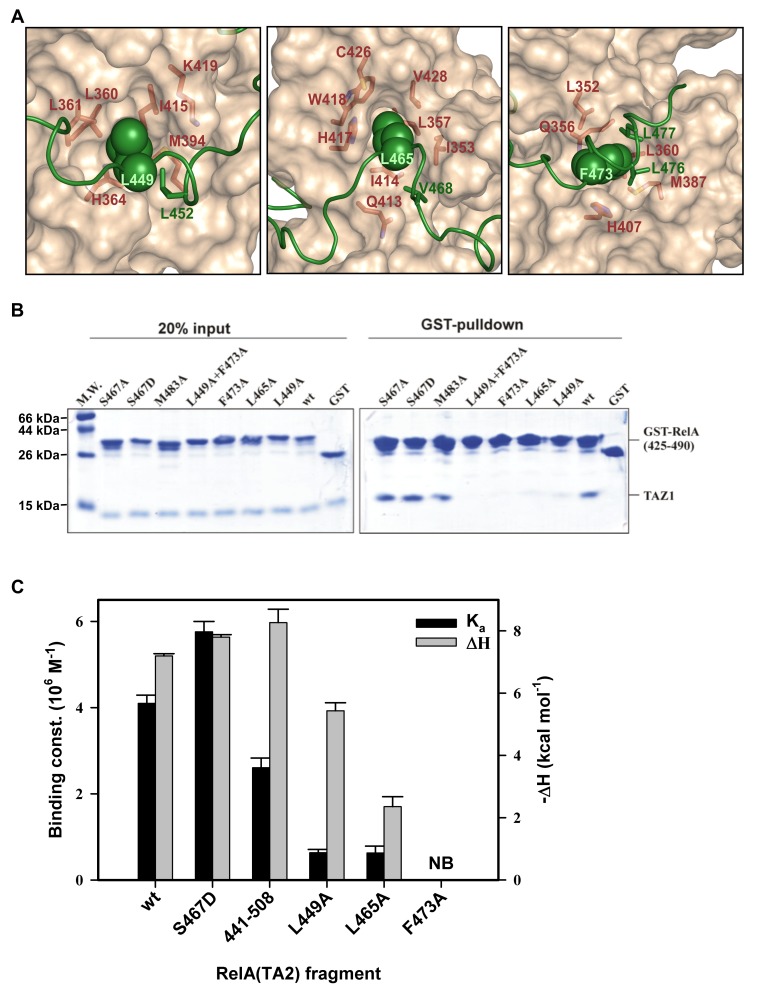
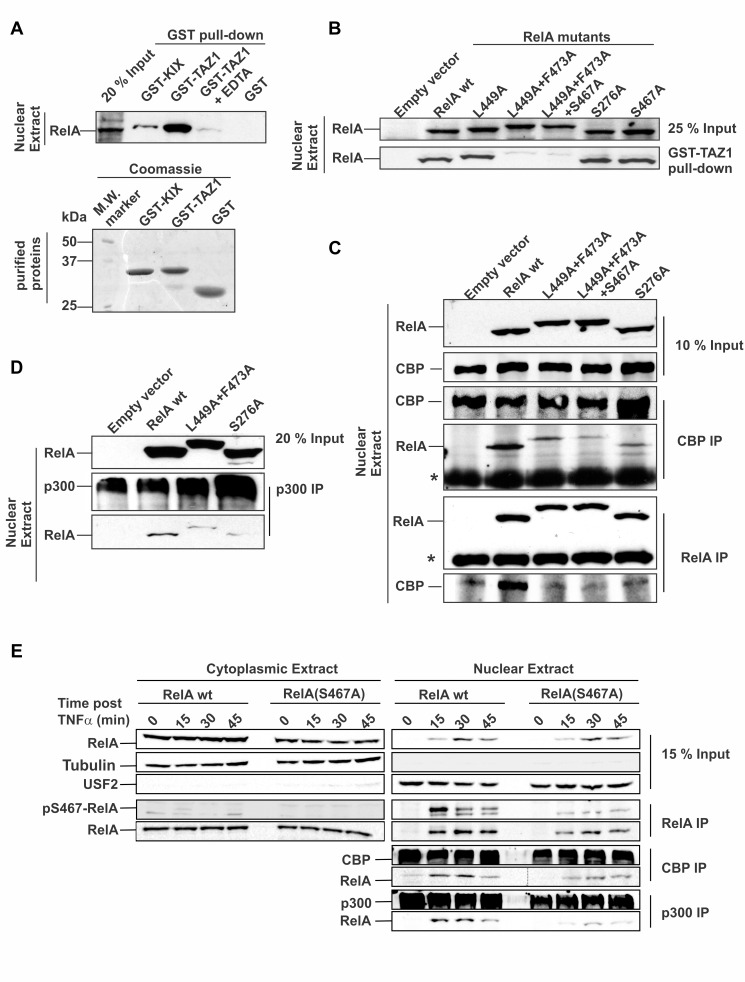
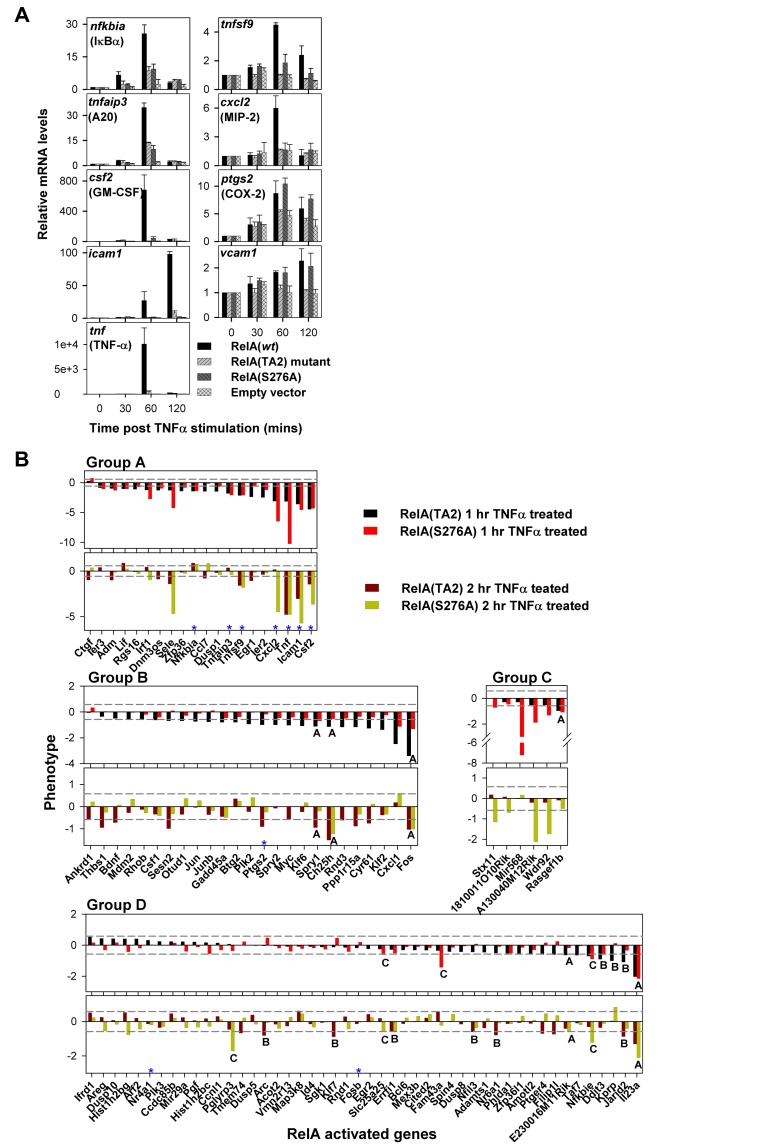
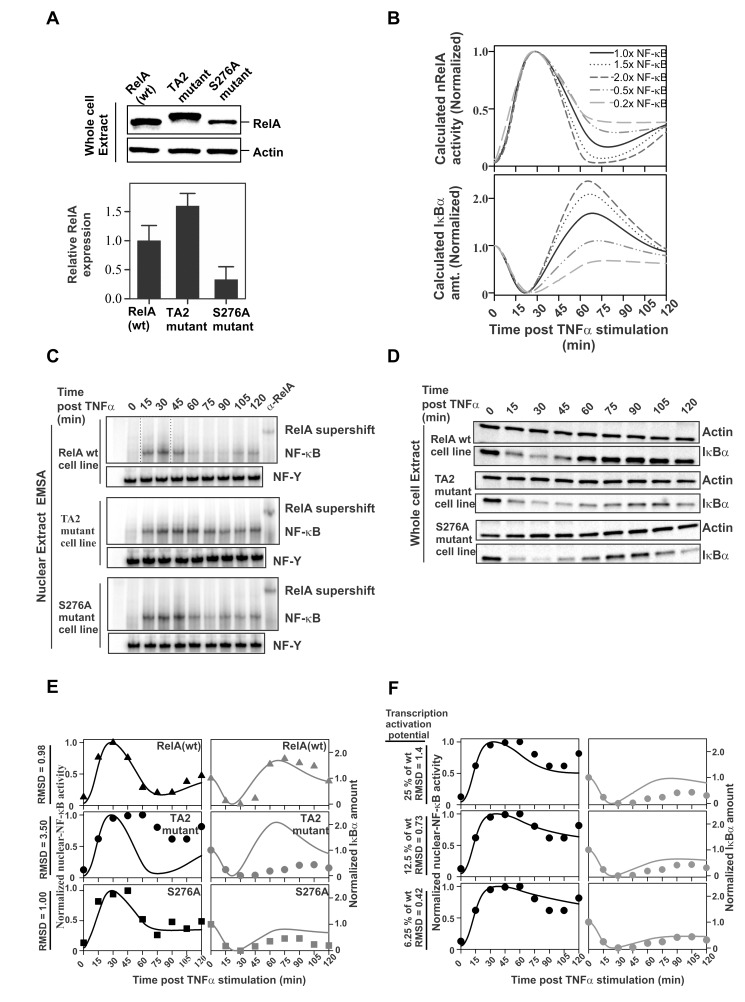
NF-κB plays a vital role in cellular immune and inflammatory response, survival, and proliferation by regulating the transcription of various genes involved in these processes. To activate transcription, RelA (a prominent NF-κB family member) interacts with transcriptional co-activators like CREB-binding protein (CBP) and its paralog p300 in addition to its cognate κB sites on the promoter/enhancer regions of DNA. The RelA:CBP/p300 complex is comprised of two components--first, DNA binding domain of RelA interacts with the KIX domain of CBP/p300, and second, the transcriptional activation domain (TAD) of RelA binds to the TAZ1 domain of CBP/p300. A phosphorylation event of a well-conserved RelA(Ser276) is prerequisite for the former interaction to occur and is considered a decisive factor for the overall RelA:CBP/p300 interaction. The role of the latter interaction in the transcription of RelA-activated genes remains unclear. Here we provide the solution structure of the latter component of the RelA:CBP complex by NMR spectroscopy. The structure reveals the folding of RelA-TA2 (a section of TAD) upon binding to TAZ1 through its well-conserved hydrophobic sites in a series of grooves on the TAZ1 surface. The structural analysis coupled with the mechanistic studies by mutational and isothermal calorimetric analyses allowed the design of RelA-mutants that selectively abrogated the two distinct components of the RelA:CBP/p300 interaction. Detailed studies of these RelA mutants using cell-based techniques, mathematical modeling, and genome-wide gene expression analysis showed that a major set of the RelA-activated genes, larger than previously believed, is affected by this interaction. We further show how the RelA:CBP/p300 interaction controls the nuclear response of NF-κB through the negative feedback loop of NF-κB pathway. Additionally, chromatin analyses of RelA target gene promoters showed constitutive recruitment of CBP/p300, thus indicating a possible role of CBP/p300 in recruitment of RelA to its target promoter sites.
NF-κB 通过调节参与这些过程的各种基因的转录,在细胞免疫和炎症反应、存活和增殖中发挥着至关重要的作用。为了激活转录,RelA(NF-κB 家族的一个重要成员)与转录共激活因子(如 CREB 结合蛋白(CBP)及其同源物 p300)相互作用,除了与 DNA 启动子/增强子区域上的同源 κB 位点相互作用之外。RelA:CBP/p300 复合物由两个组件组成——首先,RelA 的 DNA 结合域与 CBP/p300 的 KIX 结构域相互作用,其次,RelA 的转录激活结构域(TAD)与 CBP/p300 的 TAZ1 结构域结合。RelA(Ser276)的一个保守磷酸化事件是发生前者相互作用的先决条件,被认为是整体 RelA:CBP/p300 相互作用的决定性因素。后者相互作用在 RelA 激活基因的转录中的作用尚不清楚。在这里,我们通过 NMR 光谱法提供了 RelA:CBP 复合物后者组件的溶液结构。该结构揭示了 RelA-TA2(TAD 的一部分)在其表面一系列沟槽中的保守疏水位点的作用下,与 TAZ1 结合时的折叠情况。结构分析与通过突变和等温量热分析的机制研究相结合,允许设计选择性地消除 RelA:CBP/p300 相互作用的两个不同组件的 RelA 突变体。使用基于细胞的技术、数学建模和全基因组基因表达分析对这些 RelA 突变体进行的详细研究表明,一组比以前认为的更大的 RelA 激活基因受到这种相互作用的影响。我们进一步展示了 RelA:CBP/p300 相互作用如何通过 NF-κB 途径的负反馈回路控制 NF-κB 的核反应。此外,RelA 靶基因启动子的染色质分析显示 CBP/p300 的组成型募集,因此表明 CBP/p300 在将 RelA 募集到其靶启动子位点中的可能作用。