Berkeley, Berkeley, CA 94720.
J Exp Med. 2013 Sep 23;210(10):2057-69. doi: 10.1084/jem.20130783. Epub 2013 Sep 16.
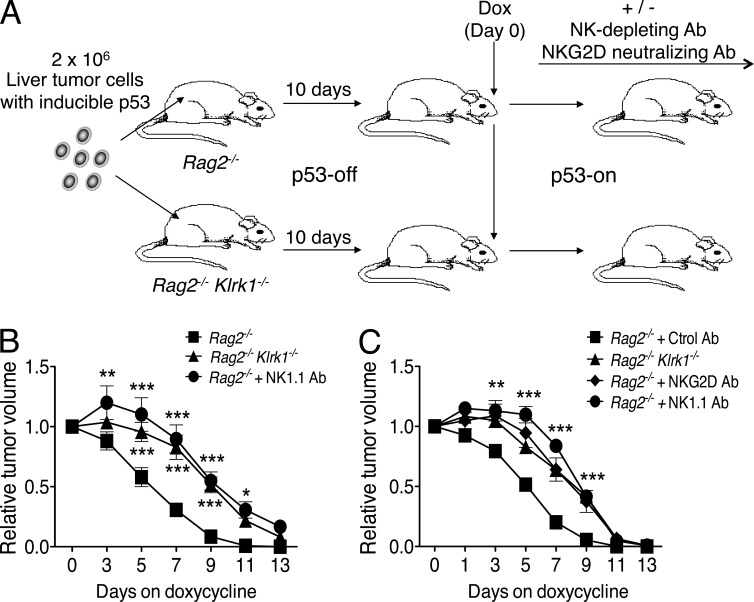
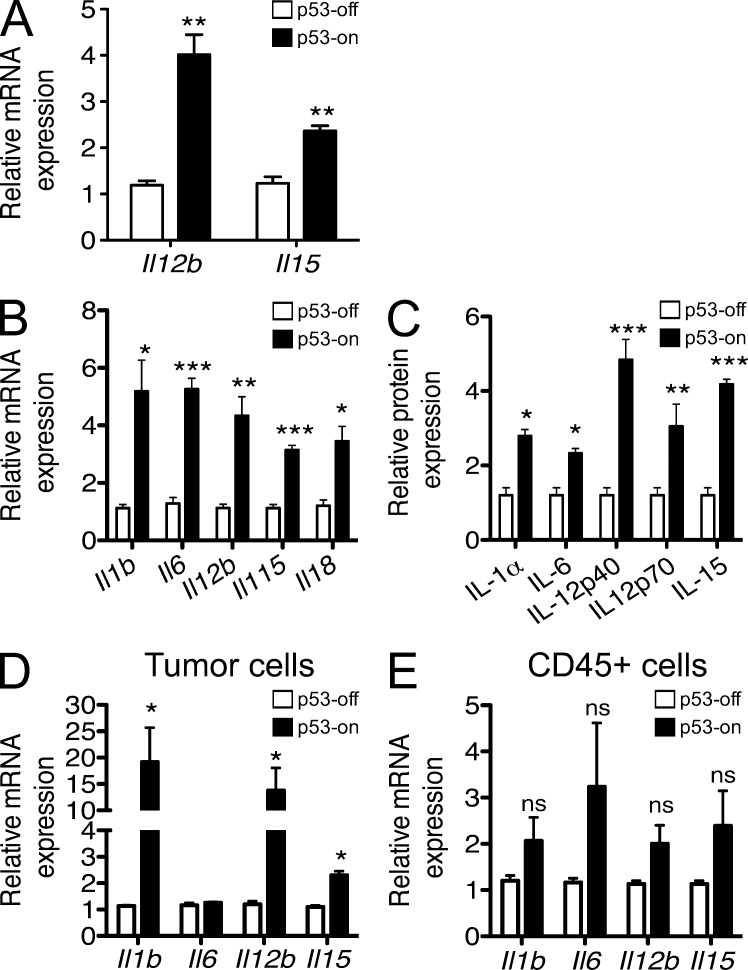
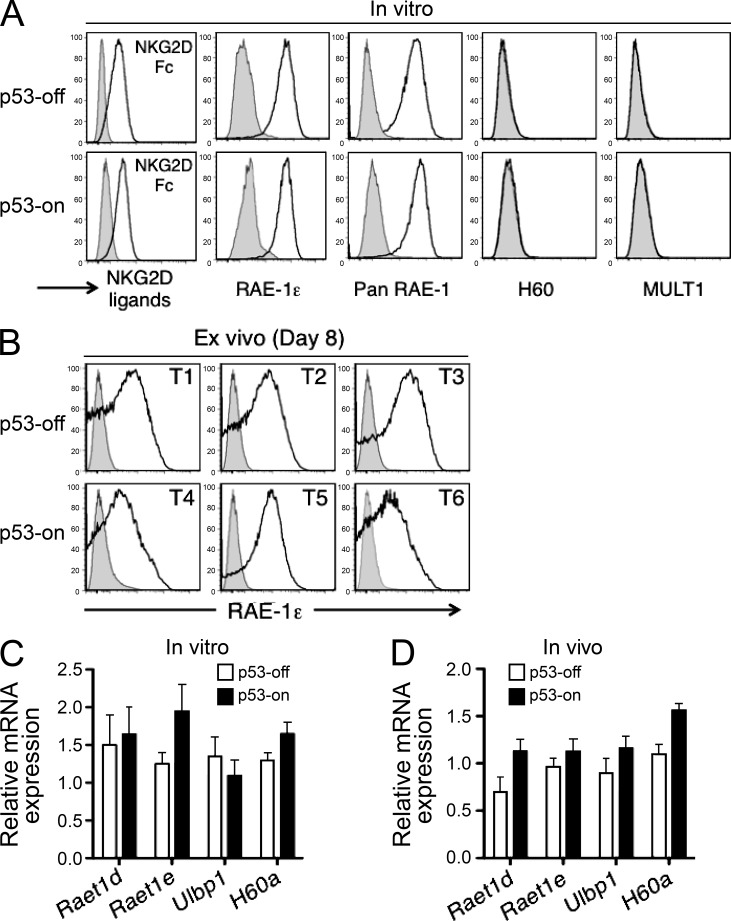
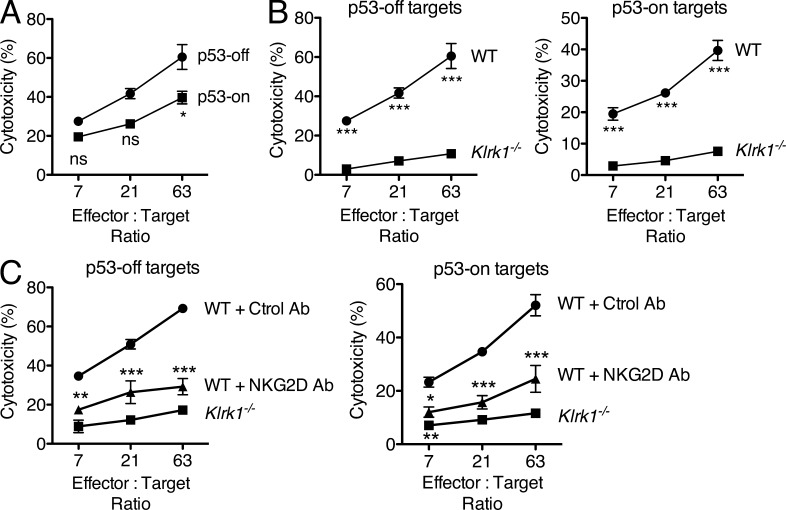
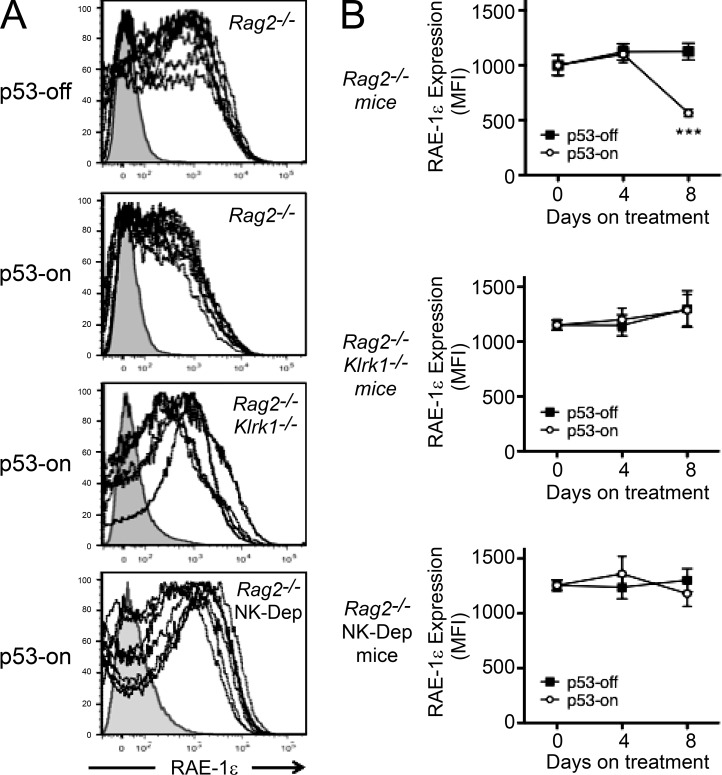
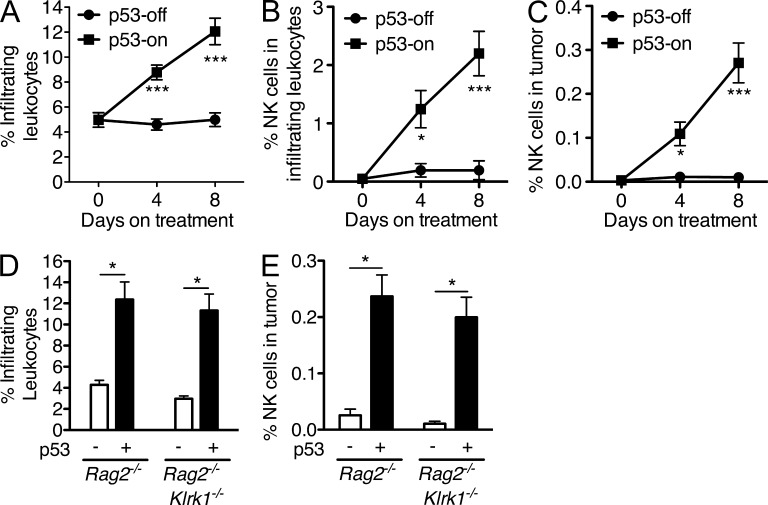
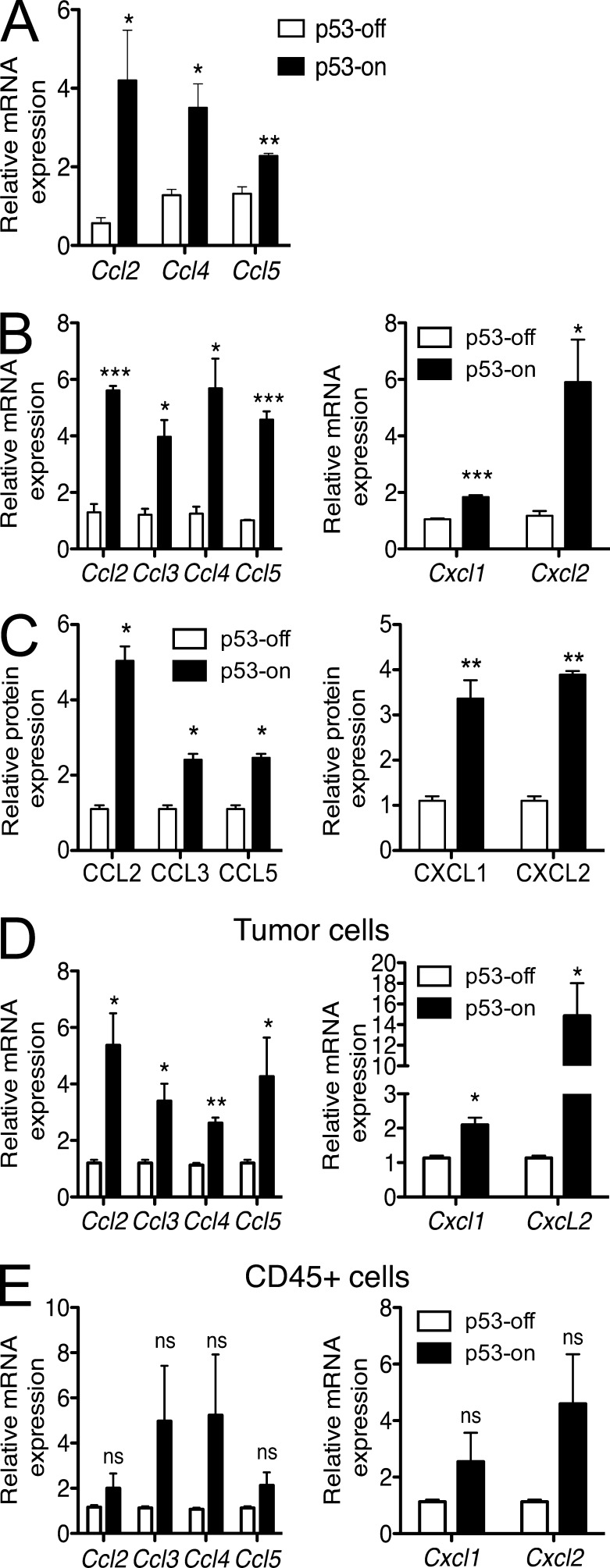
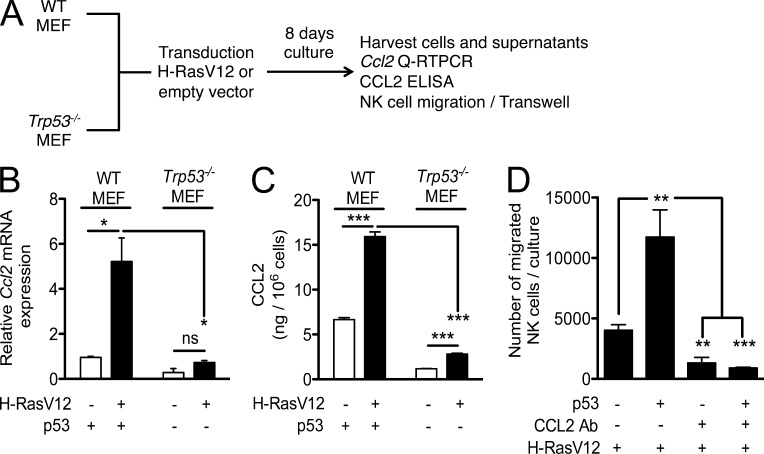
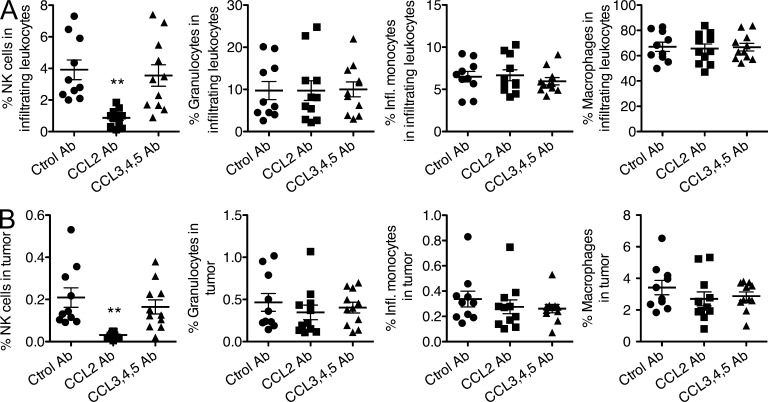
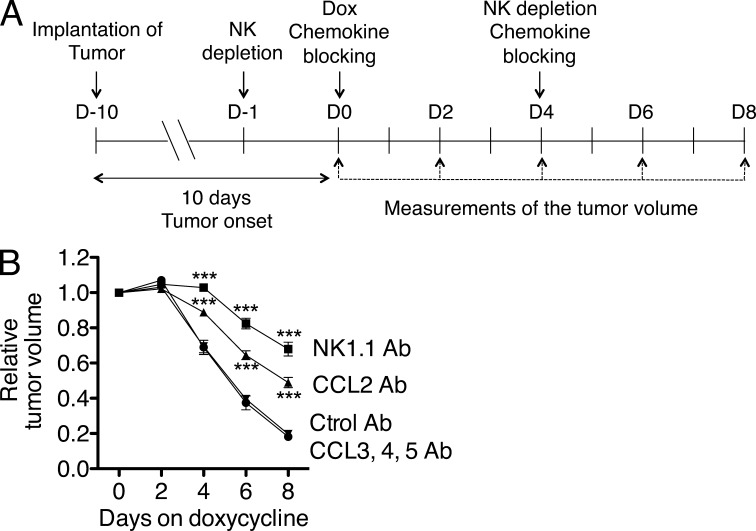
The induction of cellular senescence is an important mechanism by which p53 suppresses tumorigenesis. Using a mouse model of liver carcinoma, where cellular senescence is triggered in vivo by inducible p53 expression, we demonstrated that NK cells participate in the elimination of senescent tumors. The elimination of senescent tumor cells is dependent on NKG2D. Interestingly, p53 restoration neither increases ligand expression nor increases the sensitivity to lysis by NK cells. Instead, p53 restoration caused tumor cells to secrete various chemokines with the potential to recruit NK cells. Antibody-mediated neutralization of CCL2, but not CCL3, CCL4 or CCL5, prevented NK cell recruitment to the senescent tumors and reduced their elimination. Our findings suggest that elimination of senescent tumors by NK cells occurs as a result of the cooperation of signals associated with p53 expression or senescence, which regulate NK cell recruitment, and other signals that induce NKG2D ligand expression on tumor cells.
细胞衰老的诱导是 p53 抑制肿瘤发生的重要机制。我们使用一种肝癌的小鼠模型,通过诱导性 p53 表达在体内触发细胞衰老,证明了 NK 细胞参与了衰老肿瘤的消除。衰老肿瘤细胞的消除依赖于 NKG2D。有趣的是,p53 的恢复既不会增加配体的表达,也不会增加 NK 细胞对裂解的敏感性。相反,p53 的恢复导致肿瘤细胞分泌各种趋化因子,具有招募 NK 细胞的潜力。抗体介导的 CCL2 中和,但不中和 CCL3、CCL4 或 CCL5,阻止了 NK 细胞向衰老肿瘤的募集,并减少了它们的消除。我们的研究结果表明,NK 细胞消除衰老肿瘤是由于与 p53 表达或衰老相关的信号与调节 NK 细胞募集的信号以及诱导肿瘤细胞表达 NKG2D 配体的其他信号之间的合作。