Department of Pharmacology and Pharmaceutical Sciences, School of Pharmacy, University of Southern California, Los Angeles, CA 90089, USA.
Department of Pharmacology and Pharmaceutical Sciences, School of Pharmacy, University of Southern California, Los Angeles, CA 90089, USA; Department of Neurology, Keck School of Medicine, University of Southern California, Los Angeles, CA 90089, USA.
Prog Neurobiol. 2014 Feb;113:40-55. doi: 10.1016/j.pneurobio.2013.08.004. Epub 2013 Sep 14.
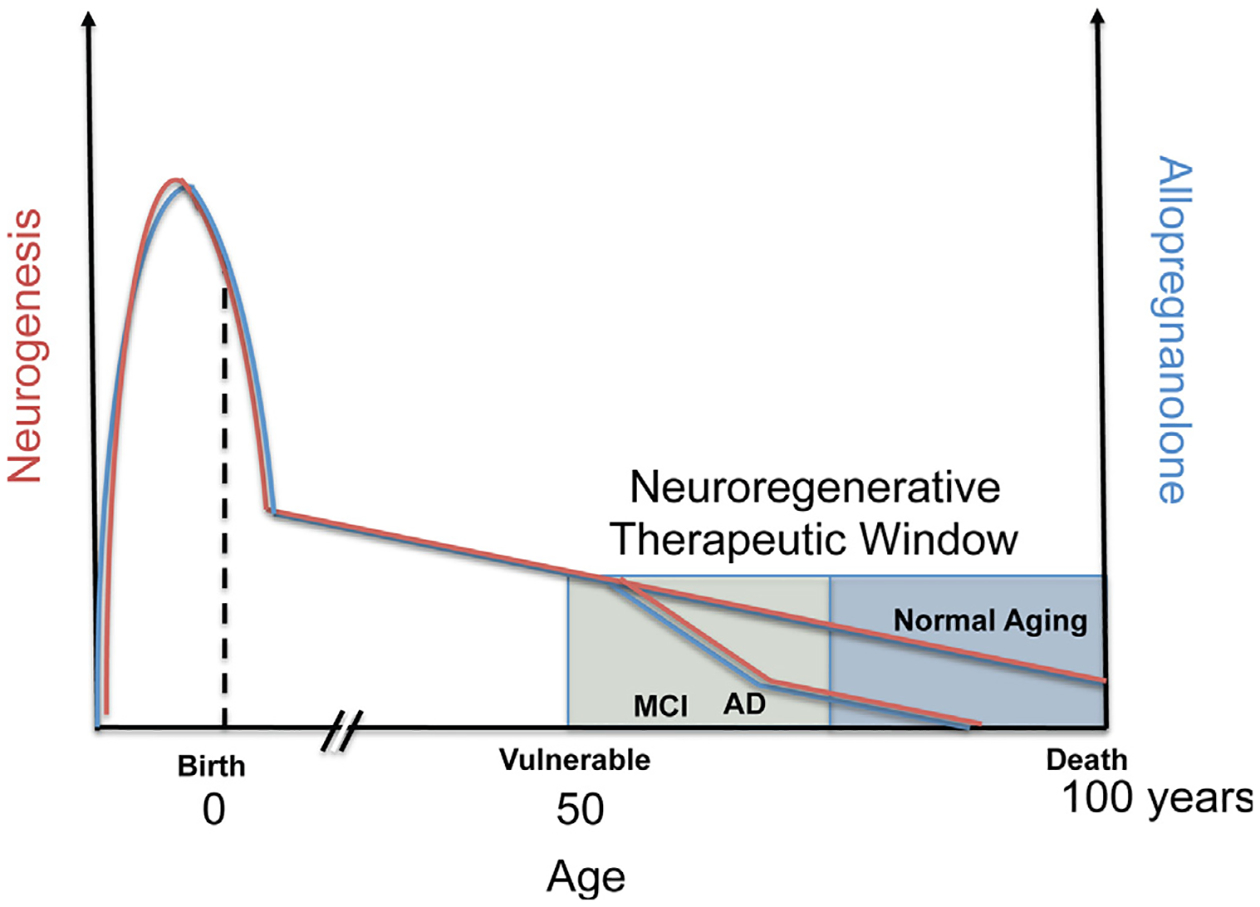
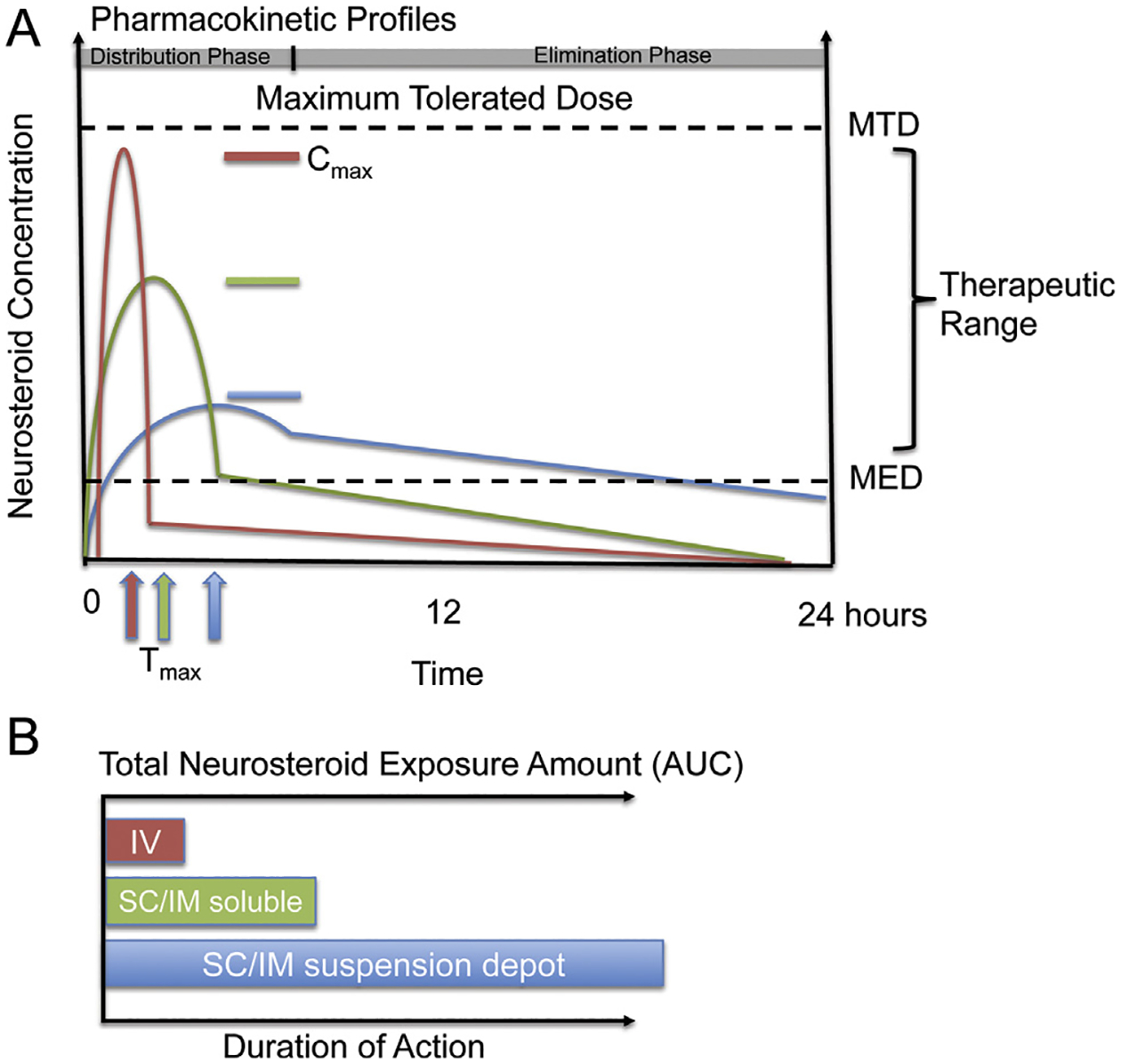
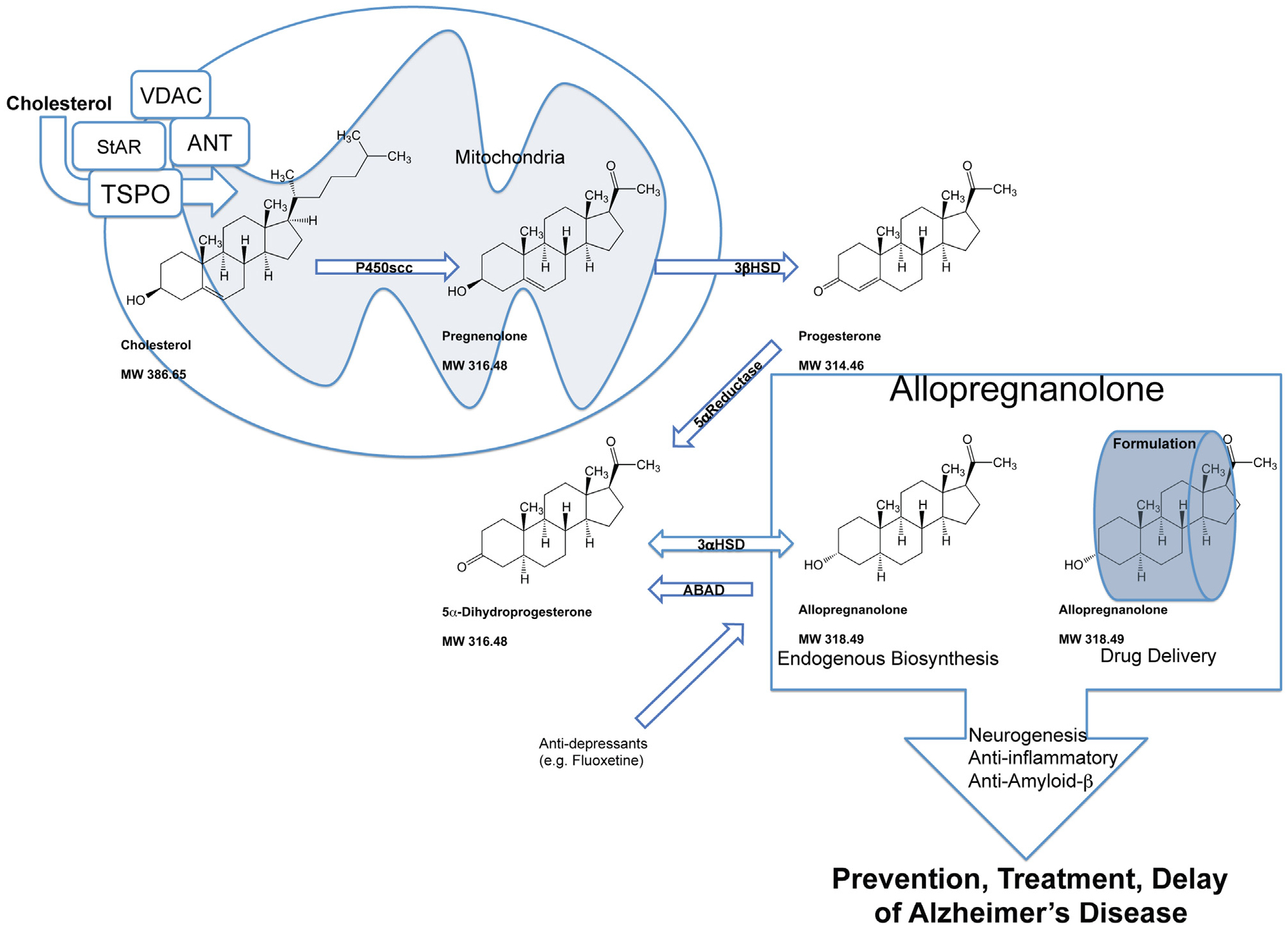
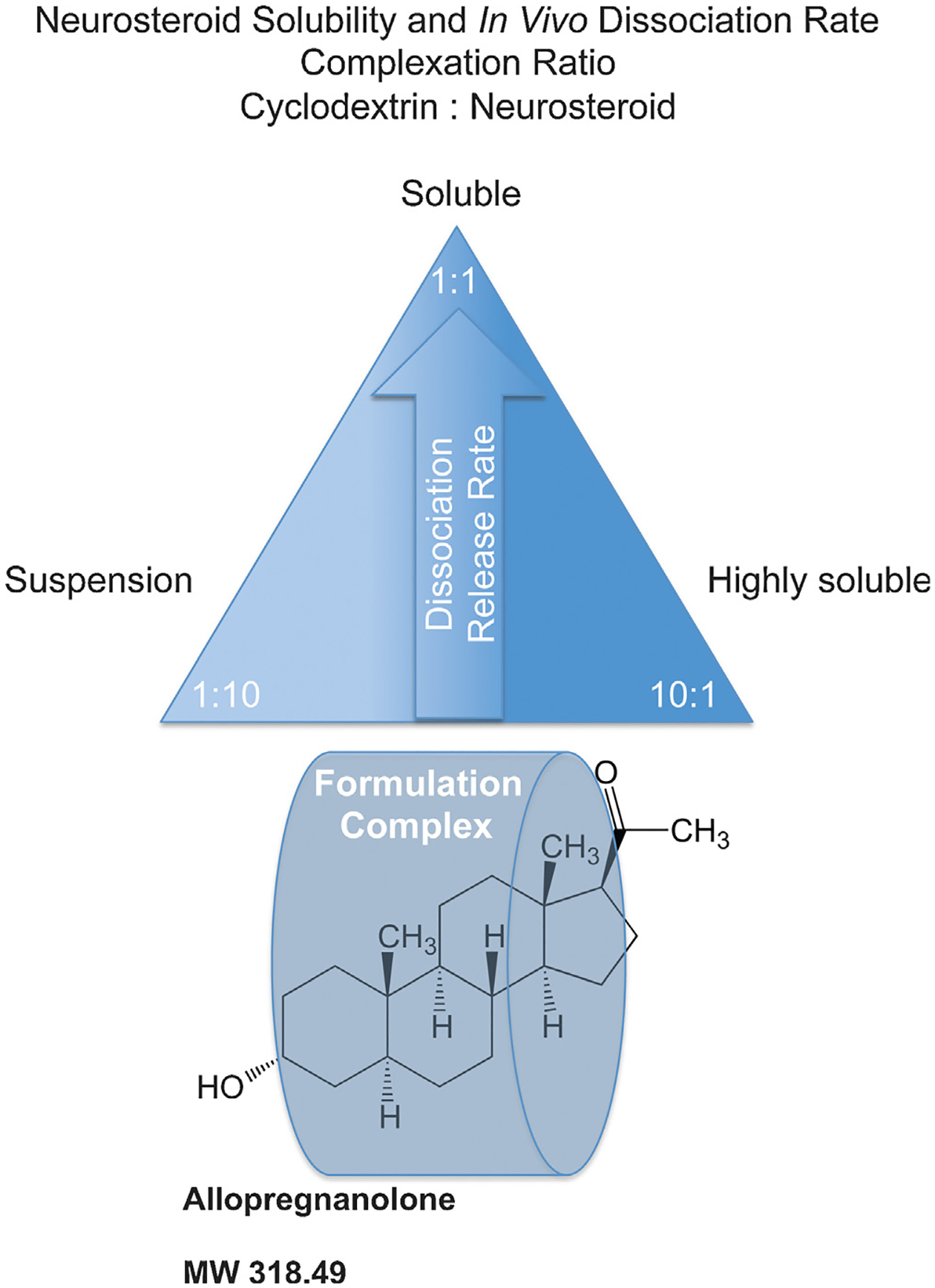
Herein, we review a translational development plan to advance allopregnanolone to the clinic as a regenerative therapeutic for neurodegenerative diseases, in particular Alzheimer's. Allopregnanolone, an endogenous neurosteroid that declines with age and neurodegenerative disease, was exogenously administered and assessed for safety and efficacy to promote neuro-regeneration, cognitive function and reduction of Alzheimer's pathology. Allopregnanolone-induced neurogenesis correlated with restoration of learning and memory function in a mouse model of Alzheimer's disease and was comparably efficacious in aged normal mice. Critical to success was a dosing and treatment regimen that was consistent with the temporal requirements of systems biology of regeneration in brain. A treatment regimen that adhered to regenerative requirements of brain was also efficacious in reducing Alzheimer's pathology. With an optimized dosing and treatment regimen, chronic allopregnanolone administration promoted neurogenesis, oligodendrogenesis, reduced neuroinflammation and beta-amyloid burden while increasing markers of white matter generation and cholesterol homeostasis. Allopregnanolone meets three of the four drug-like physicochemical properties described by Lipinski's rule that predict the success rate of drugs in development for clinical trials. Pharmacokinetic and pharmacodynamic outcomes, securing GMP material, development of clinically translatable formulations and acquiring regulatory approval are discussed. Investigation of allopregnanolone as a regenerative therapeutic has provided key insights into mechanistic targets for neurogenesis and disease modification, dosing requirements, optimal treatment regimen, route of administration and the appropriate formulation necessary to advance to proof of concept clinical studies to determine efficacy of allopregnanolone as a regenerative and disease modifying therapeutic for Alzheimer's disease.
在此,我们回顾了一项转化发展计划,旨在将异孕烯醇酮推进到临床,作为神经退行性疾病(尤其是阿尔茨海默病)的再生治疗药物。异孕烯醇酮是一种内源性神经甾体,随着年龄的增长和神经退行性疾病的发生而减少。我们已经对其进行了外源性给药,并评估了其安全性和疗效,以促进神经再生、认知功能和减少阿尔茨海默病病理。异孕烯醇酮诱导的神经发生与阿尔茨海默病小鼠模型中学习和记忆功能的恢复相关,并且在老年正常小鼠中同样有效。成功的关键是一个剂量和治疗方案,该方案与大脑再生系统生物学的时间要求一致。坚持大脑再生要求的治疗方案在减少阿尔茨海默病病理方面也同样有效。通过优化剂量和治疗方案,慢性异孕烯醇酮给药可促进神经发生、少突胶质细胞发生,减少神经炎症和β-淀粉样蛋白负担,同时增加白质生成和胆固醇稳态的标志物。异孕烯醇酮符合 Lipinski 规则描述的四个药物样物理化学性质中的三个,这些性质预测了药物在临床试验开发中的成功率。讨论了药代动力学和药效学结果、获得 GMP 材料、开发可临床转化的配方以及获得监管批准的问题。对异孕烯醇酮作为一种再生治疗药物的研究为神经发生和疾病修饰的机制靶点、剂量要求、最佳治疗方案、给药途径和适当的配方提供了关键的见解,这些都是将其推进到概念验证临床研究以确定异孕烯醇酮作为阿尔茨海默病的再生和疾病修饰治疗药物的疗效所必需的。