Jovanovic Katarina, Gonsalves Danielle, Da Costa Dias Bianca, Moodley Kiashanee, Reusch Uwe, Knackmuss Stefan, Penny Clement, Weinberg Marc S, Little Melvyn, Weiss Stefan F T
School of Molecular and Cell Biology, University of the Witwatersrand, Private Bag 3, Wits 2050, Johannesburg, Republic of South Africa.
Sci Rep. 2013;3:2699. doi: 10.1038/srep02699.
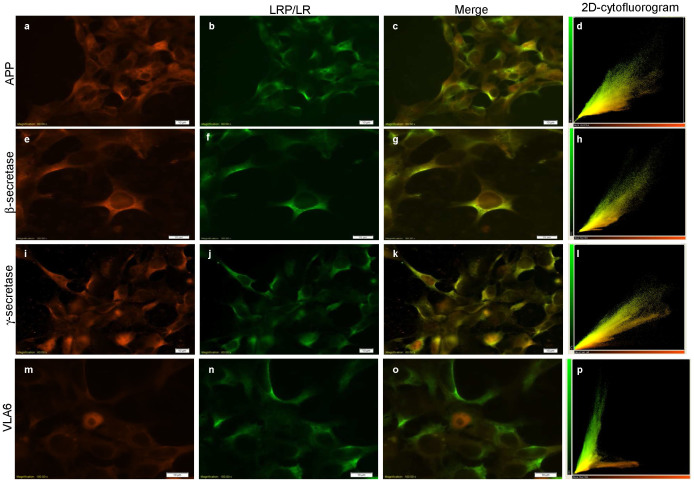
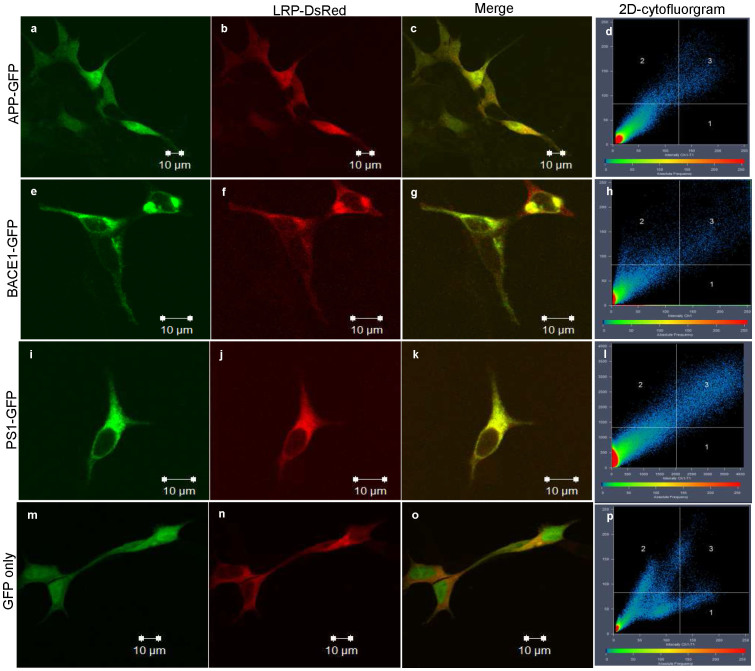
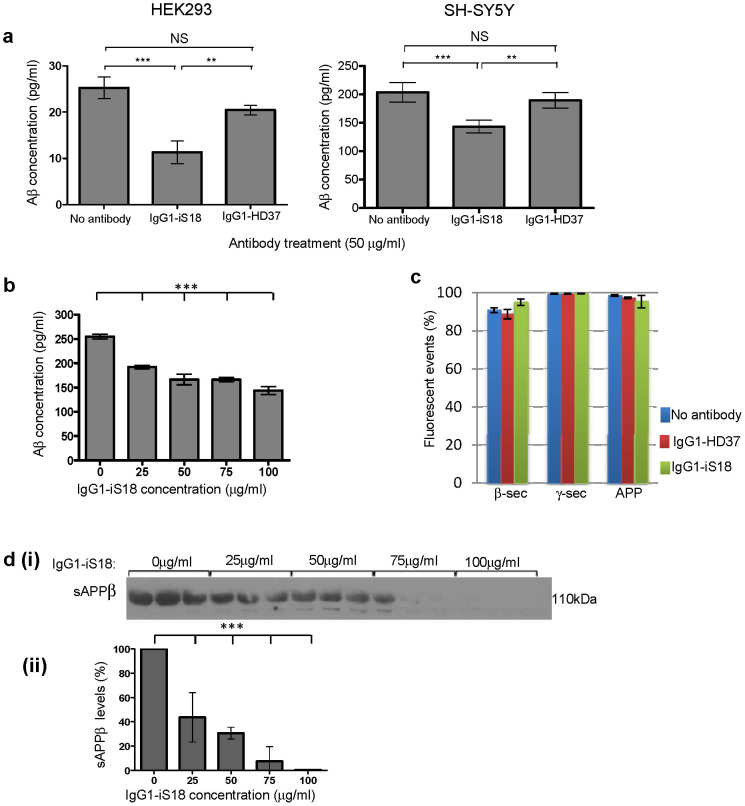
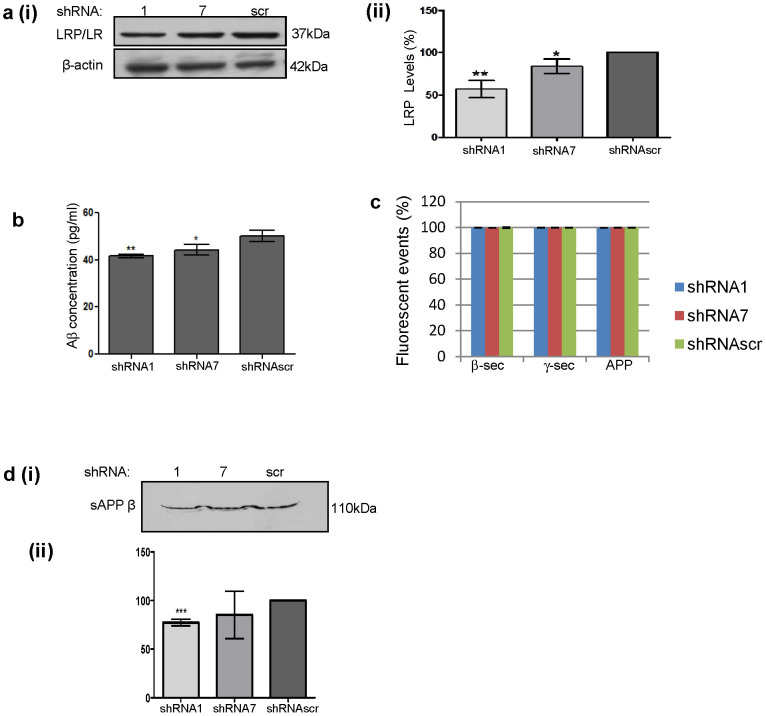
Alzheimer's disease (AD) is the most prevalent form of dementia. The amyloid beta (Aβ) peptide is the predominant candidate aetiological agent and is generated through the sequential proteolytic cleavage of the Amyloid Precursor Protein (APP) by beta (β) and gamma (γ) secretases. Since the cellular prion protein (PrP(c)) has been shown to regulate Aβ shedding, we investigated whether the cellular receptor for PrP(c), namely the 37 kDa/67 kDa Laminin Receptor (LRP/LR) played a role in Aβ shedding. Here we show that LRP/LR co-localises with the AD relevant proteins APP, β- and γ-secretase, respectively. Antibody blockage and shRNA knock-down of LRP/LR reduces Aβ shedding, due to impediment of β-secretase activity, rather than alteration of APP, β- and γ-secretase levels. These findings indicate that LRP/LR contributes to Aβ shedding and recommend anti-LRP/LR specific antibodies and shRNAs as novel therapeutic tools for AD treatment.
阿尔茨海默病(AD)是最常见的痴呆形式。淀粉样β(Aβ)肽是主要的候选病因,它通过淀粉样前体蛋白(APP)被β(β)和γ(γ)分泌酶依次进行蛋白水解切割而产生。由于细胞朊蛋白(PrP(c))已被证明可调节Aβ的释放,我们研究了PrP(c)的细胞受体,即37 kDa/67 kDa层粘连蛋白受体(LRP/LR)是否在Aβ释放中发挥作用。在此我们表明,LRP/LR分别与AD相关蛋白APP、β-和γ-分泌酶共定位。LRP/LR的抗体阻断和shRNA敲低可减少Aβ的释放,这是由于β-分泌酶活性受到阻碍,而非APP、β-和γ-分泌酶水平的改变。这些发现表明LRP/LR有助于Aβ的释放,并推荐抗LRP/LR特异性抗体和shRNAs作为AD治疗的新型治疗工具。