Institute for Stem Cell Biology and Regenerative Medicine, Stanford University, Stanford, CA, USA.
Cancer Manag Res. 2013 Aug 23;5:251-69. doi: 10.2147/CMAR.S34273. eCollection 2013.
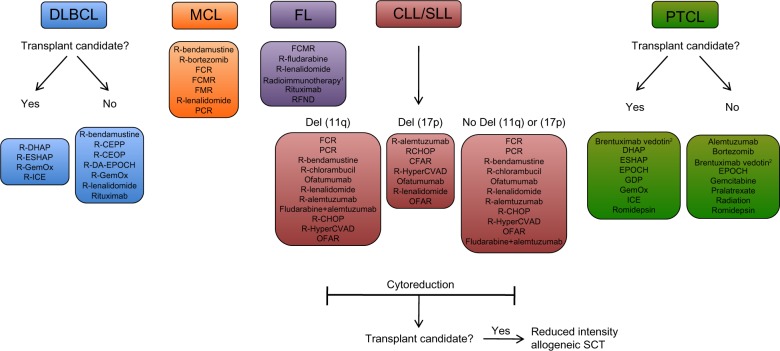
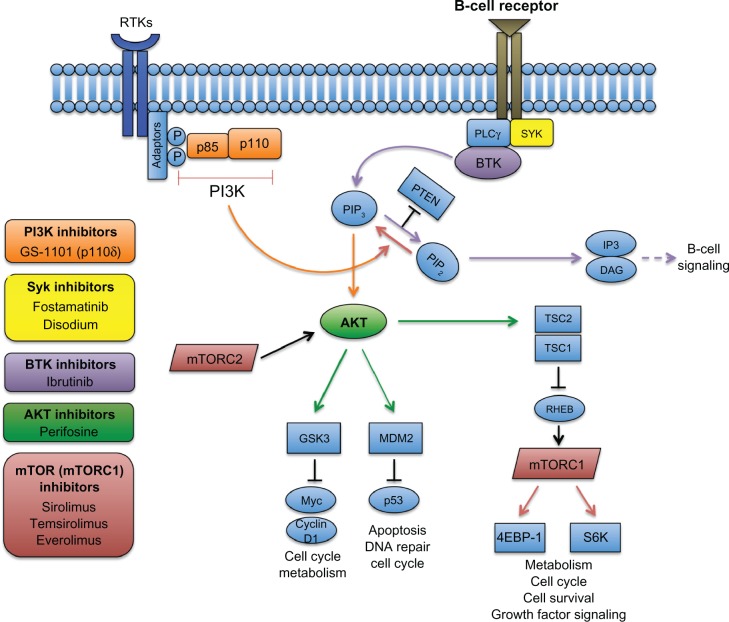
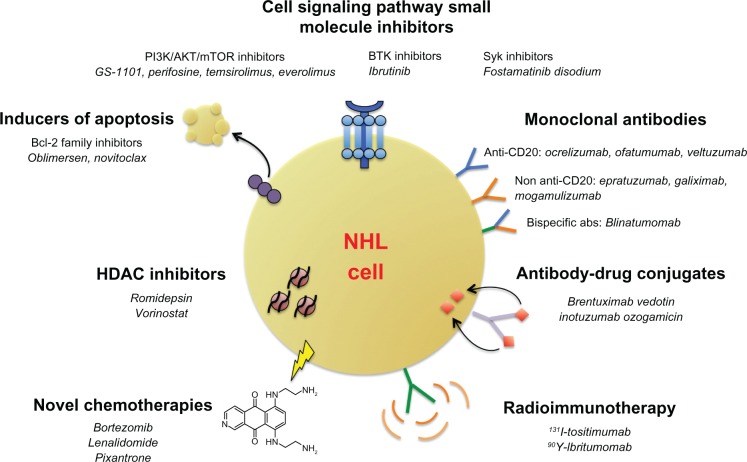
Over the last few decades, advances in immunochemotherapy have led to dramatic improvement in the prognosis of non-Hodgkin's lymphoma (NHL). Despite these advances, relapsed and refractory disease represents a major treatment challenge. For both aggressive and indolent subtypes of NHL, there is no standard of care for salvage regimens, with prognosis after relapse remaining relatively poor. Nevertheless, there are multiple emerging classes of targeted therapies for relapsed/refractory disease, including monoclonal antibodies, antibody- drug conjugates, radioimmunotherapy, small-molecule inhibitors of cell-growth pathways, and novel chemotherapy agents. This review will discuss treatment challenges of NHL, current available salvage regimens for relapsed/refractory NHL, and the safety and efficacy of novel emerging therapies.
在过去的几十年中,免疫化学疗法的进步显著改善了非霍奇金淋巴瘤(NHL)的预后。尽管取得了这些进展,但复发和难治性疾病仍然是一个主要的治疗挑战。对于侵袭性和惰性 NHL 亚型,尚无挽救方案的标准治疗方法,复发后的预后仍然相对较差。然而,对于复发/难治性疾病,有多种新兴的靶向治疗药物,包括单克隆抗体、抗体药物偶联物、放射免疫疗法、细胞生长途径的小分子抑制剂和新型化疗药物。本文将讨论 NHL 的治疗挑战、复发/难治性 NHL 的现有挽救方案,以及新型新兴疗法的安全性和有效性。