Department of Pediatrics, The Cancer Institute of New Jersey, Robert Wood Johnson Medical School, University of Medicine and Dentistry of New Jersey, New Brunswick, NJ 08903, USA.
Int J Oncol. 2013 Dec;43(6):1817-23. doi: 10.3892/ijo.2013.2109. Epub 2013 Sep 23.
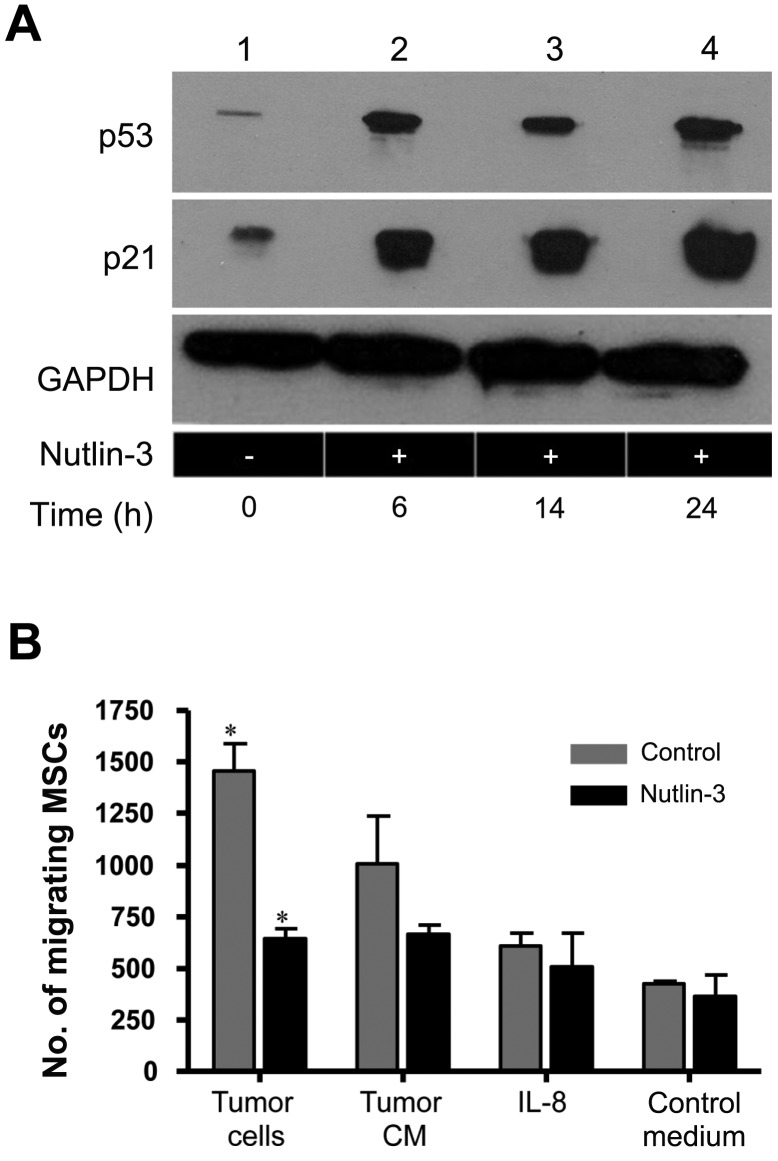
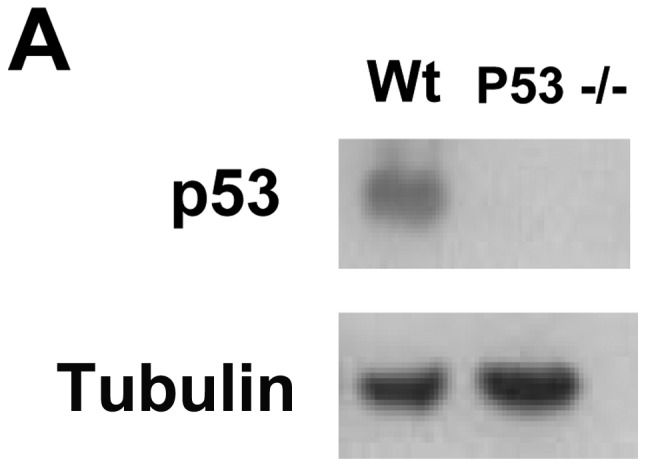
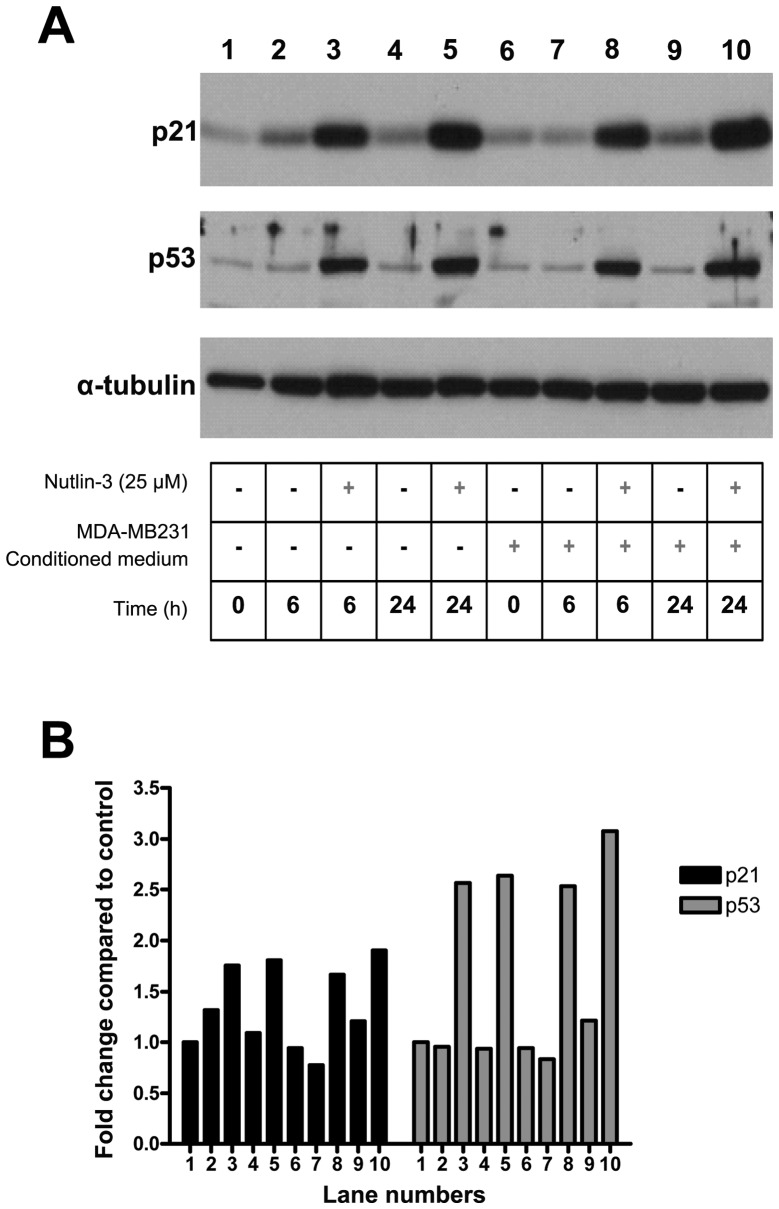
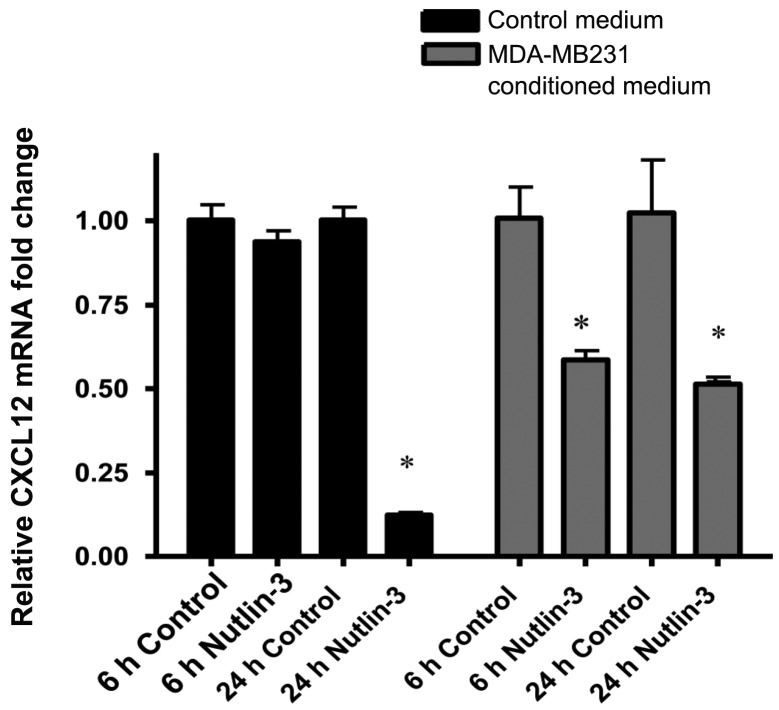
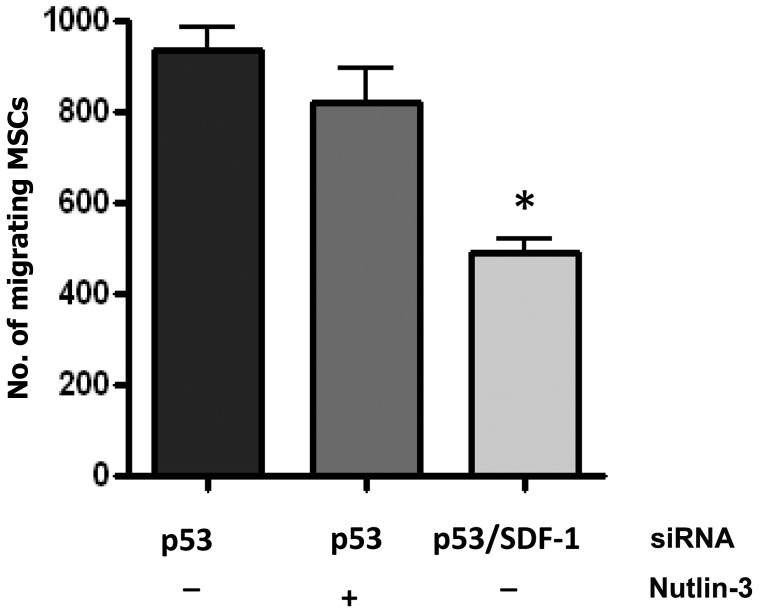
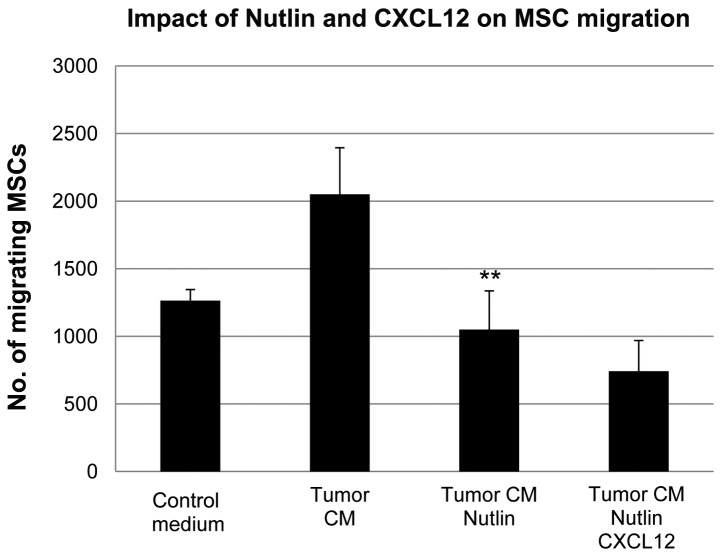
Mesenchymal stromal cells (MSCs) are multipotent fibroblast-like cells located in the bone marrow that localize to areas of tissue damage including wounds and solid tumors. Within the tumor microenvironment, MSCs adopt the phenotype of carcinoma-associated fibroblasts (CAFs) and stimulate tumor growth. Production of the chemokine CXCL12, also known as stromal cell-derived factor 1 (SDF-1), by MSCs is required for their in vitro migration in response to tumor cells and has also been implicated in stimulation of tumor growth. The tumor suppressor p53 regulates cellular migration, CXCL12 production and the promotion of tumor growth by carcinoma-associated fibroblasts (CAFs). We investigated the role of p53 in MSC migration to tumors. P53 inhibits the migration of MSCs in response to tumor cells in conjunction with a decrease in CXCL12 transcription. Conversely, decreased p53 activity leads to enhanced MSC migration. Interestingly, increased p53 activity inhibits MSC migration even in the context of high concentrations of exogenous CXCL12. These data show that stromal p53 status impacts the recruitment of MSCs to solid tumors through both regulation of CXCL12 production as well as other mechanisms. Stromal p53 may influence other important aspects of tumor biology such as tumor growth and metastasis through mechanisms distinct from CXCL12.
间质基质细胞(MSCs)是位于骨髓中的多能成纤维样细胞,可定位于包括伤口和实体瘤在内的组织损伤区域。在肿瘤微环境中,MSCs 采用癌相关成纤维细胞(CAFs)的表型,并刺激肿瘤生长。MSCs 产生趋化因子 CXCL12,也称为基质细胞衍生因子 1(SDF-1),对于它们在体外对肿瘤细胞的迁移是必需的,并且也与刺激肿瘤生长有关。肿瘤抑制因子 p53 通过癌相关成纤维细胞(CAFs)调节细胞迁移、CXCL12 产生和促进肿瘤生长。我们研究了 p53 在 MSC 向肿瘤迁移中的作用。p53 抑制 MSC 对肿瘤细胞的迁移,同时降低 CXCL12 的转录。相反,p53 活性降低会导致 MSC 迁移增强。有趣的是,即使在高浓度的外源性 CXCL12 情况下,增加的 p53 活性也会抑制 MSC 迁移。这些数据表明,基质 p53 状态通过调节 CXCL12 的产生以及其他机制来影响 MSC 向实体瘤的募集。通过与 CXCL12 不同的机制,基质 p53 可能会影响肿瘤生物学的其他重要方面,如肿瘤生长和转移。