Institute for Molecular Medicine Finland (FIMM), University of Helsinki, Helsinki, Finland.
PLoS Comput Biol. 2013;9(9):e1003226. doi: 10.1371/journal.pcbi.1003226. Epub 2013 Sep 12.
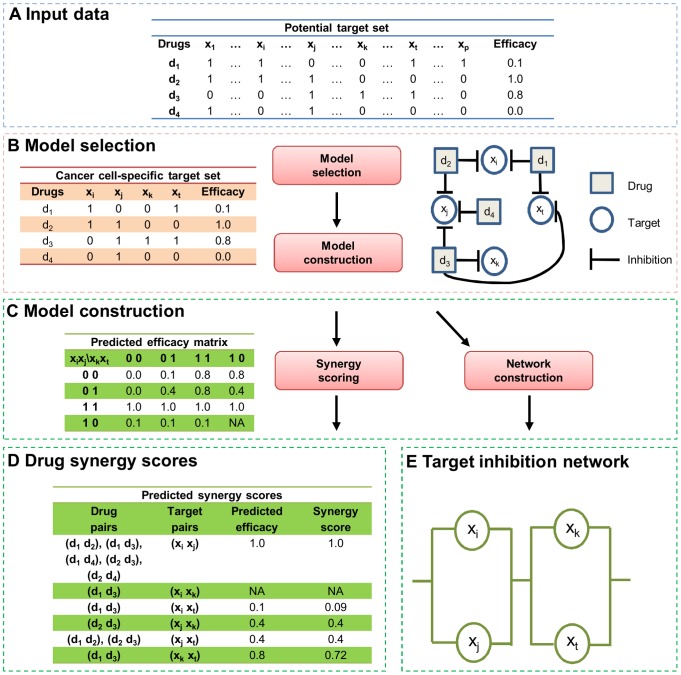
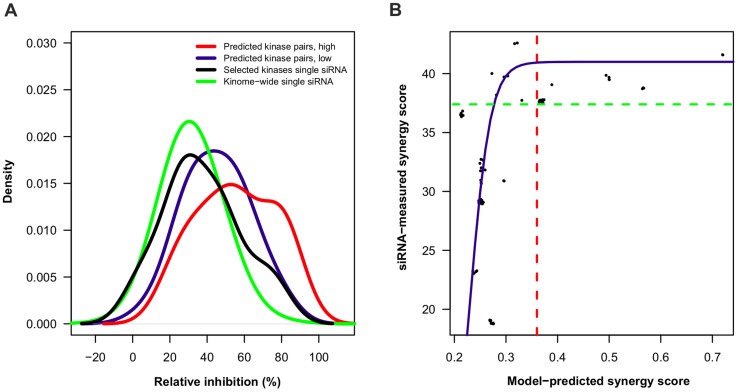
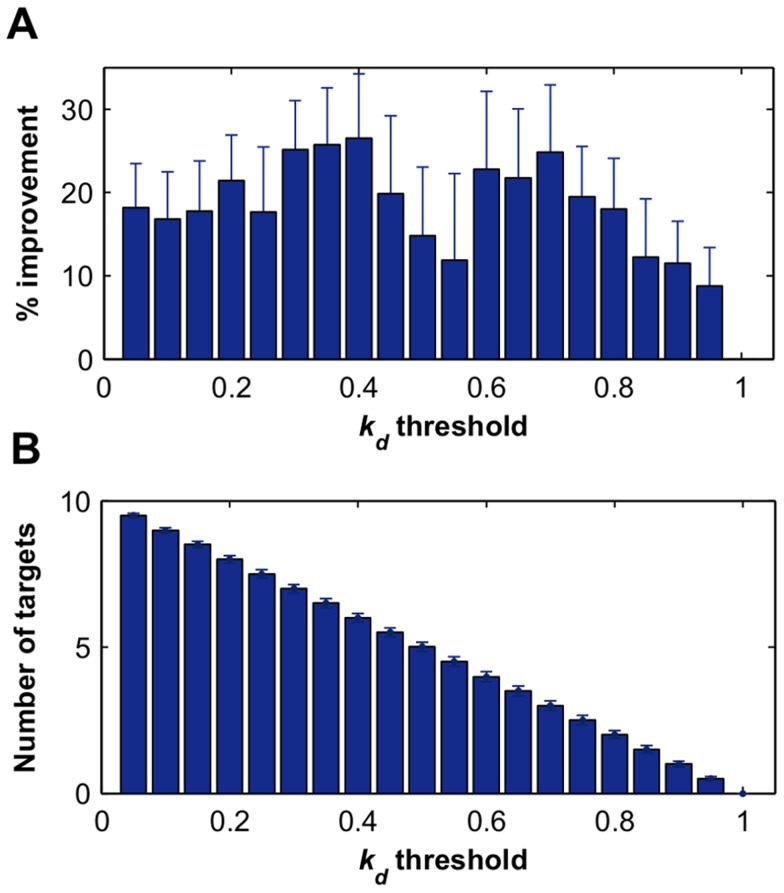
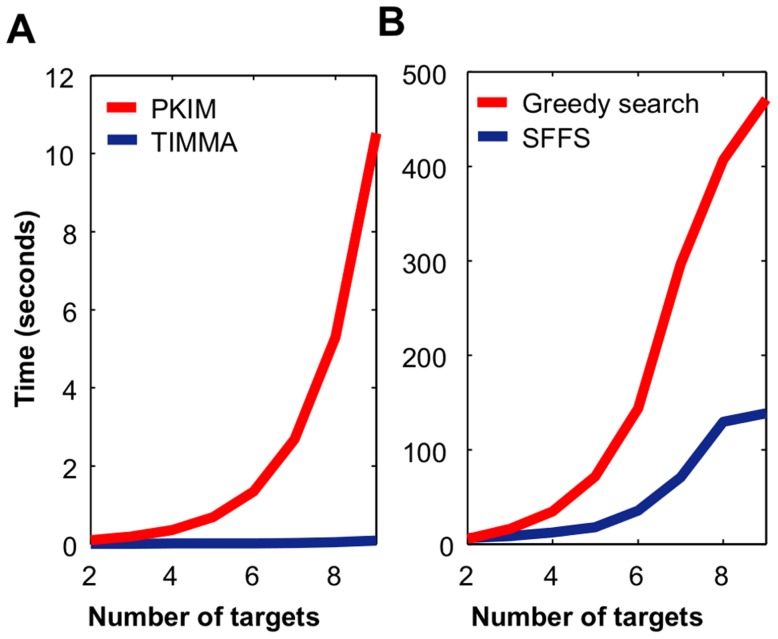
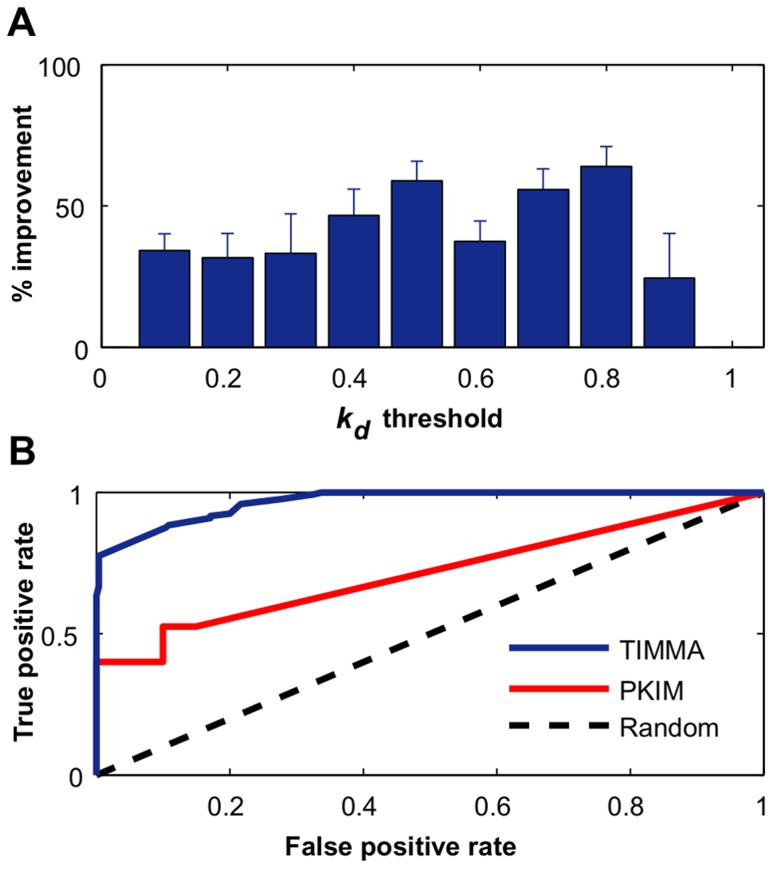
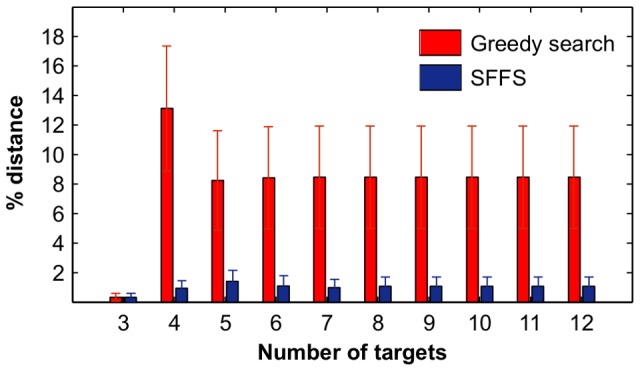
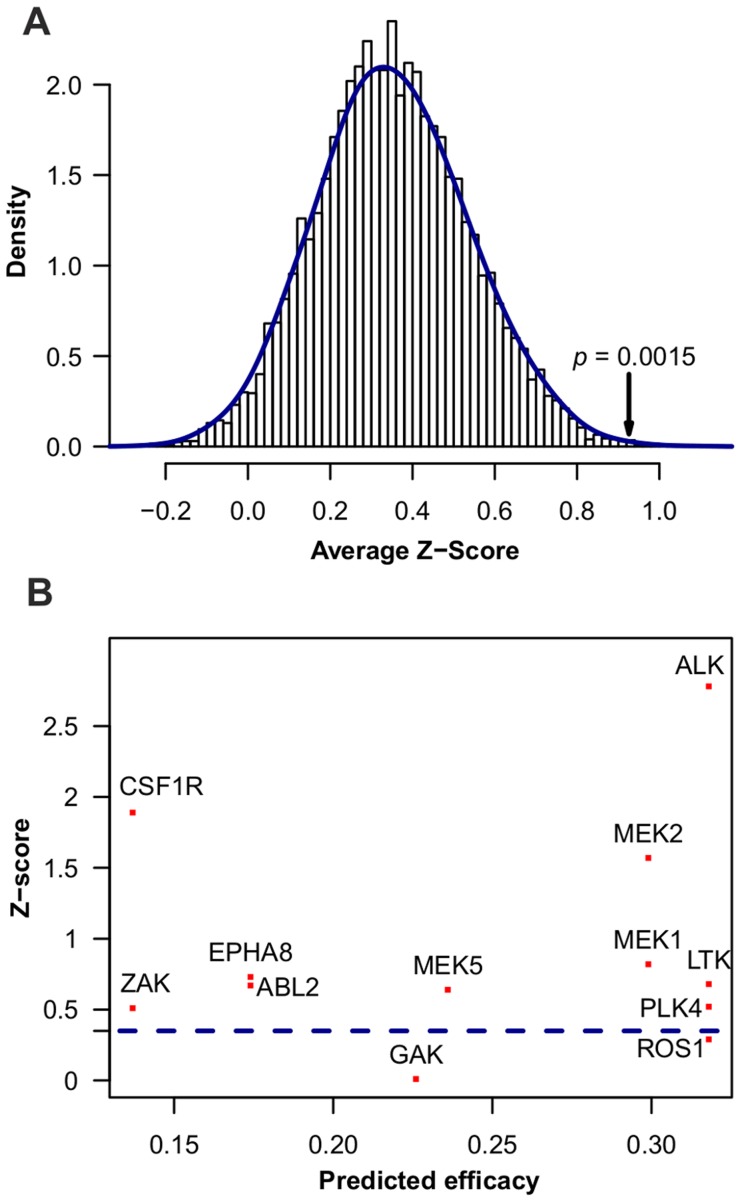
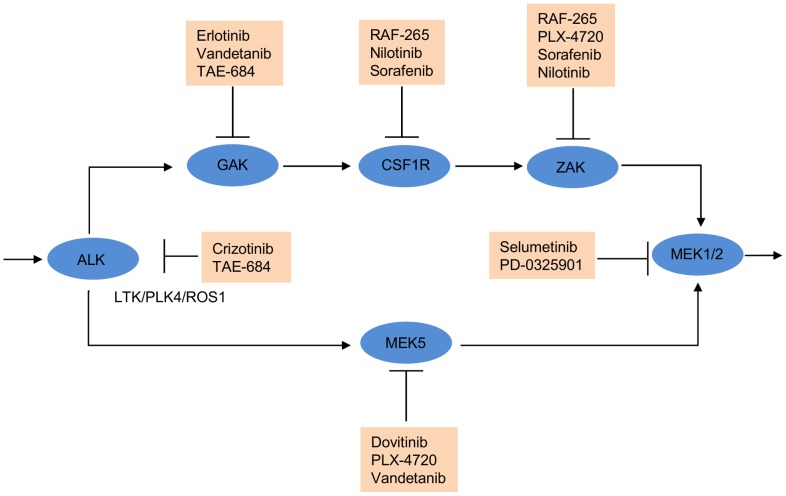
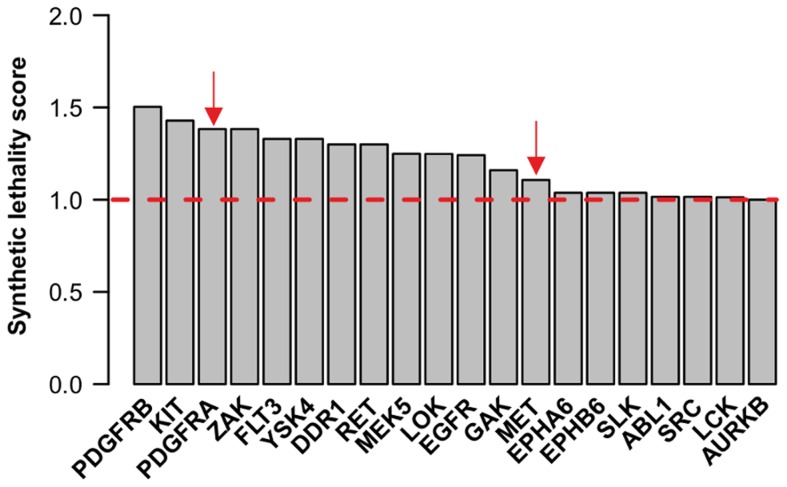
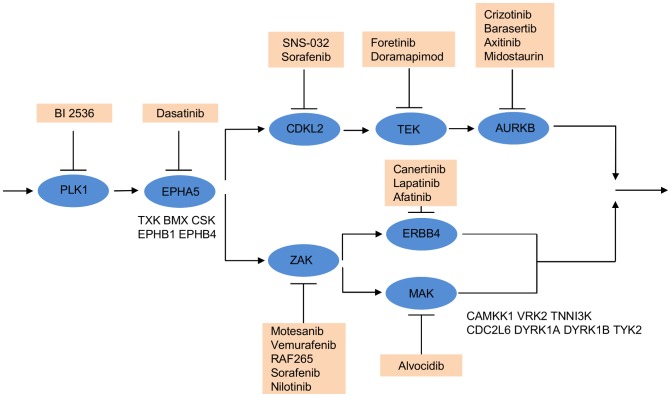
A recent trend in drug development is to identify drug combinations or multi-target agents that effectively modify multiple nodes of disease-associated networks. Such polypharmacological effects may reduce the risk of emerging drug resistance by means of attacking the disease networks through synergistic and synthetic lethal interactions. However, due to the exponentially increasing number of potential drug and target combinations, systematic approaches are needed for prioritizing the most potent multi-target alternatives on a global network level. We took a functional systems pharmacology approach toward the identification of selective target combinations for specific cancer cells by combining large-scale screening data on drug treatment efficacies and drug-target binding affinities. Our model-based prediction approach, named TIMMA, takes advantage of the polypharmacological effects of drugs and infers combinatorial drug efficacies through system-level target inhibition networks. Case studies in MCF-7 and MDA-MB-231 breast cancer and BxPC-3 pancreatic cancer cells demonstrated how the target inhibition modeling allows systematic exploration of functional interactions between drugs and their targets to maximally inhibit multiple survival pathways in a given cancer type. The TIMMA prediction results were experimentally validated by means of systematic siRNA-mediated silencing of the selected targets and their pairwise combinations, showing increased ability to identify not only such druggable kinase targets that are essential for cancer survival either individually or in combination, but also synergistic interactions indicative of non-additive drug efficacies. These system-level analyses were enabled by a novel model construction method utilizing maximization and minimization rules, as well as a model selection algorithm based on sequential forward floating search. Compared with an existing computational solution, TIMMA showed both enhanced prediction accuracies in cross validation as well as significant reduction in computation times. Such cost-effective computational-experimental design strategies have the potential to greatly speed-up the drug testing efforts by prioritizing those interventions and interactions warranting further study in individual cancer cases.
药物开发的一个新趋势是确定药物组合或多靶标药物,这些药物能有效地修饰与疾病相关的网络中的多个节点。这种多药理学作用可能通过协同和合成致死相互作用来攻击疾病网络,从而降低出现耐药性的风险。然而,由于潜在的药物和靶标组合数量呈指数级增长,因此需要系统的方法来优先考虑在全局网络水平上最有效的多靶标替代物。我们通过将药物治疗效果和药物-靶标结合亲和力的大规模筛选数据相结合,采用功能系统药理学方法来识别针对特定癌细胞的选择性靶标组合。我们基于模型的预测方法命名为 TIMMA,它利用药物的多药理学作用,并通过系统水平的靶标抑制网络来推断组合药物的功效。在 MCF-7 和 MDA-MB-231 乳腺癌以及 BxPC-3 胰腺癌细胞的案例研究中,该靶标抑制建模允许系统地探索药物与其靶标之间的功能相互作用,以最大限度地抑制给定癌症类型中的多个存活途径。通过有针对性地沉默所选靶标及其成对组合的系统 siRNA 实验验证了 TIMMA 的预测结果,这表明它不仅能够更有效地识别那些对于癌症存活单独或组合都是必需的可成药激酶靶标,而且还能够识别出表明药物功效非加性的协同相互作用。这些系统水平的分析是通过利用最大化和最小化规则的新型模型构建方法以及基于顺序前向浮动搜索的模型选择算法来实现的。与现有的计算解决方案相比,TIMMA 在交叉验证中的预测准确性得到了提高,计算时间也显著减少。这种具有成本效益的计算-实验设计策略具有极大地加快药物测试工作的潜力,通过优先考虑那些在个别癌症病例中需要进一步研究的干预措施和相互作用。