Department of Molecular Biology, Princeton University, Princeton, New Jersey, United States of America.
PLoS Genet. 2013;9(9):e1003720. doi: 10.1371/journal.pgen.1003720. Epub 2013 Sep 12.
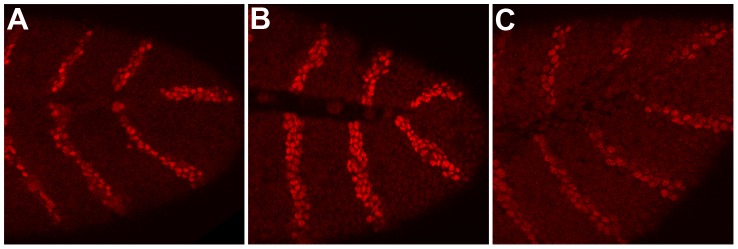
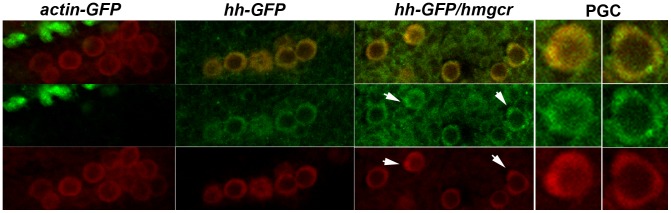
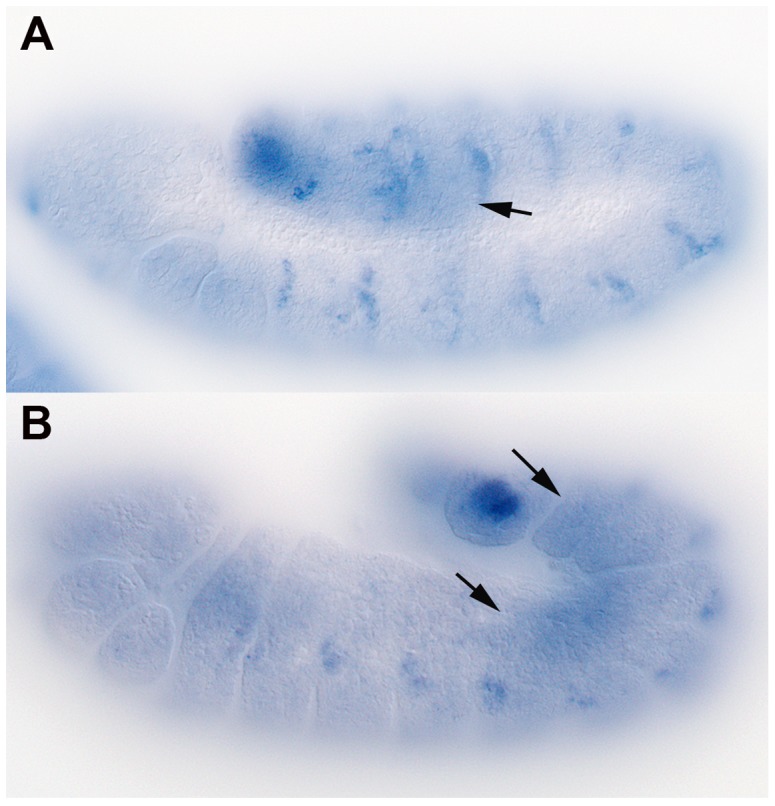
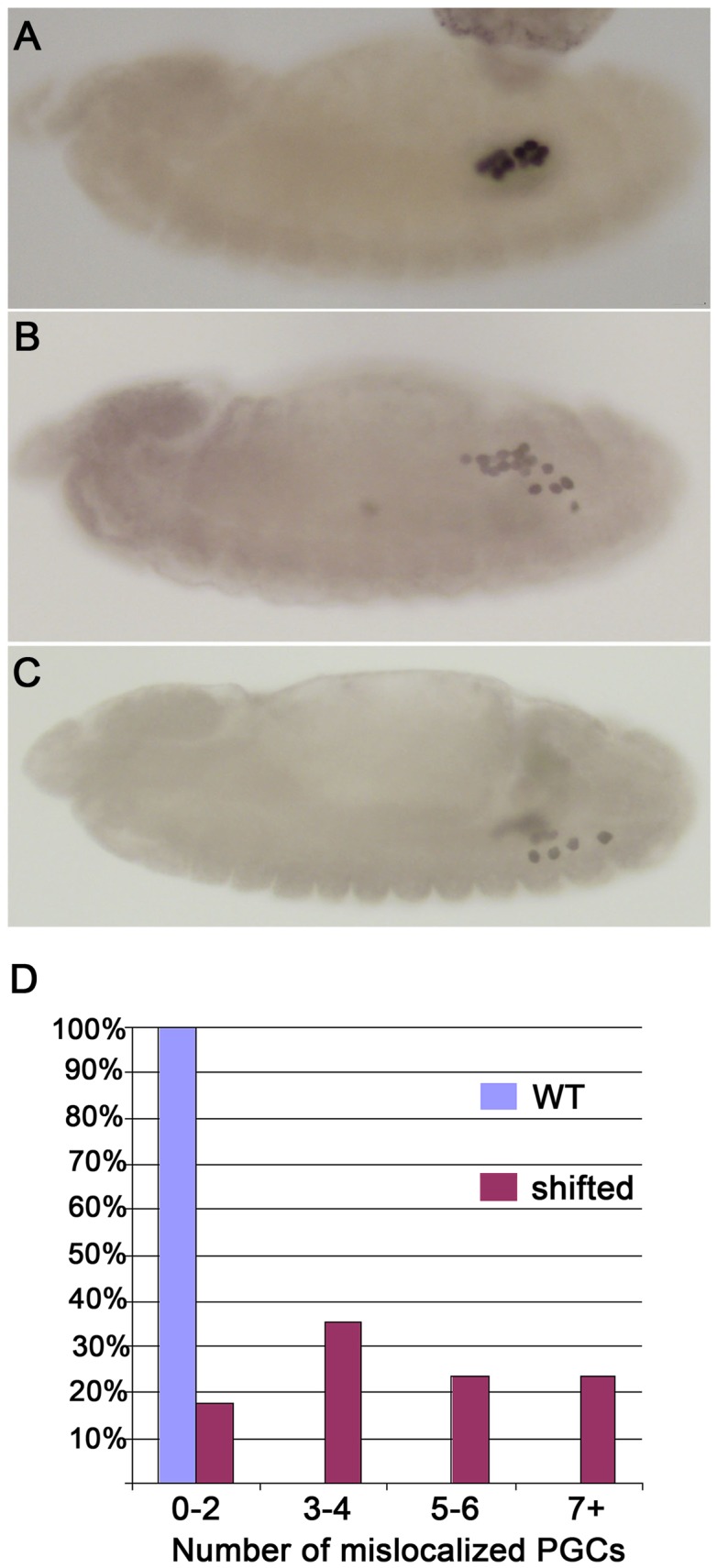
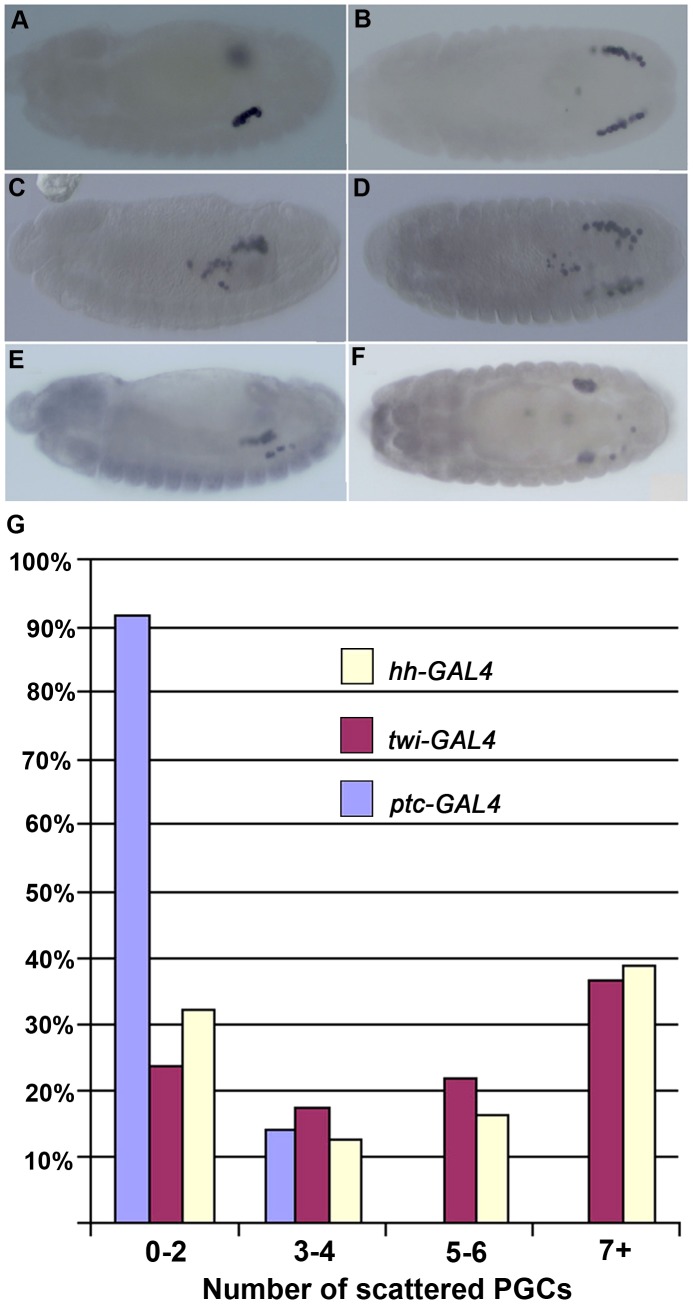
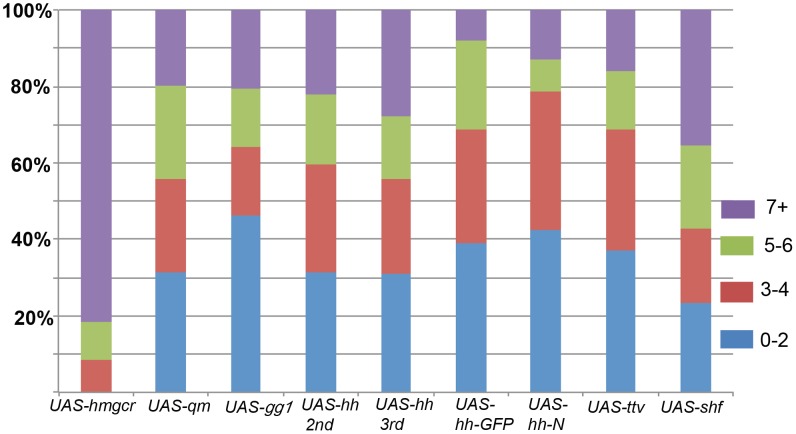
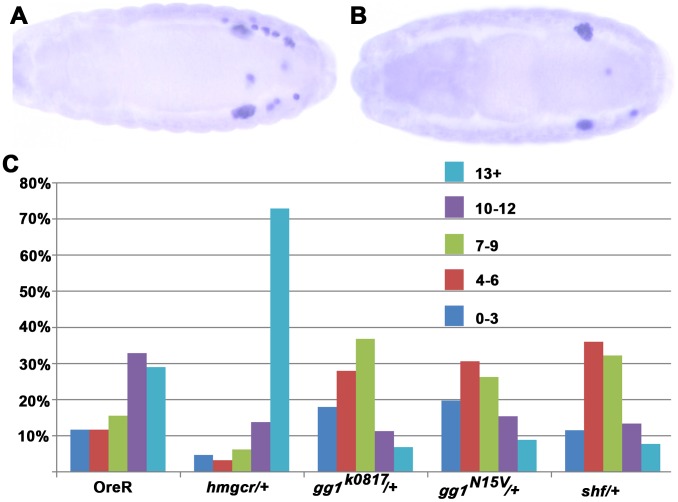
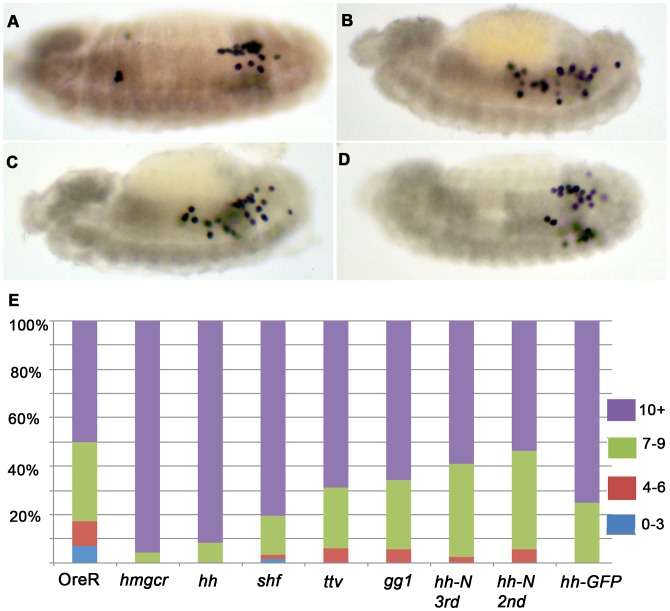
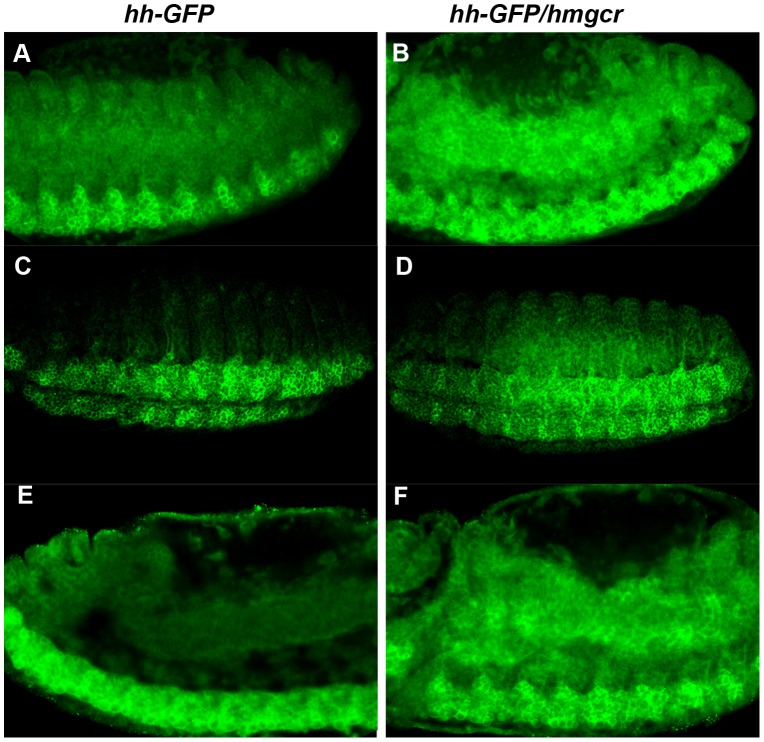
The Drosophila embryonic gonad is assembled from two distinct cell types, the Primordial Germ Cells (PGCs) and the Somatic Gonadal Precursor cells (SGPs). The PGCs form at the posterior of blastoderm stage embryos and are subsequently carried inside the embryo during gastrulation. To reach the SGPs, the PGCs must traverse the midgut wall and then migrate through the mesoderm. A combination of local repulsive cues and attractive signals emanating from the SGPs guide migration. We have investigated the role of the hedgehog (hh) pathway gene shifted (shf) in directing PGC migration. shf encodes a secreted protein that facilitates the long distance transmission of Hh through the proteoglycan matrix after it is released from basolateral membranes of Hh expressing cells in the wing imaginal disc. shf is expressed in the gonadal mesoderm, and loss- and gain-of-function experiments demonstrate that it is required for PGC migration. Previous studies have established that the hmgcr-dependent isoprenoid biosynthetic pathway plays a pivotal role in generating the PGC attractant both by the SGPs and by other tissues when hmgcr is ectopically expressed. We show that production of this PGC attractant depends upon shf as well as a second hh pathway gene gγ1. Further linking the PGC attractant to Hh, we present evidence indicating that ectopic expression of hmgcr in the nervous system promotes the release/transmission of the Hh ligand from these cells into and through the underlying mesodermal cell layer, where Hh can contact migrating PGCs. Finally, potentiation of Hh by hmgcr appears to depend upon cholesterol modification.
果蝇胚胎性腺由两种不同的细胞类型组成,原始生殖细胞(PGC)和体生殖前体细胞(SGP)。PGC 在胚胎胚层期的后部形成,随后在原肠胚形成期间被包裹在胚胎内部。为了到达 SGP,PGC 必须穿过中肠壁,然后通过中胚层迁移。PGC 迁移是由局部排斥信号和来自 SGP 的吸引信号共同引导的。我们研究了 Hedgehog (hh) 信号通路基因 shifted(shf) 在指导 PGC 迁移中的作用。shf 编码一种分泌蛋白,它在 Hedgehog 从表达 Hh 的细胞的基底外侧膜释放后,通过蛋白聚糖基质促进 Hh 的远距离传输。shf 在性腺中胚层表达,缺失和功能获得实验表明它是 PGC 迁移所必需的。先前的研究已经证实,HMGCR 依赖性异戊烯基生物合成途径在由 SGP 和其他组织产生 PGC 吸引剂方面发挥了关键作用,当 HMGCR 异位表达时。我们表明,这种 PGC 吸引剂的产生依赖于 shf 以及第二个 hh 信号通路基因 gγ1。进一步将 PGC 吸引剂与 Hh 联系起来,我们提供的证据表明,HMGCR 在神经系统中的异位表达促进了 Hh 配体从这些细胞释放/传输到并穿过下面的中胚层细胞层,在那里 Hh 可以接触到正在迁移的 PGC。最后,HMGCR 对 Hh 的增强似乎依赖于胆固醇修饰。