Section of Islet Cell Biology and Regenerative Medicine, Joslin Diabetes Center and Harvard Medical School, Boston, MA.
Diabetes. 2014 Jan;63(1):188-202. doi: 10.2337/db13-0204. Epub 2013 Oct 2.
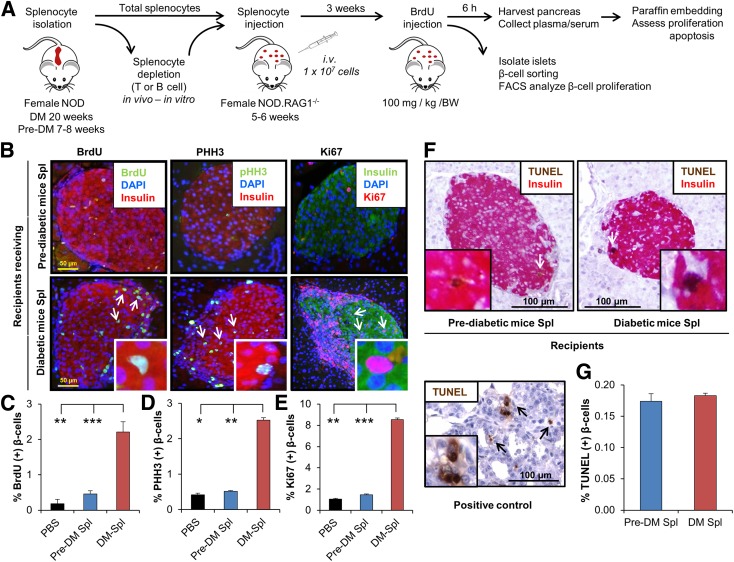
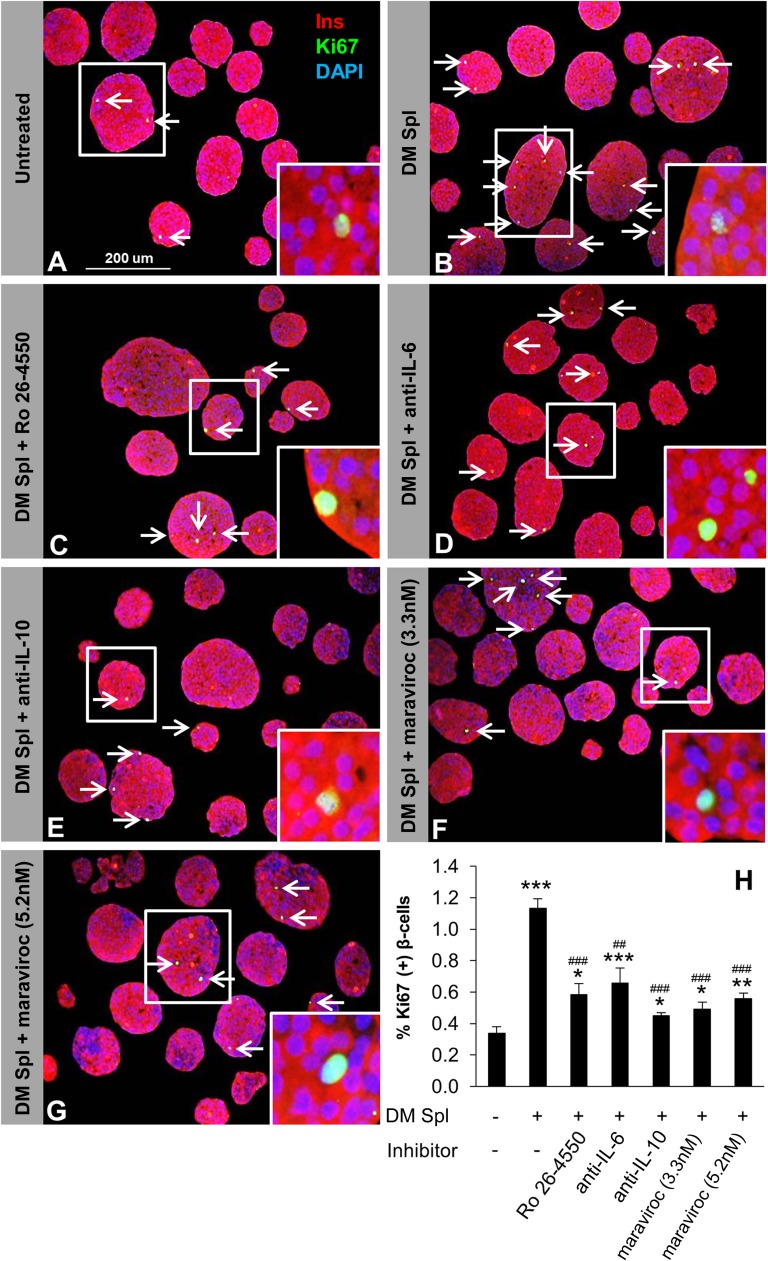
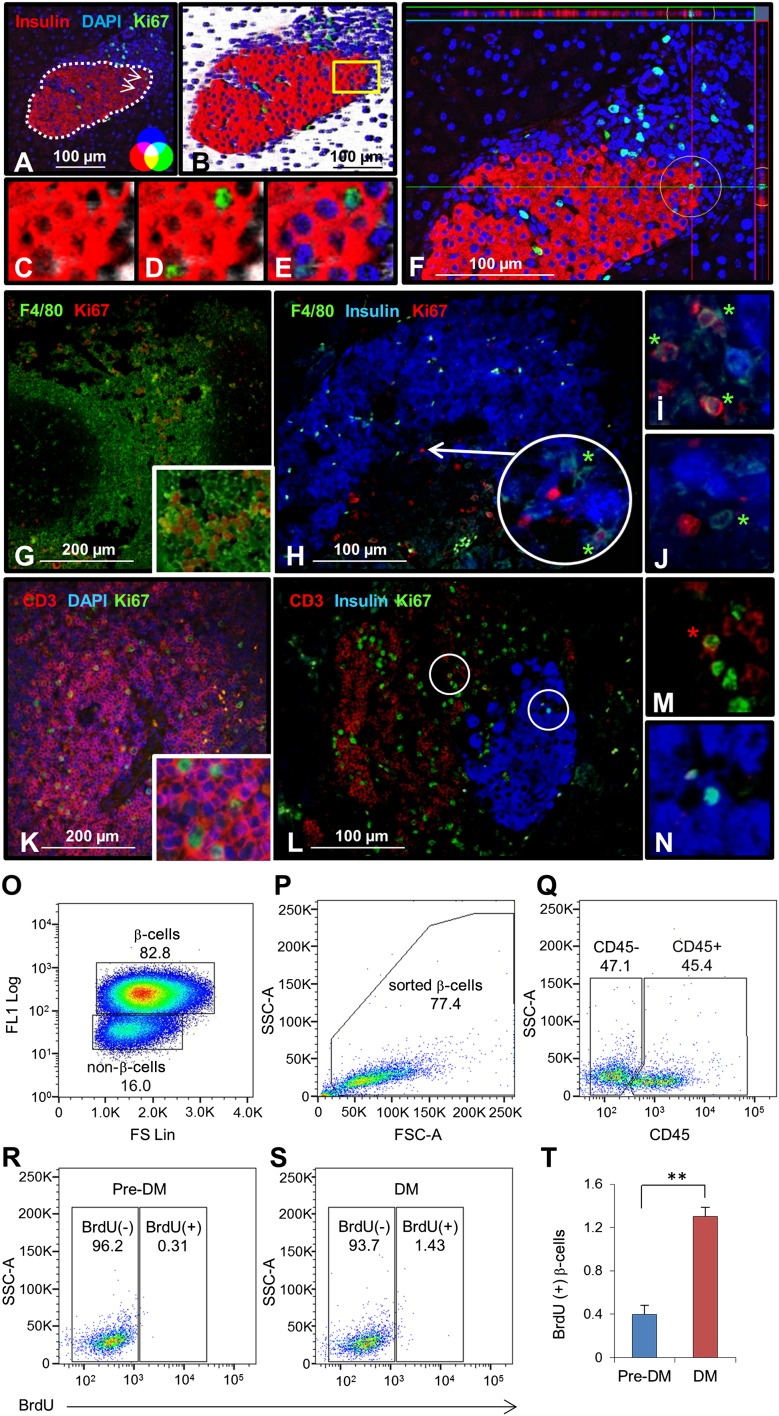
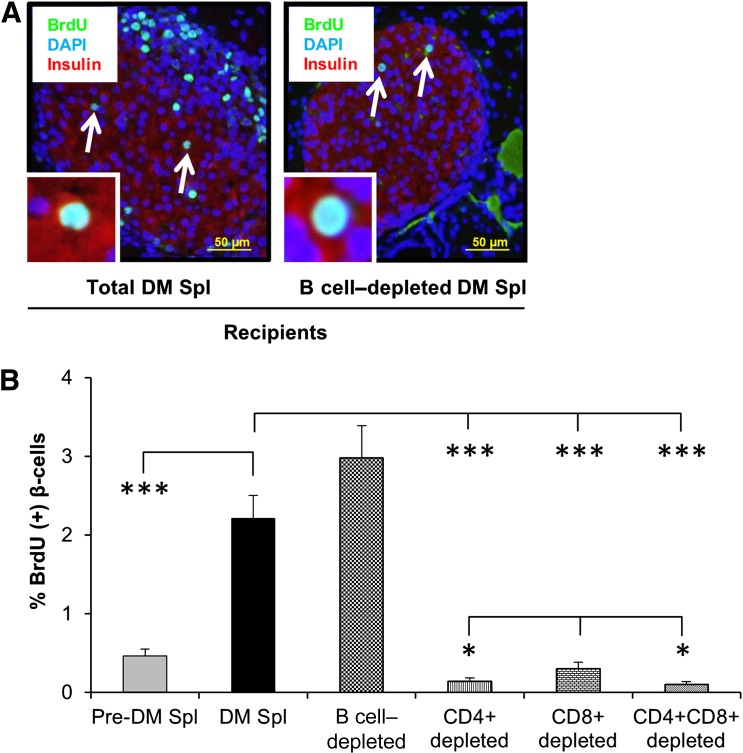
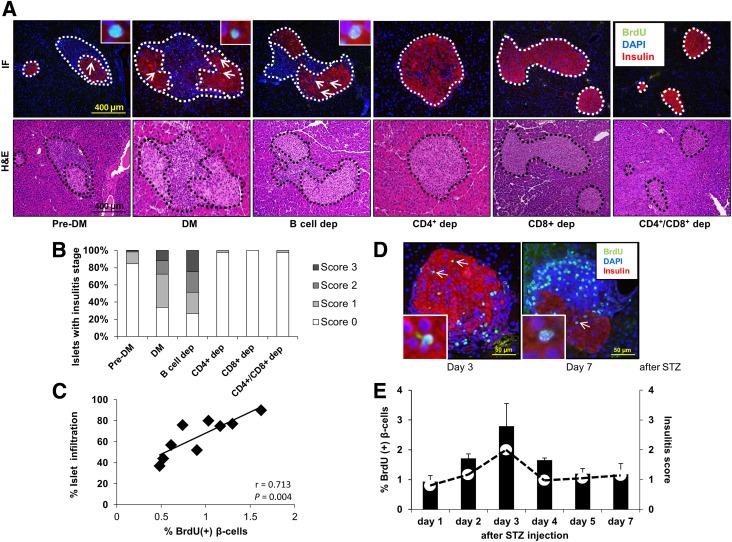
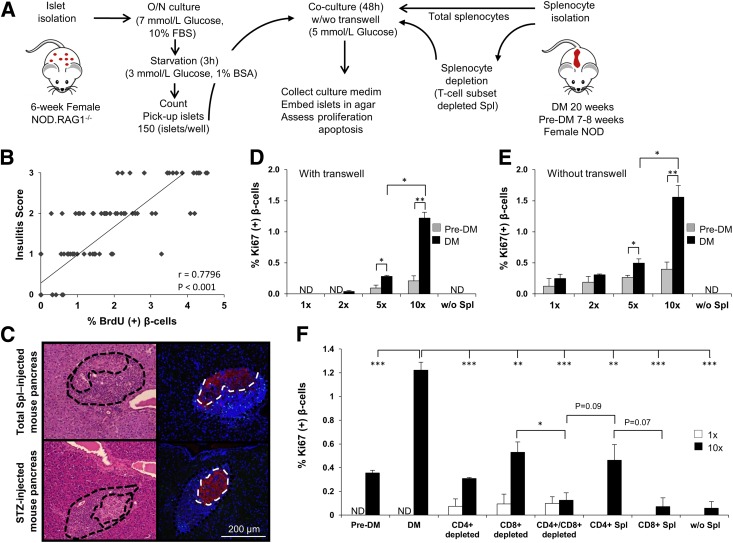
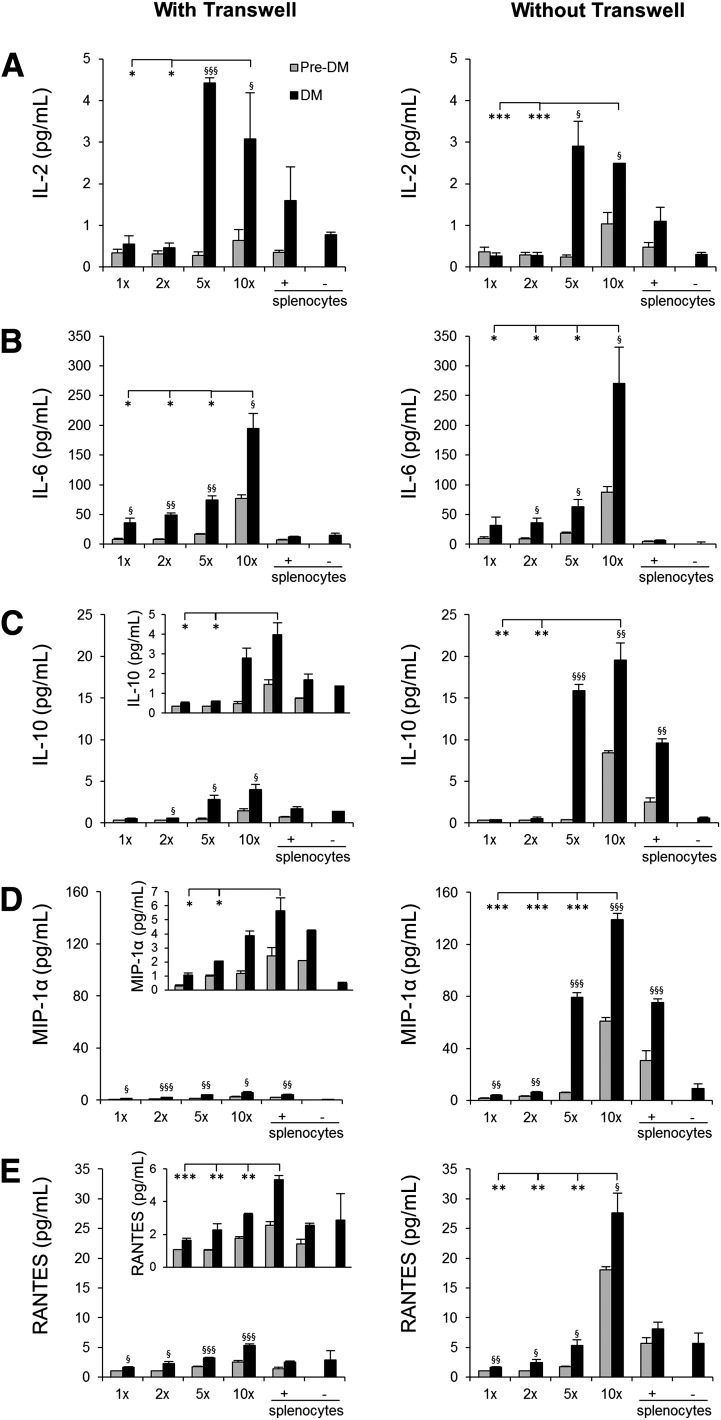
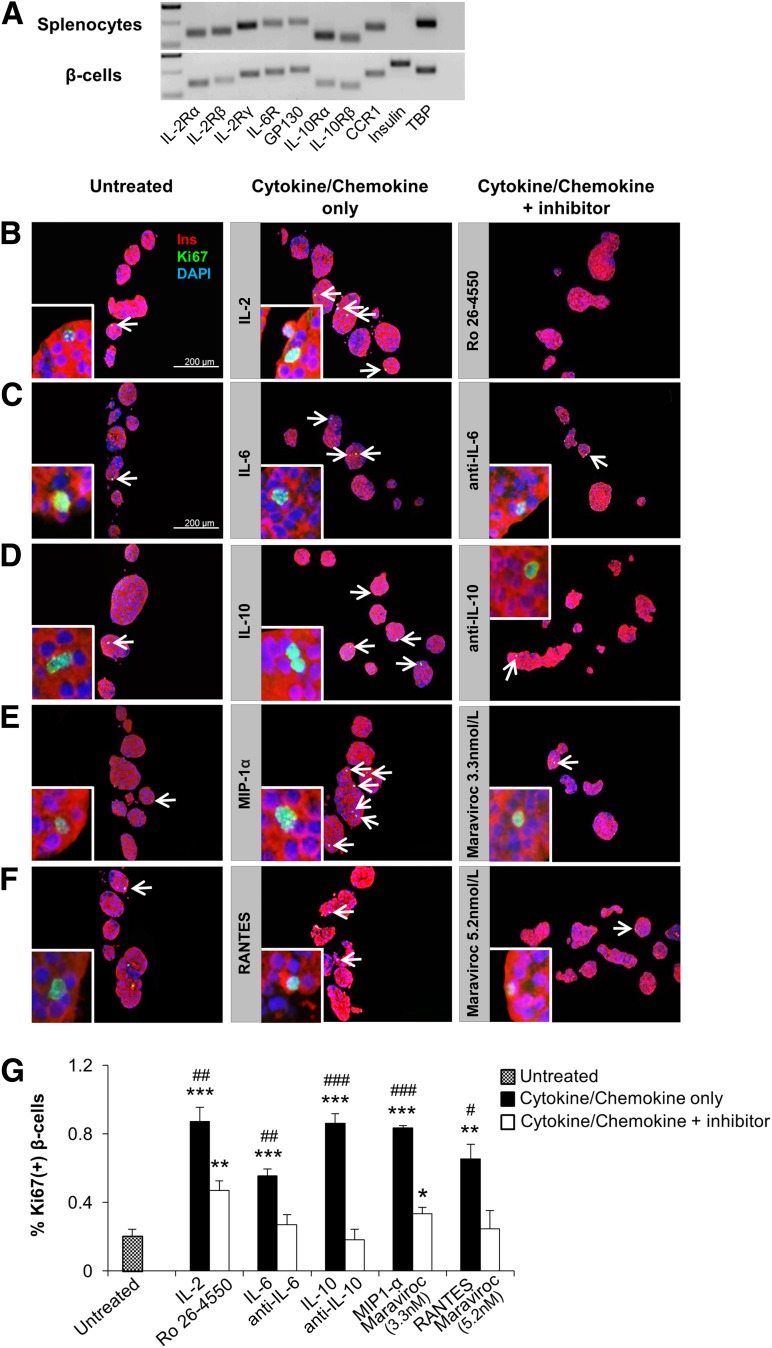
Type 1 diabetes is characterized by infiltration of pancreatic islets with immune cells, leading to insulin deficiency. Although infiltrating immune cells are traditionally considered to negatively impact β-cells by promoting their death, their contribution to proliferation is not fully understood. Here we report that islets exhibiting insulitis also manifested proliferation of β-cells that positively correlated with the extent of lymphocyte infiltration. Adoptive transfer of diabetogenic CD4(+) and CD8(+) T cells, but not B cells, selectively promoted β-cell proliferation in vivo independent from the effects of blood glucose or circulating insulin or by modulating apoptosis. Complementary to our in vivo approach, coculture of diabetogenic CD4(+) and CD8(+) T cells with NOD.RAG1(-/-) islets in an in vitro transwell system led to a dose-dependent secretion of candidate cytokines/chemokines (interleukin-2 [IL-2], IL-6, IL-10, MIP-1α, and RANTES) that together enhanced β-cell proliferation. These data suggest that soluble factors secreted from T cells are potential therapeutic candidates to enhance β-cell proliferation in efforts to prevent and/or delay the onset of type 1 diabetes.
1 型糖尿病的特征是胰腺胰岛被免疫细胞浸润,导致胰岛素缺乏。尽管浸润的免疫细胞传统上被认为通过促进β细胞死亡而对其产生负面影响,但它们对增殖的贡献尚不完全清楚。在这里,我们报告说,发生胰岛炎的胰岛也表现出β细胞的增殖,其与淋巴细胞浸润的程度呈正相关。过继转移致糖尿病的 CD4(+)和 CD8(+) T 细胞,但不是 B 细胞,可在体内选择性促进β细胞增殖,独立于血糖或循环胰岛素的作用,也不通过调节细胞凋亡。与我们的体内方法互补的是,在体外 Transwell 系统中将致糖尿病的 CD4(+)和 CD8(+) T 细胞与 NOD.RAG1(-/-)胰岛共培养导致候选细胞因子/趋化因子(白细胞介素 2 [IL-2]、IL-6、IL-10、MIP-1α 和 RANTES)的剂量依赖性分泌,这些因子共同增强了β细胞的增殖。这些数据表明,T 细胞分泌的可溶性因子可能是增强β细胞增殖的潜在治疗候选物,以预防和/或延迟 1 型糖尿病的发生。