Department of Applied Biological Chemistry, Niigata University, 2-8050 Ikarashi, Niigata, 950-2181 Japan.
Plant Cell Physiol. 2014 Feb;55(2):320-32. doi: 10.1093/pcp/pct139. Epub 2013 Oct 3.
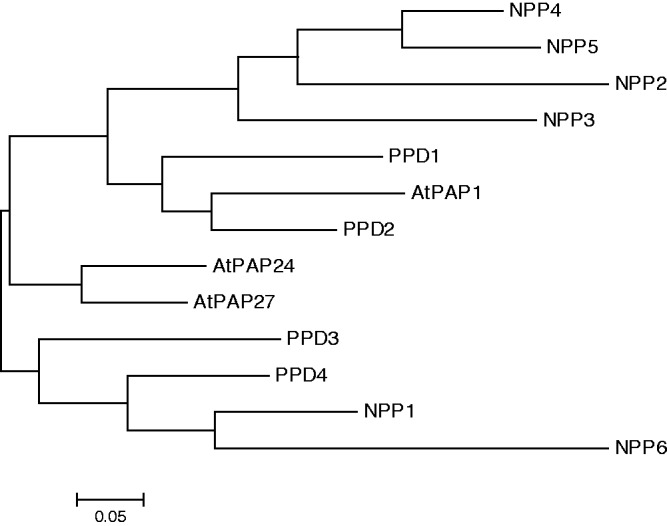
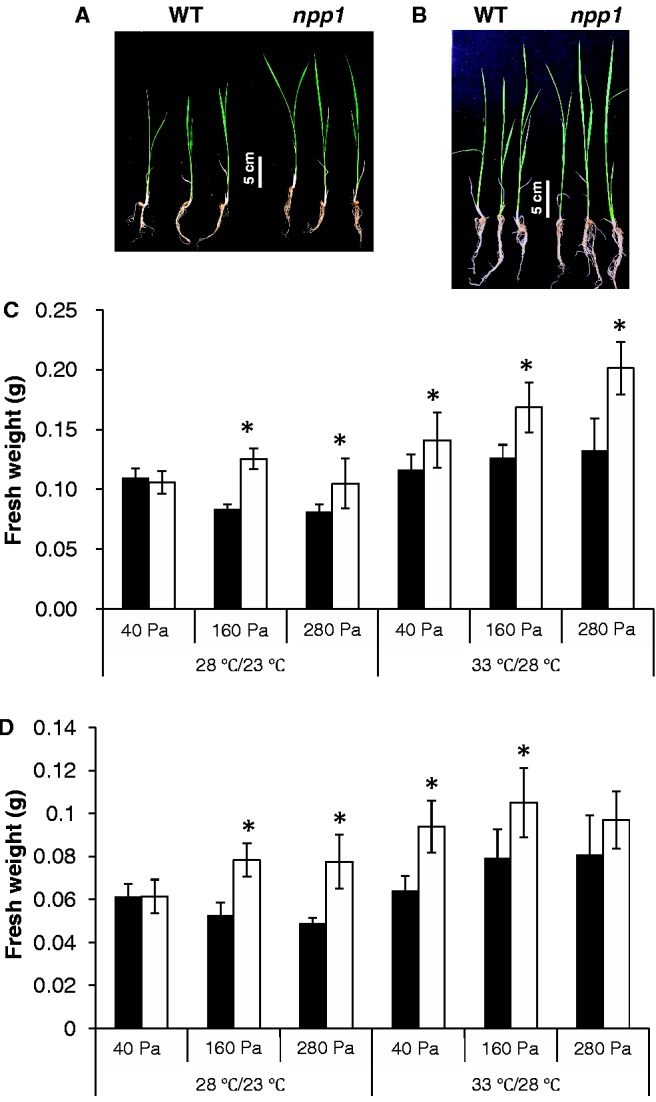
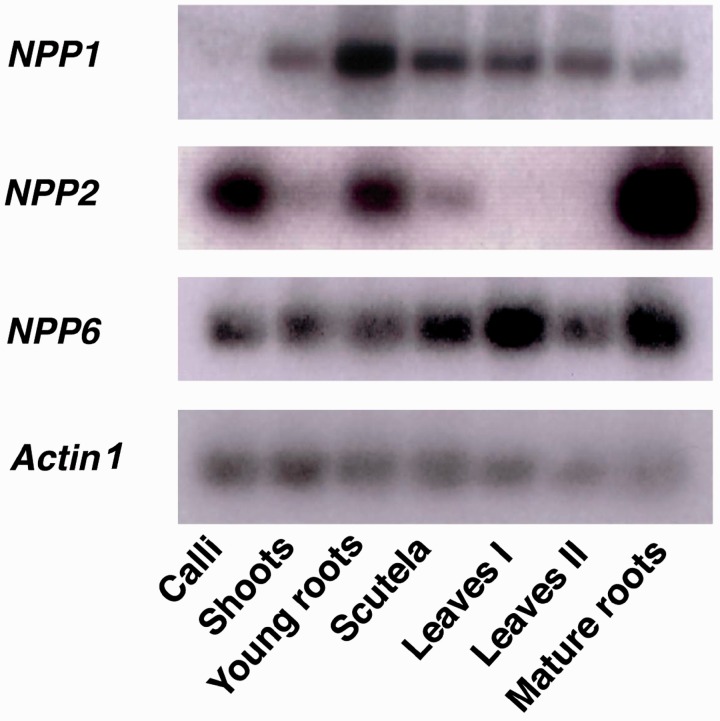
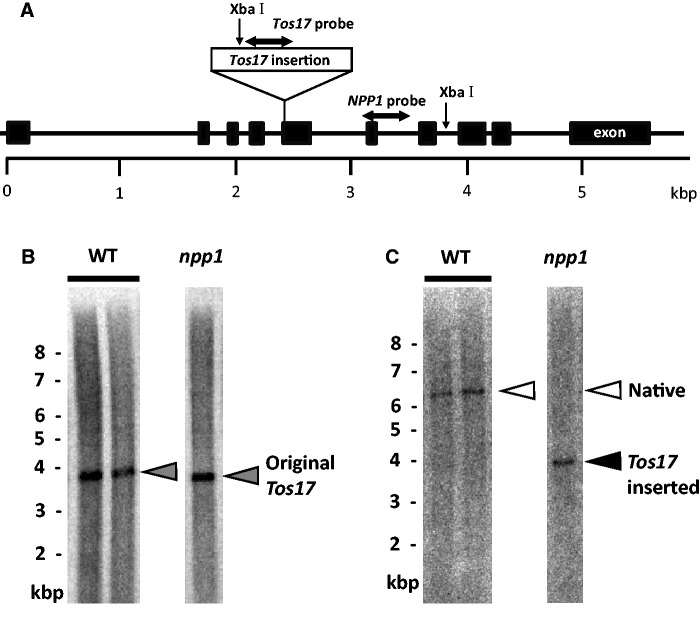
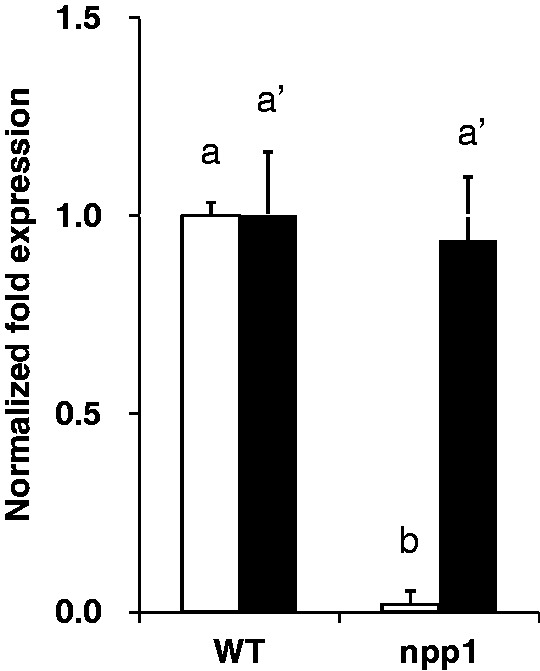
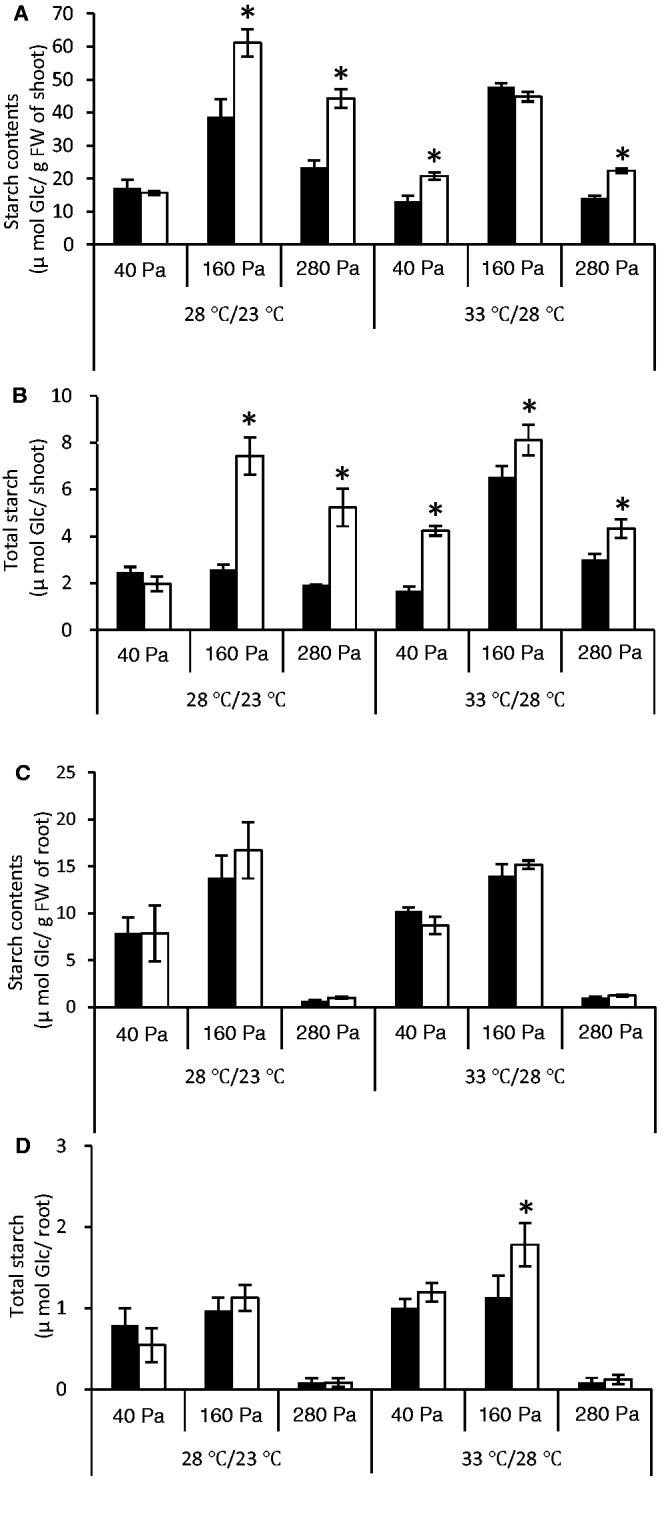
Nucleotide pyrophosphatase/phosphodiesterase (NPP) is a widely distributed enzymatic activity occurring in both plants and mammals that catalyzes the hydrolytic breakdown of the pyrophosphate and phosphodiester bonds of a number of nucleotides. Unlike mammalian NPPs, the physiological function of plant NPPs remains largely unknown. Using a complete rice NPP1-encoding cDNA as a probe, in this work we have screened a rice shoot cDNA library and obtained complete cDNAs corresponding to six NPP genes (NPP1-NPP6). As a first step to clarify the role of NPPs, recombinant NPP1, NPP2 and NPP6 were purified from transgenic rice cells constitutively expressing NPP1, NPP2 and NPP6, respectively, and their enzymatic properties were characterized. NPP1 and NPP6 exhibited hydrolytic activities toward ATP, UDP-glucose and the starch precursor molecule, ADP-glucose, whereas NPP2 did not recognize nucleotide sugars as substrates, but hydrolyzed UDP, ADP and adenosine 5'-phosphosulfate. To gain insight into the physiological function of rice NPP1, an npp1 knockout mutant was characterized. The ADP-glucose hydrolytic activities in shoots of npp1 rice seedlings were 8% of those of the wild type (WT), thus indicating that NPP1 is a major determinant of ADP-glucose hydrolytic activity in rice shoots. Importantly, when seedlings were cultured at 160 Pa CO2 under a 28°C/23°C (12 h light/12 h dark) regime, npp1 shoots and roots were larger than those of wild-type (WT) seedlings. Furthermore, the starch content in the npp1 shoots was higher than that of WT shoots. Growth and starch accumulation were also enhanced under an atmospheric CO2 concentration (40 Pa) when plants were cultured under a 33°C/28°C regime. The overall data strongly indicate that NPP1 exerts a negative effect on plant growth and starch accumulation in shoots, especially under high CO2 concentration and high temperature conditions.
核苷酸焦磷酸酶/磷酸二酯酶(NPP)是一种广泛分布的酶活性,存在于植物和哺乳动物中,可催化多种核苷酸的焦磷酸和磷酸二酯键的水解断裂。与哺乳动物 NPP 不同,植物 NPP 的生理功能在很大程度上仍不清楚。本研究以完整的水稻 NPP1 编码 cDNA 为探针,筛选了水稻芽 cDNA 文库,获得了 6 个 NPP 基因(NPP1-NPP6)的全长 cDNA。作为阐明 NPP 作用的第一步,本研究从组成型表达 NPP1、NPP2 和 NPP6 的转基因水稻细胞中分别纯化了重组 NPP1、NPP2 和 NPP6,并对其酶学性质进行了表征。NPP1 和 NPP6 对 ATP、UDP-葡萄糖和淀粉前体分子 ADP-葡萄糖具有水解活性,而 NPP2 不识别核苷酸糖作为底物,但能水解 UDP、ADP 和腺苷 5'-磷酸硫酸。为了深入了解水稻 NPP1 的生理功能,本研究对 npp1 敲除突变体进行了表征。npp1 水稻幼苗茎中的 ADP-葡萄糖水解活性为野生型(WT)的 8%,这表明 NPP1 是水稻茎中 ADP-葡萄糖水解活性的主要决定因素。重要的是,当幼苗在 28°C/23°C(12 h 光照/12 h 黑暗)光照条件下,160 Pa CO2 浓度下培养时,npp1 幼苗的茎和根比 WT 幼苗大。此外,npp1 幼苗的淀粉含量高于 WT 幼苗。当植物在 33°C/28°C 光照条件下,在大气 CO2 浓度(40 Pa)下培养时,生长和淀粉积累也得到增强。总体数据强烈表明,NPP1 对植物生长和淀粉积累具有负向作用,尤其是在高 CO2 浓度和高温条件下。