Division of Vascular and Endovascular Surgery, University of California San Francisco Medical Center, San Francisco, Calif.
Division of Vascular and Endovascular Surgery, University of California San Francisco Medical Center, San Francisco, Calif.
J Vasc Surg. 2015 Jan;61(1):203-16. doi: 10.1016/j.jvs.2013.08.019. Epub 2013 Oct 3.
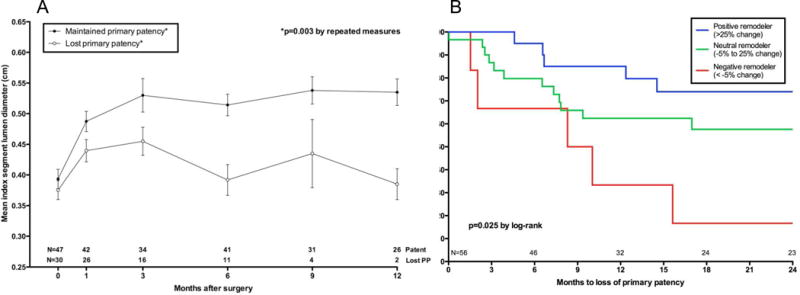
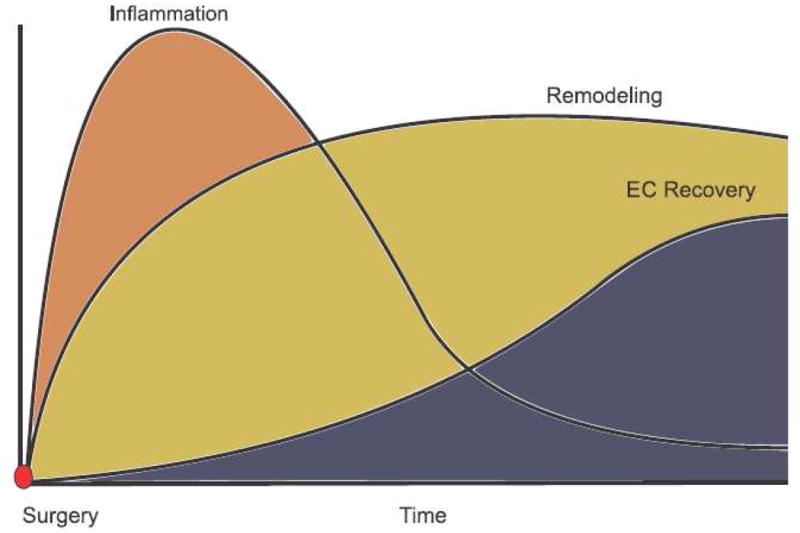
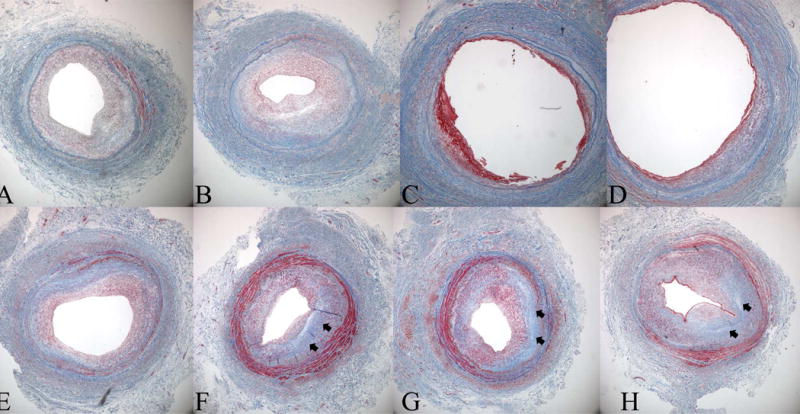
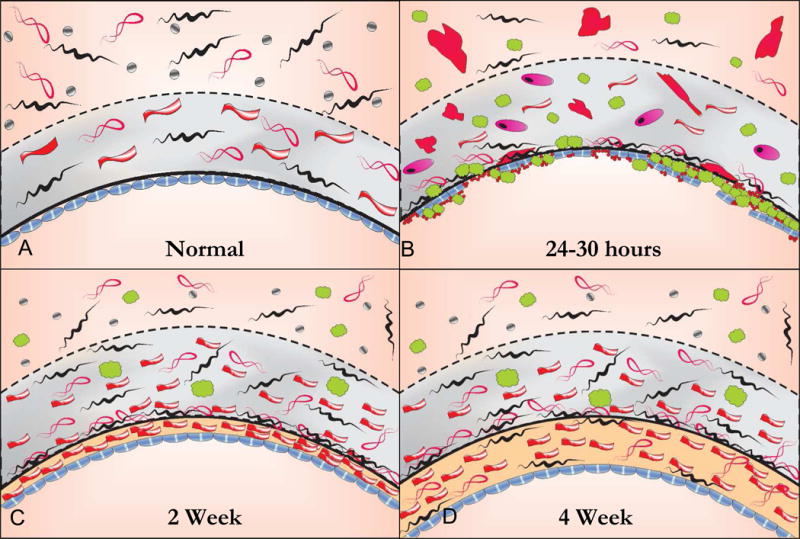
After the creation of an autogenous lower extremity bypass graft, the vein must undergo a series of dynamic structural changes to stabilize the arterial hemodynamic forces. These changes, which are commonly referred to as remodeling, include an inflammatory response, the development of a neointima, matrix turnover, and cellular proliferation and apoptosis. The sum total of these processes results in dramatic alterations in the physical and biomechanical attributes of the arterialized vein. The most clinically obvious and easily measured of these is lumen remodeling of the graft. However, although somewhat less precise, wall thickness, matrix composition, and endothelial changes can be measured in vivo within the healing vein graft. Recent translational work has demonstrated the clinical relevance of remodeling as it relates to vein graft patency and the systemic factors influencing it. By correlating histologic and molecular changes in the vein, insights into potential therapeutic strategies to prevent bypass failure and areas for future investigation are explored.
自体下肢旁路移植术后,静脉必须经历一系列动态的结构变化,以稳定动脉血流动力学。这些变化通常被称为重塑,包括炎症反应、新生内膜的形成、基质转换以及细胞增殖和凋亡。这些过程的总和导致动脉化静脉的物理和生物力学特性发生显著改变。这些过程中最具临床意义且最容易测量的是移植物的管腔重塑。然而,尽管不太精确,但在愈合的静脉移植物内,还可以测量壁厚度、基质组成和内皮变化。最近的转化研究表明,重塑与静脉移植物通畅性及其受系统因素影响的相关性具有临床意义。通过对静脉的组织学和分子变化进行相关分析,探讨了预防旁路失败的潜在治疗策略和未来的研究方向。