Cardio-Metabolic Research Group, Department of Physiological Sciences, Stellenbosch University, Stellenbosch, South Africa.
PLoS One. 2013 Sep 30;8(9):e73347. doi: 10.1371/journal.pone.0073347. eCollection 2013.
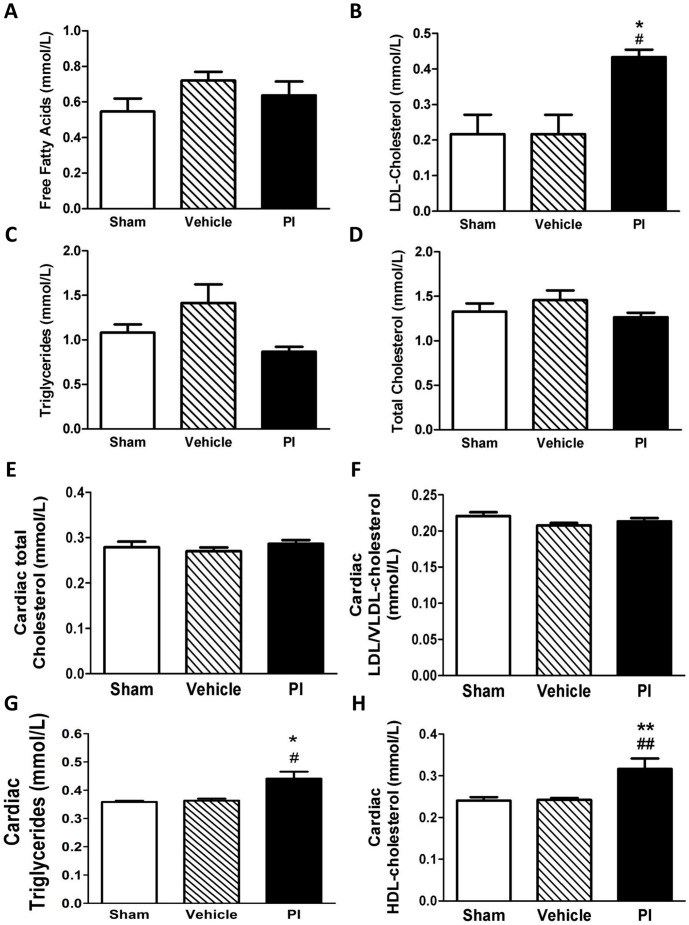
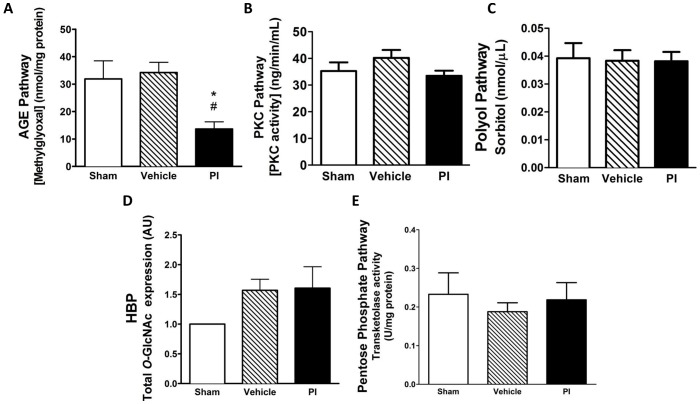
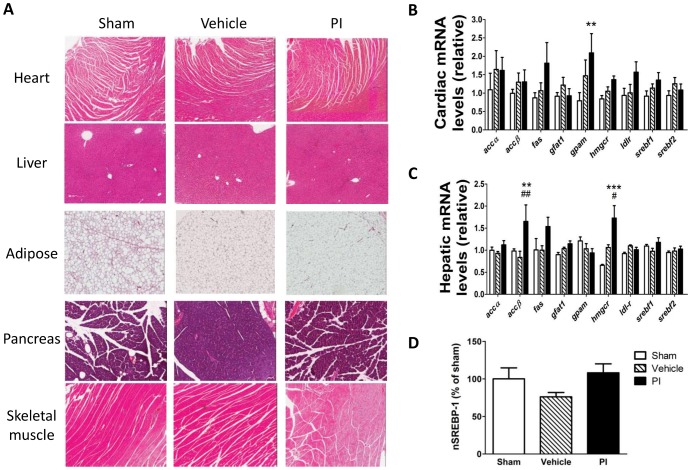
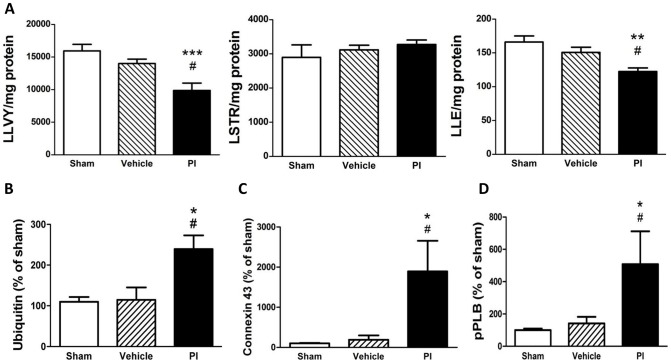
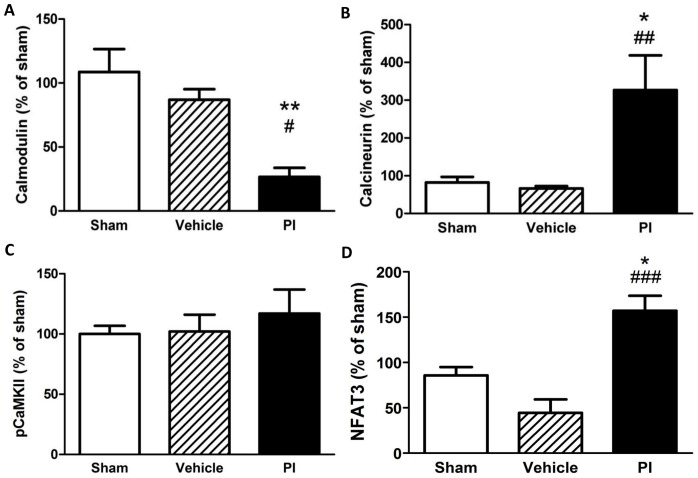
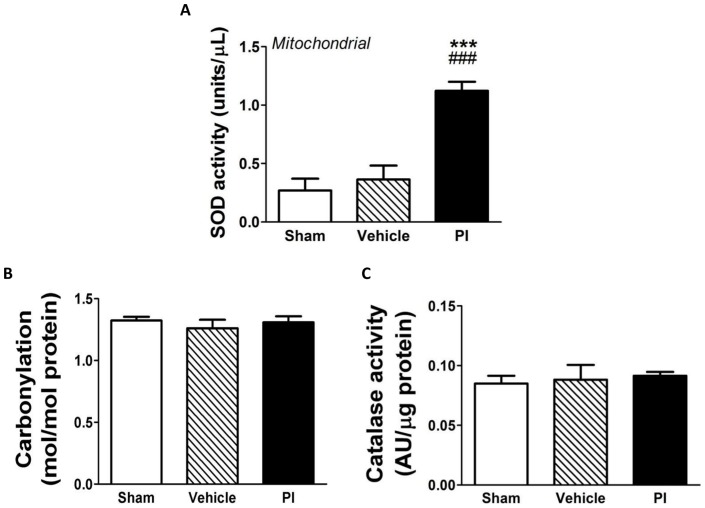
Although antiretroviral treatment decreases HIV-AIDS morbidity/mortality, long-term side effects may include the onset of insulin resistance and cardiovascular diseases. However, the underlying molecular mechanisms responsible for highly active antiretroviral therapy (HAART)-induced cardio-metabolic effects are poorly understood. In light of this, we hypothesized that HIV protease inhibitor (PI) treatment (Lopinavir/Ritonavir) elevates myocardial oxidative stress and concomitantly inhibits the ubiquitin proteasome system (UPS), thereby attenuating cardiac function. Lopinavir/Ritonavir was dissolved in 1% ethanol (vehicle) and injected into mini-osmotic pumps that were surgically implanted into Wistar rats for 8 weeks vs. vehicle and sham controls. We subsequently evaluated metabolic parameters, gene/protein markers and heart function (ex vivo Langendorff perfusions). PI-treated rats exhibited increased serum LDL-cholesterol, higher tissue triglycerides (heart, liver), but no evidence of insulin resistance. In parallel, there was upregulation of hepatic gene expression, i.e. acetyl-CoA carboxylase b and 3-hydroxy-3-methylglutaryl-CoA-reductase, key regulators of fatty acid oxidation and cholesterol synthesis, respectively. PI-treated hearts displayed impaired cardiac contractile function together with attenuated UPS activity. However, there was no significant remodeling of hearts exposed to PIs, i.e. lack of ultrastructural changes, fibrosis, cardiac hypertrophic response, and oxidative stress. Western blot analysis of PI-treated hearts revealed that perturbed calcium handling may contribute to the PI-mediated contractile dysfunction. Here chronic PI administration led to elevated myocardial calcineurin, nuclear factor of activated T-cells 3 (NFAT3), connexin 43, and phosphorylated phospholamban, together with decreased calmodulin expression levels. This study demonstrates that early changes triggered by PI treatment include increased serum LDL-cholesterol levels together with attenuated cardiac function. Furthermore, PI exposure inhibits the myocardial UPS and leads to elevated calcineurin and connexin 43 expression that may be associated with the future onset of cardiac contractile dysfunction.
虽然抗逆转录病毒治疗可降低 HIV 相关的发病率和死亡率,但长期的副作用可能包括胰岛素抵抗和心血管疾病的发生。然而,导致高效抗逆转录病毒治疗(HAART)引起的心脏代谢效应的潜在分子机制还知之甚少。有鉴于此,我们假设 HIV 蛋白酶抑制剂(PI)治疗(洛匹那韦/利托那韦)会增加心肌氧化应激,同时抑制泛素蛋白酶体系统(UPS),从而减弱心脏功能。洛匹那韦/利托那韦溶解于 1%乙醇(载体)中,并通过手术植入小型渗透泵中,8 周后与载体和假手术对照组进行比较。随后,我们评估了代谢参数、基因/蛋白标志物和心脏功能(离体 Langendorff 灌注)。PI 治疗的大鼠表现出血清 LDL-胆固醇升高,组织甘油三酯升高(心脏、肝脏),但没有胰岛素抵抗的证据。同时,肝脏基因表达上调,即乙酰辅酶 A 羧化酶 b 和 3-羟-3-甲基戊二酰辅酶 A 还原酶,分别为脂肪酸氧化和胆固醇合成的关键调节因子。PI 治疗的心脏显示出心脏收缩功能受损,同时 UPS 活性减弱。然而,暴露于 PIs 的心脏没有明显的重塑,即缺乏超微结构变化、纤维化、心脏肥厚反应和氧化应激。PI 治疗心脏的 Western blot 分析表明,钙处理紊乱可能是 PI 介导的收缩功能障碍的原因。本研究表明,PI 治疗引起的早期变化包括血清 LDL-胆固醇水平升高和心脏功能减弱。此外,PI 暴露抑制心肌 UPS,并导致钙调神经磷酸酶和连接蛋白 43 的表达升高,这可能与心脏收缩功能障碍的未来发生有关。