The Sperm Laboratory, College of Life Sciences, Zhejiang University, Hangzhou, China.
PLoS One. 2013 Sep 30;8(9):e76065. doi: 10.1371/journal.pone.0076065. eCollection 2013.
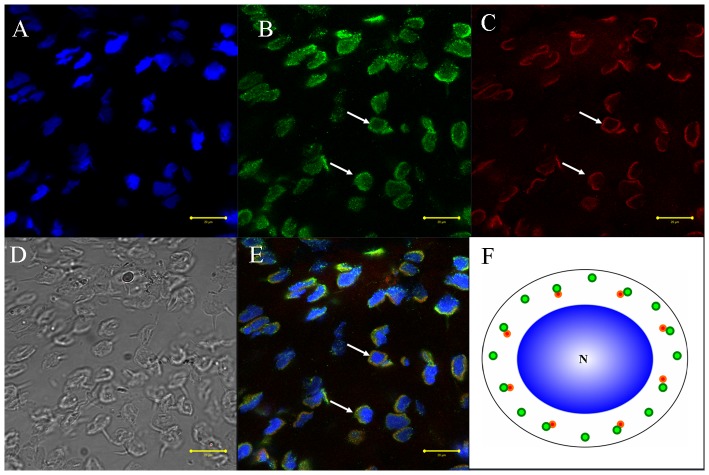
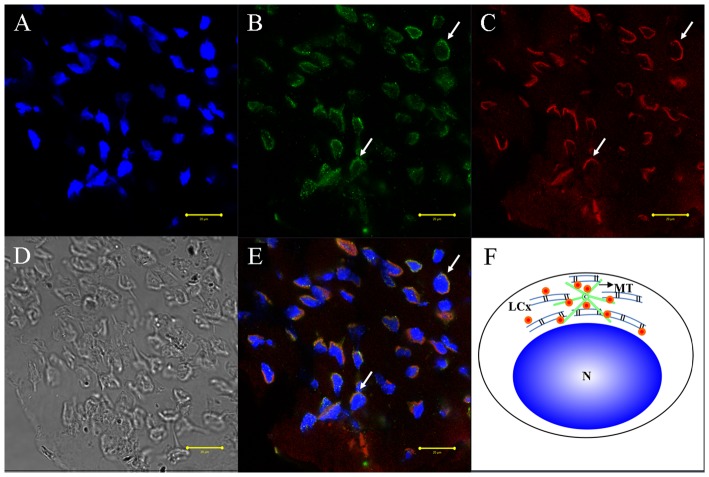
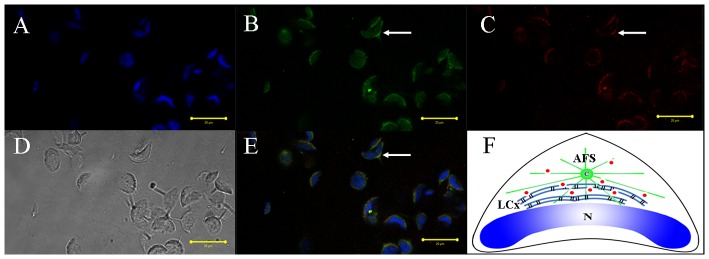
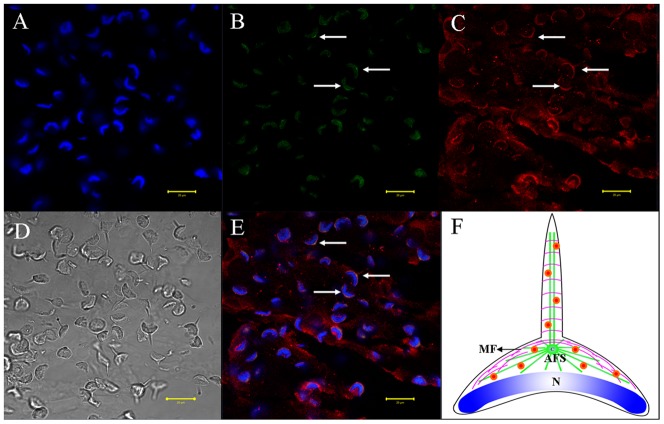
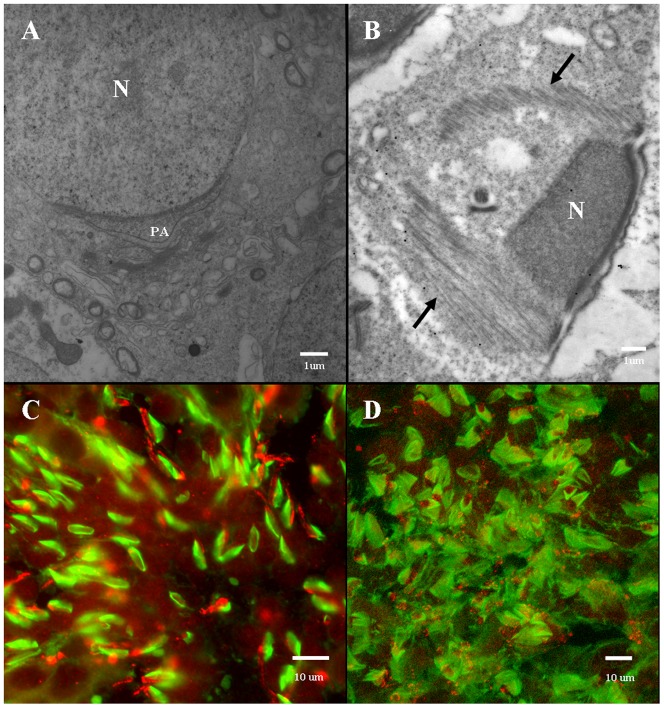
Acrosome formation and nuclear shaping are the main events in spermatogenesis. During spermiogenesis in Exopalaemon modestus, a unique microtubular structure called the acroframosome (AFS) forms in spermatids. The AFS links to a temporary organelle called the lamellar complex (LCx) leading to the formation of an everted umbrella-shaped acrosome and a dish-shaped nucleus in the mature sperm. These morphological changes require complex cell motility in which the C-terminal kinesin motor protein called KIFC1 is involved. In this study, we demonstrate that KIFC1 moves along the AFS and plays an important role in acrosome formation and nuclear shaping during spermatogenesis in E. modestus.
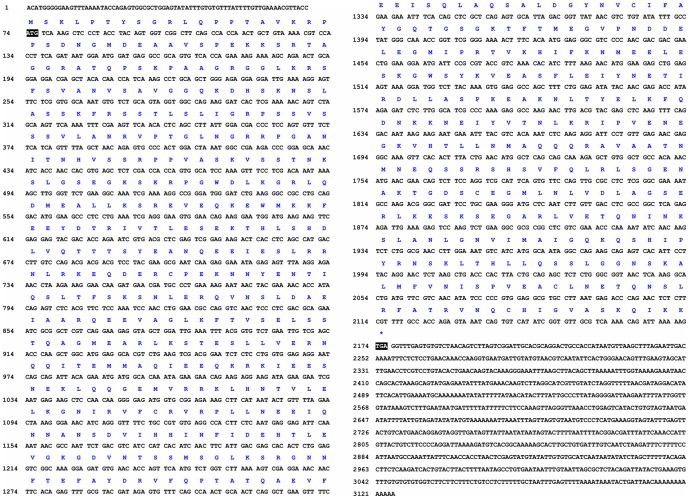
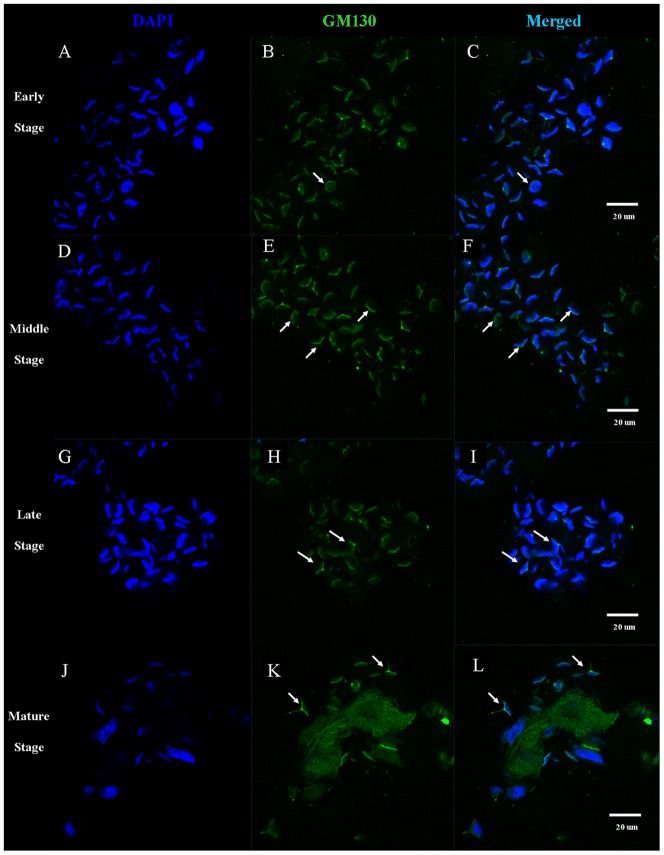
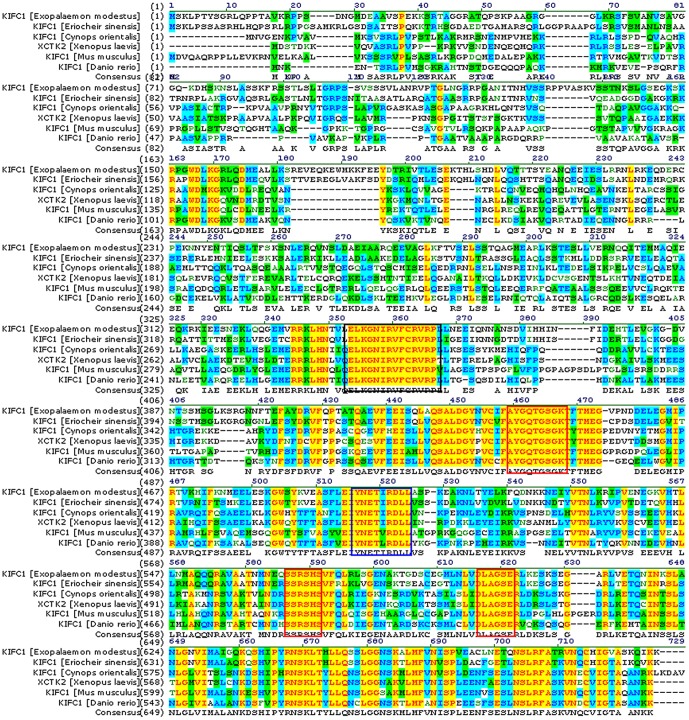
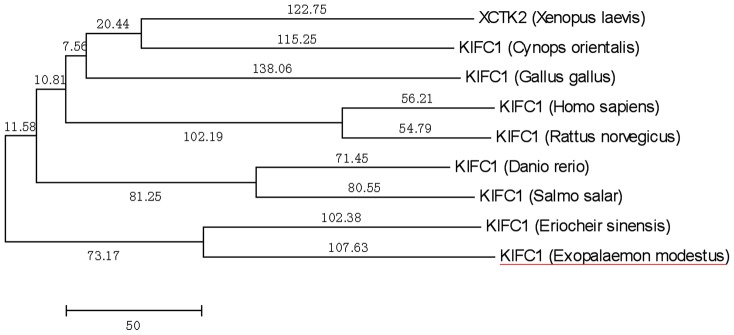
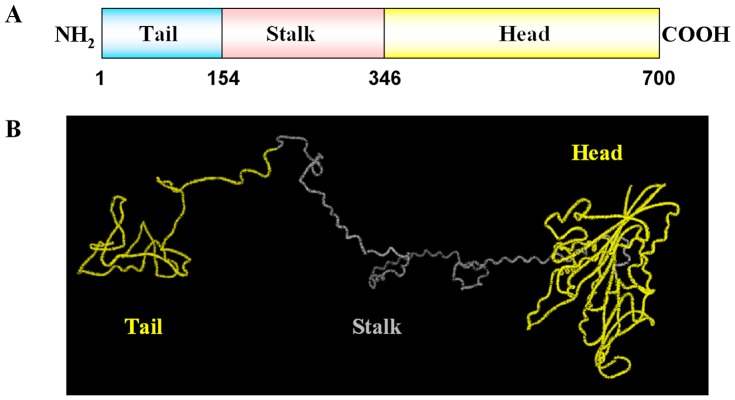
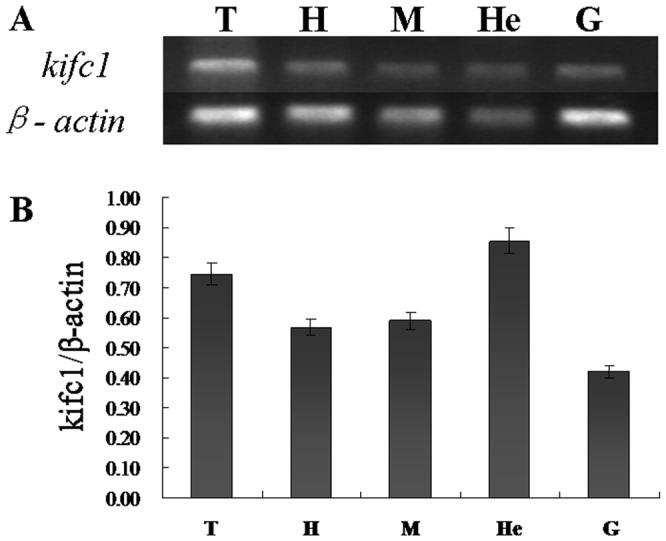
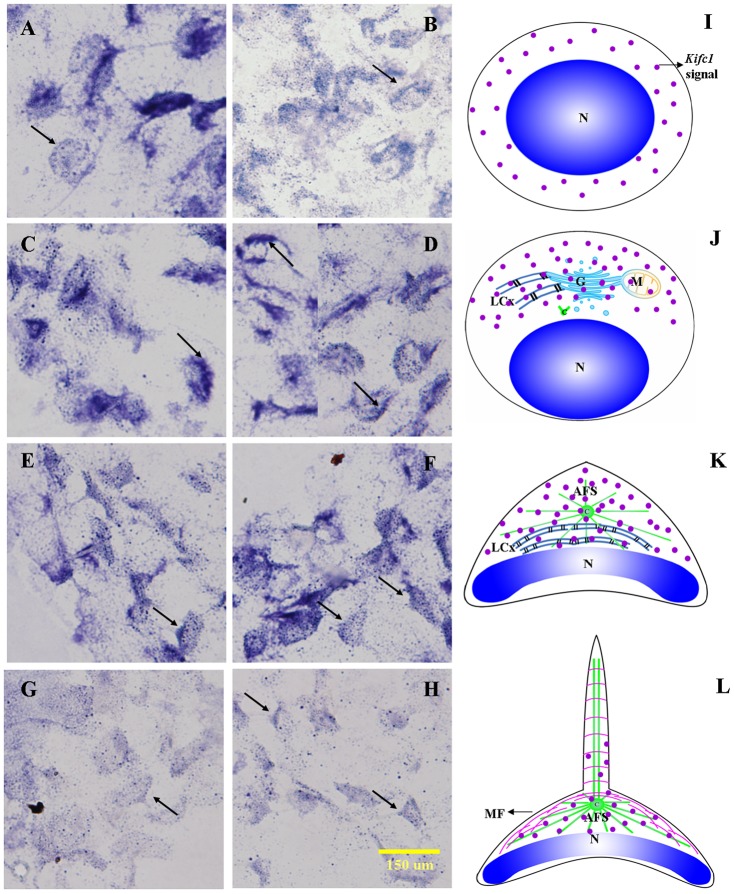
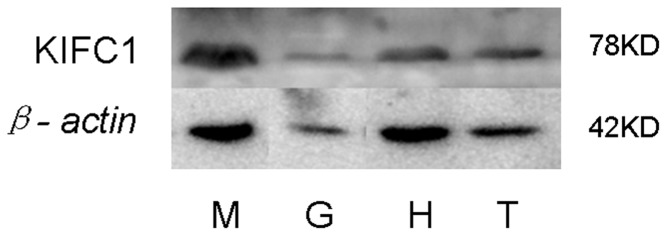
METHODOLOGY/PRINCIPAL FINDINGS: We cloned a 3125 bp complete cDNA of kifc1 from the testis of E. modestus by PCR. The predicted secondary and tertiary structures of E. modestus KIFC1 contain three domains: a) the C-terminus, b) the stalk region, and the c) N-terminusl. Semi-quantitative RT-PCR detected the expression of kifc1 mRNA in different tissues of E. modestus. In situ hybridization demonstrated the temporal and spatial expression profile of kifc1 during spermiogenesis. Western blot identified the expression of KIFC1 in different tissues of E. modestus, including the testis. Immunofluorescence localized KIFC1, tubulin, GM130, and mitochondria in order to elucidate their role during spermiogenesis in E. modestus.
CONCLUSION/SIGNIFICANCE: Our results indicate that KIFC1 transports the Golgi complex, mitochondria, and other cellular components that results in acrosome formation and nuclear shaping in E. modestus. The KIFC1 transport function depends upon the microtubular structure called the acroframosome (AFS). This study describes some of the molecular mechanisms involved in the acrosome formation and nuclear shaping in E. modestus. In addition, this study may provide a model for studying the molecular mechanisms involved in spermatogenesis in other crustacean species and lead to a better understanding of the fertilization process in crustaceans.
顶体形成和核塑形是精子发生的主要事件。在秀丽沼虾的精子发生过程中,一种叫做顶体连丝(acrosome framosome,AFS)的独特微管结构在精细胞中形成。AFS 与一个叫做板层复合结构(lamellar complex,LCx)的临时细胞器相连,导致成熟精子中出现外翻的伞状顶体和盘状核。这些形态变化需要复杂的细胞运动,其中涉及到 C 端驱动蛋白马达蛋白 KIFC1。在这项研究中,我们证明了 KIFC1 沿着 AFS 运动,并在秀丽沼虾的精子发生过程中顶体形成和核塑形中发挥重要作用。
方法/主要发现:我们通过 PCR 从秀丽沼虾的睾丸中克隆了 kifc1 的一个 3125bp 完整 cDNA。秀丽沼虾 KIFC1 的预测二级和三级结构包含三个结构域:a)C 端,b)柄区,和 c)N 端。半定量 RT-PCR 检测了 kifc1 在秀丽沼虾不同组织中的表达。原位杂交显示了 kifc1 在精子发生过程中的时空表达谱。Western blot 鉴定了 KIFC1 在秀丽沼虾不同组织中的表达,包括睾丸。免疫荧光定位了 KIFC1、微管蛋白、GM130 和线粒体,以阐明它们在秀丽沼虾精子发生过程中的作用。
结论/意义:我们的结果表明,KIFC1 运输高尔基体、线粒体和其他细胞成分,导致秀丽沼虾的顶体形成和核塑形。KIFC1 的运输功能依赖于叫做顶体连丝(AFS)的微管结构。这项研究描述了一些参与秀丽沼虾顶体形成和核塑形的分子机制。此外,这项研究可能为研究其他甲壳动物精子发生中涉及的分子机制提供模型,并有助于更好地理解甲壳动物的受精过程。