Fu Jiao, Lv Hongjun, Guan Haixia, Ma Xiaoying, Ji Meiju, He Nongyue, Shi Bingyin, Hou Peng
Department of Endocrinology, The First Affiliated Hospital of Xi'an Jiaotong University School of Medicine, Xi'an 710061, China.
BMC Cancer. 2013 Oct 8;13:462. doi: 10.1186/1471-2407-13-462.
MT1G inactivation mediated by promoter methylation has been reported in thyroid cancer. However, the role of MT1G in thyroid carcinogenesis remains unclear. The aim of this study is to examine the biological functions and related molecular mechanisms of MT1G in thyroid cancer.
Methylation-specific PCR (MSP) was performed to analyze promoter methylation of MT1G and its relationship with clinicopathological characteristics of papillary thyroid cancer (PTC) patients. Conventional and real-time quantitative RT-PCR assays were used to evaluate mRNA expression. The functions of ectopic MT1G expression were determined by cell proliferation and colony formation, cell cycle and apoptosis, as well as cell migration and invasion assays.
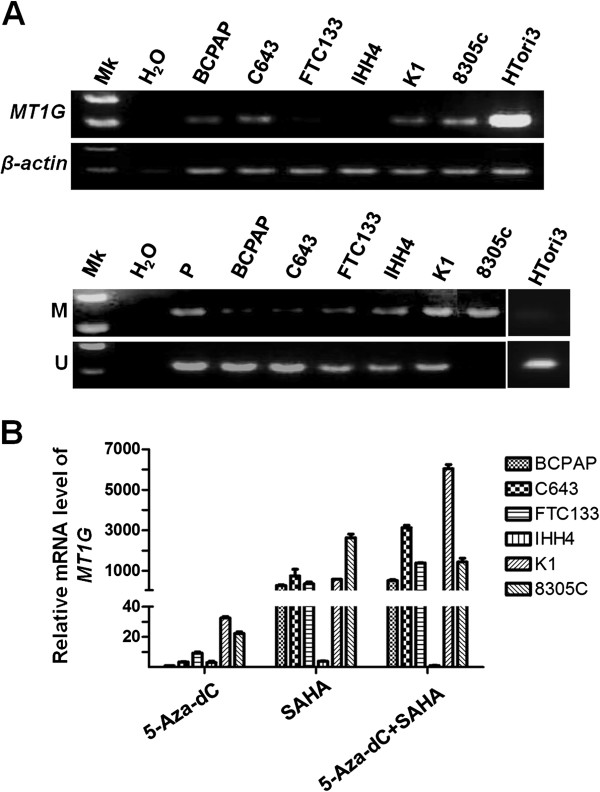
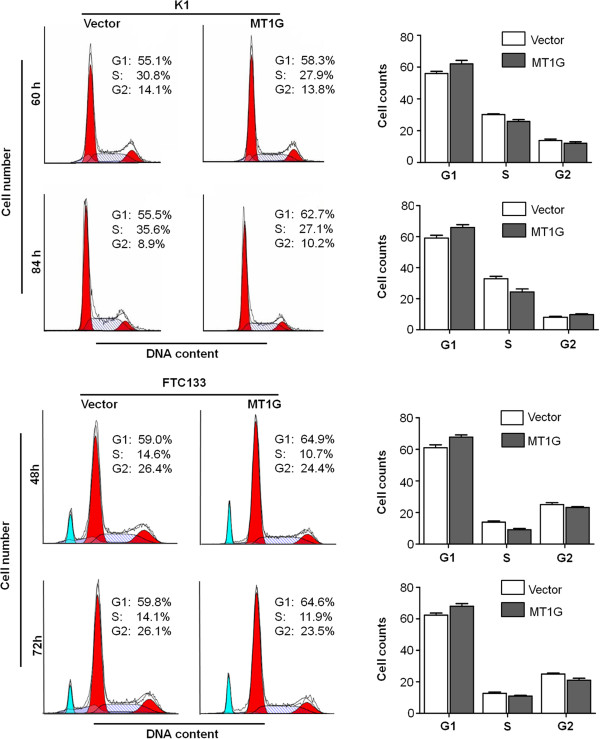
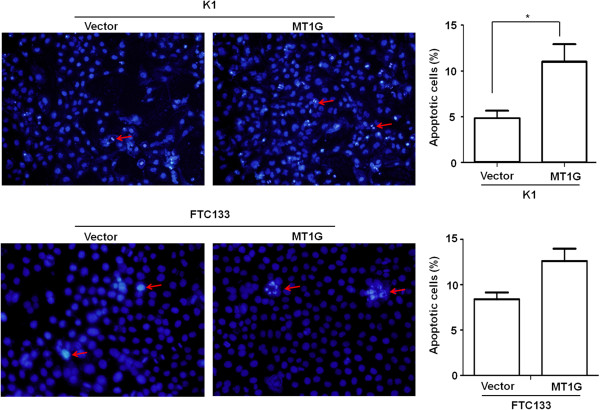
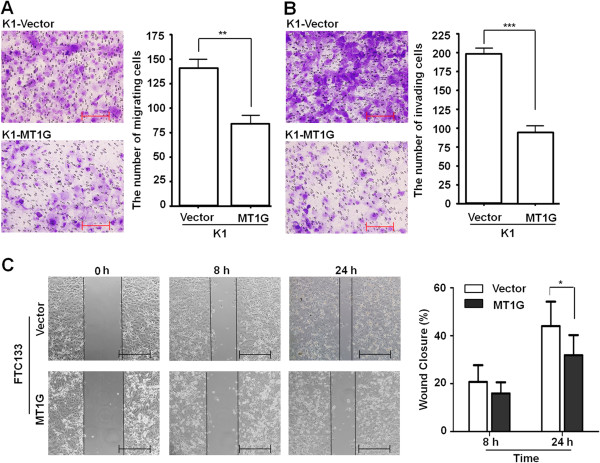
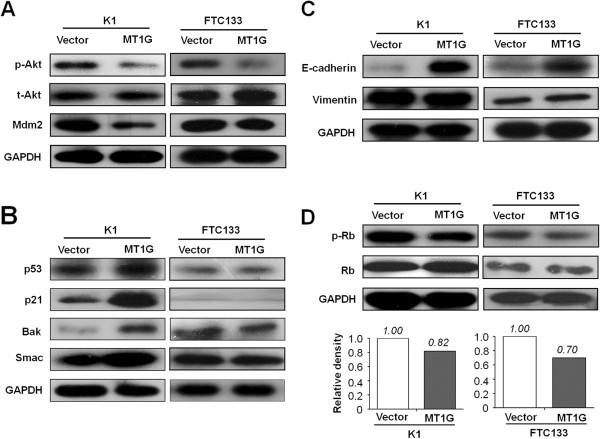
MT1G expression was frequently silenced or down-regulated in thyroid cancer cell lines, and was also significantly decreased in primary thyroid cancer tissues compared with non-malignant thyroid tissues. Promoter methylation, along with histone modification, contributes to MT1G inactivation in thyroid tumorigenesis. Moreover, our data showed that MT1G hypermethylation was significantly positively associated with lymph node metastasis in PTC patients. Importantly, restoring MT1G expression in thyroid cancer cells dramatically suppressed cell growth and invasiveness, and induced cell cycle arrest and apoptosis through inhibiting phosphorylation of Akt and Rb.
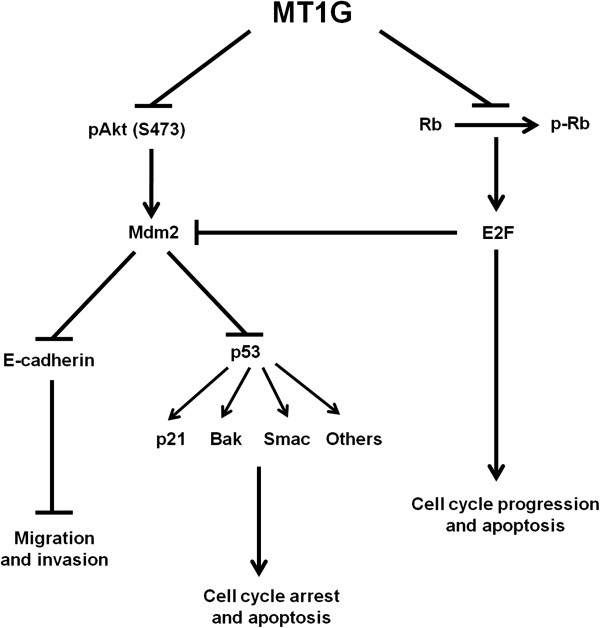
We have for the first time revealed that MT1G appears to be functional tumor suppressor involved in thyroid carcinogenesis mainly through modulating the phosphatidylinositol-3-kinase (PI3K)/Akt pathway and partially through regulating the activity of Rb/E2F pathway in this study.
甲状腺癌中已报道了由启动子甲基化介导的MT1G失活。然而,MT1G在甲状腺癌发生中的作用仍不清楚。本研究的目的是探讨MT1G在甲状腺癌中的生物学功能及相关分子机制。
采用甲基化特异性PCR(MSP)分析MT1G启动子甲基化及其与甲状腺乳头状癌(PTC)患者临床病理特征的关系。采用常规和实时定量RT-PCR检测mRNA表达。通过细胞增殖、集落形成、细胞周期和凋亡以及细胞迁移和侵袭实验来确定异位表达MT1G的功能。
MT1G在甲状腺癌细胞系中常沉默或下调,与非恶性甲状腺组织相比,原发性甲状腺癌组织中MT1G也显著降低。启动子甲基化以及组蛋白修饰在甲状腺肿瘤发生中导致MT1G失活。此外,我们的数据显示MT1G高甲基化与PTC患者的淋巴结转移显著正相关。重要的是,恢复甲状腺癌细胞中MT1G的表达可显著抑制细胞生长和侵袭,并通过抑制Akt和Rb的磷酸化诱导细胞周期停滞和凋亡。
我们首次揭示,在本研究中MT1G似乎是一种功能性肿瘤抑制因子,主要通过调节磷脂酰肌醇-3-激酶(PI3K)/Akt途径,并部分通过调节Rb/E2F途径的活性参与甲状腺癌发生。