Metheni Mehdi, Echebli Nadia, Chaussepied Marie, Ransy Céline, Chéreau Christiane, Jensen Kirsty, Glass Elizabeth, Batteux Frédéric, Bouillaud Frédéric, Langsley Gordon
Laboratoire de Biologie Cellulaire Comparative des Apicomplexes, Faculté de Médicine, Université Paris Descartes - Sorbonne Paris Cité, Paris, France; Inserm U1016, Cnrs UMR8104, Cochin Institute, Paris, 75014, France.
Cell Microbiol. 2014 Feb;16(2):269-79. doi: 10.1111/cmi.12218. Epub 2013 Oct 21.
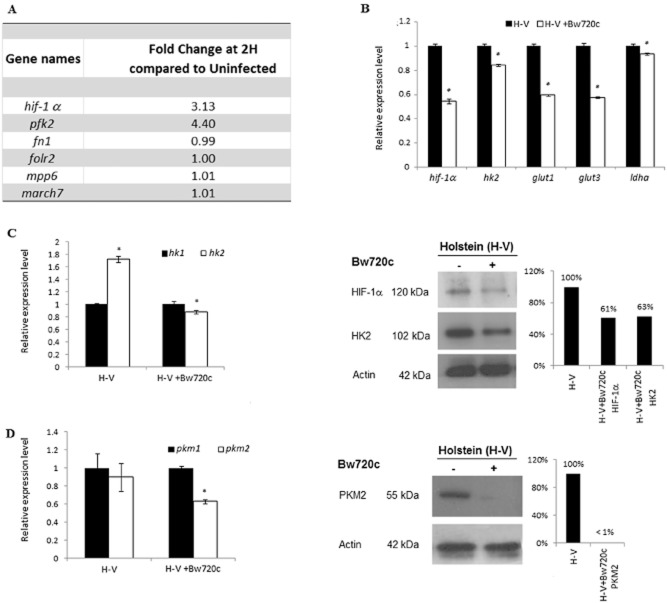
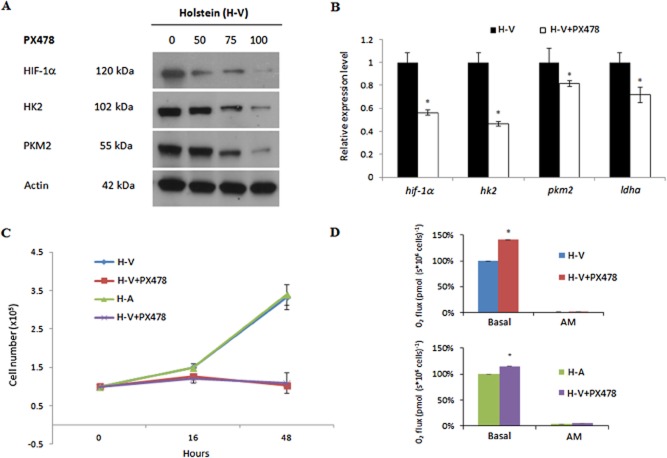
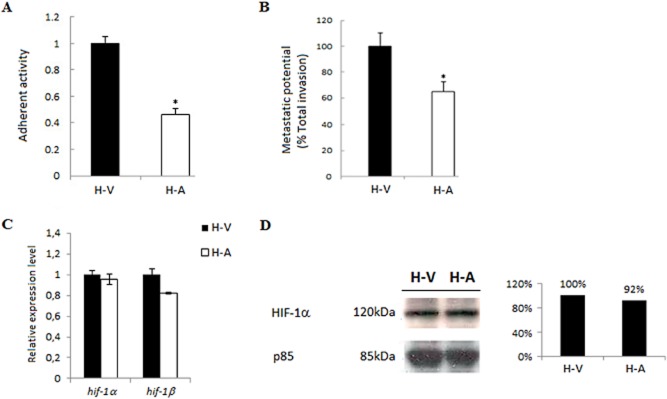
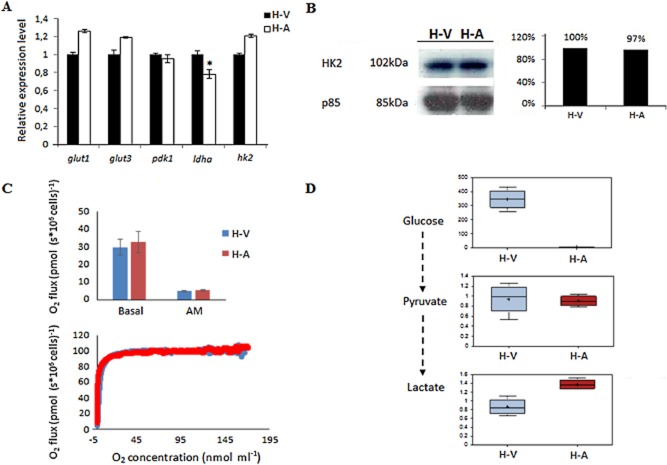
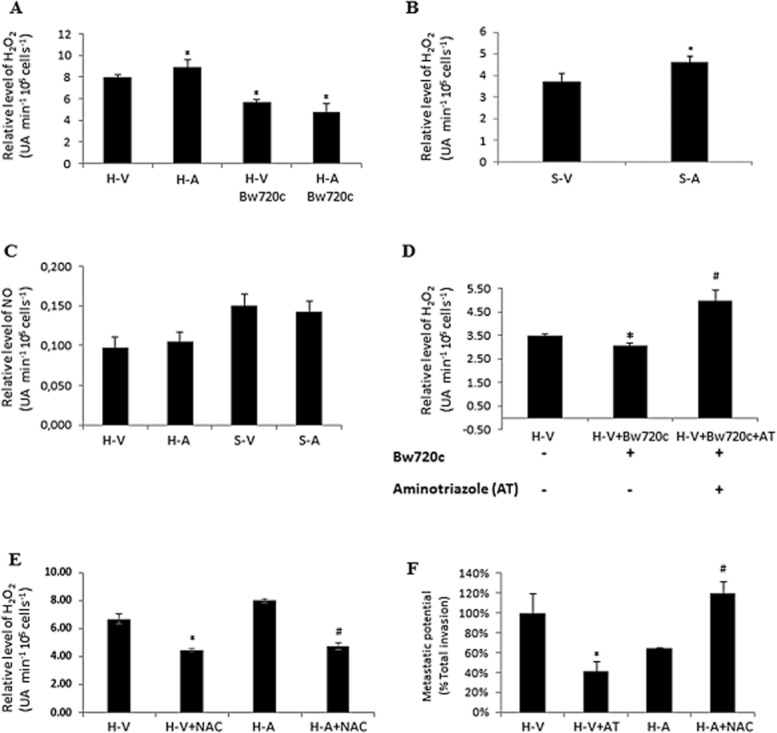
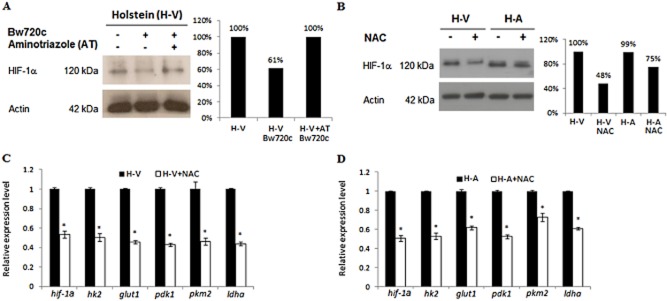
Theileria annulata infects predominantly macrophages, and to a lesser extent B cells, and causes a widespread disease of cattle called tropical theileriosis. Disease-causing infected macrophages are aggressively invasive, but this virulence trait can be attenuated by long-term culture. Attenuated macrophages are used as live vaccines against tropical theileriosis and via their characterization one gains insights into what host cell trait is altered concomitant with loss of virulence. We established that sporozoite infection of monocytes rapidly induces hif1-α transcription and that constitutive induction of HIF-1α in transformed leukocytes is parasite-dependent. In both infected macrophages and B cells induction of HIF-1α activates transcription of its target genes that drive host cells to perform Warburg-like glycolysis. We propose that Theileria-infected leukocytes maintain a HIF-1α-driven transcriptional programme typical of Warburg glycolysis in order to reduce as much as possible host cell H2 O2 type oxidative stress. However, in attenuated macrophages H2O2 production increases and HIF-1α levels consequently remained high, even though adhesion and aggressive invasiveness diminished. This indicates that Theileria infection generates a host leukocytes hypoxic response that if not properly controlled leads to loss of virulence.
环形泰勒虫主要感染巨噬细胞,对B细胞的感染程度较轻,并引发一种牛的广泛疾病,称为热带泰勒虫病。致病的感染巨噬细胞具有很强的侵袭性,但这种毒力特性可通过长期培养而减弱。减毒的巨噬细胞被用作抗热带泰勒虫病的活疫苗,通过对它们的特性分析,可以深入了解伴随毒力丧失而改变的宿主细胞特性。我们发现,子孢子感染单核细胞会迅速诱导hif1-α转录,并且在转化的白细胞中HIF-1α的组成型诱导是依赖于寄生虫的。在受感染的巨噬细胞和B细胞中,HIF-1α的诱导都会激活其靶基因的转录,从而驱动宿主细胞进行类似瓦伯格效应的糖酵解。我们提出,感染泰勒虫的白细胞维持一种由HIF-1α驱动的、典型的瓦伯格糖酵解转录程序,以便尽可能降低宿主细胞H2O2型氧化应激。然而,在减毒的巨噬细胞中,H2O2的产生增加,HIF-1α水平因此仍然很高,尽管黏附性和侵袭性减弱。这表明泰勒虫感染会引发宿主白细胞的缺氧反应,如果不能得到适当控制,就会导致毒力丧失。