Centre of Reproductive Medicine, Inner Mongolia Hospital, Inner Mongolia, Huhhot, 010017, China.
Cytotechnology. 2014 Dec;66(6):967-78. doi: 10.1007/s10616-013-9649-0. Epub 2013 Oct 16.
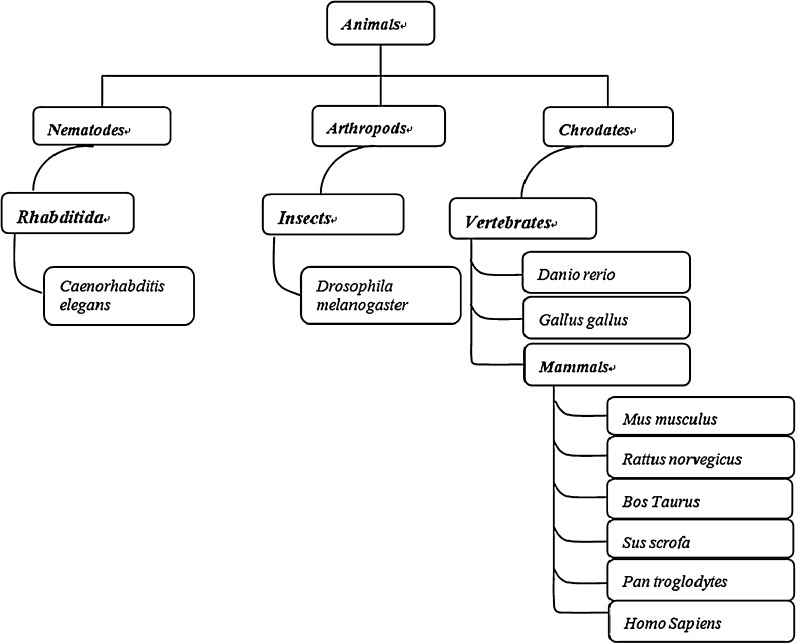
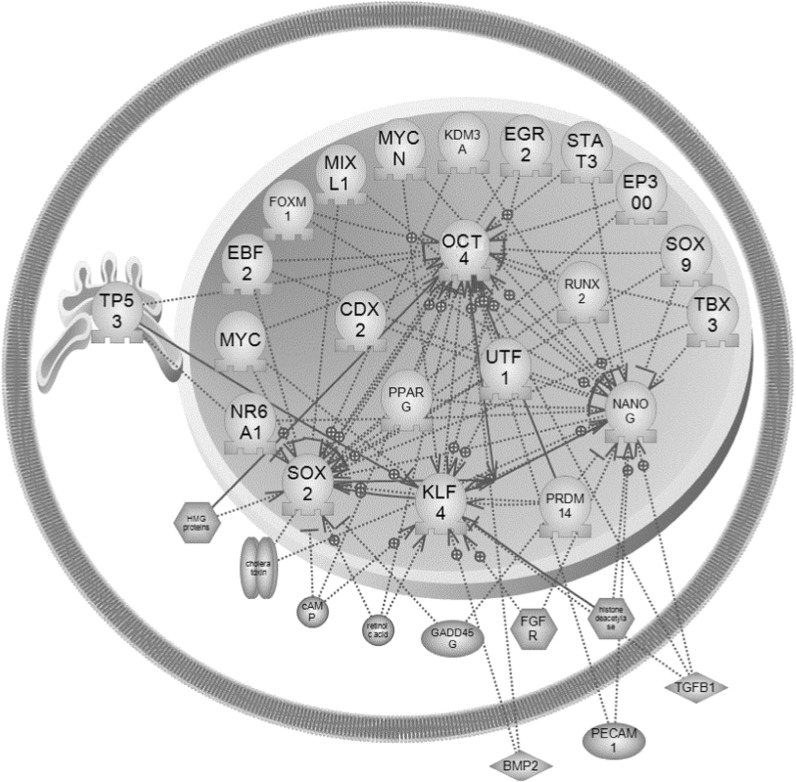
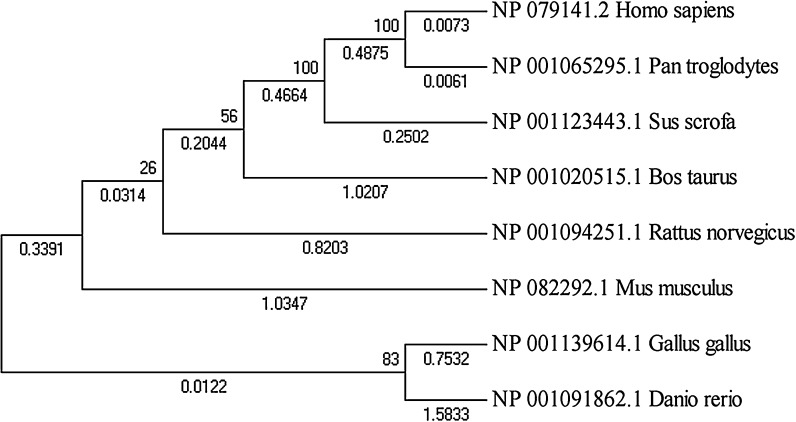
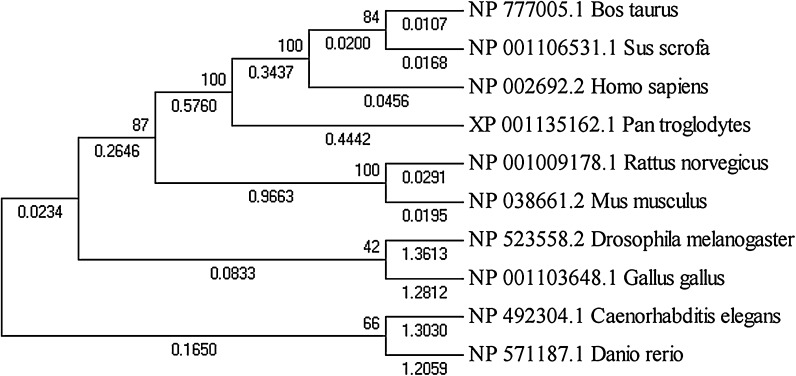
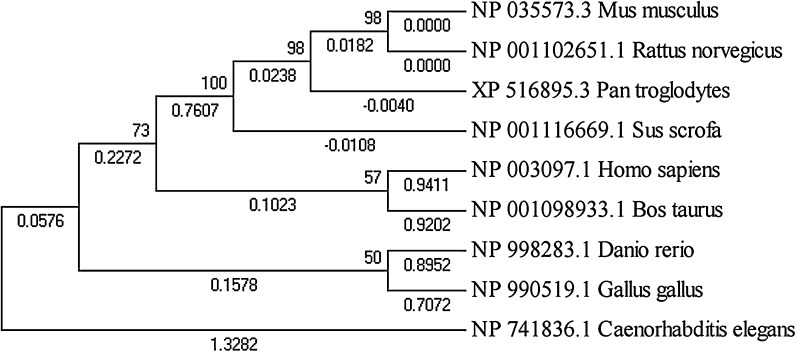
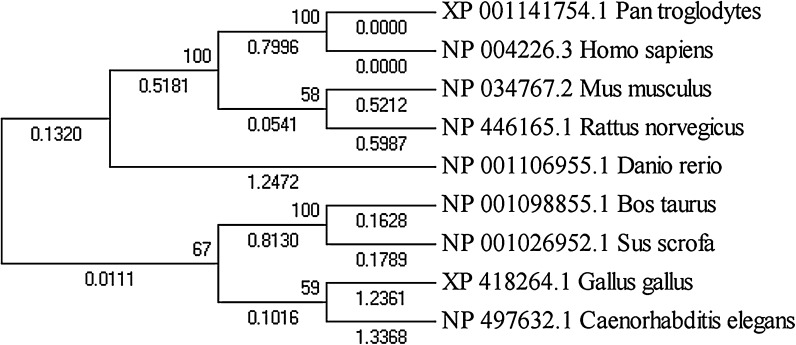
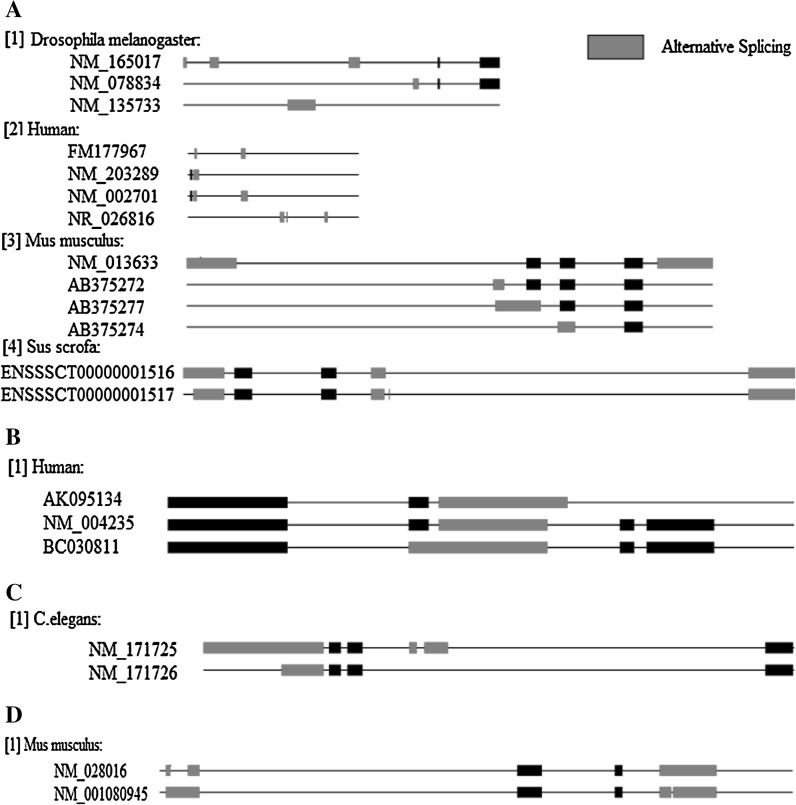
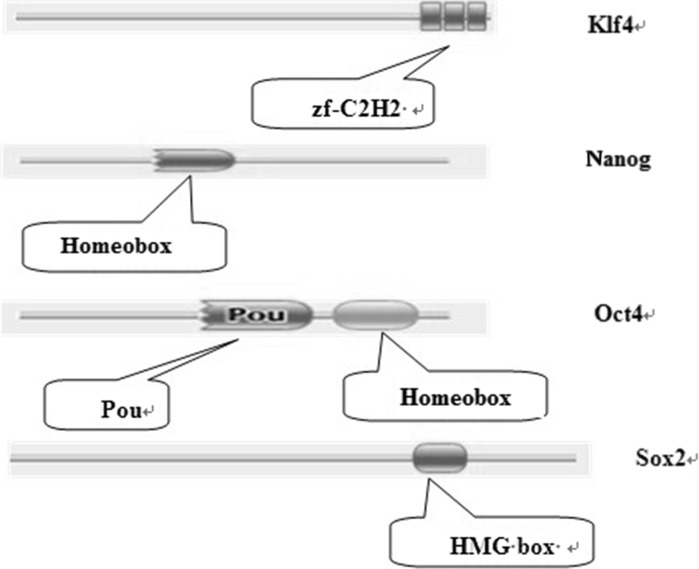
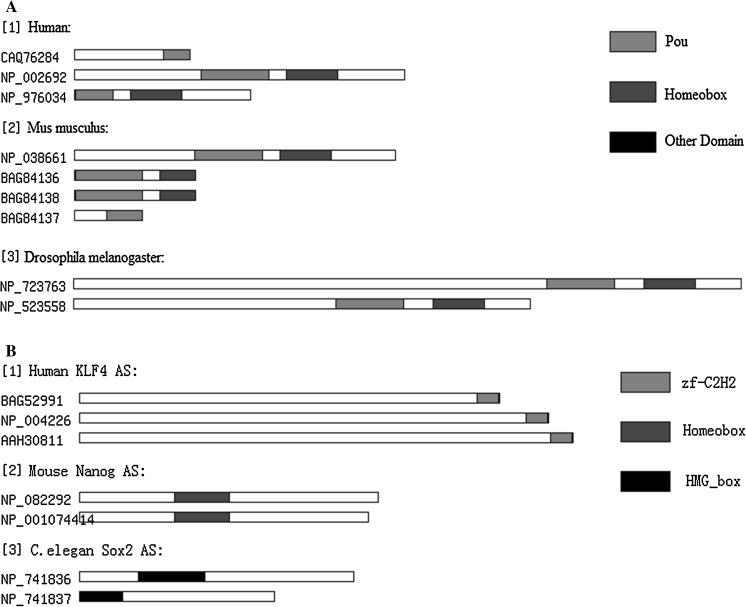
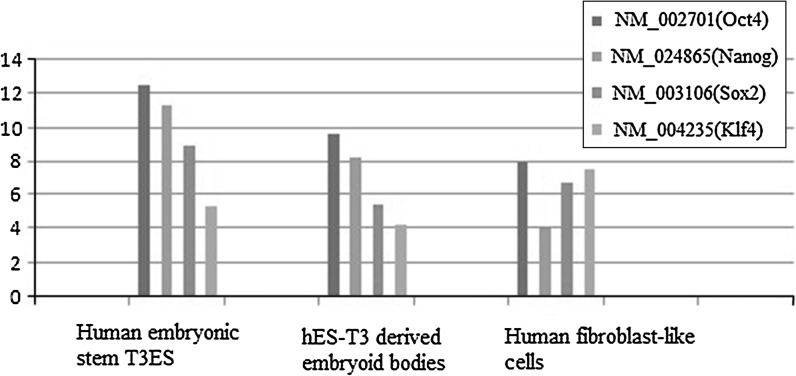
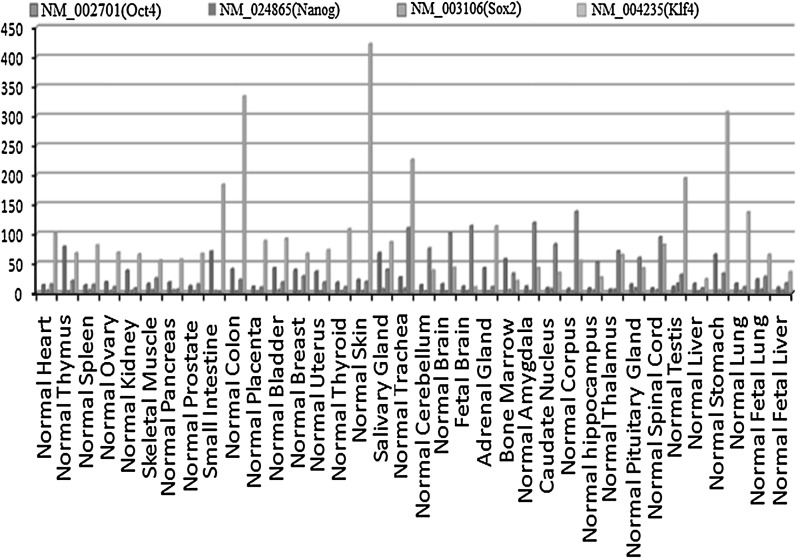
Induced pluripotent stem (iPS) cells are a type of pluripotent stem cell artificially derived from non-pluripotent cells by overexpressing the transcription factors Oct4, Sox2, Klf4 and Nanog. These transcription factors play a pivotal role in stem cells; however, the function of these factors are not fully characterized. In this study, we analyzed Oct4, Sox2, Klf4 and Nanog in ten different species using bioinformatics, to provide more knowledge of the function of these genes. Nanog does not exist in the invertebrates Caenorhabditis elegans and Drosophila melanogaster, indicating that the absence of Nanog may be responsible for the developmental differences between vertebrates and invertebrates. Construction of phylogenetic trees confirmed that the function of Nanog is conserved from fish to mammals. The effect of alternative splicing on the protein domains present in Oct4, Sox2, Klf4 and Nanog were also analyzed. Examination of the expression patterns in human stem cells, iPS cells and normal tissues showed that Oct4, Sox2, Klf4 and Nanog are expressed at similar levels in iPS cells and embryonic stem cells, and expression of all four transcription factors decreases after differentiation. Expression of Klf4 reduced to the least during differentiation, and Klf4 was found to be specifically expressed in several normal tissues, especially the salivary gland. In this paper, we systematically indentified the family proteins of the four transcription factors used to induce pluripotent stem cells, and then analyzed their evolution status, composed of those protein domains, alternative splicing translation, expression status and interaction networks. Those analysis could shed a light for further research of iPS.
诱导多能干细胞(iPS 细胞)是一种多能干细胞,通过过度表达转录因子 Oct4、Sox2、Klf4 和 Nanog,从非多能细胞中人工诱导而来。这些转录因子在干细胞中起着关键作用;然而,这些因子的功能尚未完全表征。在这项研究中,我们使用生物信息学分析了十种不同物种中的 Oct4、Sox2、Klf4 和 Nanog,以提供这些基因功能的更多知识。在无脊椎动物秀丽隐杆线虫和黑腹果蝇中不存在 Nanog,这表明 Nanog 的缺失可能是脊椎动物和无脊椎动物发育差异的原因。系统发育树的构建证实了 Nanog 的功能从鱼类到哺乳动物是保守的。还分析了 Oct4、Sox2、Klf4 和 Nanog 中存在的蛋白质结构域的选择性剪接对其的影响。检查人类干细胞、iPS 细胞和正常组织中的表达模式表明,Oct4、Sox2、Klf4 和 Nanog 在 iPS 细胞和胚胎干细胞中的表达水平相似,并且在分化后所有四种转录因子的表达均降低。分化过程中 Klf4 的表达降低到最低,并且发现 Klf4 在几种正常组织中特异性表达,特别是唾液腺。在本文中,我们系统地鉴定了用于诱导多能干细胞的四种转录因子的家族蛋白,然后分析了它们的进化状态、组成的蛋白质结构域、选择性剪接翻译、表达状态和相互作用网络。这些分析可以为 iPS 的进一步研究提供启示。